One of the most common questions travelers ask when planning an Italy trip is simple but important: how many days do you really need in Florence? The short answer is that Florence can be visited in one day, enjoyed properly in two days, and truly appreciated in three or more. The longer answer depends on how you travel, what you want to see, and how much time you want to spend rushing versus enjoying the city. Florence is compact, walkable, and dense with world class art, which makes it feel easy to plan but also easy to overload. Many travelers underestimate how much time museums take, how tiring crowds can be, and how valuable unplanned wandering time really is. This is why deciding how many days to spend in Florence matters more than it seems at first glance.
Florence is not a city where you simply check off attractions. It is a place where timed museum entries, long lunches, and slow walks through historic streets shape your days. Trying to squeeze everything into too little time often leads to frustration, missed reservations, and museum fatigue. Giving yourself the right number of days allows you to balance must see sights with the everyday moments that make Florence special, like lingering in a piazza or crossing the Arno at sunset. If you are visiting Florence for the first time and want a practical, walkable plan, you can also explore this Two Days in Florence walking itinerary, which shows how much fits comfortably into a short stay.
In this guide, we break down exactly how many days you need in Florence based on real travel patterns, museum logistics, and pacing that works in the real world. You will see what fits into one day, why two days is the most popular option, when three days becomes ideal, and when it makes sense to stay longer. By the end, you will be able to choose the length that fits your travel style instead of guessing and hoping for the best.
Why Florence trip length depends on more than just attractions
Florence may look small on a map, but the way the city functions means that time fills up quickly. The biggest factor is museums. Florence is home to some of the most visited museums in the world, and they operate on timed entry systems that shape your entire day. The Uffizi Gallery alone can easily take three to four hours, especially if you want to move at a comfortable pace. Even the Accademia Gallery, which is smaller, still requires planning because lines can be long without a reservation. These visits are not quick stops you squeeze between lunch and shopping. They are full time blocks that influence how many days you need.
Another major factor is walking. Florence is a walking city, which is part of its charm, but that also means you spend hours on your feet each day. The historic center is dense, and even short distances involve navigating crowds, uneven stone streets, and busy piazzas. Most travelers naturally slow down by the second half of the day, especially after a museum visit. This makes packing too many major sights into one day unrealistic. Adding extra days allows you to spread out activities and enjoy Florence without exhaustion.
Reservations also play a big role. Tickets for popular attractions like the Uffizi Gallery and the Accademia Gallery are often booked in advance, and your available time slots may not always align perfectly with your ideal schedule. When you only have one or two days, a sold out morning slot can throw off your entire plan. With more days, you gain flexibility and reduce stress. Finally, Florence is a city that rewards slow travel. Long meals, relaxed evenings, and spontaneous discoveries are part of the experience. These moments need time, and that time must come from somewhere.
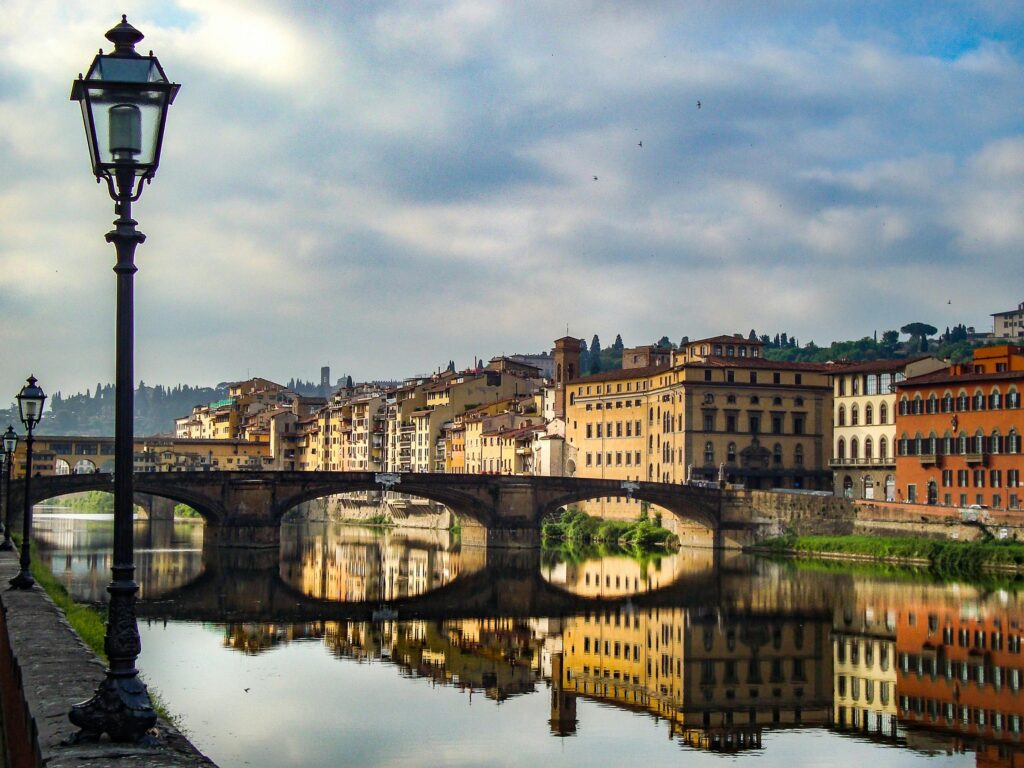
Visiting Florence in one day: what to expect
Spending one day in Florence is possible, but it comes with clear limitations. This option works best for travelers who are passing through or adding Florence as a brief stop between other cities. With one day, you should focus on the historic center and choose only one major attraction. Trying to see everything will result in rushing and disappointment. A realistic one day plan usually includes a morning walk through the heart of the city, visiting landmarks like the Duomo exterior, Piazza della Signoria, and the Ponte Vecchio, followed by one anchor experience such as the Uffizi Gallery or the Accademia Gallery.
Choosing which museum to visit is the hardest part of a one day trip. The Uffizi Gallery offers a broad overview of Renaissance art and is ideal if you want context and masterpieces in one place. The Accademia Gallery is centered around Michelangelo’s David and is shorter, making it easier to pair with sightseeing. If you choose the Uffizi, booking tickets in advance on the official site at https://www.uffizi.it is essential to avoid losing hours in line. For the Accademia Gallery, official tickets are available at https://www.galleriaaccademiafirenze.it.
With one day, you should accept that Florence will feel like a highlight reel rather than a deep experience. There will be little time for neighborhoods like Oltrarno, limited opportunity to linger over meals, and no room for unexpected delays. One day is best seen as a preview. It shows you why Florence is special, but it often leaves travelers wishing they had stayed longer.
Two days in Florence: the most popular choice
Two days in Florence is the most common and practical option for first time visitors. It offers enough time to see the city’s most famous sights while still allowing for a reasonable pace. With two days, you can split your itinerary into two balanced days instead of cramming everything into one. This is where Florence starts to feel enjoyable rather than rushed. Many travelers find that two days is the minimum amount of time needed to experience both the art and the atmosphere of the city.
Over two days, you can comfortably include both major museums. A common approach is to dedicate one morning to the Uffizi Gallery and use the rest of the day for walking and viewpoints. The second day often includes the Accademia Gallery, time around the Duomo complex, and exploration of local streets and markets. Buying tickets in advance from official websites makes a big difference. The Uffizi Gallery tickets are available at https://www.uffizi.it, and Accademia tickets at https://www.galleriaaccademiafirenze.it. If you are interested in visiting multiple museums, the Firenze Card can also be considered, with details available at https://www.firenzecard.it.
Two days also allows for better daily rhythm. You can start early, enjoy a long lunch, rest in the afternoon, and still have energy for evening walks. You have time to cross the river, explore quieter areas, and enjoy Florence after day trippers leave. While two days still requires some planning and reservations, it offers a good balance between structure and flexibility. For many travelers, two days feels complete, even if there is always more to see.
Three days in Florence: the ideal balance for most travelers
If you want to experience Florence without feeling rushed, three days is often the ideal length. The third day changes the entire feel of the trip. Instead of stacking major attractions back to back, you can spread them out and enjoy more of the city’s everyday life. Three days is especially appealing if you love art, enjoy walking at a relaxed pace, or want time to explore beyond the main tourist routes.
With three days, you can visit the Uffizi Gallery and the Accademia Gallery on separate days, leaving plenty of energy for wandering. The extra day allows you to add another major site such as the Pitti Palace and Boboli Gardens or churches like Santa Croce or Santa Maria Novella. It also gives you flexibility if tickets sell out or weather affects your plans. You can adjust without sacrificing entire experiences.
Another advantage of three days is the ability to enjoy Florence’s neighborhoods. Areas like Oltrarno are best explored slowly, stopping into artisan workshops and local cafes. You can also enjoy Florence’s food culture more fully, with time for sit down lunches and relaxed dinners. Three days makes Florence feel less like a checklist and more like a lived in city. Many travelers who stay three days say it is the point where Florence truly clicks.
Four or five days in Florence: when staying longer makes sense
Staying four or five days in Florence is ideal if you want to combine the city with nearby destinations or simply slow everything down. Florence is a natural base for exploring Tuscany, and adding even one day trip changes how you plan your time. With four or five days, you can dedicate two or three days to Florence itself and still have time to visit places like Siena, Pisa, or the Chianti countryside.
Longer stays also benefit travelers who prefer a relaxed schedule. You can avoid peak museum times, enjoy quieter mornings, and build in rest days. Museums can be split across multiple days without pressure, and you can revisit favorite areas. If you plan to use the Firenze Card, a longer stay helps maximize its value by spreading visits across days instead of rushing to see everything within a tight window. Information about the card and included attractions is available at https://www.firenzecard.it.
Four or five days in Florence is not about adding more attractions, but about adding quality to your time. You gain flexibility, comfort, and a deeper connection to the city. For travelers who want Florence to be more than just another stop, staying longer is often the most rewarding option.
How many days in Florence: quick comparison table
| Days | Best for | Experience level |
|---|---|---|
| 1 day | Short stopovers | Highlights only, very fast paced |
| 2 days | First time visitors | Major sights plus some wandering |
| 3 days | Art lovers and relaxed travelers | Balanced, immersive, flexible |
| 4 to 5 days | Slow travel and Tuscany trips | Deep experience with day trips |
So how many days should you choose?
The right number of days in Florence depends on how you want to feel during your trip. If you want a taste, one day works. If you want to see the essentials without rushing, two days is a strong choice. If you want Florence to feel comfortable, memorable, and unrushed, three days is ideal. If you want to slow down or explore Tuscany, four or five days makes sense. Florence rewards time more than most cities. Giving yourself the right amount of it is the key to enjoying everything the city has to offer.