Florence is one of those cities where almost every street feels like a museum, yet it is surprisingly easy to explore on foot. This guide is designed to help you understand what is truly worth your time, how to plan visits without stress, and how to experience the city in a way that feels balanced and realistic. If you are visiting for a short stay, having a clear plan matters. Many travelers underestimate how much there is to see within a compact historic center. Early in your planning, it helps to anchor your days with a walkable structure. If you want a ready-made plan that fits naturally with the sights listed here, you can explore this Two Days in Florence walking itinerary, which pairs well with everything in this guide. Florence rewards travelers who plan museum visits ahead, leave room for wandering, and understand how the city flows from one area to the next. The historic center is mostly flat, distances are short, and many of the most famous sights sit within a few minutes of each other. Knowing what to book in advance, what can be enjoyed for free, and where to slow down makes a huge difference in how the city feels.
Iconic sights that define Florence
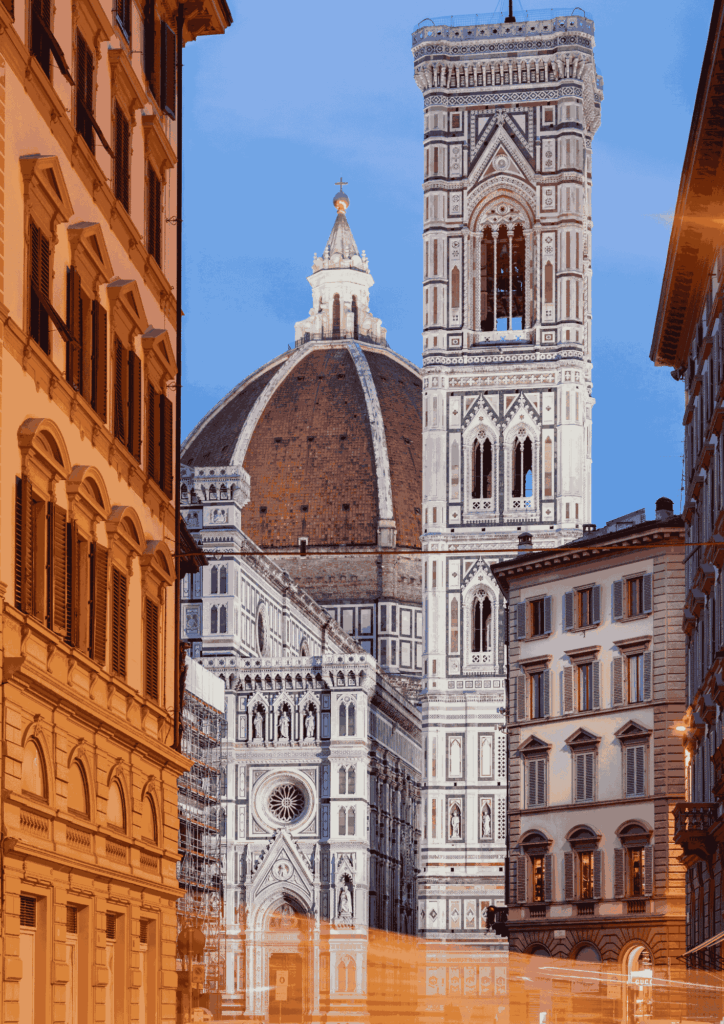
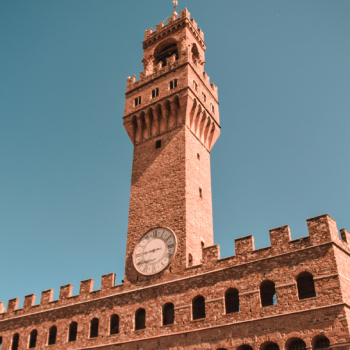
The heart of Florence is compact but dense with world famous landmarks, and understanding how they connect helps you avoid backtracking. Piazza del Duomo is usually the starting point for first time visitors, not just because of the cathedral itself but because several major sights are clustered here. The Cathedral of Santa Maria del Fiore dominates the skyline, and its surrounding complex includes the dome, bell tower, baptistery, and cathedral museum. Tickets for these monuments are sold as official passes that are valid for multiple days, which is important because you cannot realistically visit everything in a single morning. Booking through the official ticket site at https://tickets.duomo.firenze.it allows you to select timed entry for the dome climb, which is the most popular part. From the Duomo, it is a short walk to Piazza della Signoria, Florence’s historic political center. This open square feels like an outdoor sculpture gallery and can be enjoyed at any hour. Palazzo Vecchio rises above the square and offers interior visits through the official city museum ticket system at https://ticketsmuseums.comune.fi.it. Nearby, the Uffizi Galleries stretch toward the river, making it easy to combine a museum visit with a walk along the Arno afterward.
Museums you should prioritize and how to plan them
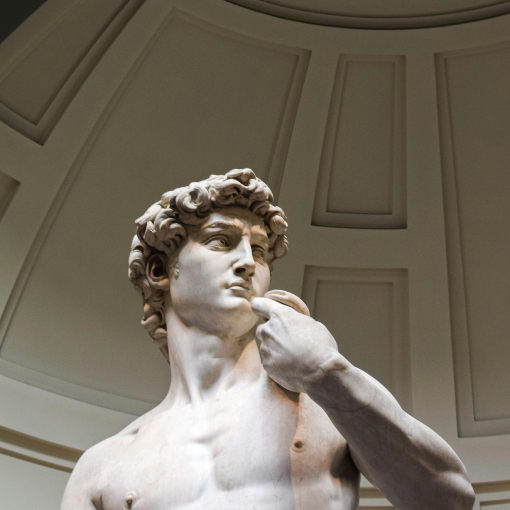
Florence has many museums, but a few stand out as must-sees even for travelers who are not normally museum focused. The Uffizi Galleries house one of the most important collections of Renaissance painting in the world. This is not a place to leave unplanned. Tickets sell out regularly, and lines without reservations can be long. Buying directly from the official site at https://www.uffizi.it ensures access to standard tickets and combined options that include Pitti Palace and Boboli Gardens. The Accademia Gallery is smaller but equally famous because it houses Michelangelo’s David. Most visitors spend less time here than at the Uffizi, but timed tickets are still essential. Official tickets are available at https://www.galleriaaccademiafirenze.it. Planning these two museums on separate days is ideal, especially if you want to keep your schedule relaxed. Florence also offers excellent secondary museums such as the Bargello, focused on sculpture, and Palazzo Strozzi, known for rotating exhibitions. These can be great alternatives when the major museums feel overwhelming or fully booked.
Planning Florence? Grab the step-by-step digital guide
Quick comparison of top museums
| Museum | Main focus | Best tip |
|---|---|---|
| Uffizi Galleries | Renaissance painting | Book early and plan at least half a day |
| Accademia Gallery | Michelangelo’s David | Short visit, timed entry is essential |
| Bargello Museum | Sculpture and Medici history | Quieter and easier to visit last minute |
The Duomo complex explained simply
The Florence Cathedral complex can feel confusing because there are several buildings and multiple ticket types. The key thing to know is that entry to the cathedral itself is free, but access to the dome, bell tower, baptistery, crypt, and museum requires an official pass. These passes are valid over multiple days, which means you can spread visits out rather than rushing. Buying tickets from https://tickets.duomo.firenze.it is the safest way to avoid confusion and unofficial sellers. The dome climb is the highlight for many travelers, offering close-up views of frescoes and panoramic city views at the top. The climb is narrow and involves many steps, so it is not suitable for everyone. Giotto’s Bell Tower offers similar views with a slightly less intense climb. The cathedral museum is often overlooked but provides valuable context, especially if you enjoy understanding how the cathedral was built and decorated. Planning these visits across two mornings keeps the experience enjoyable rather than exhausting.
Walking Florence and enjoying it for free
One of the best things about Florence is how much you can experience without buying a ticket. Simply walking through the historic center reveals layers of history. Ponte Vecchio is the most famous bridge, lined with small gold shops, and is especially atmospheric early in the morning or later in the evening. From there, wandering along the Arno riverbanks gives you a sense of the city’s rhythm. Crossing into the Oltrarno neighborhood feels like stepping into a quieter, more local Florence. This area is known for artisan workshops, small piazzas, and relaxed dining spots. Piazza Santo Spirito is a great place to pause and observe daily life. Free churches, neighborhood streets, and small squares fill the gaps between major attractions and often become the most memorable parts of a visit. These moments are hard to plan but easy to enjoy if your schedule is not overpacked.
Best viewpoints and gardens
Florence looks different from above, and viewpoints help you understand the city’s layout. Piazzale Michelangelo is the most famous viewpoint and is free to access. It sits above the historic center and offers sweeping views, especially at sunset. Just below it, the Rose Garden provides a quieter setting with similar views and fewer crowds. On the opposite side of the river, Boboli Gardens offer a more formal experience with paths, statues, and hidden viewpoints. Tickets for Boboli Gardens are managed through the Uffizi system at https://www.uffizi.it and can often be combined with Pitti Palace. These gardens are large and best enjoyed at a relaxed pace, making them ideal for an afternoon break from museums. Choosing one major viewpoint per day keeps the experience enjoyable rather than rushed.
Churches worth visiting beyond the cathedral
Florence’s churches are more than religious buildings; they are art collections in their own right. Santa Croce is known for its tombs of famous figures and impressive frescoes. Tickets are sold through the official site at https://www.santacroceopera.it, and the complex includes cloisters that offer a peaceful pause from the busy streets. Santa Maria Novella, located near the main train station, combines art, architecture, and beautiful cloisters. Tickets are available through https://www.smn.it. These churches are well organized for visitors and provide a quieter contrast to the busier museums. Visiting one or two churches beyond the Duomo adds depth to your understanding of Florence without overwhelming your schedule.
Getting around Florence easily
Florence is best explored on foot, but public transport can be helpful for reaching viewpoints or areas outside the historic center. The city has buses and a modern tram system, both using the same ticket structure. Tickets can be purchased in advance and are valid for a set time once activated. Official information and ticket options are available at https://www.at-bus.it and https://www.gestramvia.it. One important thing to know is the limited traffic zone in the historic center. Driving into this area without authorization can result in fines, so most visitors should avoid using a car within the city. If you are staying centrally, you can comfortably reach most attractions on foot. For short stays, walking not only saves time but also allows you to notice small details that make Florence special.
Is the Firenze Card worth it
The Firenze Card is an official museum pass that provides access to many major museums for a fixed period. It can be useful for travelers who plan to visit several museums in a short time. The card includes priority access to certain sites and can simplify planning by bundling entry fees. Official details and purchase options are available at https://www.firenzecard.it. However, the card is not ideal for everyone. If your plan includes only one or two major museums, buying individual tickets may be more cost effective. The card works best for travelers who enjoy museums and have a tightly packed sightseeing schedule. Understanding your travel style before purchasing helps avoid unnecessary expenses.
Easy half day trips from Florence
If you have extra time, Florence makes a great base for short trips. Fiesole is one of the easiest escapes, located just outside the city and reachable by public bus. It offers views over Florence and a calmer atmosphere. Trains also connect Florence to nearby cities such as Pisa, Lucca, and Siena, making independent day trips simple. These destinations provide a different perspective on Tuscany without requiring overnight stays. Planning day trips toward the end of your stay works well, once you are comfortable navigating transport and have seen the main sights within Florence itself.
