The street address gets you to the building; the extra words get you to the correct apartment. Portone usually means the main building entrance, scala identifies the staircase or building section, piano is the floor, and interno is the individual apartment or unit. The other crucial word is civico, the street number you need to find before any of the others matter.
Once you know that pattern, Italian apartment addresses are much easier to decode. A host who sends “Via Verdi 18, scala B, piano 3, interno 7” is telling you to find street number 18, enter the building, locate staircase B, go to the third floor, and find unit 7.
The five address words that matter
- Civico: the street or building number, such as 18 in “Via Verdi 18.” You may also see numero civico or n. 18.
- Portone: the large entrance door leading from the street into the building. It is normally not your apartment door.
- Scala: literally “staircase,” but in a residential address it often identifies one staircase, wing, or section of a larger building. It may be marked A, B, C or with a number.
- Piano: the floor of the building.
- Interno: the individual apartment, office, or other unit. It is often abbreviated as int.
You may also encounter cancello, meaning a gate. In a building set behind a courtyard, you might first open a cancello, walk across the courtyard, and then reach the portone.
How to follow an apartment address step by step
Suppose your check-in instructions say:
Via Giuseppe Verdi 18
Scala B
Piano 3
Interno 7
- Find Via Giuseppe Verdi 18. Look for the physical civic-number plaque rather than relying entirely on the map pin.
- Enter the portone. You may need a key, keypad code, intercom call, or remote opening from the host.
- Look for Scala B. In a small building it may be obvious. In a larger property you may have to cross a lobby or courtyard before finding the correct staircase.
- Go to piano 3. Check the lift buttons or stair-landings carefully.
- Find interno 7. The number may be beside the apartment door, on a small plaque, or included only in the host’s instructions.
The important order is street, civico, entrance, scala, piano, interno. Searching for “interno 7” while you are still outside the wrong entrance will not get you very far.
Portone is not the apartment door
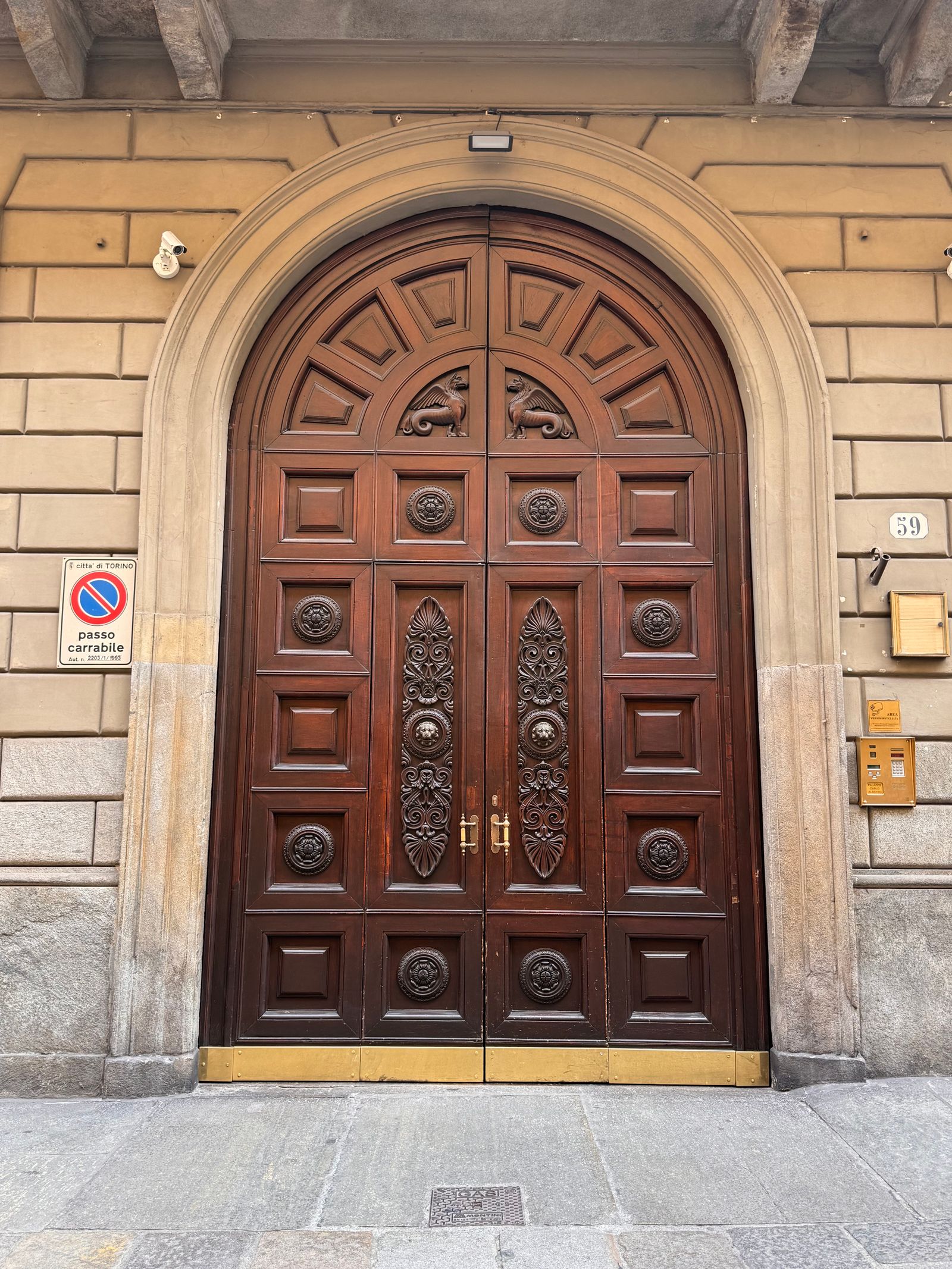
This causes plenty of confusion during self-check-in. A message such as “il codice del portone è 1234” normally refers to the code for the main communal entrance. After opening it, you may still have another door, lock, key or keypad at the apartment itself.
Hosts may use slightly different wording, so pay attention to context:
- portone: main building entrance
- porta or porta dell’appartamento: apartment door
- cancello: exterior gate
- portoncino: a smaller entrance door, with the exact meaning depending on the property
If you receive two access codes, do not assume they are interchangeable. Ask which one opens the street entrance and which one opens the apartment.
Scala can mean a whole section of the building
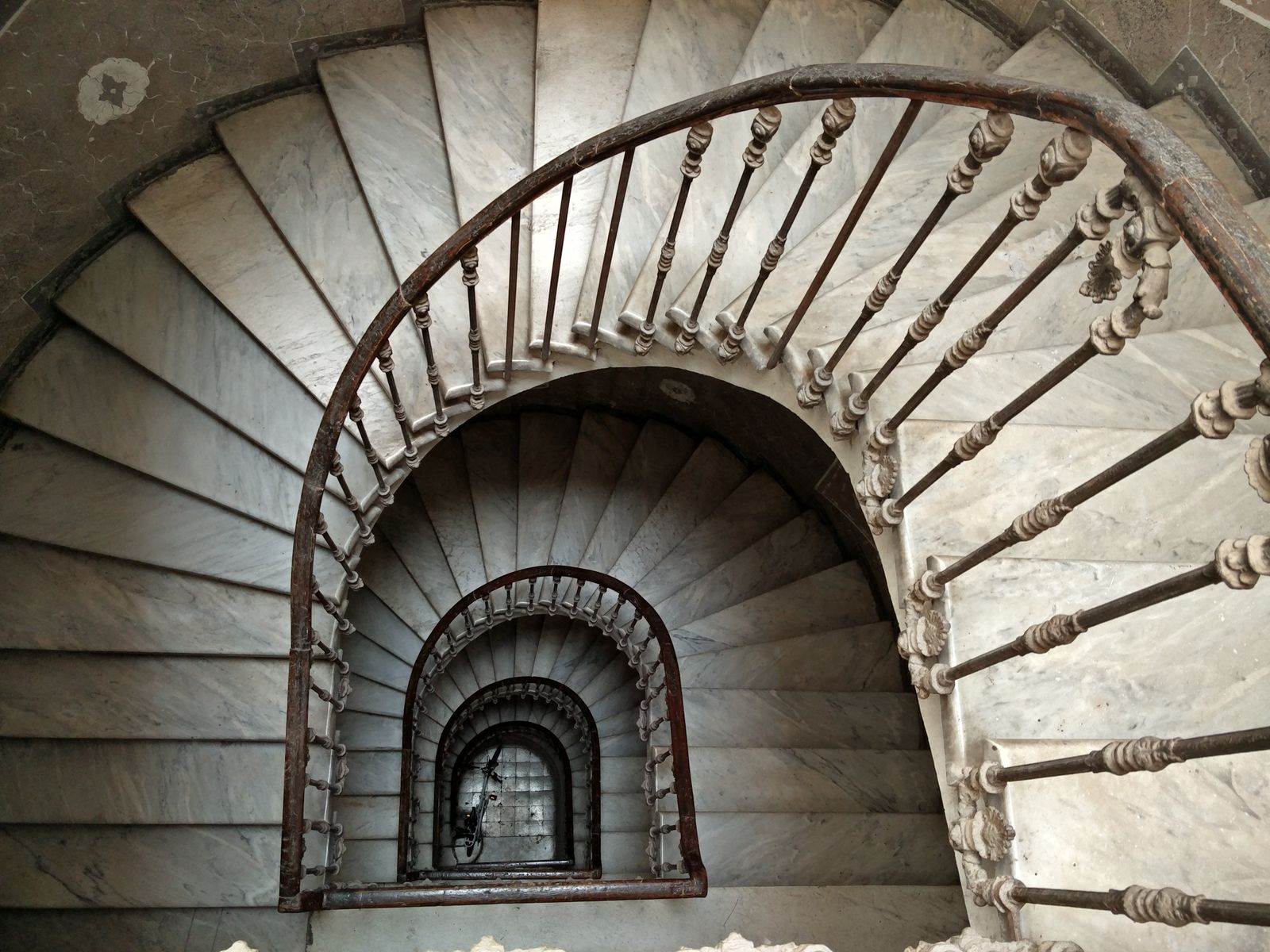
Scala B does not simply mean “take staircase B.” In large condominiums, one street entrance can lead to several separate stairwells, each serving a different group of apartments. Each scala may have its own lift as well.
Older city buildings can be particularly confusing because the street door may open into an entrance hall and then a courtyard. Scala A might be immediately inside, while Scala B or C is across the courtyard or through another doorway.
Look for small signs marked Scala A, Scala B, Scale, or apartment-number ranges. If the building has a staffed portineria, the porter, or portiere, can usually point you toward the correct section.
Italian floors: the piano primo trap
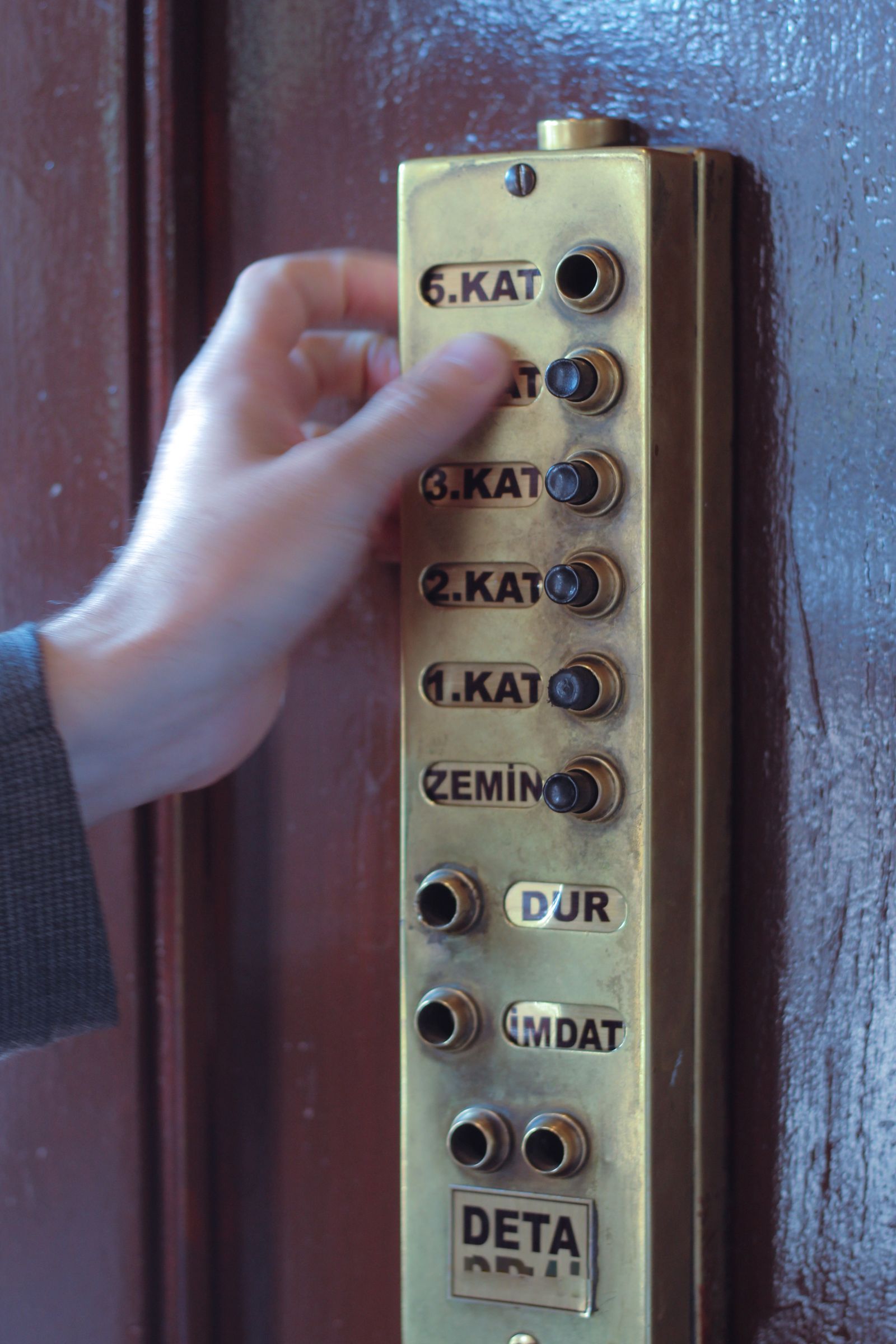
Piano terra is ground level. Piano primo is the first floor above it. That matters especially for travelers used to American floor numbering, where the street-level floor is normally called the first floor.
Common descriptions include:
- PT or piano terra: ground floor
- piano rialzato: raised ground floor, often reached by a short flight of steps
- piano primo: one floor above ground
- piano secondo: two floors above ground
- ammezzato or mezzanino: mezzanine level
- seminterrato: semi-basement
- ultimo piano: top floor
Lift-button labels are not standardized from one building to another. Ground level might appear as 0, T or PT, while a raised ground or mezzanine floor can have another label. Follow the host’s written floor description if the buttons and numbering seem inconsistent.
Interno and citofono are not the same thing
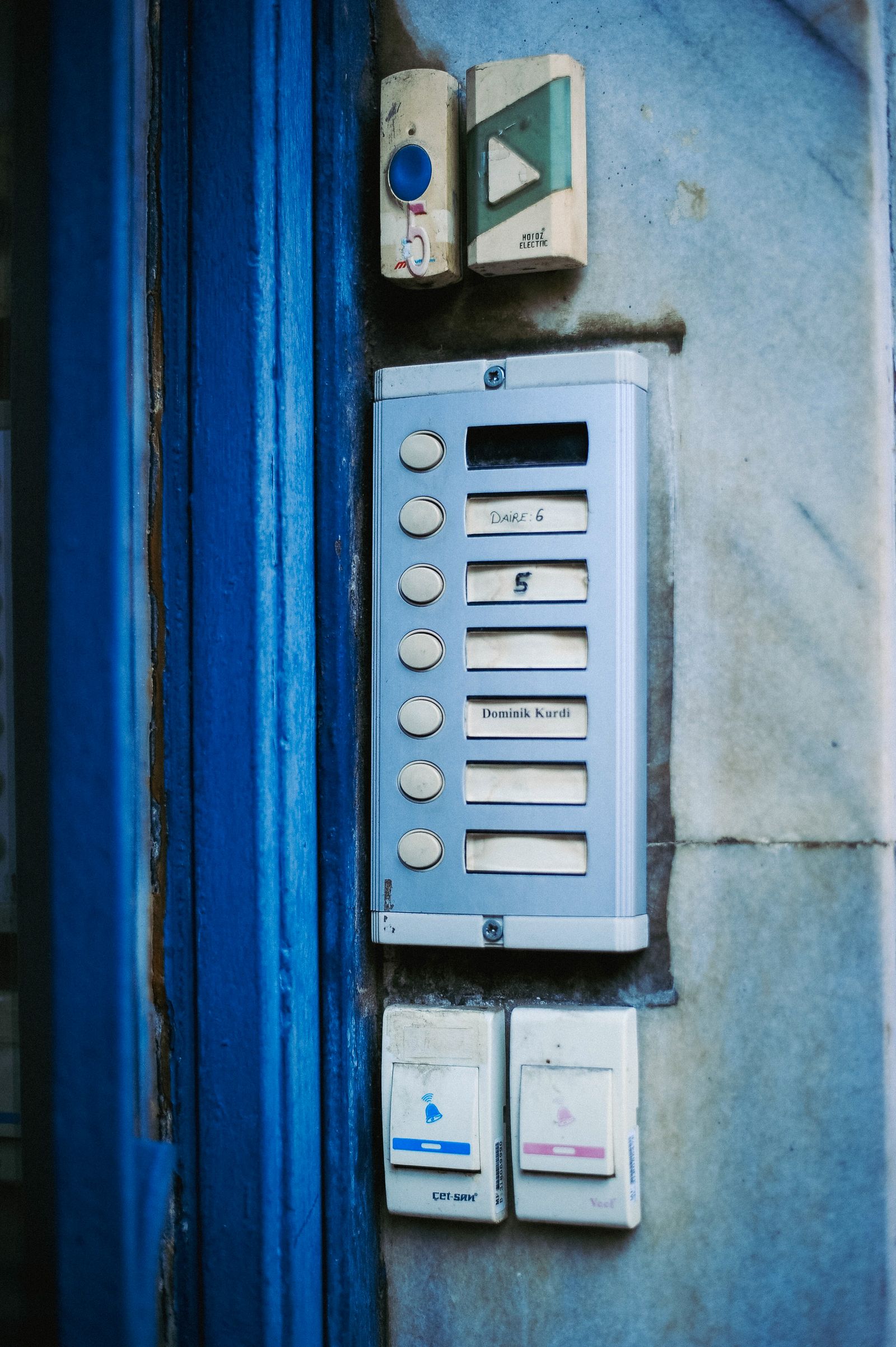
The interno identifies the unit. The citofono is the intercom or buzzer at the building entrance. They often use different labels.
For example, your apartment could be interno 7, while the intercom shows the owner’s surname rather than the number 7. A short-term rental may show the host, property manager or company name instead.
Before arrival, it is useful to know both:
- Interno: the unit number you need after reaching the correct floor.
- Citofono: the exact name, number, or button you should press downstairs.
If a host writes citofonare Rossi, it means “buzz Rossi.” Campanello means doorbell.
Do not trust the map pin more than the civico
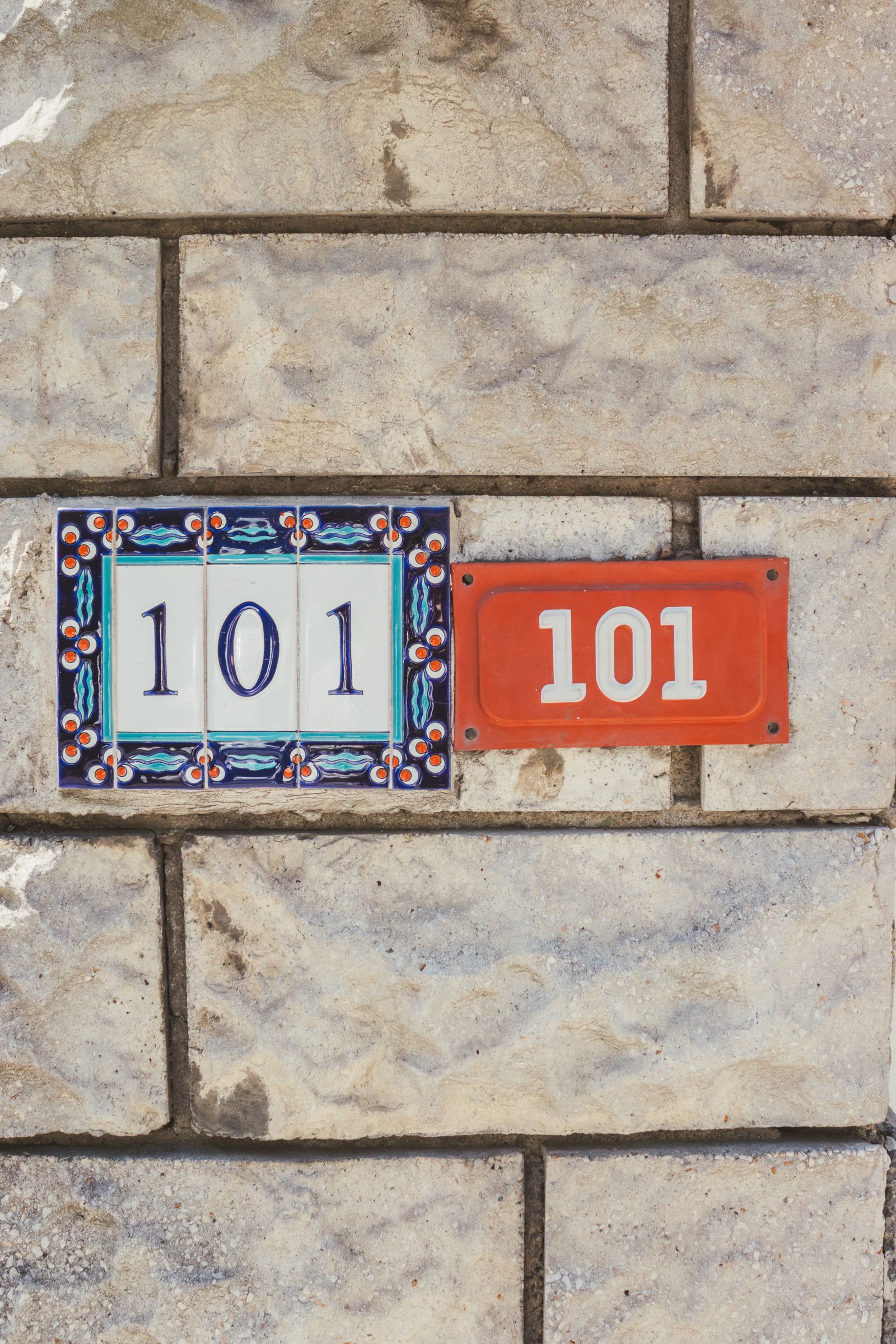
A navigation app is excellent for getting you onto the correct street, but the physical street number is the final authority when locating the entrance. Apartment buildings can have several doors close together, entrances can sit around a corner, and numbers such as 18, 18A and 18B may lead to completely different properties.
If the map says you have arrived but the number on the building is wrong, keep looking for the civico your host supplied rather than entering the nearest doorway.
There are also local numbering quirks. Florence, for example, maintains civic-number data that distinguishes red and black numbers, a system historically used to separate non-residential and residential entrances. If an address there includes something such as 23R, do not quietly drop the R. Treat it as part of the address and confirm the entrance with your host if necessary. The Comune di Firenze’s civic-number information is useful when a Florence address refuses to make sense on an ordinary map.
What to ask for before a self-check-in
A street address alone is not enough for a late-night arrival at an unfamiliar apartment. Before leaving the airport or station, make sure you have:
- street name and exact civico
- a description or photo of the correct portone if the entrance is difficult to spot
- the exterior-door or gate code, if required
- scala
- piano
- interno
- the exact name or number shown on the citofono
- separate instructions for the apartment door
- a working phone number for the host or property manager
This matters even more after dark. A building’s portiere may work limited hours, so an instruction such as “ask the porter” needs a separate after-hours plan.
Self-check-in arrangements can also be affected by local rules. Milan travelers using rental apartments can check the current Milan key-box rules and arrival advice, particularly when instructions mention a lockbox outside the building.
Luggage and accessibility: ask about the route beyond the portone
“Third floor with elevator” does not necessarily mean step-free access from the street. In an older building, the lift might begin above a short staircase, sit beyond a courtyard, or be too small for several people with large suitcases at once.
Useful questions include:
- C’è l’ascensore? Is there a lift?
- L’ascensore parte dal piano terra? Does the lift start at ground level?
- Ci sono gradini prima dell’ascensore? Are there steps before the lift?
- Quale scala devo prendere? Which staircase should I use?
Travelers using wheelchairs, strollers or heavy luggage should ask specifically about the route from the street entrance to the apartment, not simply whether the property advertises an ascensore.
If several accommodation changes and train transfers are part of the same trip, it helps to save these arrival details alongside each booking while you organize the rest of your trip. The civico, access code and scala are far more useful on arrival than a booking confirmation buried in an inbox.
How apartment details fit into a postal address
Check-in directions and formal postal addressing are slightly different things. For mail, Poste Italiane treats information such as scala, piano and interno as optional building information rather than part of the street-and-civic-number line.
A useful structure is:
NAME SURNAME
SCALA B PIANO 3 INTERNO 7
VIA [STREET NAME] 18
[CAP] [CITY] [PROVINCE]
Poste Italiane’s official addressing guidance specifies a separate optional line for building details such as scala, piano and interno, followed by the street and civic number and then the CAP, locality and province.
Courier and delivery apps use their own fields. Where there is a dedicated notes section, add practical access information there, particularly the scala, interno, intercom name and instructions the courier actually needs. Do not assume the driver can work these out from the street address.
For parcels sent to a holiday rental, ask the host first. An unattended apartment building may have nowhere safe to leave a delivery, and the recipient name on the package may not match anything on the intercom.
If you are standing outside and cannot find the apartment
Work through the address in order rather than trying random buzzers.
- Confirm the street and civico. Include any letter or suffix the host gave you.
- Confirm the correct entrance. Ask, “Qual è il portone?” if several doors share the same building frontage.
- Once inside, find the scala. Check the lobby and courtyard before climbing the first staircase you see.
- Check the piano. Remember that piano primo is above the ground floor.
- Look for the interno. If the apartment doors show names instead of numbers, contact the host rather than guessing.
Two particularly useful messages are “Sono davanti al civico 18. Qual è il portone?”, meaning “I’m in front of number 18. Which is the entrance?”, and “Che nome c’è sul citofono?”, meaning “What name is on the intercom?”
If you are still choosing accommodation rather than checking in, the practical differences between a staffed hotel and a self-service apartment are covered in our comparison of hotels, apartment rentals and agriturismi in Italy. For short-term rentals, it is also sensible to understand the property’s CIN identification code before booking.