The Florence SMN station exits are not interchangeable if you have luggage, need the airport tram, are meeting a taxi, or are catching a regional bus. For the Duomo and most of the historic centre, use the main atrium onto Piazza della Stazione. For the T2 airport tram, Via della Scala and the western side of the centre, use Via Alamanni. For San Lorenzo, Mercato Centrale and the Fortezza, Piazza Adua is usually better.
Firenze Santa Maria Novella is a terminus station, so the main concourse sits across the ends of the platforms rather than halfway along them. Once you leave your train, follow Uscita signs toward the head of the platforms. You do not need to hunt for a subway just to get outside.
The four main public entrances and exits
A 2025 inspection by Italy’s transport regulator identified four public station accesses: Via Alamanni, Piazza Adua, the underground commercial gallery, and the main atrium facing Piazza della Stazione. The station’s official Grandi Stazioni plans show the same basic layout.
- Piazza della Stazione: best for the Duomo, Via Panzani, Piazza Santa Maria Novella, most central hotels and the official station taxi rank.
- Via Alamanni: best for the T1 and T2 trams, including the T2 to Florence Airport, plus Via della Scala, Borgo Ognissanti and the nearby regional bus station.
- Piazza Adua: best for Via Faenza, Mercato Centrale, San Lorenzo, the Fortezza da Basso and the Valfonda side of the tram network.
- Underground commercial gallery: useful for the pedestrian connection toward Via Panzani, but usually unnecessary if you have a suitcase and simply want to reach the street.
Use Piazza della Stazione for the Duomo and historic centre
This is the default exit for most first-time arrivals. Follow signs for Uscita / Piazza della Stazione into the principal atrium and go out through the station’s main façade.
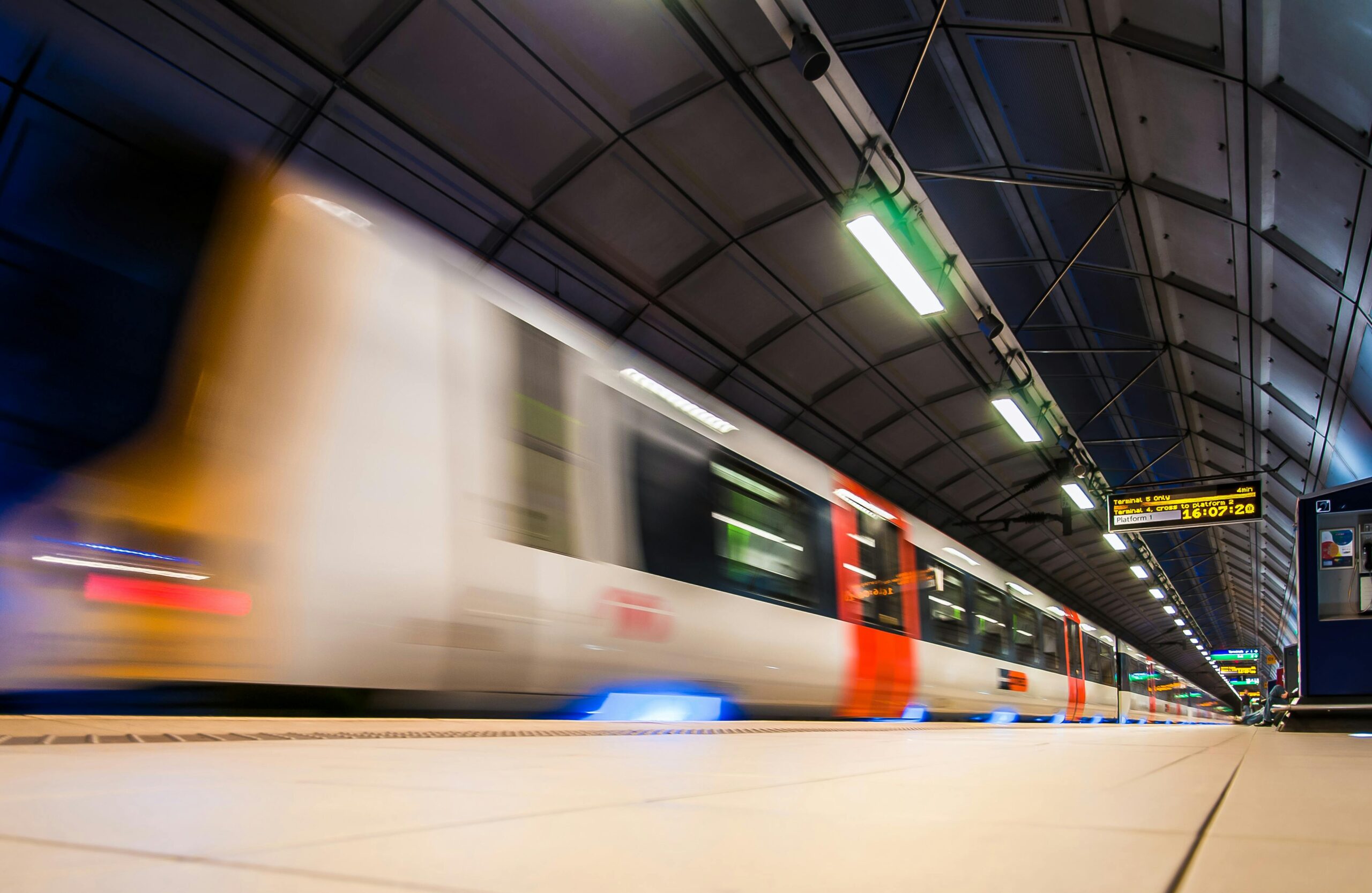
Choose it for the Duomo, Piazza della Repubblica, Via de’ Cerretani, Piazza Santa Maria Novella, Ponte Vecchio, the Uffizi and hotels in the central pedestrian streets. For the Duomo, the simple walking line is Piazza della Stazione, Via Panzani, Via de’ Cerretani and then Piazza del Duomo. There is no reason to take a bus for that short central leg unless mobility or luggage makes walking difficult.
The station taxi rank is also on Piazza della Stazione. Go to the marked taxi queue rather than accepting an unsolicited ride from somebody approaching passengers inside or immediately outside the building. For more detail on ranks, booking and local taxi rules, see our Florence taxi guide.
A useful orientation trick
If you walk out through the main atrium and realise you chose the wrong side, there is no disaster to undo. With the station behind you, head to the right around the building for Via Alamanni. Go the other way around the station side for Piazza Adua. Walking outside is normally simpler than going back through the station and its controlled platform area.
Use Via Alamanni for the airport tram
The Via Alamanni access opens directly toward one of the most useful tram stops in Florence: Alamanni – Stazione S.M.N. Both T1 and T2 serve the station area.
For Florence Airport, use the T2 toward Peretola Aeroporto. Alamanni is the straightforward station-side boarding point if you are starting the airport trip at SMN. Check the platform display before boarding, since the same stop handles trams in different directions.
Older Florence transport guides can cause trouble here. The T2 now runs between Peretola Airport and San Marco following the opening of the extension in January 2025. Unità is no longer the regular airport-tram stop that old instructions often describe. Around the railway station, the useful T2 stops are Alamanni and Valfonda. Current running times and service changes are published by GEST.
A standard Florence urban ticket currently costs €2 and is valid for 90 minutes in Florence, including the tram network. Current fares are listed by Autolinee Toscane. Make sure a paper or digital ticket is properly validated or activated using the method required by that ticket.
Via Alamanni is also the better side for hotels around Via della Scala, Via degli Orti Oricellari, Borgo Ognissanti and the streets toward Porta al Prato. If you expect to use trams repeatedly, our guide to getting around Florence on foot and by tram explains where the network is genuinely useful and where walking is faster.
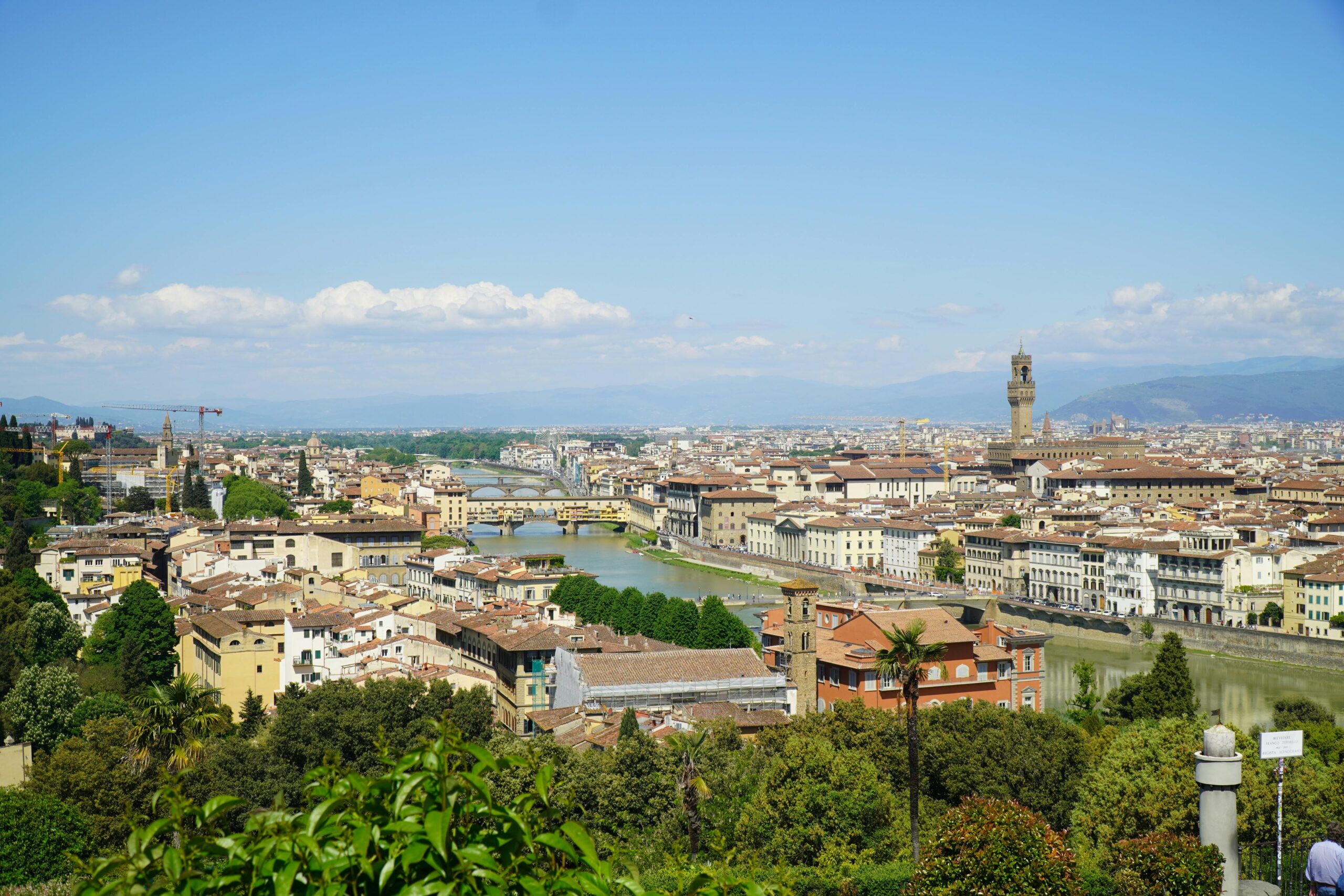
Use Piazza Adua for San Lorenzo, Mercato Centrale and the Fortezza
The Piazza Adua access is on the opposite side of the station from Via Alamanni. It saves a needless loop around the building if your accommodation or destination lies northeast of SMN.
It is a sensible choice for Via Faenza, Mercato Centrale, the San Lorenzo district, Palazzo dei Congressi and Fortezza da Basso. It also puts you closer to Valfonda – Stazione S.M.N., the other tram stop serving the station area.
If you are heading north on the tram network, check both the destination shown on the tram and the stop that your route planner specifies. Alamanni and Valfonda are on opposite sides of SMN but only a short walk apart, so choosing the wrong one is annoying rather than catastrophic.
The underground gallery is a shortcut, not the default exit
SMN has a piano interrato, or underground level, containing shops and pedestrian connections. One passage leads toward the beginning of Via Panzani, so it can be useful if you already know where it emerges or want to avoid some of the surface traffic around the station square.
With a large suitcase, stroller or several bags, the street-level atrium is usually easier. Do not descend simply because you see signs for a sottopassaggio. That word means underpass, not “main exit.”
Once your arrival logistics are sorted, you can build the rest of your Italy itinerary around the station-to-hotel walk instead of treating SMN as a separate transfer across Florence.
Montelungo is the special case behind platform 16
Piazzale Montelungo causes more missed buses than the ordinary station exits because it is not the main forecourt. It sits on the rear side of the railway complex beside the platform 16 area and serves an important Autolinee Toscane bus hub. Some private transfer and coach pickups also use this side.
If your bus ticket or transfer instructions specifically say Montelungo, do not walk out to the main taxi rank and assume the vehicle will find you. Follow signs toward Binario 16 and Montelungo, and ask station staff if a gate or pedestrian routing makes the path unclear.
Several regional and extra-urban routes currently use FIRENZE HUB Montelungo, including services toward parts of the Mugello and Valdarno. Departure points can change with individual routes and roadworks, so check the exact stop on the Autolinee Toscane journey information rather than relying on the phrase “Florence station.”
Do not confuse Montelungo with the Autostazione
Florence has another bus departure point very close to SMN: Autostazione Firenze on Via Santa Caterina da Siena. It is not Montelungo.
If your ticket says Autostazione Firenze, Santa Caterina or sometimes a nearby stop on Via degli Orti Oricellari, the Via Alamanni side is generally the convenient way out of the railway station. Regional departures, particularly toward Siena and other Tuscan destinations, do not all use the same curb, so read the departure stop as carefully as you read the departure time.
What to do as soon as you step off the train
- Follow Uscita toward the main concourse. At this terminus station, the principal exits are at the platform-head end.
- Read your hotel or transfer address before leaving. “Near Santa Maria Novella” can mean either side of a large railway building.
- Choose Piazza della Stazione for central Florence and taxis.
- Choose Via Alamanni for the airport tram and the western side.
- Choose Piazza Adua for San Lorenzo, Mercato Centrale and the Fortezza side.
- Only choose Montelungo when your bus or pickup instructions actually say Montelungo.
With luggage, strollers or reduced mobility
The main platform level at SMN is comparatively simple because this is a terminus station. RFI lists a step-free route, either level or by ramp, to every passenger platform and provides assistance for travelers with disabilities or reduced mobility. Current accessibility information and assistance arrangements are on the official RFI station page.
With wheeled luggage, favour a street-level exit on the side you actually need. A five-minute error on foot feels much longer when one suitcase wheel has decided Florence is its final destination. The underground gallery can be useful, but it should not be your automatic choice simply because it appears to lead toward the centre.
If you come out of the wrong exit
For Piazza della Stazione, Via Alamanni and Piazza Adua, recovery is easy: stay outside and walk around the station building to the correct side. Do not try to shortcut through the platform area unless station signs explicitly direct you that way. Access to the train area is controlled, and a valid travel ticket may be required at the gates.
If the mistake involves Montelungo, allow more time. It is on the platform 16 side rather than just another door beside the main façade. Likewise, if you are catching a regional bus, confirm whether your ticket says Montelungo, Autostazione Firenze, Via Orti Oricellari or another named stop before setting off.
For a late arrival, Piazza della Stazione is the useful default if you need an official taxi. If you are continuing by tram, head for Alamanni or Valfonda and check the live service before leaving the concourse. For a pre-booked transfer, use the pickup location supplied by the operator even if it sends you to Montelungo rather than the much more obvious main entrance.