A shop, bar, restaurant, taxi driver, hotel, or professional generally cannot invent a €5, €10, or €20 threshold before accepting a qualifying electronic payment. Under Italian law, card payment minimums in Italy are not a legal exemption: the sanction provision applies when a covered payment “of any amount” is refused. A genuine technical problem can be different. If a cashier says “cash only under €10,” ask once to pay electronically, offer another supported card if necessary, then decide whether paying cash or reporting the refusal makes more sense.
There is no legal €5, €10, or €20 minimum for paying by card
For ordinary sales and services, Italian law requires businesses and professionals to accept qualifying electronic payments. The rule is contained in Article 15 of Decree-Law 179/2012 and has been enforceable with specific penalties since June 30, 2022.
The important wording for travelers is di qualsiasi importo, meaning of any amount. A €1.30 espresso does not become cash-only simply because the merchant would prefer not to process a small transaction.
The law was also updated in 2026. From June 28, 2026, the wording expressly covers payment cards, including at least one debit and one credit card, as well as electronic-money instruments. The amendment and its effective date can be checked in the official Gazzetta Ufficiale.
If a covered electronic payment is refused, the merchant can face an administrative penalty of €30 plus 4% of the value of the refused transaction. That fine is paid by the merchant. It does not reduce your bill or create compensation for you.
What to say when the cashier points to a minimum-spend sign
You may still see handwritten signs such as:
- Pagamento con carta minimo €10 – Minimum €10 for card payment.
- POS minimo €5 – POS minimum €5.
- Sotto €10 solo contanti – Under €10, cash only.
- No carta per piccoli importi – No cards for small amounts.
You do not need to turn a €3 coffee into a courtroom drama. Start with a normal payment request:
“Posso pagare con carta, per favore?”
Can I pay by card, please?
If the answer is that the amount is too low, you can clarify:
“Non accettate la carta sotto i dieci euro?”
You don’t accept cards under ten euros?
That distinction matters. “Our machine has no connection” is potentially a technical issue. “We only take cards above €10” is a minimum-spend policy.
The shop does not have to accept every card you own
The payment obligation is broader than “cash only is fine,” but it does not mean every merchant must support every card brand, network, or foreign payment product.
The law refers to acceptance of at least one debit card and one credit card, alongside the newer provisions for electronic money. A shop that accepts common qualifying cards but does not accept your particular card is therefore a different situation from a shop refusing electronic payment altogether.
For example, if your first card is rejected, ask:
“Accettate Visa o Mastercard?”
Do you accept Visa or Mastercard?
If the merchant accepts one of those but not the card in your hand, try another card before assuming the shop is refusing payment illegally.
Your bank can also decline a perfectly legitimate transaction. If the terminal displays transazione negata, carta rifiutata, or a similar message, the problem may be authorization rather than the merchant. Try chip and PIN instead of contactless, use a second card, or check your banking app.
“The POS is broken” is the main exception travelers encounter
The statute contains an exception for oggettiva impossibilità tecnica, or objective technical impossibility. In practical terms, a real communications outage, terminal malfunction, or comparable technical failure may prevent an electronic payment even though the merchant normally accepts one.
A small transaction is not, by itself, a technical impossibility. Neither is the merchant disliking processing fees.
You usually cannot establish from the customer side whether a terminal really lost its connection. Instead of arguing over the hardware, ask a few practical questions:
- “Il POS non funziona?” – Is the card terminal not working?
- “Avete un altro POS?” – Do you have another terminal?
- “Posso provare un’altra carta?” – Can I try another card?
- “Posso pagare in un altro modo elettronico?” – Can I pay electronically another way?
Restaurants and hotels sometimes have more than one terminal. One device may have lost its connection while another at reception or a second till still works.
What if you have already eaten and the restaurant suddenly says cash only?
This is the situation where walking away is the worst solution. You still owe the bill even if the payment equipment has genuinely failed.
Ask the restaurant to try another terminal, another card, or another available electronic method. If nothing works, discuss a practical solution with the staff before leaving. That could mean using a nearby ATM or returning with cash if the restaurant agrees.
Do not simply leave because the card machine is down, and do not hand over your passport as informal collateral. Keep your identification with you.
If you need emergency cash, use an ATM attached to an established bank where possible. Choose to be charged in euros rather than accepting an ATM’s conversion into dollars, pounds, or another home currency. Our explanation of common Italy tourist payment traps covers dynamic currency conversion and other situations worth recognizing.
What if a café refuses a €2 or €3 card payment?
The amount does not create an exemption. If the terminal is functioning and the business refuses solely because your purchase is below its own minimum, you can either insist politely, pay cash for convenience, or report what happened.
Paying cash does not make the shop’s minimum-spend rule lawful. It simply may be the quickest solution when you have a train to catch and do not want to spend twenty minutes discussing a cappuccino.
Keeping €20 or €30 in small notes and coins is therefore useful even though electronic payment rights are much stronger than the “Italy is cash only” advice still repeated online.
What if a taxi driver says the terminal has stopped working?
Taxi services fall within the general category of paid services, although individual cities can have additional taxi regulations on top of the national payment rules.
If a driver announces a card problem before departure, ask whether another electronic method is available. If paying electronically is essential for you, resolve that before the journey starts rather than after arriving at the airport with two minutes to spare.
If the problem appears only when you reach your destination, ask the driver to try the terminal again or use another supported method. Keep the taxi number or licence details if you believe payment was deliberately refused.
How to report a refusal
If a merchant clearly refuses a qualifying electronic payment because the amount is “too small,” you can report the incident to the Guardia di Finanza, Italy’s financial police.
The official public-utility number is 117, available 24 hours a day. The Guardia di Finanza says the service accepts reports of irregularities and can arrange an intervention where appropriate. You can also make a report at a local Guardia di Finanza office. Details are on the official 117 information page.
If you intend to report the refusal, note:
- the business name and address;
- the approximate time;
- the amount you were trying to pay;
- what payment method you offered;
- what the merchant actually said;
- whether the merchant claimed a minimum amount or a technical failure.
If you completed the purchase another way, keep the scontrino or ricevuta, the receipt. It provides a useful record of the business, amount, and transaction time.
Do not confuse “Bancomat” with cash-only
Bancomat can be confusing in Italy because travelers often associate the word only with an ATM. At a checkout, however, staff may use bancomat to mean a debit-card payment or the Italian debit-card system.
If a cashier asks “Carta o bancomat?”, they are asking about how you want to pay electronically, not telling you to go withdraw cash.
An ATM itself is normally called a bancomat or sportello bancomat. Context does most of the work.
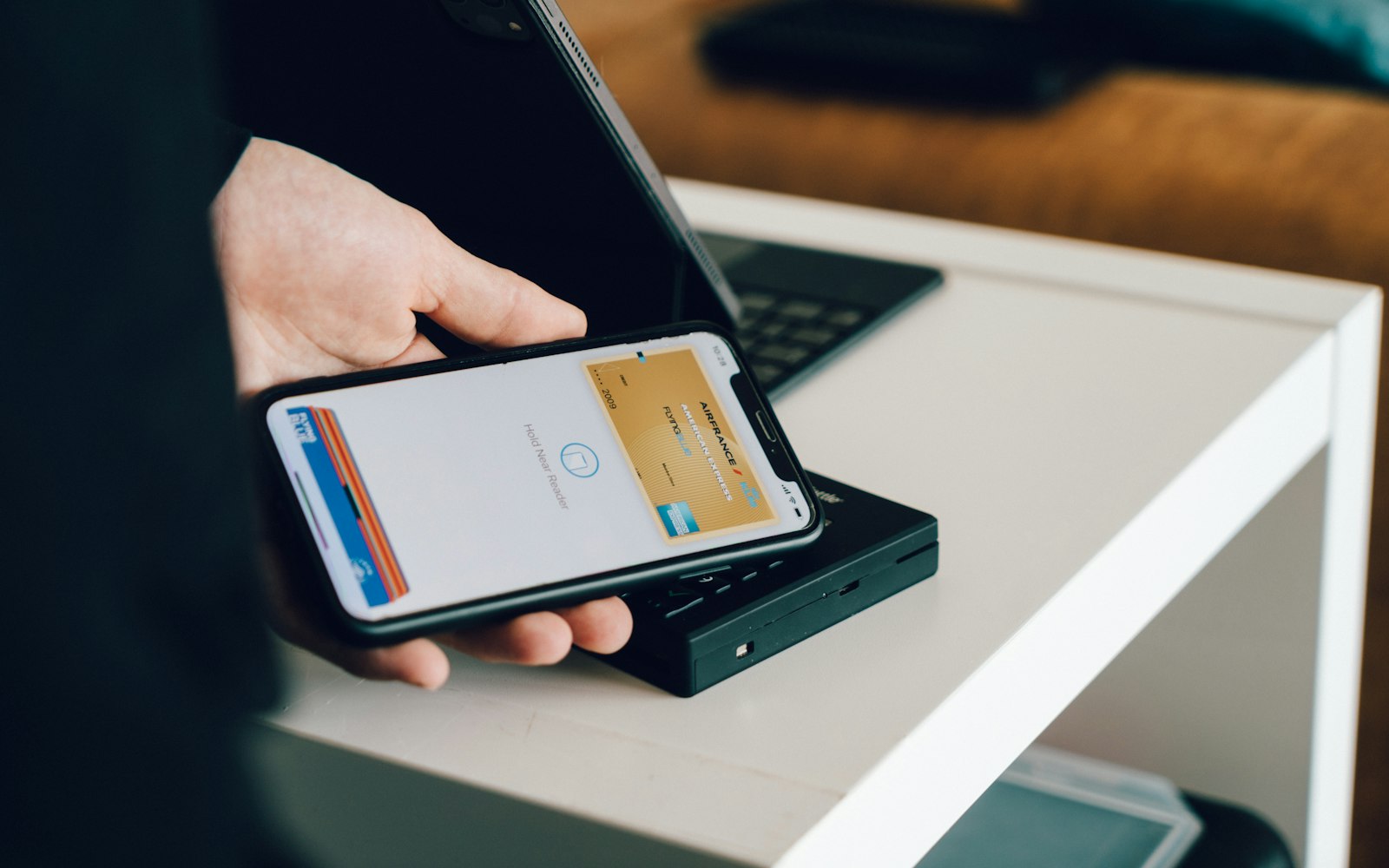
Mobile wallets do not guarantee that your underlying card will work
Italy’s 2026 changes expanded the statutory language around electronic-money instruments, but travelers should not interpret that as a guarantee that every phone wallet or payment app must work on every terminal.
A mobile wallet frequently uses the underlying debit or credit card network. If the shop does not support that network, or your bank declines the transaction, tapping your phone instead of the physical card may produce the same result.
Carry at least two payment methods if possible, ideally cards from different issuers, plus a modest amount of euro cash. When coordinating trains, accommodation, attractions, and the rest of your spending, you can also organize the rest of your Italy trip in one place.
A simple decision rule at the counter
- The cashier says there is a €5, €10, or €20 minimum: ask to pay electronically anyway. A shop-created minimum is not the statutory threshold.
- Your particular card is not accepted: ask which cards are supported and try another one.
- The terminal rejects your card: try chip and PIN, a second card, or check with your bank.
- The merchant says the system is offline: ask whether another terminal or electronic method works. A genuine technical impossibility can matter legally.
- You want to avoid an argument: paying cash is perfectly reasonable if you have it, but it does not turn the merchant’s minimum-spend policy into a legal rule.
- The refusal appears deliberate and you want to report it: record the basic details, keep your receipt if there is one, and contact the Guardia di Finanza on 117.
The useful distinction is not “small purchase versus large purchase.” It is merchant-imposed minimum versus genuine technical problem. For an ordinary €2 coffee, €6 sandwich, €12 taxi ride, or €18 shop purchase, the price alone is not a lawful reason to refuse a covered electronic payment.