At many Italian petrol stations, the same fuel can have two different prices because one rate is for filling the car yourself and the other includes an attendant filling it for you. Self or self-service is normally the cheaper option; servito means attended service and can cost more per litre. The important thing is to choose the correct lane or pump before anyone starts dispensing fuel.
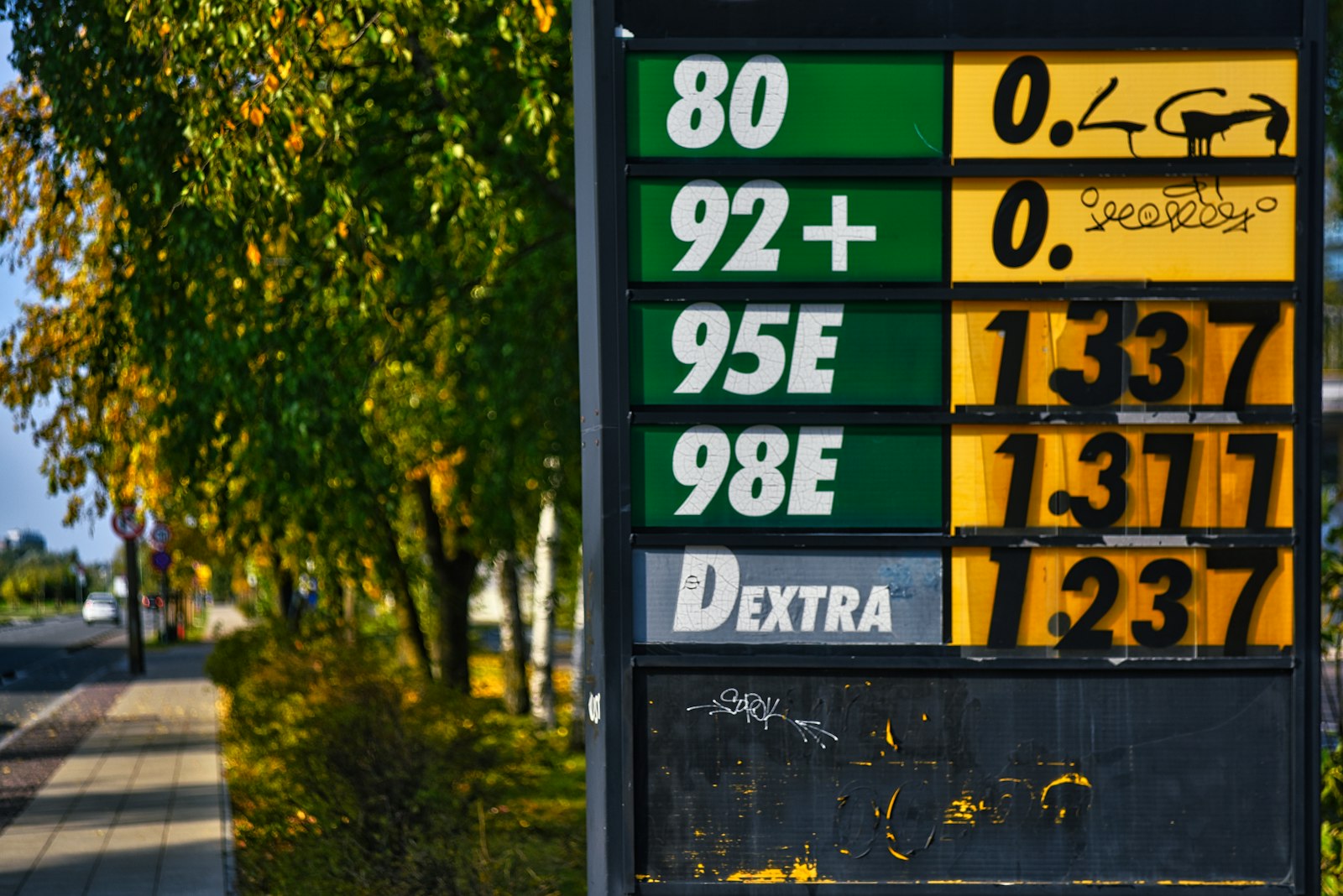
The distinction between servito vs self-service petrol in Italy is about how the fuel is delivered, not the grade of petrol. A higher servito price does not mean you are automatically buying premium fuel. You are paying the posted rate for the attended mode.
What “self” and “servito” mean at an Italian petrol station
The words you are most likely to see are:
- Self, self-service or fai da te: you operate the pump yourself.
- Servito: an attendant operates the pump for you.
- Benzina: petrol or gasoline.
- Gasolio: diesel.
- Il pieno: fill the tank.
Some stations have separate self and serviced pump islands. At others, the distinction is less physically obvious, especially when attendants are standing around the forecourt. Look at the label on the pump and the station’s price display rather than assuming that every nozzle for the same fuel has the same tariff.
The Italian Ministry’s fuel-price system formally distinguishes between self-service and serviced sales. Where self-service is available, official price reporting gives priority to that mode; a station selling only with attendants reports its serviced price instead.
Why servito costs more per litre
The extra cost is normally built into the price per litre. You do not usually receive a cheap fuel price followed by a separate attendant fee at the till.
Imagine a board showing:
- Benzina SELF: €1.899/l
- Benzina SERVITO: €2.099/l
If you put 40 litres into the car, the difference is calculated across all 40 litres. That is why choosing the wrong lane can turn into a noticeably more expensive fill-up.
There is no single nationwide servito surcharge. The difference is set by the individual station and can be small, substantial, or occasionally nonexistent. Check the posted rates at that particular forecourt rather than relying on a rule of thumb.
How to make sure you get the self-service price
- Confirm the fuel first. Check the rental car’s fuel flap, key tag or rental paperwork. Do not choose a nozzle based only on its color because branding and pump designs vary.
- Read the price board. Look specifically for the column or row marked SELF.
- Pull up to a pump marked SELF or FAI DA TE. Do not stop in a servito-only lane simply because it is empty.
- Check the pump number. You may need it at a central payment machine.
- Follow the payment instructions. The station may use pay-at-pump, a separate automatic payment terminal, or another self-service arrangement.
- Select the correct fuel and fill the car yourself.
- Take the receipt if you need one. This is particularly sensible before returning a full-to-full rental car.
If an attendant walks over while you are standing at a self pump, you can simply say “Self, grazie” or “Faccio self, grazie”. Clarify before the attendant lifts the nozzle. Once fuel is being dispensed as attended service, do not assume the station can simply recalculate the transaction at the cheaper rate afterward.
How unattended self-service pumps work
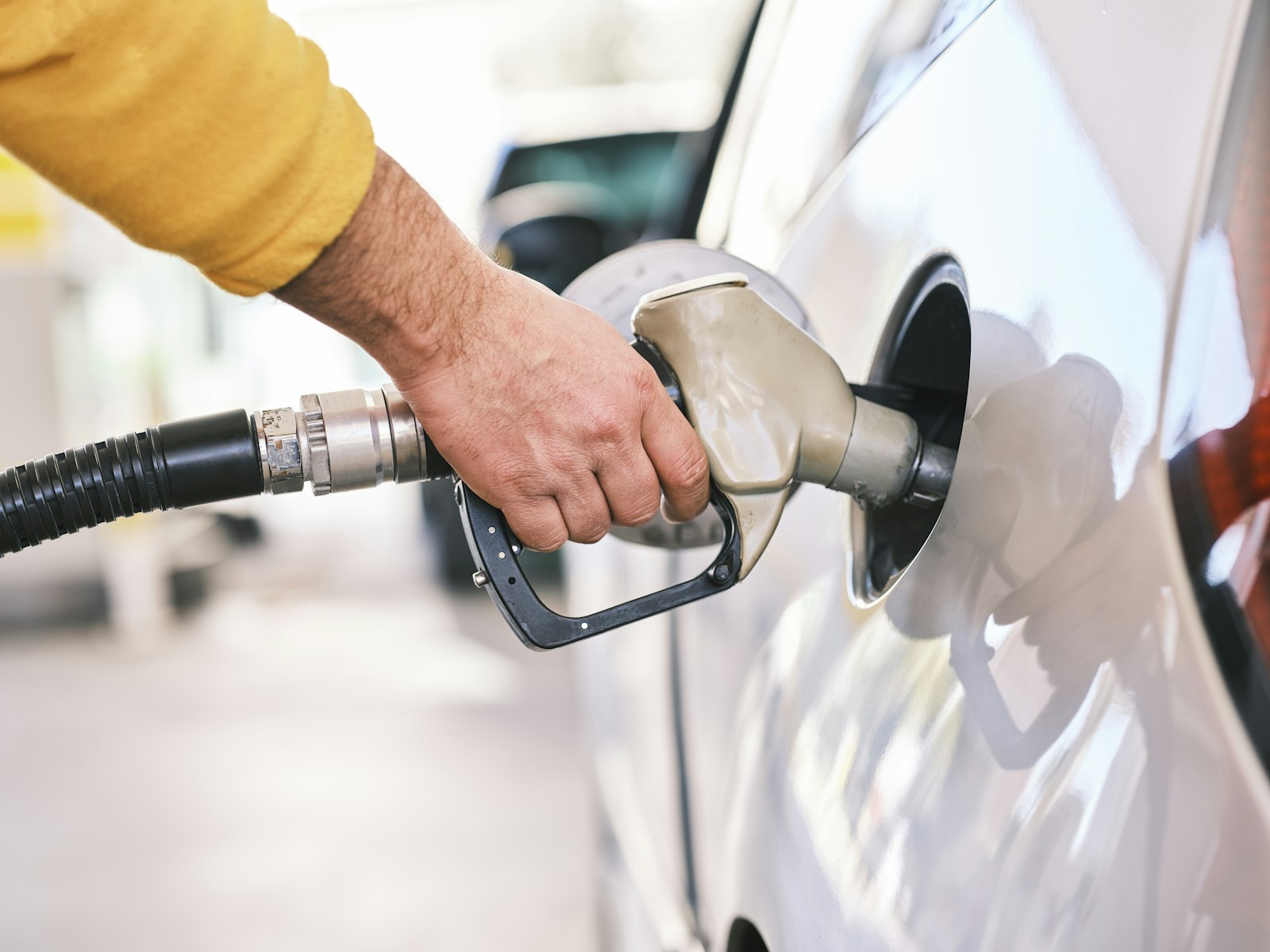
Italian stations often leave their automatic pumps operating when the staffed part of the forecourt is closed. This is common at night, during lunch closures, on Sundays and on holidays. Official guidance explicitly recognizes that self-service equipment can remain operational even when the staffed activity is considered closed.
Look for signs such as Self 24h, cassa automatica or pagamento anticipato. A typical setup works like this:
- Park beside the pump and note its number.
- Go to the automatic payment terminal if the pump does not have its own card reader.
- Choose or enter the pump number.
- Insert or tap your card, or follow the instructions for cash if cash is accepted.
- Return to the selected pump.
- Lift the correct nozzle and dispense the fuel.
- Replace the nozzle when finished and collect any receipt offered by the terminal.
Do not guess the pump number. If you authorize payment for pump 4 while your car is sitting at pump 6, correcting the mistake can be awkward when there is nobody working at the station.
Paying by card and temporary holds
At some automatic pumps, your card can show a temporary authorization larger than the amount of fuel you actually bought. The terminal has to establish that funds are available before it knows the final value of the fill-up. The completed transaction should ultimately reflect the fuel actually dispensed, while release of any temporary authorization depends on the payment system and your bank.
If you see a larger amount marked as pending, do not immediately assume you were charged that amount permanently. Keep the receipt and check again after the transaction settles. If the extra amount becomes a completed charge rather than a temporary hold, contact the card issuer and, where possible, the station operator.
Paying cash at an automatic machine
Some self-service terminals accept contanti or banconote, but the exact procedure varies. Read the screen before inserting a large note. If you see non dà resto, it means the machine does not give normal cash change. Other machines may have their own process for unused prepaid credit.
A card is often simpler for travelers, but having another payment method available is useful. An unattended terminal that refuses one foreign card at 11:30 p.m. is not an especially interesting place to learn how dependent you have become on that card.
What happens when you choose servito
For attended service, pull into the lane or pump marked SERVITO and tell the attendant what you want. Useful phrases include:
- “Benzina, il pieno, per favore.” Petrol, fill it up please.
- “Gasolio, il pieno, per favore.” Diesel, fill it up please.
- “Benzina, cinquanta euro, per favore.” Fifty euros of petrol, please.
The attendant fills the car and you pay according to that station’s setup, which may mean paying the attendant, using a portable card terminal, or going to the cashier.
Ordinary filling service does not normally require an additional tip. The important extra cost is already visible in the servito price per litre.
Do not confuse the station price with the “prezzo medio” sign
Another set of numbers can appear at Italian filling stations: prezzo medio, meaning average price. This is a reference figure required under Italy’s fuel-price transparency system, not necessarily the amount that particular station will charge you.
For petrol and diesel, the Ministry’s published average figures are calculated using self-service prices. Stations outside motorways use the relevant regional or autonomous-province average, while motorway stations use the national motorway average. The sign should identify the numbers as average prices.
To find the actual amount you will pay, look for the station’s own price display and the labels identifying SELF and SERVITO. You can also compare reported station prices through the Ministry’s Osservaprezzi Carburanti service.
Servito can disappear after staffed hours
A forecourt that offered both options during the afternoon may become self-service only after the attendant leaves. The lights can still be on and the pumps can still work even though the shop, cashier and serviced lanes are closed.
This matters if you deliberately wanted help, perhaps because of reduced mobility, unfamiliarity with the pump or simply dreadful weather. Do not assume a 24-hour petrol station means 24-hour attended service.
For a late-night rental-car return, allow enough time to find another station if the first automatic terminal rejects your card. Refuelling five minutes before the rental desk closes leaves very little room for payment-terminal drama.
Servito can be useful even when it costs more
The cheaper rate is not always the best choice. Serviced filling can make sense if:
- you have reduced mobility or difficulty operating the pump;
- you are unsure how a particular forecourt’s payment system works;
- you are managing young children and would rather minimize time outside the car;
- your payment card is failing at the unattended terminal;
- you need to ask an attendant to confirm the correct fuel before filling.
The premium is then buying a useful service. The mistake is paying it accidentally because you read only the biggest number on the roadside sign.
What about GPL and methane?
Do not assume that the self-service routine for ordinary petrol and diesel automatically applies to GPL or metano. Station equipment, operating procedures and available service modes differ. Follow the instructions at the specific pump and use attendant service when the station requires it.
The Ministry’s current average-price tables, for example, classify petrol and diesel averages under SELF while GPL and methane averages are shown under SERVITO. That does not mean every alternative-fuel station works identically, so the signs at the forecourt remain the deciding factor.
If you are refuelling a rental car before return
Check the rental agreement for the required fuel level and type, then refuel reasonably close to the return location. Keep the receipt, especially with a full-to-full policy. It gives you a record of when and where the tank was filled if there is later disagreement about the fuel gauge.
If you are still arranging the vehicle itself, the Italy on Foot car rental guide covers pickup, fuel policies and other driving details worth checking before accepting the keys.
For a longer driving trip, it also helps to organize the rest of your Italy route before setting off so petrol stops, rental returns and city transport are not all being improvised on the same afternoon.
Common mistakes and how to recover
You pulled into the servito lane but have not started filling
Tell the attendant you want self-service and ask where to move: “Vorrei fare self. Dove devo andare?” If necessary, drive to another pump before any fuel is dispensed.
The attendant has already started filling
Check the pump display and the posted servito rate. Do not expect the lower self-service price simply because you originally intended to fill the car yourself.
The self-service machine rejects your card
Try another payment card if you have one, check whether the terminal accepts your card network, or use a staffed station. Repeatedly attempting the same card can create several pending authorizations without solving the problem.
You see two or three different prices and cannot tell which is yours
Ignore any board explicitly marked prezzo medio when determining the transaction price. Find the station’s own petrol or diesel rate and then match it to SELF or SERVITO.
You cannot remember whether the rental takes petrol or diesel
Do not guess. Stop before inserting a nozzle and check the fuel flap, rental paperwork or vehicle information. Benzina and gasolio are different fuels; self and servito merely describe who puts that fuel into the tank.