Rome’s main visitor catacombs do not share one convenient transport stop. For Rome catacombs by bus, the names to remember are Catacombe S. Callisto for San Callisto, Basilica S. Sebastiano for San Sebastiano, Odescalchi/Bompiani or Navigatori for Domitilla, Priscilla for Priscilla, and Nomentana/S. Agnese for Sant’Agnese.
The stop name matters more than the attraction pin on your map. Several catacombs lie close together geographically, but the useful bus routes approach them from different roads. The 118 is especially important on the Appian Way, while Domitilla, Priscilla and Sant’Agnese are better reached on completely different lines.
Quick reference: catacomb, bus and stop
- San Callisto: bus 118, get off at Catacombe S. Callisto.
- San Sebastiano: buses 118 or 660, get off at Basilica S. Sebastiano.
- Domitilla: bus 716 to Odescalchi/Bompiani for the closest stop, or bus 714 to Navigatori for the straightforward ride from Termini.
- Priscilla: buses 310, 92 or 63, get off at Priscilla.
- Sant’Agnese: buses 66 or 82, get off at Nomentana/S. Agnese.
The Pontifical Commission for Sacred Archaeology lists additional catacombs open to visitors in Rome, including San Pancrazio and Santi Marcellino e Pietro. The five above are the ones most travelers are choosing between when arranging a conventional sightseeing visit.
San Callisto: get off at Catacombe S. Callisto
Best bus: 118
Correct stop: Catacombe S. Callisto
Address: Via Appia Antica 110
For San Callisto, the 118 is the bus that gets closest to the visitor entrance without an additional substantial walk. The official San Callisto directions tell passengers coming through central Rome to take Metro B to Colosseo or Circo Massimo, then use the 118 in the direction shown as Appia/Villa Dei Quintili.
If you change at Circo Massimo, do not stand outside the metro entrance looking for a pole marked simply “118.” The relevant surface stop is Terme Caracalla/Porta Capena, on the road heading toward the Baths of Caracalla. Check the destination display before boarding.
Once on the 118, watch the stop sequence. Catacombe S. Callisto comes before Basilica S. Sebastiano when traveling outward along this section of the Appian Way. Press the stop-request button after the preceding stop rather than waiting until the bus is already beside the entrance.
There are alternatives. Bus 218 can take you to Fosse Ardeatine, while the 660 can take you to Appia Pignatelli/Appia Antica, but both leave more walking. The 118 is normally the cleaner choice from the historic center.
San Callisto currently requires online reservations for visits and is regularly closed on Wednesdays. Check the site’s booking information before setting off. For more detail on the site itself, see our guide to the Catacombs of San Callisto.
San Sebastiano: get off at Basilica S. Sebastiano
Best buses: 118 or 660
Correct stop: Basilica S. Sebastiano
Address: Via Appia Antica 136
San Sebastiano has one of the easiest stops to recognize because both useful buses serve the same named stop. The Appia Antica archaeological park lists Basilica S. Sebastiano for both routes 118 and 660.
Choose the 118 if you are coming from Colosseo, Circo Massimo or another convenient point on its central route. Choose the 660 if Metro A works better for you: take the metro to Arco di Travertino, then board the 660.
The bus stop is beside the basilica and catacomb complex, so there is no mystery final walk through residential streets. Look for the basilica frontage and signs for Catacombe di San Sebastiano.
The return journey deserves more attention. Route 118 operates as a loop, and a bus departing this section can continue farther along the Appian Way before turning back toward central Rome. If your goal after the visit is simply Metro A, the 660 back toward Arco di Travertino is often easier to understand. Check the live route before boarding rather than assuming every 118 immediately heads for the Colosseum.
San Sebastiano’s official visitor information currently lists Monday as the regular weekly closing day.
Domitilla: Odescalchi/Bompiani is closest, Navigatori is easiest from Termini
Closest useful stop: Odescalchi/Bompiani on bus 716
Simple option from Termini: Navigatori on bus 714
Address: Via delle Sette Chiese 282
Domitilla is where the distinction between “closest stop” and “easiest journey” really matters.
The Appia Antica archaeological park lists bus 716 to Odescalchi/Bompiani as the closest regular bus option. This is useful if you are approaching from the Piramide or Garbatella side of Rome. From the stop, continue toward Largo Bompiani and Via delle Sette Chiese.
From Termini, however, the official Domitilla directions recommend bus 714 to Piazza dei Navigatori. After leaving the bus, cross the broad Via Cristoforo Colombo at the traffic lights, then walk along Via delle Sette Chiese for about ten minutes to number 282. Do not try to save thirty seconds by crossing Colombo wherever the bus happens to leave you. It is a large, fast road and the controlled crossing is there for a reason.
Bus 30 also serves Navigatori from the central area. On Sundays and public holidays the Domitilla site currently directs travelers using that connection to route 130F instead. Because Sunday and holiday service changes are particularly easy to miss, check the official Domitilla transport directions on the day you travel.
Bus 218 to Fosse Ardeatine is another possible approach, but it is not usually the first choice when the 714 or 716 fits your starting point.
If this visit is one part of a fuller day across the city, you can organize the rest of your Rome route around the catacomb booking time rather than trying to squeeze a fixed underground tour between two optimistic bus connections.
Priscilla: the stop is simply called Priscilla
Useful buses: 310, 92 and 63
Correct stop: Priscilla
Address: Via Salaria 430
Priscilla is northeast of the historic center, nowhere near the Appian Way catacombs. A common mistake is to see several catacomb attractions on a Rome map and assume the 118 is the general catacomb service. It is not.
From Termini, the official Priscilla directions give two useful one-bus choices:
- 310 toward Piazza Vescovio, then get off at Priscilla.
- 92 toward Marliana, then get off at Priscilla.
From parts of the historic center, bus 63 toward Rossellini also serves the Priscilla stop.
There is a good rail backup when traffic is slow. Take Metro B1 toward Jonio to S. Agnese/Annibaliano, then walk to Via Salaria 430. The catacomb’s official directions estimate about 15 minutes on foot from the metro.
Do not confuse Priscilla with Sant’Agnese. They are both in the northeastern part of Rome and can appear fairly close on a small map, but they have different entrances and different useful bus stops.
Current 2026 warning: the Priscilla site lists a seasonal closure from August 17 through August 31, 2026. Its regular weekly closing day is Monday. Check the official page for your date before making the trip.
Sant’Agnese: use Nomentana/S. Agnese
Useful buses: 66 or 82
Correct stop: Nomentana/S. Agnese
Address: Via Nomentana 349
The catacomb of Sant’Agnese is part of the monumental complex of Sant’Agnese fuori le Mura on Via Nomentana. From Termini, buses 66 and 82 serve Nomentana/S. Agnese, the stop to watch for.
Once off the bus, head for the entrance to the Sant’Agnese complex at Via Nomentana 349. Via Nomentana is a busy arterial road, so first work out which side of it you are on rather than following a phone arrow straight across traffic.
Metro B1 to S. Agnese/Annibaliano is a useful alternative when road traffic is poor. From the metro, the church and catacomb complex are a short walk away.
Also watch the full name. Sant’Agnese fuori le Mura on Via Nomentana is the complex associated with the catacomb. Sant’Agnese in Agone is the church on Piazza Navona and is a completely different place.
Which route should you choose from central Rome?
- San Callisto: take the 118 if you can conveniently reach Colosseo or Circo Massimo.
- San Sebastiano: use the 118 from the central area, or Metro A plus the 660 from Arco di Travertino.
- Domitilla: take the 714 from Termini when simplicity matters; use the 716 when its route suits you and you want the shorter final walk.
- Priscilla: the 310 is particularly straightforward from Termini, with the 92 as another direct option.
- Sant’Agnese: use 66 or 82 from Termini, or switch to Metro B1 if buses are badly delayed.
Bus words and abbreviations worth recognizing
Rome’s stop poles and route displays often abbreviate names. A few terms make these journeys considerably less cryptic:
- Fermata: bus stop.
- Capolinea: terminus, the beginning or end of a route.
- Direzione: direction.
- S.: usually an abbreviation for San, Santa or Santo in a stop name.
- P.za: Piazza.
- Chiuso: closed.
- Prenotazione: reservation.
Do not reject the correct stop because your phone spells the attraction in full while the pole says something abbreviated such as Catacombe S. Callisto.
Tickets: validate before the catacombs become the least of your problems
ATAC’s standard BIT ticket currently costs €1.50 and is valid for 100 minutes from its first validation. If you are using a paper ticket, validate it at the start of the journey and keep it until the trip is finished.
Contactless Tap & Go works on ATAC surface services. ATAC instructs passengers to tap again whenever they change vehicle; another tap made within the ticket’s validity does not itself mean another fare. Keep using the same physical card or the same phone/watch throughout the journey. Starting with a plastic card and then tapping the virtual version of that card on your phone can prevent the system from treating the taps as the same journey.
One contactless card or device cannot be used to pay simultaneously for another person traveling with you. Each passenger needs their own valid method of payment or ticket.
For a broader explanation of buses, metro connections and ticket habits, see our guide to getting around Rome.
Use live arrivals, not yesterday’s screenshot
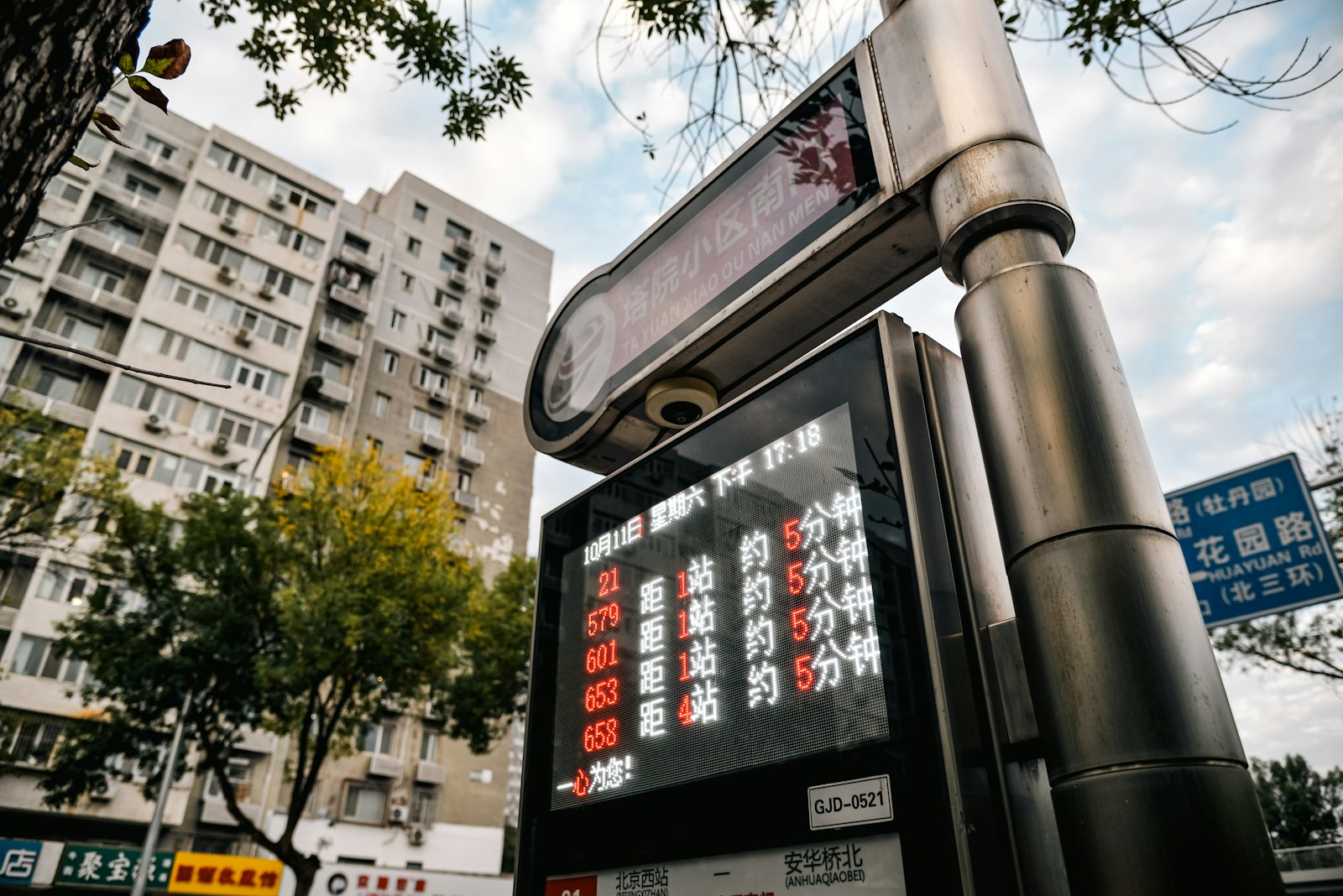
Catacomb buses are ordinary city services. Roadworks, events, Sunday traffic restrictions and temporary diversions can change where a bus actually runs even when the numbered route itself still exists.
ATAC’s official Roma app provides journey planning, service information and live arrival predictions. Before leaving the center, check both the line number and the named stop. This is particularly useful for the 118 because its circular routing is less intuitive than a simple bus running back and forth between two termini.
If you miss your stop
On the 118, San Callisto and San Sebastiano are close enough in the stop sequence that missing one can quickly put you beside the other. Do not stay aboard indefinitely assuming the bus will reverse direction immediately. Get off at a safe stop, check the live route, and decide whether walking back or waiting for another connection makes more sense.
For Domitilla, missing Navigatori can be more annoying because the attraction is not visible from the main road. Get off at the next practical stop and recalculate rather than trying to walk back along the edge of Via Cristoforo Colombo.
If a bus stop pole has a notice beginning with fermata temporaneamente soppressa, the stop is temporarily suspended. Look for wording such as fermata provvisoria for the replacement stop, or check ATAC’s live service information.
Allow for the guided-tour appointment, not just the bus ride
Catacomb visits are generally controlled underground visits rather than attractions where you can wander in whenever you reach the door. San Callisto currently requires online reservations, while other sites operate guided visits with their own entry arrangements.
That makes a ten-minute bus delay more consequential than it would be for an ordinary church visit. Avoid booking two timed attractions back to back with only the journey planner’s theoretical travel time between them. Leave room for waiting, the final walk, finding the entrance and checking in.
The underground spaces also involve stairs, confined passages and uneven surfaces. A bus dropping you at the gate does not make the actual visit step-free. Travelers with reduced mobility should ask the individual catacomb about the accessible portion of its current visitor route before traveling. The same applies to strollers and bulky luggage: storage and underground access arrangements vary by site, so do not assume a large bag or stroller can simply accompany you below ground.
The simplest two-catacomb combination
San Callisto and San Sebastiano are the easiest pair to understand from a transport point of view because the 118 serves both, with Catacombe S. Callisto and Basilica S. Sebastiano appearing close together in the route sequence. That does not automatically make them a sensible same-day booking, since weekly closures, tour languages and available entry times differ.
Check the two reservation calendars first, then build the transport around confirmed entry times. For every other pairing, treat the second catacomb as a separate cross-city journey rather than assuming there will be a convenient bus running directly between the two entrances.