The two bus labels that matter most are CD and CS. Both circle Ischia, but in opposite directions. From Ischia Porto, CD heads first toward Barano and the south side, while CS heads first toward Casamicciola, Lacco Ameno and Forio. Choosing the wrong one may still get you there, but after a surprisingly long lap. For most visitors, understanding Ischia bus routes is mainly about choosing the correct direction, ticket type and stop before boarding.
EAV operates the island network. Since the 2025 renumbering, its official timetables identify CD as 197 CD and CS as 198 CS. Bus displays can therefore show a three-digit route code as well as the familiar line description. Do not assume you are looking at the wrong bus because you expected only two letters.
CD and CS are the same circuit in opposite directions
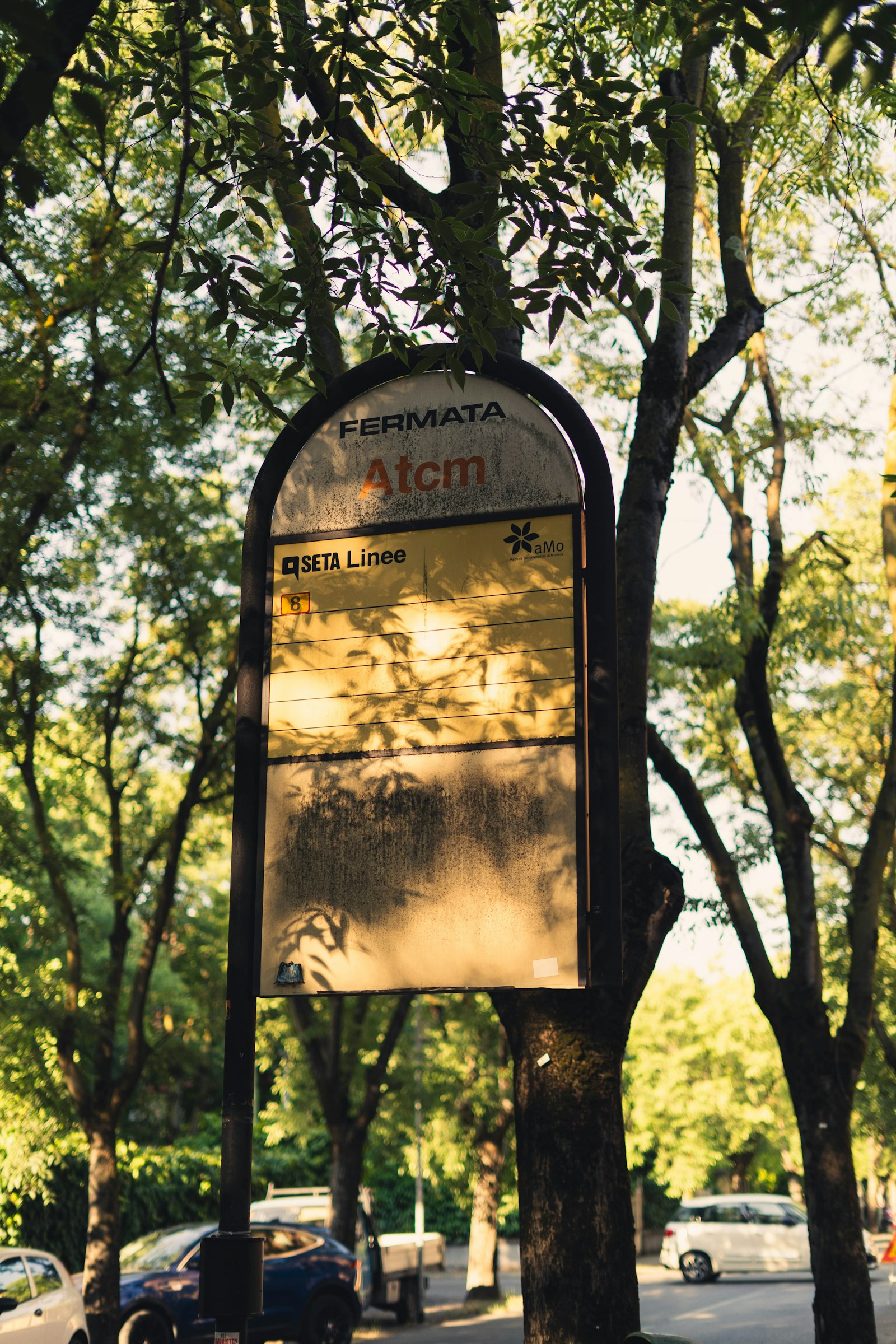
CD means Circolare Destra, or right-hand circular. CS means Circolare Sinistra, or left-hand circular. The words refer to the direction around the island network, not to which side of the road the bus uses.
From the main Ischia Porto terminus at Capolinea Piazzale Trieste, the current routes run roughly like this:
- 197 CD: Ischia Porto → Pilastri → Barano → Buonopane → Fontana → Serrara → Panza/Succhivo → Cava Grado → Forio → Lacco Ameno → Casamicciola → Ischia Porto.
- 198 CS: Ischia Porto → Casamicciola → Lacco Ameno → Forio → Panza/Succhivo → Cava Grado → Serrara → Fontana → Buonopane → Barano → Pilastri → Ischia Porto.
The official EAV Ischia timetable page has individual PDFs for both circles, including every listed stop rather than only the main towns.
Which direction should you take from Ischia Porto?
The simplest rule is to look at which side of the island your destination reaches first.
- Casamicciola: choose CS.
- Lacco Ameno: choose CS.
- Forio: normally choose CS.
- Barano: choose CD.
- Buonopane: choose CD.
- Fontana and Serrara: normally choose CD.
- Panza, Succhivo and Cava Grado: check the next departure because both directions reach this part of the island.
Forio is a good example of why the letters matter. Current scheduled running times put a typical Ischia Porto to Forio journey at roughly 25 minutes when you head through Casamicciola and Lacco Ameno on CS. Taking CD sends you around Barano, Fontana and Serrara first and can turn the same journey into something closer to 70 minutes.
If you accidentally board the long-way bus, you do not necessarily need to panic and jump off. Both circles eventually reach most of the same major towns. If you have a single-ride ticket, staying on the bus may also be simpler because getting off and boarding another vehicle requires another single ticket. With a time-based or unlimited ticket, changing direction is easier.
From Casamicciola or Forio, reverse the logic
The same rule works when you are not starting at Ischia Porto. From Casamicciola, CD continues quickly toward Ischia Porto, while CS continues toward Lacco Ameno and Forio. From Forio, CD heads toward Lacco Ameno, Casamicciola and Ischia Porto; CS heads toward Panza, Serrara, Fontana and Barano.
This is particularly useful after arriving by ferry somewhere other than Ischia Porto. Check the direction of the next major town on the bus display rather than assuming every circular bus is interchangeable.
The Cava Grado section looks strange on the timetable for a reason
Both circular routes make a short out-and-back movement toward Cava Grado, the bus access area for Sant’Angelo. That is why places such as Succhivo and Panza can appear twice in the stop sequence.
For example, a bus may run Panza → Succhivo → Cava Grado and then return through Succhivo and Panza before continuing around the island. It has not restarted its route and you have not read the timetable incorrectly.
Sant’Angelo itself is pedestrianised. The public bus does not drive into the small harbour village, so check where your hotel actually expects you to get off. “Sant’Angelo” in accommodation directions may mean a stop above the pedestrian centre rather than a bus stop beside the waterfront.
Do not wait only for CD or CS
The circles are useful, but they are not the whole network. EAV also operates numbered routes serving particular towns, beaches and local branches. Following the network renumbering, you will see codes such as 171 for the former Line 1 and 172 for Line 2. EAV explains the change on its official Ischia numbering page.
This matters at Ischia Porto. Line 171 also runs west through Casamicciola, Lacco Ameno and Forio toward Cava Grado, while 172 follows the same side of the island toward Citara and Giardini Poseidon. If your destination is on that corridor, one of those buses may arrive before CS. There is little point watching a perfectly useful bus leave because its display did not contain the letters you memorised.
Use the destination text as well as the number. Look for Italian names such as Forio Porto, Casamicciola Piazza Marina, Fontana Parcheggio, Cava Grado and Ischia Porto.
What an island-wide ticket actually covers
Ischia has a specific EAV fare class for travel within the island. It applies regardless of which of Ischia’s municipalities you cross, so you do not need a more expensive ticket merely because a trip goes from Ischia town into Forio, Lacco Ameno or Serrara Fontana.
Just as importantly, these are EAV island tickets. “Island-wide” does not mean they include your ferry from Naples or Pozzuoli, and it does not turn the ticket into a mainland Naples metro or bus pass.
The currently published visitor fares are:
- Corsa singola: €1.70 for one bus ride.
- Orario 100 minuti: €2.10 for EAV travel within the 100-minute validity period.
- Corsa singola bought on board: €2.20.
- Giornaliero: €5.10 for unlimited eligible EAV bus journeys on the island until midnight.
- 3 giorni: €11.00 for three consecutive days beginning with the first day of use.
- Settimanale: €14.50 under the currently published fare table.
Fares can change, so check EAV’s current ticketing information before travelling if the price affects which product you buy.
Single ride or 100-minute ticket?
The €1.70 corsa singola is for one vehicle. You can ride that bus until you reach your stop, but once you get off the journey has ended.
The €2.10 orario product is more useful when a change of bus is likely. Its validity runs for 100 minutes from the first validation, which can make it worthwhile for a trip involving a local feeder line or for recovering after taking the wrong direction.
Do not confuse “100 minutes” with the scheduled duration of one particular bus. It is a ticket-validity period.
The daily ticket is not a 24-hour ticket
The giornaliero expires at 24:00 on the day it is first validated. If you first use it at 20:00, it does not continue until 20:00 the following evening. That makes a single or 100-minute fare a better choice for many late arrivals.
The day ticket becomes attractive quickly if you are making several separate journeys, for example hotel → beach → town → dinner → hotel. It also removes the nuisance of needing another single ticket every time you change your mind about where to stop.
If Ischia is one part of a larger multi-city trip, you can build your Italy itinerary around ferry days and onward connections rather than treating each transport leg separately.
Where to buy tickets and what not to rely on
At Ischia Porto, the main bus terminus and ticket facilities are around Piazzale Trieste, beside the port area. Tickets are also sold through authorised shops such as participating tabacchi and other EAV retailers.
EAV also supports smartphone ticket purchases through the GoEAV app. Buying electronically can be useful when arriving after ticket offices or shops have closed.
Although an on-board single fare is published, buying from the driver should be your backup rather than the plan. Have a valid ticket ready before boarding whenever possible, particularly in summer when buses and stops can be crowded.
Do not assume you can simply tap a bank card because you used contactless transport in Naples, Rome or Milan. EAV’s current Tap&Go system lists selected rail and metro services, not the Ischia bus network. Use an actual island bus ticket or supported mobile ticket.
Validate the ticket, even though you have already paid for it
Buying and validating are separate steps. Paper tickets must be validated as required when you begin travelling. EAV’s current rules require unlimited-use products such as daily tickets to be validated on each vehicle used, while single and time-based tickets follow their own validity rules from the initial validation.
If the onboard validator is not working, EAV’s published instructions require manual validation. For a paper ticket, write the required date and time, and where specified the line, on the ticket rather than carrying an apparently unused ticket and hoping an inspector will accept the explanation.
Keep the ticket until you have left the bus. Some passes also require passenger details to be completed, and you may need identification during an inspection. For the broader distinction between buying and activating tickets elsewhere in the country, see our guide to bus ticket validation in Italy.
How to read the current EAV timetable
Do not copy a departure time from an old hotel noticeboard and assume it is permanent. Ischia services change seasonally. EAV’s current CD and CS PDFs have been in force since the summer timetable change of 6 July 2026, and the operator publishes revised PDFs when service patterns change.
On the current circular timetables, Ord is defined as service operating every day. Other island routes can have additional service codes and exceptions, so always read the legend at the bottom of the operator’s PDF. If unfamiliar Italian calendar terminology appears on another timetable, our explanation of Italian bus timetable labels covers terms such as feriale, festivo and scolastico.
EAV also warns that individual runs can be modified or cancelled, so a timetable should not be treated like a guaranteed ferry connection. When returning for a boat to Naples, aim for an earlier bus than the last one that could theoretically make your sailing.
Late-night buses are seasonal
The summer CD and CS schedules extend well beyond midnight, with late departures from Ischia Porto listed into the early hours. That can make a late dinner or late ferry arrival manageable without a taxi.
Do not build a winter or shoulder-season plan around those summer times. Check the EAV page again on your actual travel date. A late-night service that exists in August can disappear or run differently after the seasonal timetable changes.
Luggage, children and accessibility
EAV’s bus conditions explicitly allow a small piece of hand luggage free of charge as long as it does not obstruct or disturb other passengers. These are ordinary public buses, not airport coaches with guaranteed luggage compartments. A full-size suitcase can become awkward very quickly on a packed circular service, so keep it close, keep aisles and doors clear, and consider avoiding peak beach-return periods for a hotel transfer.
For children, EAV’s published conditions allow one child under six per paying adult to travel free if the child does not occupy a seat, with proof of age when required. Strollers are carried free, with EAV requiring them to be kept as compact and secure as possible during travel.
Passengers who need step-free boarding should look at the accessibility markings in the specific timetable. The CD and CS documents identify services operated with ramp-equipped buses. Do not assume that every departure uses the same vehicle merely because the route itself appears accessible.
Small mistakes that turn into long rides
- Boarding CD for Forio from Ischia Porto without checking the direction: you will probably still reach Forio, but after travelling around most of the other side of the island.
- Ignoring three-digit route numbers: 197 and 198 are the official codes for the familiar CD and CS circles, while 171, 172 and other numbered services may also suit your trip.
- Thinking a single ticket permits transfers: once you leave that bus, the single ride is finished.
- Treating the day pass as valid for 24 hours: it ends at midnight.
- Assuming an island pass includes the ferry: it does not.
- Waiting for one particular route while other useful buses depart: check the destination display and the complete EAV stop list.
- Using an old timetable screenshot: the island switches schedules seasonally and individual services can be altered.
If you are unsure at a roadside stop, ask a simple destination question before boarding: “Per Forio?”, “Per Barano?” or “Per Ischia Porto?” is usually more useful than asking only whether the bus is CD or CS. On a circular network, the important question is not merely whether the bus goes there. It is how much of Ischia it plans to show you first.