Chiesa Nuova and Sponda are road-level stops used by Positano’s local Mobility Amalfi Coast buses as well as SITA coastal buses, while no public bus drives down to Spiaggia Grande or the ferry pier. The lowest practical road stop for the main beach is Piazza dei Mulini, followed by a downhill pedestrian walk. The simplest way to understand Positano internal bus stops is this: Sponda serves the eastern side, Chiesa Nuova the upper western side, and Piazza dei Mulini is the town-centre handoff for the beach.
The three places travelers usually mean
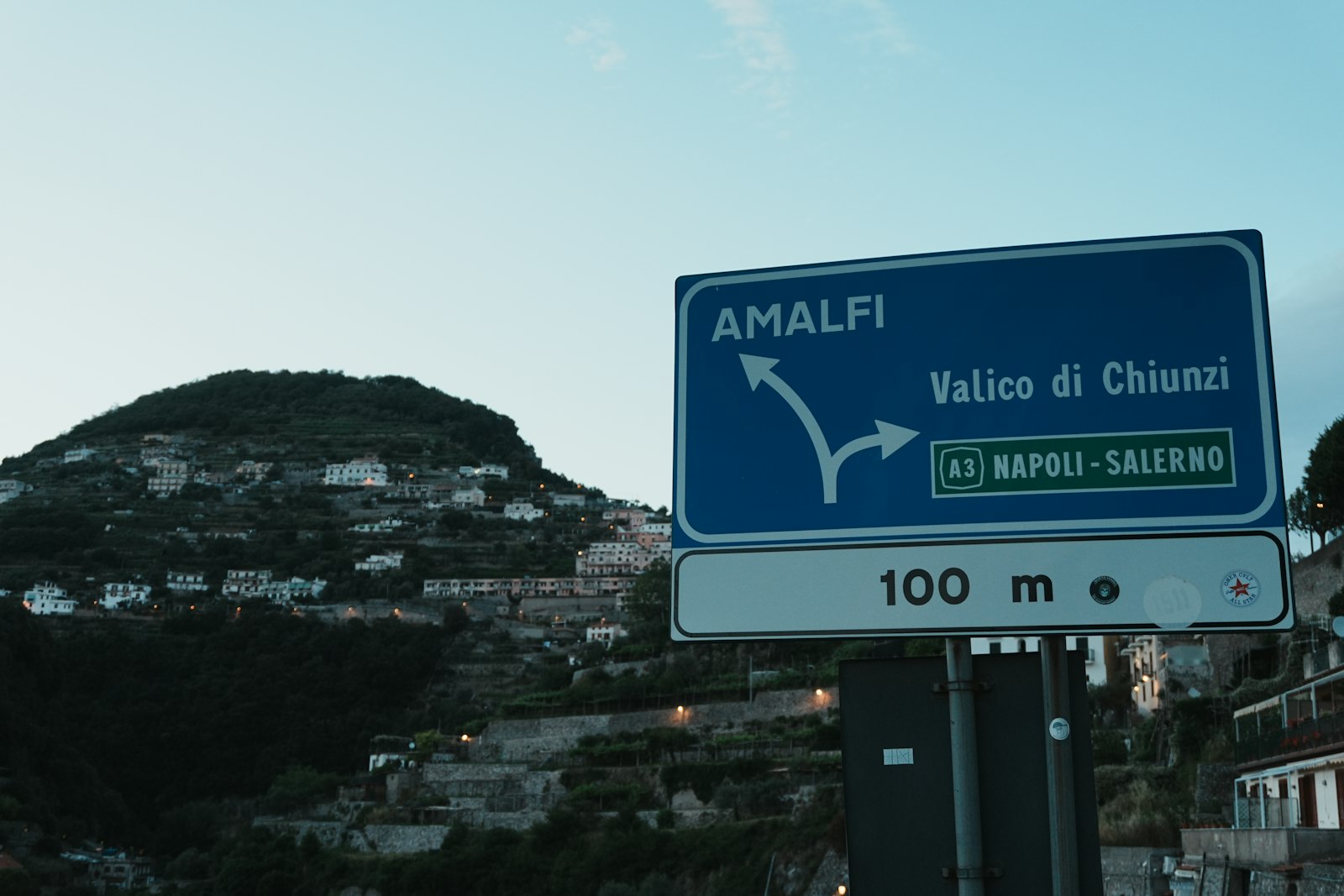
Positano is vertical enough that choosing the wrong stop can turn a short-looking journey into a long climb with stairs. These are not interchangeable points on a flat town map.
- Chiesa Nuova: high on the western side of town, around the top of Viale Pasitea. It is particularly useful for hotels and apartments in the upper part of Positano and for onward local buses toward Montepertuso and Nocelle.
- Sponda: on the eastern side of Positano along the main road, close to the upper end of Via Cristoforo Colombo. It is convenient for eastern hotels and for approaching the centre from the Amalfi side.
- Piazza dei Mulini: the central local-bus stop at the beginning of the pedestrian part of town. This is the stop to remember for Spiaggia Grande and the ferry port.
The important catch is that SITA buses do not descend to Piazza dei Mulini. The intercity buses stay on the main road around Positano and use Chiesa Nuova and Sponda instead.
Chiesa Nuova: the stop at the top of town
Chiesa Nuova is the main landmark stop for the upper western side of Positano. Bar Internazionale is a useful physical reference when asking directions, and accommodation owners in this part of town often describe their location as being near “Chiesa Nuova” or “Bar Internazionale.”
This is also one of the two important SITA stops. Coming from Sorrento toward Amalfi, Chiesa Nuova is normally the first major Positano stop. The bus then continues around the town toward Sponda. Coming from Amalfi toward Sorrento, the order is reversed: Sponda comes first, followed by Chiesa Nuova.
Choose Chiesa Nuova when your hotel is on upper Viale Pasitea, around the Chiesa Nuova district, or when your host specifically tells you to use Bar Internazionale as the landmark. It is also usually the more sensible interchange if you need a local bus toward Montepertuso or Nocelle.
Do not board at Chiesa Nuova based on the stop name alone
The local buses circulate through Positano rather than simply shuttling up and down the same road. There are stop positions around Chiesa Nuova serving different directions, and current timetables can show Chiesa Nuova more than once within a route sequence.
If you want to descend toward Viale Pasitea and the centre, ask the driver “Piazza dei Mulini?” or “Per il centro?” before boarding. If you need Montepertuso or Nocelle, say the destination instead. That ten-second check is much easier than discovering that your bus is heading around the opposite side of the hill.
Sponda: the eastern road stop
Sponda sits on Positano’s eastern side and is shared by local Mobility services and SITA. It is the useful stop for accommodation around the Sponda district, Via Cristoforo Colombo and the eastern approach to the centre.
For travelers arriving on a SITA bus from Amalfi, Sponda is the first major Positano stop. Travelers coming from Sorrento generally encounter Chiesa Nuova first and Sponda later.
Sponda can also look deceptively close to the beach on a map. It is certainly closer vertically than Chiesa Nuova, but you are still above the waterfront. Reaching Spiaggia Grande means continuing downhill on foot through the town.
Going from Sponda to Piazza dei Mulini
This is where the one-way nature of the local loop matters. The core local service leaves Piazza dei Mulini, reaches Sponda early in its circuit, then continues around the upper roads toward Chiesa Nuova before descending on the western side.
That means a bus you board at Sponda may appear to be going away from the centre before eventually coming back around. With a small bag and reasonable mobility, walking downhill from Sponda toward the centre can be quicker. With a suitcase, stroller or limited mobility, ask the driver where that particular bus will take you before committing to the loop.
There is no bus down to Spiaggia Grande
Positano’s ferry pier and Spiaggia Grande sit below the road network in a pedestrian area. No SITA or Mobility bus drops passengers beside the boats.
For the main beach, use Piazza dei Mulini as your practical road-level reference. From there, follow the pedestrian route downhill through the shopping lanes toward the Church of Santa Maria Assunta, Spiaggia Grande and the ferry pier. Allow roughly 10 to 15 minutes depending on crowds, luggage and walking speed.
You may see a roadside local stop labelled Spiaggia Grande in journey-planning apps. Do not interpret that name as a stop on the sand or at the ferry dock. It is still on the vehicle-accessible road above the waterfront.
Arriving by ferry
After stepping off a ferry, you must make the reverse journey uphill before you can board a bus. Follow the pedestrian route from the pier past the beach and through the centre to Piazza dei Mulini.
If your accommodation is high near Chiesa Nuova, carrying a large suitcase from the pier all the way uphill is rarely the appealing option. Walk only as far as the local transport pickup, use a porter service arranged with your accommodation, or take a taxi where road access begins. Confirm the best road stop with your hotel because two properties that look adjacent on a map can have entrances separated by a substantial staircase.
How the local Positano loop actually runs
The core Mobility Amalfi Coast urban service is commonly identified as the Positano or Interno Positano line. Current routing runs roughly:
- Piazza dei Mulini
- Sponda
- the outer road through upper Positano
- Chiesa Nuova
- down Viale Pasitea
- Fornillo-area road stops
- Terminal Prisco
This loop explains one of the most common mistakes in Positano: assuming the next bus always takes the shortest geographical route. It may have to circle the hillside first.
Separate Mobility services also run toward Montepertuso and Nocelle and between Positano and Praiano. Current journey planners may distinguish the operator’s routes with different colors, but a traveler should still check the destination or route name on the vehicle rather than boarding because the bus itself “looks local.”
Schedules change seasonally. The current late-summer service runs frequently and continues into the evening, but winter and shoulder-season timetables can be different. Check the current Positano local bus timetable rather than saving a screenshot months before your trip.
Local Mobility tickets are not the same as SITA tickets
Mobility Amalfi Coast operates Positano’s local services. SITA Sud operates the intercity buses connecting Positano with places such as Sorrento, Praiano and Amalfi. They are separate operators, even though they share stops at Chiesa Nuova and Sponda.
Under the current 2026 local fare structure, a Positano urban ticket costs €1.30 when bought before boarding and €1.80 when bought on the bus. A luggage ticket is currently €1.50 per piece. Buy advance tickets at shops displaying the Mobility Amalfi Coast ticket sign. Keep small cash available if you expect to purchase on board.
There is also a COSTIERASITA 24-hour option that includes Positano’s municipal Mobility service, useful if you are making several SITA and local-bus journeys on the same day. For intercity schedules, day-type codes and current fare rules, check SITA Sud’s current Amalfi Coast information.
Do not assume a basic SITA single ticket automatically covers a separate local ride. Likewise, a normal local Mobility ticket is not your fare to Sorrento or Amalfi.
What to do with luggage
The local vehicles are small because Positano’s roads are small. A carry-on is manageable outside the busiest periods. Several large suitcases for a family can become awkward very quickly, particularly when the bus already has standing passengers.
For a luggage-heavy arrival, choose your transfer based on the road entrance to your accommodation, not the building’s location on a map. Ask your host for the exact stop name before arrival. Useful questions include:
- Qual è la fermata più vicina? Which stop is closest?
- Ci sono scale dalla fermata? Are there stairs from the stop?
- Devo scendere a Chiesa Nuova o Sponda? Should I get off at Chiesa Nuova or Sponda?
If you are combining Positano with several other stops along the coast, you can organize the rest of your Italy route before deciding which connections are worth attempting with bags.
Piazza dei Mulini is the stop beachgoers need to remember
For a day at Spiaggia Grande, Piazza dei Mulini is more useful than memorizing every small roadside stop. It sits at the transition between road traffic and the pedestrian centre.
From Chiesa Nuova, take the local service continuing down through Viale Pasitea toward the lower town, confirming Piazza dei Mulini with the driver if you are uncertain. From the beach, walk uphill to Piazza dei Mulini and catch the local bus for the climb rather than attempting the whole ascent on foot.
If you are at Sponda already, compare the bus direction with the downhill walk. Because Sponda appears near the beginning of the local loop from Piazza dei Mulini, a bus from Sponda can make a substantial circuit before returning toward the western lower side.
Fornillo is a different beach problem
Do not confuse Spiaggia Grande with Fornillo. Local route data includes a stop called Spiaggia Fornillo, but that is a road stop serving the Fornillo area, not a bus pulling up beside the water.
Fornillo Beach itself is reached on foot. Depending on where you are staying, the coastal pedestrian path from Spiaggia Grande or stairs from the Fornillo side may make more sense than trying to match the beach name to a bus stop.
How to make sure the bus actually stops
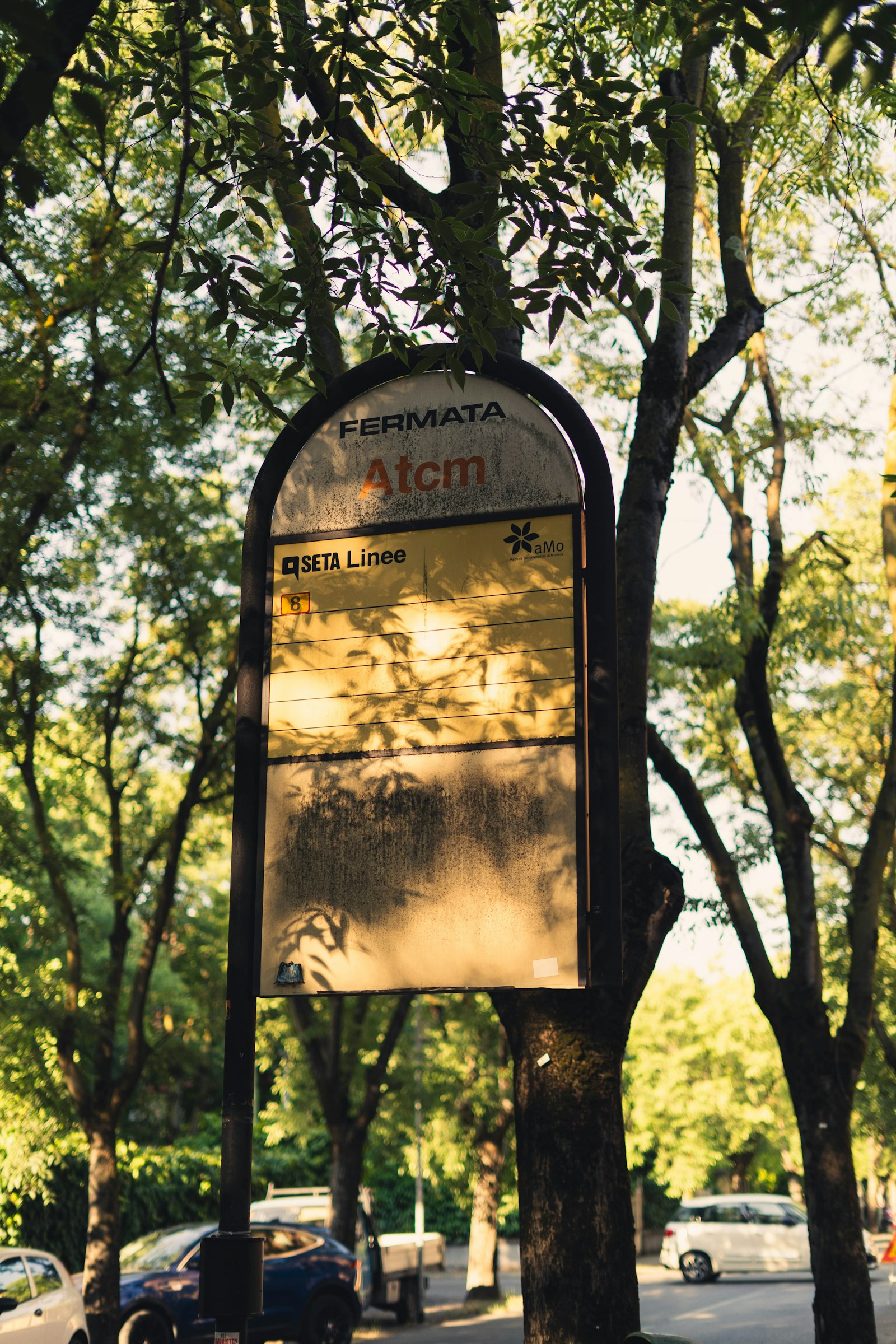
At smaller stops, do not stand several metres back assuming the driver knows you want that particular bus. Move visibly toward the stop and signal clearly as the correct vehicle approaches. Once aboard, press the stop-request button before your destination. You may see STOP, fermata, or fermata prenotata.
This is common practice on Italian local buses rather than a rule that works identically with every operator. The same problem catches travelers throughout Italy, so it is useful to understand how request stops and hand signals work on Italian buses.
Useful Italian words on Positano buses
- Fermata: bus stop.
- Interno Positano: the local Positano service.
- Direzione: direction.
- Capolinea: terminus.
- Biglietto: ticket.
- Bagaglio: luggage.
- Feriale: working-day service.
- Festivo: Sunday or public-holiday service.
- Corsa: an individual scheduled bus run.
- Completo: full. If this appears on a bus, it may not take more passengers.
Sundays, late arrivals and missed buses
The current local urban service operates daily, but do not apply that assumption to every bus on the coast. SITA timetables use different service codes for weekday, daily, Sunday and holiday departures. A departure that exists on Saturday may not exist at the same time on Sunday.
Late in the evening, verify the final local run before going down to the beach. The climb from the waterfront to upper Positano is substantial, and taxis are far more expensive than the town bus.
If a bus is full or you miss it, the best recovery depends on where you are:
- At Piazza dei Mulini: waiting for the next local bus is usually preferable to beginning a long uphill walk with bags.
- At Sponda: walking downhill toward the centre can be practical if you are mobile and lightly packed.
- At Chiesa Nuova: confirm whether the next bus descends through Viale Pasitea before boarding.
- At the ferry pier with heavy luggage: solve the luggage problem before starting the climb. Ask your accommodation about porter or taxi arrangements.
For broader decisions about arriving by ferry, bus or staying elsewhere on the coast, the practical Positano guide explains how the town fits into an Amalfi Coast itinerary.
The quickest stop choice
Coming from Sorrento by SITA: use Chiesa Nuova for the upper western side. Stay aboard for Sponda if your accommodation is on the eastern side or your host explicitly tells you to use Sponda.
Coming from Amalfi by SITA: Sponda comes first. Continue to Chiesa Nuova for upper Viale Pasitea and the western side.
Going to Spiaggia Grande: think Piazza dei Mulini, then walk downhill. Do not look for a bus to the ferry pier.
Coming up from the beach: walk to Piazza dei Mulini and use the local Mobility service for the climb. Before boarding for Chiesa Nuova, Montepertuso, Nocelle or another hillside stop, say the destination to the driver and make sure the bus is taking the correct side of Positano’s loop.