For Lazise, Bardolino and Garda, use ATV lines 163, 164 or 185 from Verona. In the summer 2026 timetable, all three leave Verona Porta Nuova from corsia C1, while line 164 also serves the Peschiera and Gardaland corridor. Line 185 is normally the quickest direct option for the central eastern shore. Buy or activate your ticket before or as you board, validate it immediately, and allow extra time on busy summer days.
The Verona to Lake Garda bus works especially well for towns without a railway station. For Peschiera itself, the train from Verona is usually simpler. For Lazise, Bardolino and Garda, staying on the bus avoids a train-to-bus transfer. Travelers continuing to Malcesine or Riva normally change farther north, most usefully at Garda.
Which bus should you take?
The route number matters because three buses may show “Garda” on the front while taking quite different roads.
- Line 185: the best first choice for Lazise, Bardolino and Garda when its departure time suits you. It runs via the Natura Viva area and reaches the lakeside without making the Peschiera detour. Current scheduled journeys from Porta Nuova to Garda are roughly 50 to 60 minutes before traffic delays.
- Line 164: choose this for Castelnuovo, Gardaland and the Peschiera corridor. It then continues through Lazise, Bardolino and Garda. It is useful, but noticeably less direct if Garda is your final destination.
- Line 163: runs through Bussolengo, Pastrengo or Palazzolo, Colà and Lazise before continuing north. Check the individual timetable column carefully because some departures finish at Lazise rather than continuing to Bardolino and Garda.
You can check the current official schedules for line 163, line 164 and line 185. The summer 2026 tables are valid from 8 June through 9 September 2026. From 10 September the service pattern changes, so an old screenshot of a summer departure is not enough.
If you are going to Peschiera
Take the train unless there is a specific reason to use the bus. Peschiera del Garda has its own railway station on the Verona to Milan line, so rail is normally the cleaner option from Porta Nuova.
There is another small trap in the bus timetable. Many line 164 journeys call at Peschiera bivio FS, the junction near the station, rather than pulling directly into Peschiera Staz. FS. Read the exact stop name instead of assuming every bus enters the station forecourt.
If you are going to Malcesine or Riva del Garda
Do not expect the Verona bus to carry you all the way around the northern shore. A practical route is Verona to Garda, then a northbound lake service toward Torri del Benaco, Brenzone, Malcesine and Riva. Line 484 is one of the important north-shore routes.
Look at the notes below your chosen Verona departure. The code C13 on current ATV tables means there is a connection at Garda for Riva. A connection specifically shown by ATV is preferable to inventing a five-minute transfer between two unrelated journeys, especially when summer traffic is slow.
Finding the correct bus at Verona Porta Nuova
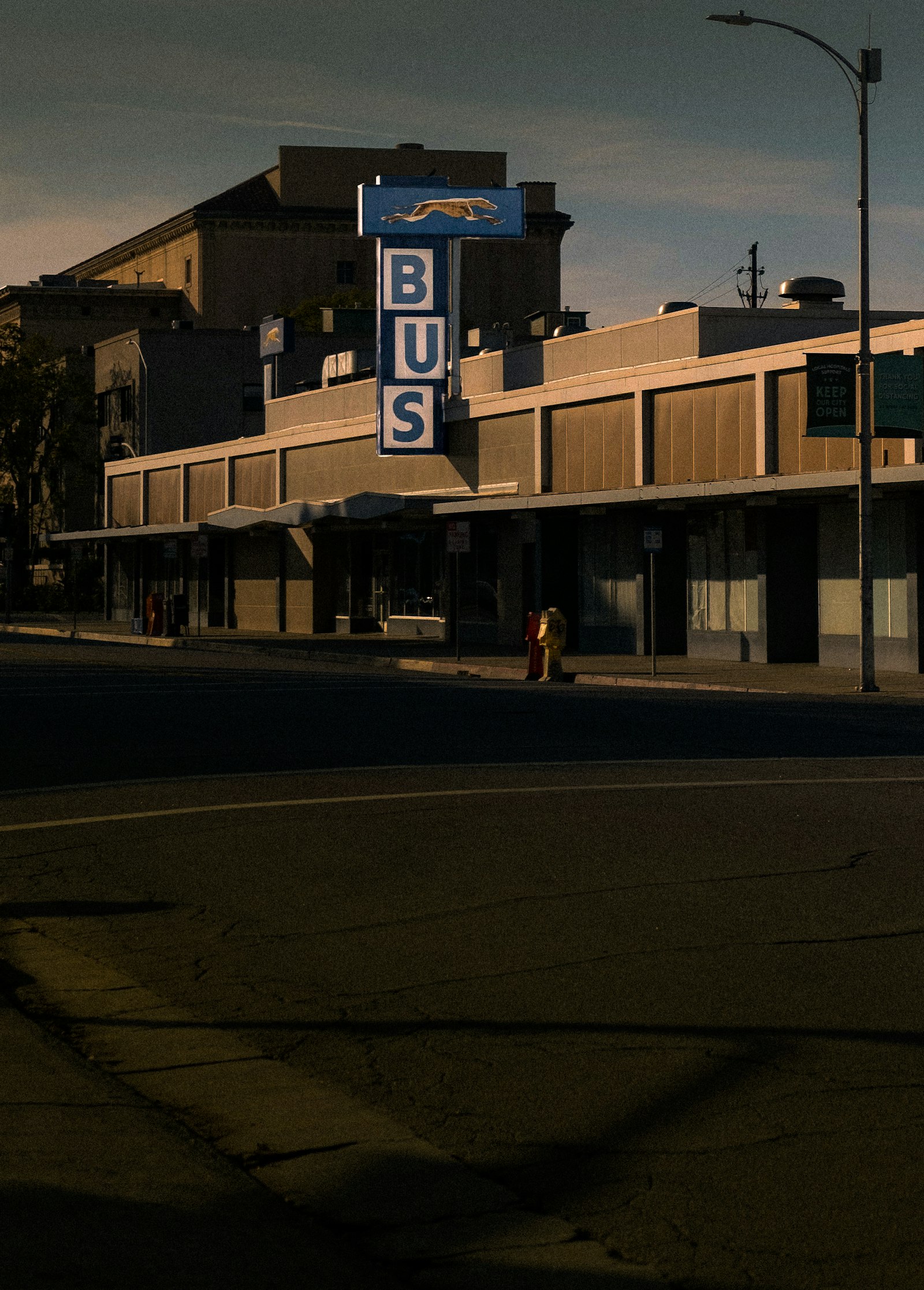
After leaving the railway station, go into Piazzale XXV Aprile and follow signs for the bus station, autostazione or autobus. The letter-and-number combinations outside are bus bays, not railway platforms. Corsia means lane or bay.
For the summer 2026 timetable, lines 163, 164 and 185 toward the lake are shown at Verona Stazione FS, corsia C1. This is worth checking on the day because older timetables circulating online show B2 or B3. Those bay numbers belonged to other seasonal timetables and should not be treated as permanent.
Watch the electronic display and the destination on the front of the vehicle as well as the route number. If in doubt, asking the driver “Lazise?”, “Bardolino?” or “Garda?” before loading your luggage is quicker than discovering the mistake after Castelnuovo.
Piazza Bra can be a useful alternative boarding point
The current lake services begin at Piazza Bra, call at Via Valverde, and then reach Porta Nuova a few minutes later. That matters on crowded mornings: the bus is not necessarily empty when it arrives at the railway station.
If you are staying near the Arena rather than arriving by train, boarding at the scheduled Verona – piazza Brà stop can improve your chance of getting aboard before the station crowd. Check the live ATV journey information for the exact stop position that day rather than relying on an old stop-letter photograph.
How tickets work
ATV extraurban tickets can be bought from company ticket offices and authorized sellers, through the Ticket Bus Verona app, from the driver at a higher onboard fare, or using the onboard bank-card system.
Contactless payment
ATV currently charges a flat €3.70 fare for an extraurban journey paid onboard with a bank card. Tap when you board. If you make more journeys, tap again each time you board using the same payment method. ATV applies a maximum charge of €11 over 24 hours for travel across the network under its contactless fare system.
A bank-card tap is still a public-transport ticket. It does not reserve a seat or guarantee that a particular departure has room.
Paper and app tickets
Ordinary extraurban fares are distance based. Verona to Garda is tariff 5 in ATV’s fare structure. The current fare table lists €4.60 for the ordinary ticket and €5.10 when bought onboard from the driver.
With the Ticket Bus Verona app, activate the ticket when boarding by scanning the QR code positioned at the bus entrance. Paper tickets must also be validated. ATV requires passengers to validate their travel document at every boarding. If a validator is not working, tell the driver immediately rather than riding with an apparently unused ticket.
The Italian words worth recognizing are biglietto for ticket, convalida for validation, corsa for an individual bus journey, fermata for stop, coincidenza for connection and festivo for Sunday or public-holiday service.
Is the €11 day pass worth buying?
ATV’s current full-network passes cost €11 for one day, €22 for three days and €44 for seven days. A simple out-and-back trip from Verona may cost less with individual fares. A day involving several lakeside buses can make the pass or contactless daily cap much more useful.
If you are still deciding which shore town should be your base rather than just making a day trip, compare the transport trade-offs in our guide to where to stay on Lake Garda.
What happens on crowded summer departures
These are ordinary scheduled buses, not reserved coaches. July and August weekends, theme-park days and sunny holiday mornings can put a lot of passengers at the same stop. Having a ticket in your phone does not put your name on a seat.
For a departure you cannot afford to miss, being at the stop 20 to 30 minutes ahead is a sensible buffer. Have the ticket or payment card ready before boarding starts, keep suitcases together, and do not block the queue while deciding which fare to buy.
The best crowd strategy depends on where you are starting:
- Staying near Piazza Bra: consider boarding there before the bus reaches Porta Nuova.
- Arriving by train: do not plan a six-minute train-to-bus connection. Walking out of the station, finding C1 and dealing with a boarding queue takes time.
- Going only to Peschiera: use the train rather than competing for space on a lakeside bus.
- Going to Lazise, Bardolino or Garda: check the next departures on all three useful route numbers instead of waiting only for 185.
Lake traffic is another issue. A timetable showing a 55-minute journey is a schedule, not a promise that the Gardesana roads will remain clear. Do not build a tightly timed ferry, restaurant reservation or onward bus around the exact printed arrival minute.
If the lake is part of a longer Italian journey, you can organize the rest of your trip around the transport days rather than discovering halfway through that a transfer day contains three separate summer queues.
If your bus is full
First, check the next 163, 164 and 185 rather than assuming the next useful vehicle has the same number. The three routes overlap substantially between Verona and the central eastern shore.
If the queue is severe and you need to reach the lake rather than one exact bus stop, a strong backup is:
- Take a train from Verona Porta Nuova to Peschiera del Garda.
- From Peschiera, continue north by ATV bus toward Lazise, Bardolino or Garda.
- Check line 483 as well as 164. Do not assume every 164 pulls into the railway-station forecourt.
This backup is particularly useful when the problem is a full Verona departure rather than a wider road disruption. If the entire eastern shore is jammed, moving the transfer to Peschiera will not make the traffic disappear.
Luggage on the lake buses
ATV currently allows one hand item up to 55 x 40 x 20 cm free of charge. Larger suitcases, skis and similar items require the appropriate extra baggage fare on extraurban services. Bags must not block the aisle, doors or passenger seats, and backpacks should be taken off your shoulders onboard.
Do not assume there will always be an airport-coach-style luggage hold. Vehicle type can vary. Have your bag compact and ready to place where the driver indicates, particularly when boarding a busy departure.
Children under four travel free under current ATV rules. Strollers should normally be folded, with limited provision for an open stroller in the designated accessible area when space and vehicle configuration permit. A wheelchair user has priority for that space.
Getting off in Lazise, Bardolino and Garda
Press the stop button before your stop. ATV specifically asks passengers to signal their intention to get off in advance rather than waiting until the bus has already reached the stop.
Garda is straightforward because the principal stop is Garda – Autostazione, the bus station. It is also the important transfer point for buses continuing toward the northern shore.
Bardolino has its main bus-station stop close enough to walk into the central lakeside area. Lazise has several named stops in and around town, so check the one closest to your accommodation rather than automatically following everyone off the bus.
Planning the return to Verona
Check the return before leaving Verona. The last useful journey from Garda may be different from the last one from Lazise, and an evening bus that exists in the summer timetable can disappear when the seasonal schedule changes.
On the way back, follow signs and displays for Verona. Current daytime 163, 164 and 185 services generally arrive at Porta Nuova using corsia A1, with some exceptions. The outbound C1 bay is therefore not a reliable place to wait for someone arriving from the lake.
If you miss the final practical direct bus, look south rather than north. A bus to Peschiera followed by a train to Verona can sometimes rescue the evening, provided both services are still running. Check both legs before leaving your lakeside stop. Once the final railway connection has gone as well, the remaining realistic option is a taxi or pre-arranged transfer, so this is not a night to discover the return timetable after dinner.