The simplest trip uses Busitalia’s extraurban line E001, normally boarding at Perugia’s Bus Terminal in Piazza Partigiani and arriving at Piazza Quaranta Martiri, right at the lower edge of Gubbio’s historic center. The ride is usually about 70 minutes. The important part of Gubbio by bus from Perugia is planning the return before you leave: weekday, Sunday and holiday schedules differ, and the Gubbio terminus can move on Tuesday market mornings or during major events.
Which bus goes from Perugia to Gubbio?
Look for line E001 Perugia–Fratticiola–Gubbio. On Busitalia timetables, the Perugia city terminal appears as BUS TERMINAL PERUGIA and the normal Gubbio terminus appears as P.40 MARTIRI GUBBIO.
Use the official Busitalia Umbria extraurban timetable rather than copying a departure time from an old blog or mapping result. The timetable changes between service periods, and individual journeys do not all have identical operating days.
Current schedules put most through journeys at roughly 1 hour 10 minutes, give or take a few minutes. Stops are made through the eastern side of Perugia and the villages on the road to Gubbio, so this is a regional bus rather than a nonstop coach.
Where to board in Perugia
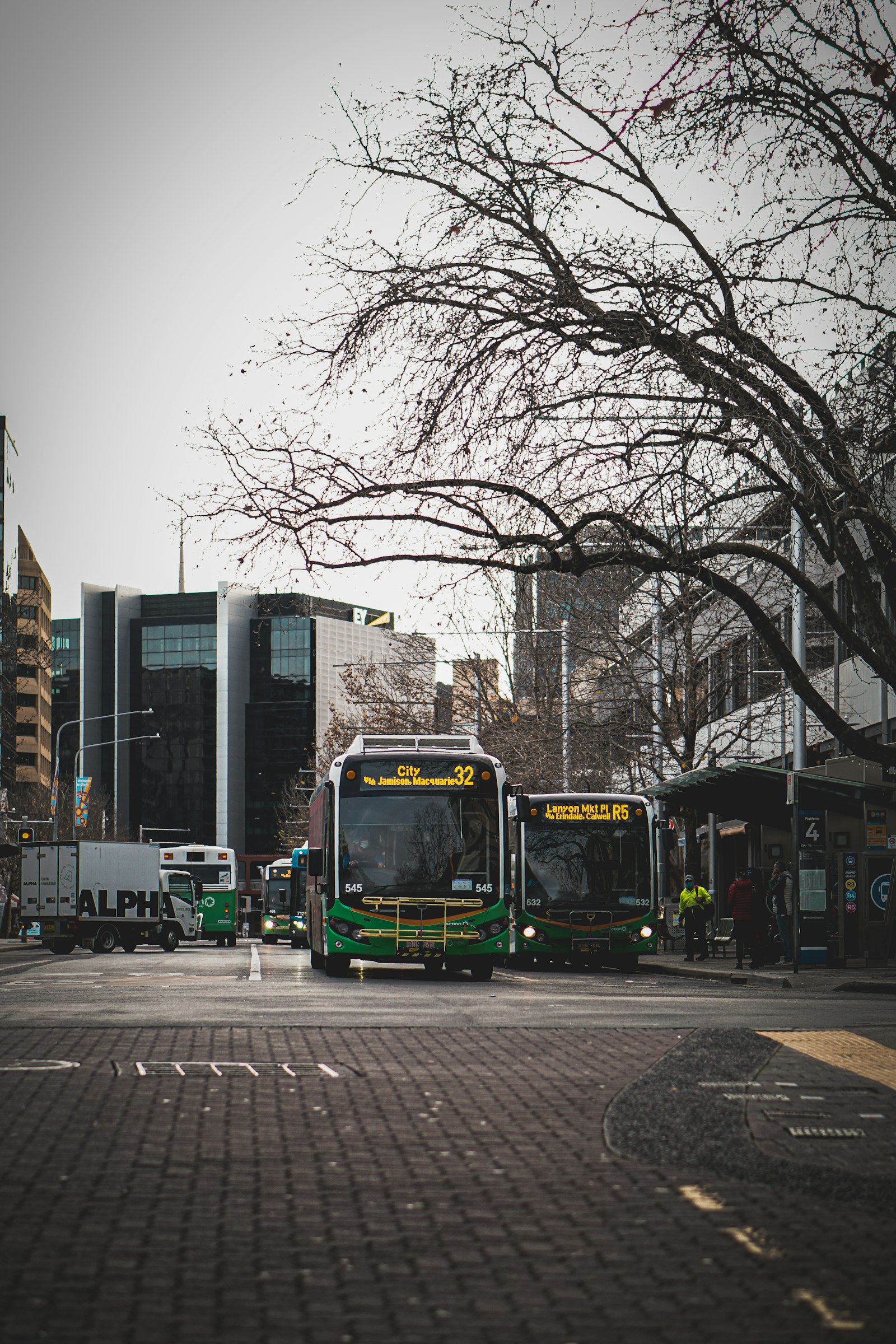
Piazza Partigiani is the main bus terminal
If your timetable says BUS TERMINAL PERUGIA, go to the Busitalia autostazione at Piazza Partigiani. This is not Perugia’s main railway station.
From the historic center around Piazza Italia and Corso Vannucci, the easiest pedestrian approach is down through the Rocca Paolina escalator system toward Piazza Partigiani. Busitalia’s Piazza Partigiani terminal information confirms that the bus station is directly connected with the escalators serving the upper center.
Once inside the terminal, check the departure display for E001 and Gubbio. Do not build your trip around a platform number found online days earlier. Use the bay shown at the terminal and check the destination display on the bus before putting luggage underneath.
Do not automatically go to Fontivegge station
This is an easy mistake. Some E001 journeys and special service patterns have used Fontivegge (PG), Perugia’s railway station, while others use Piazza Partigiani. Busitalia has published both types of departure in recent schedules.
Read the stop at the top of your specific journey. If it says BUS TERMINAL PERUGIA, you want Piazza Partigiani. If it explicitly says FONTIVEGGE (PG) or Perugia railway station, board there instead. Do not assume the word “Perugia” always means the train station.
Where the bus arrives in Gubbio
On a normal operating day, E001 finishes at Piazza Quaranta Martiri, written on Busitalia schedules as P.40 MARTIRI GUBBIO.
This is an excellent arrival point for a day trip. Piazza Quaranta Martiri is essentially the lower gateway to the historic center rather than an out-of-town coach station. Once off the bus, follow signs for Centro Storico and Piazza Grande. The sightseeing streets climb from here, so expect uphill walking soon after arrival.
The practical advantage is that you can use the same square as your mental anchor all day. Remember where your bus stopped, then return to that area for the trip back to Perugia.
The Tuesday market changes the bus stop
Tuesday mornings need special attention. Gubbio’s weekly market returned to Piazza Quaranta Martiri in August 2026, with traffic restrictions in the square on Tuesdays until 14:00. Busitalia’s E001 timetable also warns that Tuesday arrivals and departures can be moved away from Piazza Quaranta Martiri during the market period.
The replacement terminus is listed as P.M. della Resistenza, meaning Piazzale Martiri Umbri della Resistenza, in the Via Beniamino Ubaldi area. This is not the same place as Piazza Quaranta Martiri.
If you arrive on a Tuesday morning, do not spend the day memorising where the bus happened to drop you without first checking your return. A morning arrival may use the temporary stop while an afternoon departure after the market has cleared may return to the normal terminus. Check the timetable and any same-day Busitalia notice.
Plan the return before sightseeing
The best moment to choose your return bus is before boarding in Perugia, not at 18:45 while standing halfway up Gubbio’s medieval streets.
- Open the current Busitalia timetable for area Perugia.
- Find line E001 in the Gubbio-to-Perugia direction.
- Locate P.40 MARTIRI GUBBIO in the first column.
- Check the operating code above your preferred departure.
- Confirm where that journey finishes in Perugia.
- Save a second, earlier return as your backup.
Give yourself enough time to walk downhill to the bus stop. Gubbio is steep, and a route that felt quick on the way into town can take longer when shops, photographs and tired legs get involved.
What FLS and FE mean on the timetable
Busitalia uses Italian service codes rather than writing “weekday” beside every departure. Two particularly useful ones on this route are:
- FLS: feriale da lunedì a sabato, operating Monday through Saturday.
- FE: festiva, normally Sundays and public holidays.
Busitalia also notes that journeys shown without a specific validity restriction can operate every day. Read the legend attached to the timetable you are actually using because school periods and seasonal timetable changes can introduce additional codes.
Sunday is not simply a quieter Saturday
Holiday service has its own departures. Do not take a Saturday timetable and assume it will work on Sunday. This is particularly important for the evening return.
The current Busitalia listing also shows the Piazza Partigiani ticket office closed on Sundays and public holidays, so buying digitally before you travel is the safer approach if your day trip falls on a festivo.
What is confirmed for 2027?
As of September 2026, Busitalia had not yet published the full 2027 timetable for this route. There is an important reason not to extrapolate from late 2026: extra services introduced for the Franciscan eighth-centenary period are explicitly advertised only through 31 December 2026.
During that temporary enhancement Busitalia advertised 10 pairs of Perugia-Gubbio journeys on working days and eight pairs on holidays, including some faster direct services. Those frequencies should not be treated as confirmed for 2027.
For a 2027 trip, use the latest E001 timetable published for your actual travel period and rebuild your day around its last practical return.
Tickets, price and validation
The currently published fare for the Perugia-Gubbio connection is €5.50 each way when bought before boarding. Busitalia’s current extraurban tariff lists the corresponding onboard fare at €6.50. Fares can change, so check the official extraurban fare table before travelling.
The easiest digital option is Busitalia’s SALGO app. Choose an extraurban ticket for the correct origin and destination.
A SALGO ticket is not valid merely because you purchased it. Busitalia requires you to select “Attiva” immediately before boarding. Activating it far in advance can start its validity too early, while forgetting to activate it can leave you liable for the same penalties as travelling without a valid ticket.
Do not assume you can simply tap a bank card on every Umbrian bus. Contactless payment has been introduced on selected Busitalia services, but it is not a universal substitute for an E001 ticket.
Taking luggage on the regional bus
Busitalia Umbria’s current conditions allow one small hand bag free of charge up to 50 × 30 × 25 cm. A larger or additional piece of luggage requires an additional ticket under the operator’s published conditions.
That matters if Gubbio is a transfer stop rather than a day trip. A normal rolling suitcase is usually larger than the free hand-luggage allowance. Some extraurban vehicles have luggage compartments, but the presence of a luggage bay does not automatically make an oversized case free.
If the driver opens the luggage compartment, load and retrieve your own case as directed and make sure you take it when getting off at Gubbio. Keep passports, wallets and electronics with you rather than in the hold.
Reduced mobility and steep streets
Busitalia states that accessibility on its buses depends on the vehicle and infrastructure in service, with newer extraurban vehicles including equipment for passengers with reduced mobility. If wheelchair access or a lift is essential, check the specific journey with Busitalia rather than assuming every E001 coach has the same equipment.
The arrival square itself is in the lower part of town, which is useful, but most major sights lie uphill. The bus solves the intercity journey, not Gubbio’s gradients.
What to do if you miss the return bus
Gubbio does not have a railway station in the historic center, so missing the last usable E001 cannot be fixed by walking to a nearby train.
Your first fallback is to check whether a later E052 service connects Gubbio with Fossato di Vico-Gubbio railway station. From there, a train journey toward Perugia may be possible, usually involving the rail network through the Foligno direction. Check the complete bus-and-train connection before committing to this option because the final E052 and final useful train may not line up.
If public transport has finished, a taxi toward Perugia or Fossato di Vico is the practical rescue. That is why an evening plan should include an earlier backup bus rather than treating the final departure as your target.
If Gubbio is one stop in a longer Umbrian route, you can build your Italy itinerary around the actual transport days instead of discovering too late that a Sunday or evening connection does not fit.
Major events can override the normal stop
The Tuesday market is predictable. Festivals are less so. The biggest example is the Festa dei Ceri on 15 May, when Busitalia normally publishes special operations for Gubbio, including extra journeys, suspended local services or temporary terminus changes.
Other large events can also move arrivals and departures to Piazzale Martiri Umbri della Resistenza. On an event day, check Busitalia’s Umbria service notices shortly before travelling rather than relying solely on the ordinary timetable.
A sensible day trip therefore has three details written down before departure: your exact Perugia boarding point, your planned Gubbio return time, and the location of the Gubbio terminus that applies that day. Once those are settled, the rest is mostly a matter of walking uphill, enjoying the town, and remembering that the bus home is waiting downhill.