The Catania Airport train station is not inside the passenger terminal. Trains use Catania Aeroporto Fontanarossa, a separate rail stop reached from the arrivals area by an AMTS shuttle bus. The transfer is short, but you still need to leave the terminal, find the correct bus, ride to the station forecourt, check your platform and reach the track. Do not plan a tight train connection as though the aircraft doors opened beside the platform.
The simplest option is Trenitalia’s combined Fontanarossa Airlink: buy the railway journey together with the AMTS transfer by entering Catania Aeroporto Fontanarossa Bus as your origin or destination.
Where the Fontanarossa railway station actually is
The station’s official railway name is Catania Aeroporto Fontanarossa. That name can be misleading if you expect an airport station built directly underneath or beside the terminal. There is a road transfer between the two.
After collecting your luggage, follow signs toward Arrivi, meaning Arrivals, and leave the terminal. Trenitalia places the airport-side Fontanarossa Airlink stop immediately outside the arrivals terminal. The AMTS shuttle then takes passengers to the forecourt in front of the railway station.
This distinction matters when comparing connection times. A train shown as departing 15 minutes after you reach baggage reclaim is not really 15 minutes away. You still have the walk through arrivals, the shuttle wait, the bus ride, the walk into the station and, potentially, a change of level to your platform.
Which bus connects the terminal and the station?
The local operator is AMTS Catania. The relevant service is associated with line 524S, which circulates between the Fontanarossa interchange parking area, the railway station, the airport arrivals area and Santa Maria Goretti.
At the airport, look for the station shuttle rather than assuming every bus outside Arrivals serves the railway stop. Alibus is a different service. Alibus runs between the airport and central Catania, including Catania Centrale, while the Fontanarossa shuttle makes the short transfer to the nearby airport rail stop.
The current AMTS 524S timetable shows very frequent daytime departures, generally around 10-minute intervals for much of the day. The published times on that page are departures from the Fontanarossa parking terminus, however, not the exact minute the vehicle reaches the airport arrivals stop. Treat the timetable as a service pattern and leave some margin rather than timing your train to a single bus minute.
The overnight detail that is easy to miss
Do not read “24-hour shuttle” as “24-hour shuttle to the railway station.” In the currently published AMTS schedule, departures marked with an asterisk from late evening through the early hours do not pass the railway station. The same warning appears in the weekday and holiday schedules.
This is less dramatic than it sounds because passenger trains also stop running overnight, but it matters for very early planning. A shuttle vehicle circulating around Fontanarossa at 02:00 does not mean you can use it to wait at the rail platform for a train.
If your flight lands very late, compare the last useful train with the direct airport buses and taxis before committing to rail. The wider late-flight arrival options in Italy are especially relevant when baggage reclaim or a delayed flight pushes you beyond your planned connection.
How to buy the shuttle and train ticket
For most visitors, buying the two legs together through Trenitalia removes one piece of airport admin. Search for Catania Aeroporto Fontanarossa Bus, not merely Catania Aeroporto Fontanarossa, if you want the terminal-to-station bus included in the itinerary.
Trenitalia currently lists the AMTS portion of the combined journey at €1.40, added to the rail fare. The bus portion is operated by AMTS even though you buy it in the same transaction as the railway ticket.
If you buy the local bus separately, AMTS currently charges €1.40 for an ordinary 90-minute urban ticket bought through its normal sales channels. An ordinary ticket sold on board an AMTS bus is currently €2.00. Because fares and sales arrangements can change, check the AMTS ticket page shortly before travel rather than relying on an old screenshot.
Train ticket validation is separate from the bus rules
For Trenitalia Regionale services, a Digital Regional Ticket is automatically validated at the scheduled departure time of the train selected. A traditional single paper regional ticket must normally be validated at a station machine before you board.
This becomes important after a delayed flight. If you have a digital ticket and realise you will miss your selected Regionale departure, change the departure time before the permitted change window closes rather than simply boarding a later train with the original itinerary. Trenitalia explains the current rules on its regional train ticket page.
What happens when the shuttle reaches the station
The bus leaves you in the area directly in front of the station. Do not rush toward the first staircase or platform sign you see. Catania Aeroporto Fontanarossa has only two passenger tracks, but the platform used by an individual train is not something you should guess from its destination.
- Enter the station area and find the departure display marked Partenze.
- Match the train number and destination on your ticket to the display.
- Look for Binario, the Italian word for platform or track.
- Follow the signs for the displayed track.
- Keep watching the screens until boarding because operational platform changes are possible.
RFI specifically notes that information shown inside the station may appear a few minutes before the corresponding online update. If an app and the station screen disagree while you are physically there, pay attention to the station’s visual displays and announcements.
Platform 1 and platform 2 access
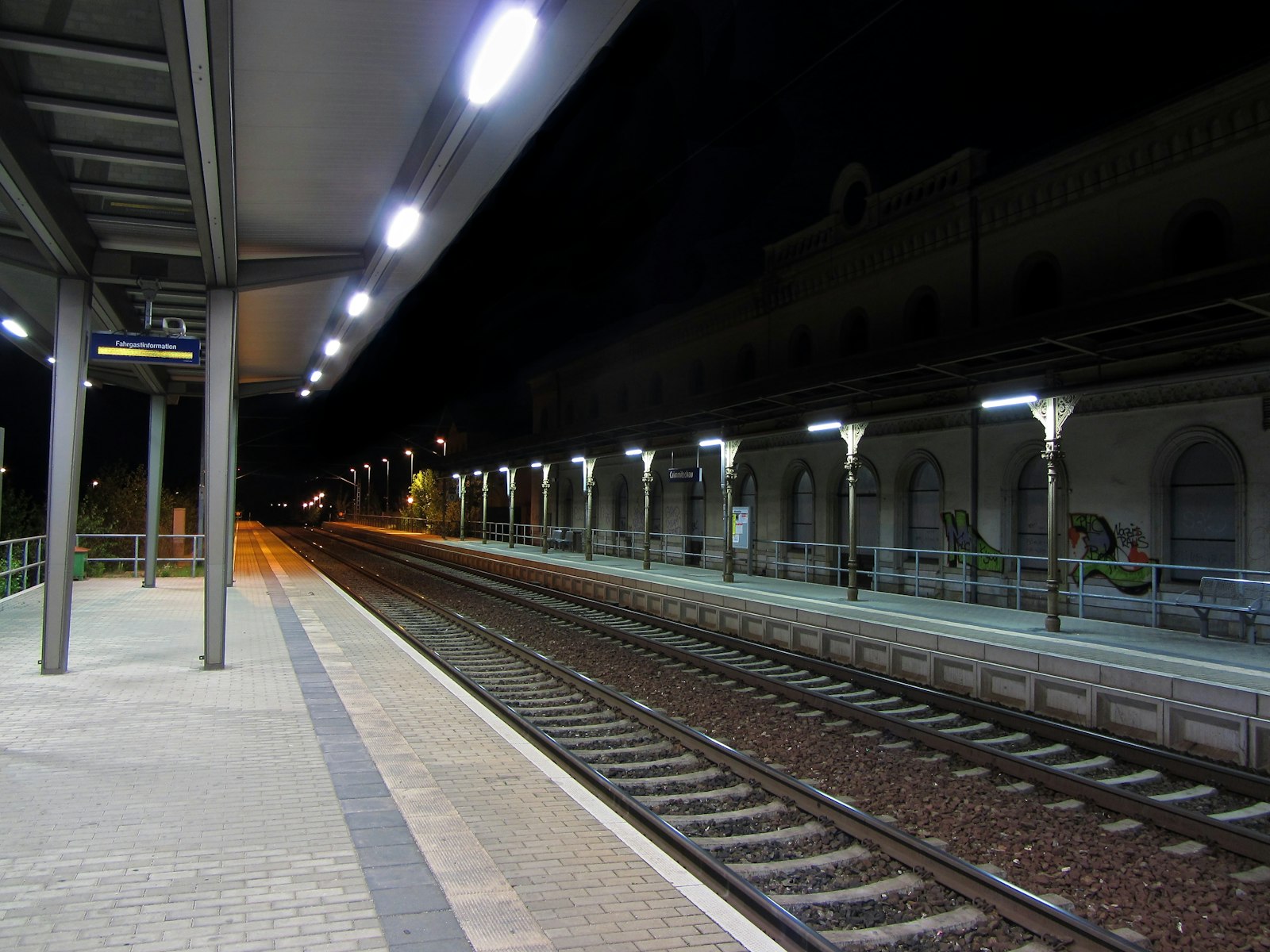
According to RFI’s station accessibility information, Catania Aeroporto Fontanarossa has two passenger platforms. The access arrangements are not identical.
- Binario 1: RFI lists a barrier-free route using level access and/or a ramp.
- Binario 2: RFI lists barrier-free access using a lift.
- Both platforms: RFI lists tactile routes and raised platform surfaces intended to reduce the height difference when boarding trains.
Do not assume platform 1 is always for Siracusa and platform 2 always for Catania Centrale, Taormina or Messina. Current timetables show that track assignments vary with individual services and operating patterns. Read Binario 1 or Binario 2 from the departure board for your actual train.
What if the lift is out of service?
This is more consequential here than at a large staffed station. RFI states that Catania Aeroporto Fontanarossa does not provide station assistance for passengers with disabilities or reduced mobility. It also warns that temporary lift outages can alter the practical accessibility of a platform.
The lifts are normally scheduled to operate in line with the first and last trains of the day. If you require step-free access to platform 2, check RFI’s station information before leaving the terminal. If a lift failure would prevent you from reaching the train safely, contact the railway operator rather than assuming staff will be available at Fontanarossa to improvise an alternative.
With a stroller, the same logic applies even if you do not require formal assistance. Use the ramp or lift rather than carrying a loaded stroller on stairs, and allow another few minutes between the shuttle drop-off and boarding.
How much transfer time should you allow?
There is no single safe number because the unpredictable part is often the flight rather than the shuttle. With carry-on luggage and a train ticket already purchased, the transfer is straightforward. Checked baggage, children, mobility needs or a first visit to the airport all justify more room.
For an arriving flight, do not calculate your connection from scheduled landing time. Start the clock when you are landside with your luggage. From that point you still need to reach the arrivals curb, wait for the shuttle, travel to the station, identify the correct track and board.
A connection that leaves only a few minutes between the shuttle’s expected arrival and the train departure is needlessly fragile. Missing one Regionale may simply mean waiting for the next suitable service, but that can become a serious problem when your onward train, hotel check-in or ferry depends on the connection.
If this transfer is one piece of a longer Sicily journey, you can build your Italy itinerary around the airport arrival, rail leg and realistic onward connections rather than treating each timetable separately.
Do you need to change trains at Catania Centrale?
Not always. Catania Aeroporto Fontanarossa is a real stop on Sicily’s regional rail network, not merely a tiny airport branch that shuttles passengers to Catania Centrale.
Depending on the timetable, direct regional services can connect the airport stop with destinations including Siracusa, Taormina-Giardini, Messina and inland Sicilian stations. Other journeys require a change at Catania Centrale or elsewhere.
Search your complete destination before deciding to take the first train into central Catania. Going to Catania Centrale and then doubling back is pointless when a suitable direct train calls at Fontanarossa shortly afterward.
For central Catania itself, compare the train-plus-shuttle combination with Alibus. The train can be quick once you are on board, but Alibus removes the separate transfer to the rail station and may be more convenient if its city stop is close to your accommodation.
Luggage at the shuttle and station
The most awkward part with luggage is not the train. It is the extra handling between terminal, bus and platform. Keep cases together while waiting outside Arrivals, and avoid packing yourself into a connection that requires stepping off the shuttle and immediately running for the train.
At the station, check the platform before committing to a route with your luggage. If you need Binario 2, follow the lift signs rather than carrying a heavy case unnecessarily. On arrival back at Fontanarossa for a departing flight, the station-side shuttle leaves from the forecourt in front of the railway station.
Travellers with several large cases may find a direct airport coach or taxi more comfortable for destinations that have good road links from the terminal. The railway option is most attractive when the train itself gives you a useful direct journey rather than creating several short transfers.
Sundays and public holidays
AMTS publishes separate feriale and festivo information. Feriale means the ordinary weekday service pattern, while festivo covers Sundays and public holidays.
The current 524S page shows the station shuttle operating under both patterns, including the same warning that asterisked overnight services do not pass the railway stop. Still check your precise date. Special holiday timetables, road changes and temporary service notices can override the normal schedule.
Planning this transfer for 2027
As of September 2026, RFI’s published timetable for this station covers the timetable period ending 12 December 2026. A full 2027 schedule should therefore not be treated as confirmed yet.
The station layout, two-platform arrangement and current AMTS transfer system are useful for planning ahead, but recheck the actual Regionale departure and the 524S timetable once your 2027 travel date is open for booking. This is particularly important for the first and last services of the day.
Common Fontanarossa mistakes and how to recover
- You searched for the station but expected to walk straight from baggage reclaim: leave through Arrivals and use the AMTS transfer. The station is not part of the terminal building.
- You booked only “Catania Aeroporto Fontanarossa”: that is the railway stop. For the combined terminal transfer in Trenitalia’s system, look for Catania Aeroporto Fontanarossa Bus.
- You boarded Alibus expecting the nearby station: Alibus is primarily the airport-to-city service. If your goal is the Fontanarossa rail stop, check for the dedicated station connection.
- Your flight delay means you will miss the selected Regionale: if you hold a flexible Digital Regional Ticket, check whether you can change the selected departure before its scheduled time. Do this while you still have the option, not after the original train has left.
- You reach the station and cannot find your train: check Partenze, the train number, destination and Binario. Do not rely only on the platform shown earlier in an app.
- The lift needed for Binario 2 is unavailable: remember that the station has no staffed reduced-mobility assistance service. Contact the train operator and follow its instructions rather than attempting an unsafe transfer.
- You land after the useful rail service has finished: do not wait for the morning simply because the station shuttle route still exists overnight. Check the airport’s official bus options, Alibus for Catania, an appropriate intercity coach or an authorised taxi.
The useful sequence is simple once the names are clear: Arrivals → AMTS station shuttle → Catania Aeroporto Fontanarossa → departure board → correct Binario. The extra bus leg is the part to build into your timing; once you reach the station, the two-platform layout is small and straightforward.