Perfume-making workshops in Florence let you explore fragrance ingredients, experiment with different scent combinations, and create a perfume with guidance from a specialist. Most hands-on experiences last around 90 minutes to three hours, with some including a personalized bottle to take home. Before booking, check whether you will formulate your own scent, how many ingredients you can choose from, the bottle size included, and whether the recipe can be reproduced later.
A perfume workshop Florence visitors choose for a personal souvenir can be quite different from a private consultation with a professional perfumer. Some sessions focus on discovering fragrance families and blending prepared accords, while others involve developing an individual formula from a wider selection of materials. The difference affects the price, the amount of creative control you have, and what you actually take home.
What Happens During a Perfume-Making Workshop?
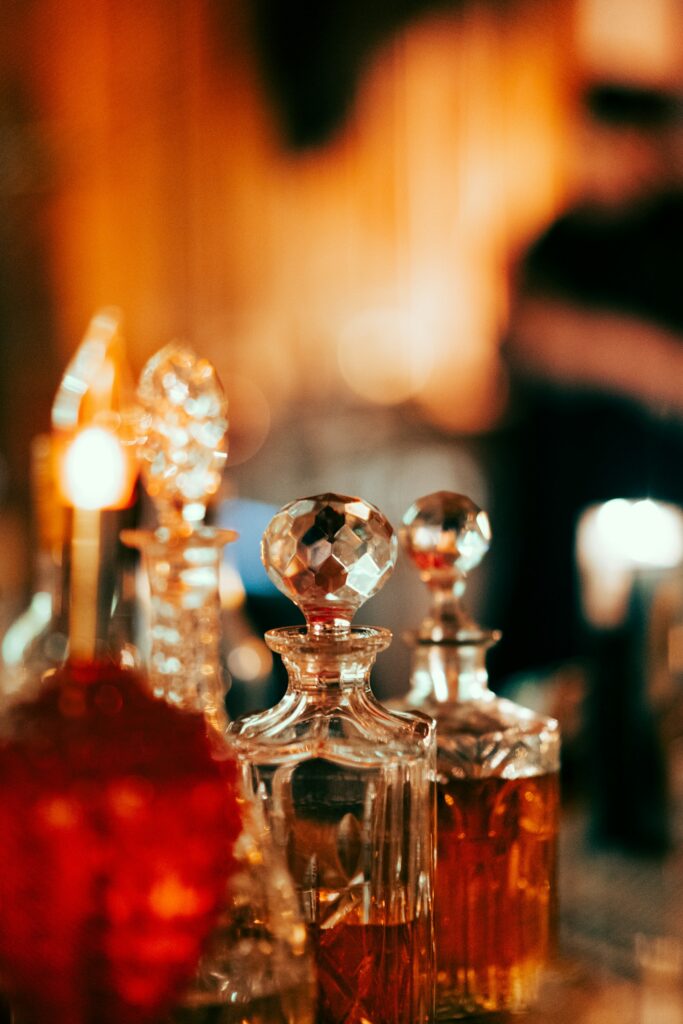
A typical workshop begins with an introduction to fragrance composition. The instructor explains how perfumers combine aromatic materials, how different ingredients interact, and what makes a scent smell fresh, floral, woody, spicy, or warm.
You then explore a selection of fragrance materials, usually by smelling them on paper testing strips called mouillettes or cartine olfattive in Italian.
Rather than immediately mixing everything that smells appealing, the instructor helps you narrow your choices and consider how the materials might work together.
A hands-on session generally follows these stages:
- Introduction to perfumery. Learn about fragrance families, concentration, and how perfume changes after application.
- Explore individual ingredients. Smell selected materials, including floral, citrus, herbal, woody, and other aromatic notes.
- Choose a fragrance direction. Decide whether you prefer something fresh, warm, delicate, rich, or another style.
- Develop the composition. Combine selected ingredients or prepared accords in proportions suggested by the instructor.
- Test and adjust. Smell the developing perfume and decide whether a particular note needs more or less emphasis.
- Finalize and bottle. The instructor helps prepare the finished fragrance, which may be bottled immediately or require additional preparation.
The amount of independent work varies. In some classes, you measure and combine the ingredients yourself. In others, a professional perfumer handles most of the technical formulation while you make the creative decisions.
Ask which steps you will perform before assuming the workshop is a fully hands-on manufacturing experience.
Understanding Top, Heart, and Base Notes
Most introductory classes explain fragrance structure using three broad categories: top notes, heart notes, and base notes.
Top notes: the first impression
Top notes are the aromas you often notice immediately after applying a perfume. They frequently include citrus, certain herbs, and other relatively volatile materials.
Examples include bergamot, lemon, grapefruit, and some fresh aromatic notes.
These ingredients can make a fragrance feel lively at first, but their character may change relatively quickly as they evaporate.
Heart notes: the main character
Heart notes often become more noticeable after the initial impression settles. They can provide much of the fragrance’s recognizable character.
Rose, jasmine, lavender, iris-style accords, and various spices may be used in this part of a composition.
A floral fragrance does not have to smell like a single flower. Perfumers often combine several materials to create an impression that is more complex than any individual ingredient.
Base notes: depth and persistence
Base notes often contribute warmth, depth, and persistence. They may include woody materials, resins, musks, vanilla-like accords, and other slower-evaporating ingredients.
Some base materials help connect the brighter notes to the rest of the composition.
The top-heart-base model is a useful introduction, although actual perfumes do not always develop in three perfectly separate stages. Many materials contribute across different parts of a fragrance, and some modern compositions are deliberately more linear.
During the workshop, ask to smell your blend at different moments. The first impression may differ from how the fragrance develops after some of the more volatile ingredients have faded.
How Personalized Is the Perfume You Create?
Not every experience offering a personalized fragrance provides the same degree of customization.
There are three common formats.
Fragrance discovery and guided blending
These sessions usually introduce a limited number of scents or accords. You explore your preferences and may combine a selection of prepared materials following a structured process.
Some experiences emphasize the history of perfumery and include a small ready-made fragrance to take home rather than a completely individualized formula.
This format can suit beginners who are more interested in understanding perfume than spending several hours developing a complex composition.
Custom perfume creation
In a dedicated creation workshop, participants choose ingredients or accords and gradually develop a fragrance with the instructor’s help.
Florence experiences currently advertise different ingredient selections, ranging from around 20 prepared essences to substantially larger collections of raw materials.
A larger ingredient library can provide greater flexibility, although the skill of the instructor and time available matter just as much.
Ask whether you can change the proportions during the session and whether the finished formula is unique to your choices.
Private bespoke fragrance consultation
A private appointment generally provides more individual attention. The perfumer may spend additional time discussing your preferences, evaluating combinations, and refining the result.
This can suit someone who wants a fragrance for regular personal use rather than primarily a souvenir.
However, the term bespoke is not a guarantee that every ingredient can be used or that unlimited revisions are included. Formulation still depends on the available materials, safety restrictions, time, and workshop format.
How Long Does a Workshop Take?
The shorter end of the market includes olfactory discovery sessions of around one hour to 90 minutes. More personalized creation sessions commonly last approximately two to three hours.
A shorter workshop can provide a useful introduction to perfume ingredients, but there may be limited time to revise the composition after testing it.
Two-hour sessions generally allow more experimentation, particularly when the group is small and the instructor manages the blending process efficiently.
Three-hour private consultations may provide additional time for developing personal preferences and adjusting the fragrance.
Check whether the advertised duration includes historical explanations, guided scent discovery, refreshments, or time spent browsing a shop. A two-hour experience does not necessarily mean two uninterrupted hours of formulation.
If you want to understand the technical process rather than simply choose a pleasing scent, ask how much of the appointment is devoted to actual blending.
What Kind of Perfume Will You Take Home?
The final product is one of the most important details to verify. Florence workshop offerings vary substantially in bottle size, concentration, and whether the perfume is individually formulated.
Possible take-home products include:
- A 10 ml fragrance: Often associated with introductory olfactory experiences or small sample kits.
- A 30 ml or 50 ml perfume: A practical size for a personalized fragrance, depending on the package.
- A 100 ml bottle: Included in some more extensive perfume-creation experiences.
- A discovery set: Several smaller fragrances rather than one individually formulated bottle.
Some workshops provide the personalized formula or keep it on file so that you can reorder the fragrance later. Others offer only the bottle created during your session.
If repeatability matters, ask whether the exact formula will be retained, whether the ingredients will remain available, and what a future refill or new bottle would cost.
A handwritten record of the names of a few ingredients may be useful, but it is not necessarily enough to reproduce the precise composition.
Eau de toilette, eau de parfum, and extrait
These terms usually describe different fragrance concentration categories, although there is no single universal percentage that every producer follows.
Eau de toilette generally contains a lower concentration of aromatic materials than eau de parfum, while extrait de parfum is commonly more concentrated.
Concentration can affect the character and performance of a scent, but a higher percentage does not automatically guarantee that a particular perfume will last longer on every person’s skin.
Ask what concentration is included and whether the workshop lets you choose it. The formulation process may be built around one predetermined concentration.
Can You Use Your Perfume Immediately?
Some personalized fragrances are bottled and ready to take home at the end of the class. Others may benefit from resting or require additional preparation according to the perfumer’s method.
You may encounter the Italian terms macerazione or maturazione, which refer to stages of fragrance development or resting.
Ask whether the scent is ready to wear, whether you should wait before using it regularly, and whether the bottle should remain unopened for a specified period.
The workshop should also explain basic storage. Perfumes are generally better kept away from direct sunlight, high temperatures, and prolonged heat exposure.
If the finished fragrance develops differently from what you expected, the ability to request adjustments depends on the provider’s policy. A class that ends with immediate bottling may not include later reformulation.
Where Do Perfume Workshops Take Place in Florence?
Florence has a longstanding connection with perfumery, apothecaries, and the preparation of aromatic products. That history remains visible in specialist perfume boutiques and workshops across the historic center.
Current perfume-creation experiences take place in areas including Santa Croce, central Florence near Piazza della Signoria, and streets north of the Duomo.
Santa Croce
The neighborhood around Santa Croce contains artisan businesses and specialist perfume establishments. Some experiences take place in rooms connected to historic palaces or working fragrance laboratories.
The exact location matters because a business may operate a retail boutique, laboratory, and separate teaching area.
Central Florence and Piazza della Signoria
Some olfactory workshops take place in specialist perfumeries close to Piazza della Signoria, within walking distance of the Duomo and Ponte Vecchio.
These locations can be convenient for visitors with limited time, especially when the session lasts only an hour or two.
Other historic-center studios
Dedicated fragrance studios also operate elsewhere in central Florence, sometimes in historic buildings that are not immediately recognizable from the street.
Do not assume the workshop happens at the same address as the brand’s main shop. Request the precise street address, entrance instructions, and any floor or staircase details.
Florence also has traditional perfumery shops such as the historic Officina Profumo-Farmaceutica di Santa Maria Novella. Visiting a perfume boutique or museum-like retail space is a different activity from a hands-on creation class. Confirm that the specific experience includes making a fragrance rather than only sampling and purchasing existing products.
Group Workshops or Private Sessions?
Group size affects the amount of individual guidance available, particularly when participants are developing different formulas.
Some Florence fragrance studios currently limit their group experiences to five or six people. Other introductory workshops accommodate larger groups of around eight to ten participants.
A small-group session can work well if you enjoy exchanging impressions with other participants and are comfortable following a shared schedule.
Private appointments provide more opportunity to discuss personal preferences, ask technical questions, and concentrate on your particular composition.
Before choosing, establish:
- Whether each participant creates a separate fragrance.
- How many people share the instructor.
- Whether private means exclusive use of the space or simply individual instruction.
- Whether every participant receives a bottle.
- Whether the available ingredient selection differs between group and private bookings.
Couples should clarify whether the advertised price covers one shared fragrance or two individual creations. A private session for two people does not necessarily include two finished bottles unless stated.
Allergies, Fragrance Sensitivities, and Ingredient Safety
Perfume ingredients can cause problems for some participants, including skin reactions, headaches, or respiratory symptoms triggered by strong scents.
Natural ingredients are not automatically safer than synthetic ones. Essential oils and other botanical extracts can contain substances that cause allergic reactions in susceptible individuals.
EU cosmetic rules require certain fragrance allergens to be identified in ingredient lists when they exceed specified concentrations. The European Commission’s fragrance allergen information explains the labeling requirements, including changes introduced under Regulation (EU) 2023/1545.
However, labeling requirements do not guarantee that every fragrance will be suitable for someone with an allergy.
Before booking, disclose any known fragrance allergies, severe asthma triggered by scents, or other sensitivities that may make the experience difficult.
Ask whether the provider can review the ingredients you must avoid and whether participation is possible without direct skin application. If you have a history of serious reactions, obtain appropriate medical advice and do not rely on an unverified promise that a fragrance can be made hypoallergenic.
The same applies to pregnancy-related scent sensitivity. A participant who is unusually sensitive to smells may find a concentrated fragrance session uncomfortable, even when the ingredients are normally used safely.
During the class, smelling materials from paper testing strips may be preferable to applying numerous samples directly to the skin. Follow the instructor’s safety guidance and avoid handling concentrated materials without supervision.
Are Perfume-Making Workshops Suitable for Children?
Some workshops are designed for adults, while others offer family experiences with simplified fragrance activities.
For example, a currently advertised parent-and-child experience in Florence accepts children aged six and above and involves creating a lower-concentration cologne with an accompanying adult.
That age threshold applies to the particular experience, not to all perfume classes in the city.
When booking for children, ask whether the provider offers an age-appropriate activity, what materials will be used, and whether the children will handle concentrated ingredients.
Also confirm how many adults are required to accompany the children and whether the price includes a finished fragrance for each participant.
Younger children may enjoy learning to identify citrus, floral, and herbal aromas but lose interest during a lengthy discussion of ratios and formulation. A shorter scent-discovery activity can be more suitable than a full private perfume consultation.
Accessibility and Workshop Comfort
Most perfume-making classes involve sitting or standing at a table, smelling samples, and handling small bottles, pipettes, or measuring equipment.
Visitors with limited hand dexterity may need assistance with precise measuring and transferring liquids. Ask whether the instructor can perform those operations while allowing the participant to make the creative choices.
For wheelchair access, check the actual workshop entrance, worktable height, available circulation space, and accessible toilet facilities.
Some perfume experiences take place in historic buildings with steps or rooms below street level. The accessibility of a ground-floor shop does not necessarily establish accessibility to the workshop itself.
If standing for long periods is difficult, ask whether seating is provided throughout the session.
How Much Do Perfume-Making Workshops Cost in Florence?
Prices differ considerably because the activities range from introductory fragrance discovery to private, individually formulated perfume creation.
As of October 2026, published examples illustrate the difference:
- €50: Spezierie Palazzo Vecchio advertises a 90-minute olfactory experience with a 10 ml fragrance from its collection. This is an introductory experience rather than the same product as a bespoke 100 ml perfume.
- €130: The same business advertises a two-hour historical fragrance workshop for groups of four to ten, with scent-testing activities and a small fragrance included.
- €290: Ephèmera Firenze advertises a two-hour personalized fragrance workshop that includes an extrait de parfum.
- €340 per person: Aquaflor advertises a group fragrance-creation experience with a personalized 100 ml eau de parfum.
- €570: Aquaflor also advertises a private individual perfume-creation appointment with a 100 ml bottle included.
These are published prices for specific experiences, not an average rate for Florence. You can check the respective offerings on the Spezierie Palazzo Vecchio experience page, Ephèmera workshop page, and Aquaflor workshop page.
When comparing prices, consider the degree of customization, instructor-to-participant ratio, fragrance concentration, bottle size, and whether the formula is preserved for future reorders.
A less expensive introductory experience may be sufficient if your main interest is understanding perfume. A longer private session may make more sense if developing a personal scent is the main purpose of the visit.
What to Confirm Before Booking
A workshop description should explain what you will do and what you will receive. If either is unclear, ask for confirmation before paying.
- Actual activity: Will you formulate a personal perfume, combine prepared accords, or mainly sample existing fragrances?
- Duration: How much time is devoted to fragrance creation?
- Ingredients: How many materials can you choose from?
- Group size: How many participants share the instructor?
- Finished product: What bottle size and concentration are included?
- Formula: Will the recipe be kept for future purchases?
- Additional fees: Are larger bottles, special packaging, or additional samples extra?
- Location: What is the precise workshop address and meeting time?
- Payment terms: Is the full amount required immediately, or is a deposit accepted?
- Cancellation: Can you reschedule or receive a refund if your plans change?
For a class in 2027, ask for confirmation of the specific dates, prices, and format. Some workshops publish individual sessions or limited calendars rather than maintaining the same schedule throughout the year.
Cancellation Policies and Gift Vouchers
Perfume workshops often require instructors to prepare materials and reserve a small number of places, so cancellation conditions can be stricter than those of ordinary sightseeing activities.
Some providers allow rescheduling with sufficient notice while excluding voluntary refunds. For example, Ephèmera currently states that workshop reservations are non-refundable but may be rescheduled once with at least 15 days’ notice, subject to its stated conditions.
That is the policy of an individual provider and should not be treated as a general rule for Florence workshops. Always review the terms applying to your particular purchase, including any mandatory consumer rights.
Gift vouchers require separate attention. Check their expiration dates, whether a specific workshop is guaranteed, and what happens if the recipient cannot attend the published sessions.
If booking a surprise experience for someone else, consider whether the person enjoys strong fragrances, has any relevant sensitivities, and would appreciate creating a personal scent.
How to Fit a Perfume Workshop Into Your Florence Itinerary
Most central Florence workshops are relatively straightforward to combine with sightseeing, particularly when the session lasts around two hours.
A morning appointment may leave the afternoon available for museums or exploring nearby streets. A later session may work well after sightseeing, although you should allow time to reach the studio without rushing.
If you are arriving by train on the same day, check your arrival at Firenze Santa Maria Novella and allow time to walk or take appropriate local transport to the workshop.
You can use the Italy on Foot trip planner to organize your other Florence activities around the workshop and any fixed museum entry times.
For additional ideas about traditional Florentine products and specialist shops, see the Italy on Foot guide to shopping in Florence.
Most city-center perfume workshops do not require a dedicated vehicle transfer. Hotel pickup is not normally something to assume unless it appears explicitly in the package.
Similarly, a workshop may have limited space for large suitcases. If you are traveling directly from the railway station, ask about luggage storage before arriving with your bags.
Can You Take Your Handmade Perfume on a Flight?
Yes, but you need to check the liquid restrictions applying to your departure airport, any connecting airport, and your airline.
Perfume is treated as a liquid for aviation-security purposes. The familiar hand-luggage rule permits containers of up to 100 ml within the applicable liquids allowance. Some airports with approved screening equipment allow larger containers, but this is not universal.
Italy’s aviation authority, ENAC, explains the current requirements on its liquids, aerosols, and gels information page.
A 100 ml perfume bottle may meet the standard individual-container limit, provided it fits within the other applicable requirements. A bottle larger than 100 ml can be refused at a security checkpoint applying the standard rule even if it contains less than 100 ml of liquid.
When choosing a workshop, ask about the actual container size, especially if your trip involves several flights.
If you have checked luggage, wrap the bottle securely and protect it from breakage and leakage. Keep it away from excessive heat.
For visitors carrying only cabin luggage, a smaller perfume bottle may be more convenient than a large presentation bottle.
Can You Reorder Your Personal Fragrance Later?
Some workshops retain the formula created during the session and allow customers to order another bottle afterward.
Others provide the finished perfume without a guaranteed reordering service.
If your intention is to create a fragrance you can wear regularly, ask whether the formula will be saved, how future orders are placed, and whether international shipping is available.
Also check whether reorders must be purchased in a particular bottle size or minimum quantity.
Even when a formula is recorded, raw materials can change or become unavailable. A provider should explain whether the composition can be reproduced accurately and what happens if an ingredient is discontinued.
If the fragrance is intended as a gift, ask whether a second matching bottle can be purchased and whether personalized labeling is available.
What If You Do Not Like the Finished Fragrance?
This is a reasonable concern, especially when paying for an individually formulated product.
During the workshop, tell the instructor early if a particular ingredient is unpleasant or overpowering. Avoid agreeing to a mixture simply because you feel that too much time has already been spent developing it.
Ask whether adjustments are included before final bottling. Some sessions allow several revisions, while others follow a more structured process with limited changes.
It can help to describe what you dislike in concrete terms. You might say that the fragrance feels too sweet, too powdery, too smoky, or too heavy rather than simply saying that it is wrong.
Perfume can smell different on paper and skin, and its character may develop over time. If skin testing is appropriate for you, ask the instructor how to evaluate the fragrance without overwhelming your sense of smell.
Once the perfume has been finalized, bottled, and taken away, reformulation or a replacement may not be included. Confirm the policy before making the final choice.
Common Mistakes When Choosing a Workshop
- Assuming all workshops produce an original formula. Some provide guided scent discovery and a ready-made fragrance.
- Comparing prices without checking bottle sizes. A 10 ml souvenir and a 100 ml personalized perfume are different products.
- Ignoring group size. A large workshop may offer less individual time for adjusting your composition.
- Failing to mention fragrance sensitivities. A session involving concentrated aromas may be unsuitable for some participants.
- Expecting unlimited ingredients. Many experiences use a fixed selection chosen for the workshop.
- Assuming you can reorder the perfume. The provider may not retain the formula or offer future production.
- Confusing a perfume boutique visit with a creation class. Check what activity is actually included.
- Booking without checking cancellation terms. Some workshops require substantial advance notice for changes.
- Overlooking flight restrictions. Larger presentation bottles can create problems when traveling with hand luggage only.
A Useful Message to Send Before Booking
If the workshop description leaves important details unanswered, a short enquiry can help establish whether the experience meets your expectations.
“We are interested in a perfume-making workshop in Florence for two adults. We would like to create our own individual fragrances rather than simply sample existing perfumes. Could you confirm how much of the formulation we do ourselves, the maximum group size, and the bottle size included for each person? We would also like to know whether the formulas are saved for future reorders, the exact workshop address, and your cancellation policy.”
Include any known fragrance allergies or accessibility requirements in the first enquiry so the provider can assess them before you pay.
When a Workshop May Not Be Necessary
A complete perfume-creation session can be rewarding for someone who enjoys fragrance and wants to understand how different notes are combined. However, it involves a meaningful expense, especially for a private appointment.
If you mainly want to discover traditional Florentine perfume, visiting a specialist perfumery may be sufficient. Many shops allow customers to explore existing collections with assistance from staff.
An olfactory discovery session can be another alternative when you want some explanation and guided smelling without paying for an individualized formula.
If you want a fragrance that reflects your own preferences and can potentially be reordered later, a full creation workshop is more suitable. Choose the format that includes enough time for testing, adjustments, and recording the final composition.
Before committing, confirm three things: that you will actually create a personal fragrance, that the finished bottle and its size are included in the price, and that any special requirements have been accepted by the organizer. If you hope to keep wearing the perfume after your trip, add one more question: will the perfumer be able to make the same fragrance for you again?