The best month for Venice depends less on finding “perfect weather” and more on choosing the trade-off you prefer. April and May are excellent for long walking days but can be wet. July and August bring the warmest temperatures but also heat, humidity and heavy crowds. October and November are atmospheric and quieter, but high-tide risk becomes much more important.
This Venice weather by month guide is built around those decisions. For every month, you will see the typical temperature, the main weather drawback, who I think that month suits best and when I would choose a different time.
These are climate averages for trip planning, not a monthly weather forecast. Check the short-range forecast and Venice’s official tide forecast again immediately before you travel.
How Venice Weather Actually Affects Your Trip
The lagoon changes how the weather feels. Humidity makes cold winter days feel damper and summer heat feel heavier than the temperature alone suggests.
The second thing visitors need to understand is acqua alta, or unusually high tide. It is not simply “rain flooding.” Tide height is influenced by astronomical tides together with weather conditions such as atmospheric pressure and wind.
For planning purposes, high-water risk matters most in autumn. Historical data from Venice’s official Tide Centre shows that around 70% of significant high-tide events occur in October, November and December, with November the peak month.
That does not mean an autumn trip will be flooded. It means that if you visit during those months, the official tide forecast deserves a place beside your normal weather app.
Venice Monthly Weather: The Quick Decision Table
| Month | Avg High / Low | My Take | Main Trade-Off |
|---|---|---|---|
| January | 7 / 3°C · 45 / 37°F | Great for quiet streets | Cold, damp, short days |
| February | 10 / 4°C · 50 / 39°F | Go for Carnival or winter value | Cold and damp; Carnival can bring major crowds |
| March | 13 / 7°C · 55 / 45°F | Good budget shoulder month | Unpredictable weather |
| April | 17 / 11°C · 63 / 52°F | Excellent for walking | Showers and Easter crowds |
| May | 21 / 15°C · 70 / 59°F | One of my favorite balances | Rain and rising crowds |
| June | 26 / 19°C · 79 / 66°F | Best early-summer choice | Humidity and storms |
| July | 28 / 21°C · 82 / 70°F | Good for summer lovers | Heat and peak crowds |
| August | 28 / 21°C · 82 / 70°F | Best for combining Venice + Lido | Heat, humidity, crowds |
| September | 24 / 17°C · 75 / 63°F | Excellent after early-month events | Rain and still-high prices |
| October | 19 / 13°C · 66 / 55°F | Atmospheric and walkable | Increasing high-tide risk |
| November | 13 / 9°C · 55 / 48°F | Best for atmosphere and low crowds | Highest high-tide risk |
| December | 8 / 4°C · 46 / 39°F | Lovely for a winter city break | Cold, damp and short days |
Winter: December to February
Winter is the right choice if low crowds and atmosphere matter more than warmth. Outside Carnival and the Christmas/New Year period, accommodation can be easier to find and the streets feel dramatically quieter.
The trade-off is damp cold, short days and a greater need to watch the tide forecast.
December: Choose It for a Winter City Break
December is chilly but charming, especially when holiday lights flicker across the piazzas. Highs sit around 8°C with lows near 4°C, and the lagoon humidity keeps everything feeling damp. Days are short and outdoor sightseeing time is more limited than in spring or summer.
Early December tends to be calm, but crowds and prices spike over Christmas and New Year. December is also historically one of the three most important months for significant high tides, along with October and November, so the tide forecast belongs in your morning routine.
Choose December if: festive atmosphere and a quieter winter trip appeal to you.
Choose another month if: long daylight hours and outdoor dining are central to the trip.
Pack: a winter coat, layers and waterproof footwear.
January: Choose It for the Quietest Venice
January is one of my choices for travelers who care more about empty streets than outdoor café weather. Average temperatures sit around 7°C by day and 3°C at night, and the lagoon humidity makes it feel colder. Morning fog gives the canals a cinematic look, and hotel rates and queues are at their lowest of the year.
Some businesses operate shorter winter schedules, so check anything you particularly want to visit rather than assuming summer opening patterns. Wet, algae-covered paving is also worth taking seriously: grip matters more than style in January.
Choose January if: you want quiet alleys, easier museum visits and a winter atmosphere.
Choose another month if: long evenings outside and comfortable outdoor dining are important to you.
Pack: a proper coat, layers and waterproof shoes with good grip.
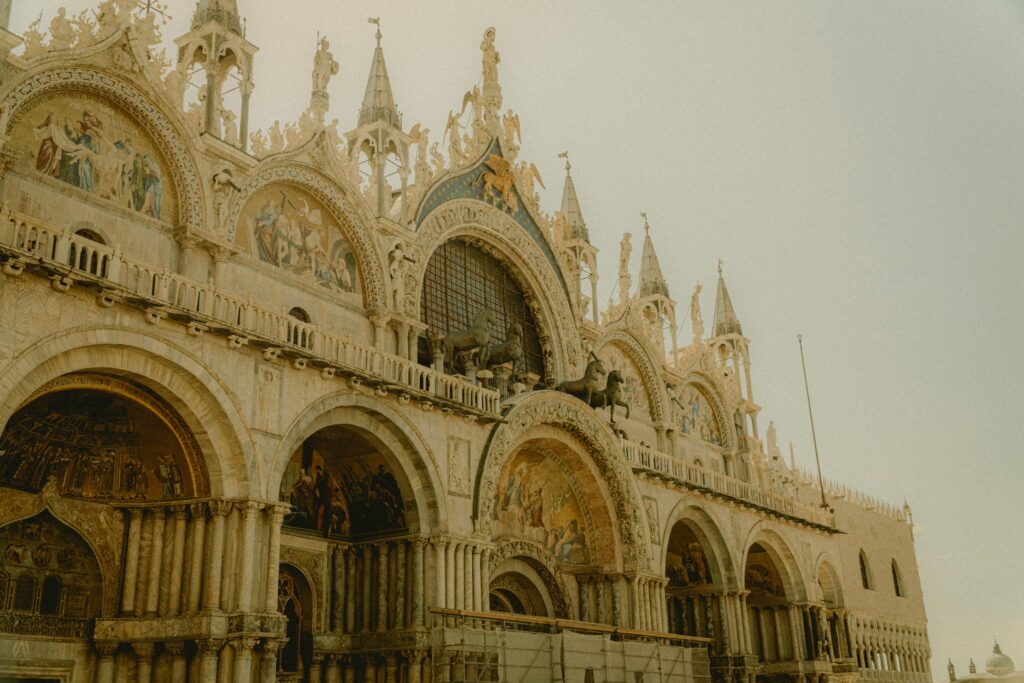
February: Choose It for Carnival, Not the Weather
February is still a winter month, with average highs around 10°C and lows near 4°C. The decision here is less about temperature and more about Carnival.
During Carnival, accommodation prices and crowds can look nothing like an ordinary winter week. Outside the festival period, February can still offer relatively quiet sightseeing.
Choose February if: Carnival is part of the reason you are coming.
Choose another month if: you want both mild weather and low crowds.
Pack: winter layers, weather-resistant shoes and something appropriate for any Carnival event you have booked.
Spring: March to May
Spring is my strongest season for visitors who expect to spend most of the day walking. Temperatures become much easier, daylight improves and you avoid the heaviest summer heat.
The trade-off is rain and increasingly busy streets as Easter and May approach.
March: Choose It for Value and Lighter Crowds
March brings a subtle shift toward early spring, with highs reaching about 13°C and lows around 7°C. Mornings and evenings stay chilly and showers are common, but rain usually arrives in short bursts rather than all-day drizzle, which leaves useful windows for walking.
Visitor numbers are moderate: busier than deep winter, but nothing like late spring, and accommodation is often noticeably better value.
Choose March if: you want a cheaper shoulder-season trip and do not mind carrying layers.
Choose another month if: sitting outside in reliable warm weather is an important part of the trip.
Pack: layers, a mid-weight jacket and shoes that can handle wet paving stones.
April: One of the Best Months for Walking
April is when Venice properly shakes off winter. Showers can arrive suddenly, occasionally with a thunderstorm, but they often pass quickly and the spring light is excellent for photographs.
April is one of the months I would choose for a walking-heavy itinerary. Average highs around 17°C are comfortable for long days outside without the physical drain of July heat.
The exception is Easter, when crowd levels can jump sharply.
Choose April if: sightseeing and walking matter more than beach weather.
Think twice if: your dates fall over Easter and avoiding crowds is the main goal.
Pack: a light waterproof layer, closed shoes and a light sweater.
May: Best Overall Balance for Many First Trips
Many travelers rate May as the most attractive time to see Venice. Gardens and window boxes are full of colour, and daylight stretches comfortably into the evening.
By May, daytime highs around 21°C make long walks, evening meals and vaporetto rides much easier than in winter. The trade-off is that spring showers are still possible and visitor numbers are now substantially higher.
Choose May if: you want warm weather without peak summer heat.
Choose another month if: avoiding crowds matters more than temperature.
Pack: light layers plus a packable rain jacket.
Summer: June to August
Summer gives you the longest days, warmest evenings and the best conditions for adding the Lido to the trip.
It also gives you humidity, strong sun and some of the busiest pedestrian routes of the year. If heat affects how far you can comfortably walk, that matters more than the tiny temperature difference between July and August.
June: My Pick for Summer Without Peak Heat
June brings long, bright days and warm evenings, with lows around 19°C keeping nights mild and the Adriatic finally warm enough that plenty of people swim at the Lido.
June is the summer month I would choose first for a walking-focused trip. Average highs around 26°C are already warm, but July and August usually feel heavier.
Storms can still arrive quickly, so warm weather does not mean you should leave every rain layer at home.
Choose June if: you want summer evenings and the option of a Lido day without committing to the hottest part of the year.
Pack: light clothes, sun protection and one compact rain layer.
July: Choose It Only If You Handle Heat Well
By July, temperatures rise quickly into full summer conditions, with an average high around 28°C. Humidity and reflected heat from stone paving can make a long sightseeing day feel much harder than that number suggests.
It is also one of the busiest months. Main attractions, canalside cafés and vaporetto routes are full for most of the day, and hotels charge top rates.
Choose July if: heat does not bother you and long summer evenings are a priority.
Choose another month if: your plan involves walking for six or seven hours every day.
My practical change in July would be to put outdoor sightseeing early and late in the day and use the hottest hours for museums, lunch or a hotel break.
Pack: breathable clothing, sunscreen, hat and a refillable water bottle.
August: Best If You Want to Add the Lido
August has a similar temperature profile to July, but the combination of heat and humidity can make intensive sightseeing tiring.
The advantage is the lagoon and beach side of the trip. If you genuinely want to spend time at the Lido, August gives you the warmest sea conditions of the year, with water temperatures around 25–26°C.
Some local businesses close around the mid-August national holidays, and mosquitoes are more noticeable on humid evenings near the water.
Choose August if: you want a Venice-and-beach trip.
Choose another month if: your priority is an all-day cultural itinerary on foot.
Pack: very light clothing, sun protection and mosquito repellent for evenings.
Autumn: September to November
September starts as an extension of summer, while October and November progressively become cooler, quieter and more tide-focused.
For me, autumn is where the weather forecast and tide forecast need to be treated as two different things.
September: Best Warm-Weather Compromise
September is one of my favorite choices once the major early-month events have passed. Average highs around 24°C are comfortable for walking and evenings remain pleasant.
Early September is not necessarily quiet: the Venice Film Festival and Regata Storica create their own demand, and prices near the Lido and San Marco rise around those dates.
Choose September if: you want warm weather but would rather avoid July and August heat.
Pack: late-summer clothes, a light jacket and rain protection.
October: Choose It for Atmosphere, but Watch the Tide Forecast
October is when I start treating the tide forecast as part of daily planning. Average highs around 19°C remain comfortable for walking, but the historical frequency of significant high tides rises sharply in autumn.
Do not interpret that as “Venice floods all October.” High-water events are temporary and highly dependent on the individual tide and weather situation.
Choose October if: you want cooler walking weather and fewer people than summer.
Choose another month if: even the possibility of adjusting a morning around high water would make you anxious.
Pack: a mid-weight jacket and genuinely weather-resistant shoes.
November: Best for Empty Streets, Highest High-Tide Risk
November is the month I would choose only if atmosphere and low crowds outweigh weather certainty. Average highs are around 13°C and lows around 9°C, with damp, grey and foggy conditions all possible.
More importantly, official historical tide data identifies November as the month with the greatest frequency of significant high tides.
That makes November very different from simply visiting on a rainy spring week.
Choose November if: moody winter light, photography and quieter streets are part of the appeal.
Choose another month if: you want the lowest possible chance of changing plans because of tides or wet weather.
Pack: a water-resistant coat, waterproof footwear and spare socks.
Acqua Alta: What the Tide Number Actually Means
If you visit between autumn and early spring, do not react to every “high tide” notification as though the entire city will be underwater.
The number matters.
According to Venice’s official Tide Centre, a tide of around 100 cm affects roughly 5% of public ground. At 110 cm, about 12% is affected. Around 120 cm, the figure rises to roughly 28%.
That explains why you can see dramatic photographs from Piazza San Marco while travelers only a short walk away are moving normally.
High-water events are also usually temporary. The Comune notes that even a 120 cm event typically lasts less than an hour and a half around its peak.
From September 15 through April 30, the city can activate raised pedestrian walkways. These routes are designed to maintain dry pedestrian access up to around 120 cm.
So my practical rule is:
- Check the tide height and time, not just whether an acqua alta alert exists.
- If the peak is scheduled for 9:30 a.m., it may change your morning route rather than ruin your entire day.
- For the most reliable information, use the official Centro Previsioni e Segnalazioni Maree rather than a generic weather app.
Which Month Should You Actually Choose?
If I were choosing purely for a first-time sightseeing trip, my order would be:
- Best overall: May or September
- Best for walking: April, May, June or September
- Best for low crowds: January, March or November
- Best for Carnival: February
- Best for the Lido: July or August
- Best for atmosphere: October or November
- Highest historical high-tide risk: November, followed by December and October
There is no universally perfect month. The useful question is which inconvenience bothers you least: winter damp, spring showers, summer heat or autumn tide uncertainty.
What Weather Changes in Your Daily Plan
In warm months, put long outdoor walks early in the morning and later in the afternoon rather than planning every piazza and bridge at midday.
In wet months, group indoor sights such as museums and churches so you have something useful to switch to when showers arrive.
In autumn and winter, check the official tide forecast the evening before and again in the morning. A tide peak is time-specific, so rearranging two activities can be more useful than cancelling an entire day.
And regardless of season, wear shoes you are happy walking in for several hours. Weather matters here partly because almost every sightseeing day involves substantial time on foot.
Frequently Asked Questions
What is the best month to visit Venice?
For a first sightseeing trip, I would choose May or September. Both generally provide comfortable temperatures for walking without the cold of winter or the heaviest summer heat.
What is the hottest month?
July and August have the highest average daytime temperatures, around 28°C or 82°F in the averages used in this guide.
What is the rainiest month?
Rain varies considerably from year to year, so I would not choose a trip solely around a single “rainiest month” statistic. Spring, early summer and autumn can all bring wet spells. For travelers, the more important difference is that autumn also introduces greater high-tide risk.
What months does Venice flood the most?
Official historical data shows that significant high tides occur most frequently in November, followed by December and October. Around 70% of the recorded high-tide events in the relevant historical dataset fall within those three months.
Is October a good month to visit?
Yes, particularly if you prefer cooler walking temperatures and lower crowd levels. The trade-off is a greater need to monitor the tide forecast.
Is November a bad time to visit?
Not necessarily. November can be excellent for photographers and travelers who prefer very quiet streets. It is a poor choice if reliable dry weather or minimal high-tide risk is important to you.
Is summer too hot?
It depends on how you travel. Highs around 28°C do not sound extreme, but lagoon humidity and hours of walking on exposed stone can make July and August tiring. If you dislike heat, June or September is a better compromise.
Is three days too much?
No. Three days gives you enough time to see the major sights without compressing everything into one exhausting walking day, and it gives you more flexibility if rain or a morning tide changes your plans.
For walking routes, quieter corners and practical advice on getting around whatever the forecast says, see the Venice guide at Italy on Foot.