If a Trenitalia Regionale train is cancelled, you do not need to undo or repeat a manual check-in. The current Biglietto Digitale Regionale (BDR) is automatically validated at the scheduled departure time of the train you selected. If the service is cancelled, keep the ticket on your phone and follow Trenitalia’s instructions for the replacement or next usable service. If you decide not to travel because of the cancellation, you can request a refund without a cancellation deduction.
This is why older advice about Italy regional train digital check-in can now be confusing. Trenitalia has removed the passenger check-in step for its standard Digital Regional Ticket. What matters during a disruption is whether your selected train’s scheduled departure time has passed, what alternative Trenitalia provides, and whether you want to continue or abandon the journey.
First: you normally do not check in anymore
For Trenitalia’s standard Digital Regional Ticket, there is no button you must press before boarding. Trenitalia states that the ticket validates automatically at the scheduled departure time of your selected train.
Before that scheduled departure time, you can normally change the time of your journey in the Trenitalia app or website. On the travel date, time changes are permitted up to the scheduled departure of the train currently attached to the ticket.
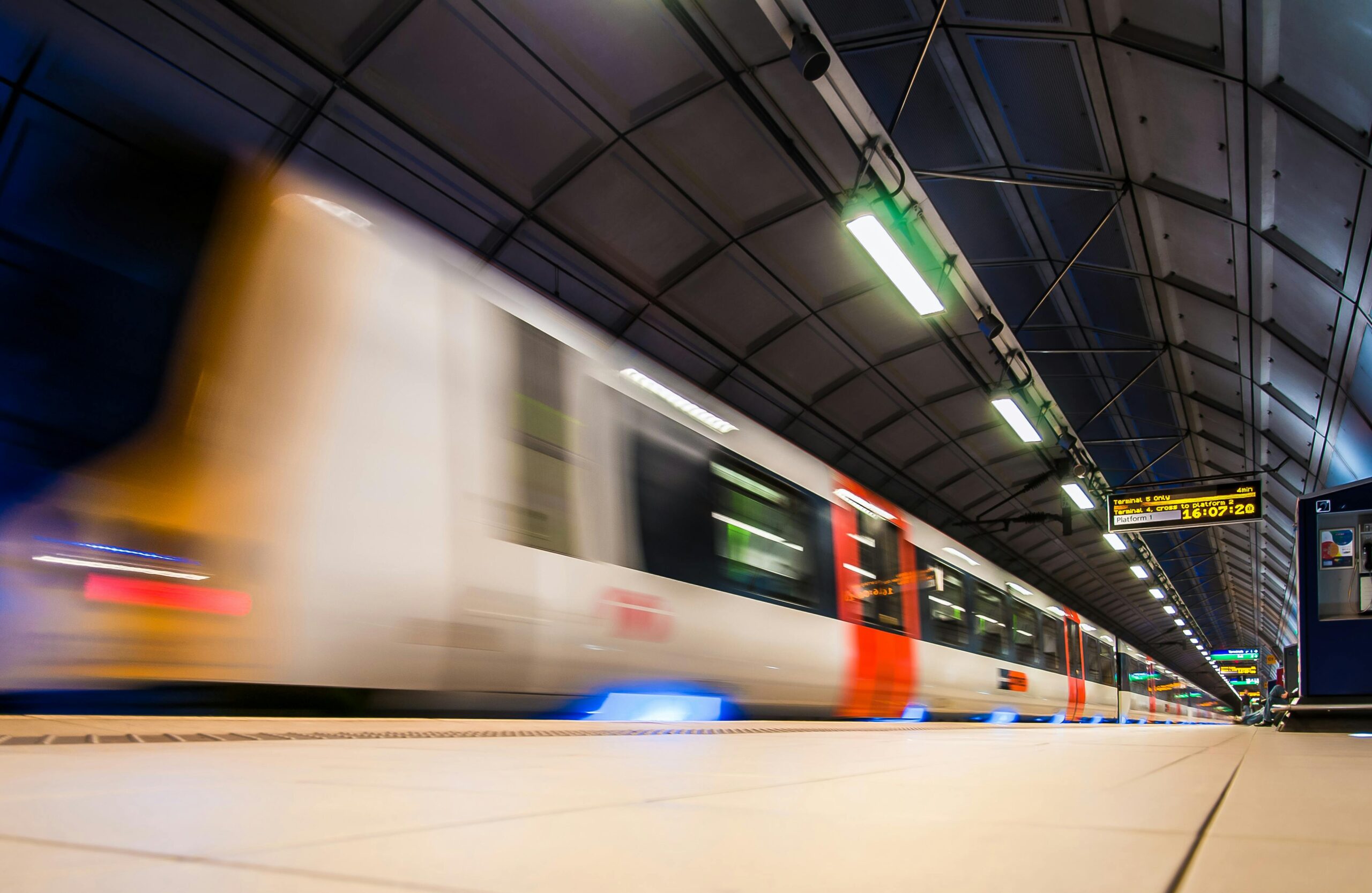
Once that time arrives, the ticket activates automatically. During an inspection, the BDR is displayed with the moving green validation bar. Because the ticket is personal, staff may also ask for identification.
If an article, video, or old screenshot tells you to find a check-in button before boarding a Trenitalia regional train, check its date. That procedure belongs to an earlier version of the digital ticket system.
What to do when the cancellation appears before departure
Suppose you have a BDR for a 14:20 Regionale and the departure board changes to CANCELLATO or SOPPRESSO at 14:05. You have two practical choices.
If you still want to travel
Open the ticket immediately and check whether the Manage or time-change option is still available. If Trenitalia is showing a later regional departure over the same route and the original scheduled departure time has not yet passed, changing the ticket time can make the replacement journey particularly straightforward.
Do not spend so long fighting with the app that you miss the information being given at the station. Check the departure board and listen for announcements. Useful Italian words include:
- Cancellato / Soppresso: cancelled
- Ritardo: delay
- Treno successivo: next train
- Servizio sostitutivo: replacement service, often a bus
- Bus sostitutivo: replacement bus
- Assistenza: customer assistance
- Biglietteria: ticket office
If the app will not let you change the ticket, do not automatically buy another one. A cancellation is an operator disruption, not the same thing as simply deciding you would prefer a different departure.
If you no longer want to travel
A train cancellation gives you stronger refund rights than a voluntary change of plans. Trenitalia’s current guidance says a passenger whose train is cancelled is entitled to a refund without a deduction. The safest course is to retain the original ticket and use Trenitalia’s official refund and compensation channels.
That distinction matters. The normal rules for voluntarily abandoning a regional journey have their own deadlines and fare conditions. A refund caused by Trenitalia cancelling the train is a different case.
What if the scheduled departure time has already passed?
This is the situation that tends to worry travelers most. Your cancelled 14:20 train reaches 14:20, the ticket automatically activates, and the app may stop offering the normal time-change function.
Do not delete the ticket and do not assume it has become useless. It is evidence of the journey you purchased and of the train affected by the disruption.
Trenitalia’s passenger-rights information says that in cases including train cancellation, passengers can choose between abandoning the trip and obtaining the applicable refund, or continuing toward the destination using the alternative solution provided by Trenitalia. Depending on the disruption, that may involve another regional train, a different permitted itinerary, or a replacement bus.
At a staffed station, show the activated ticket to Assistenza Clienti, the Biglietteria, or Trenitalia staff near the platforms if it is not obvious which service you should use. At a small unstaffed station, follow the live information in the Trenitalia app and station displays and keep screenshots of cancellation notices if they are available.
Can you simply board the next regional train?
Often the practical outcome is that passengers are sent onto the next useful regional service, but do not turn that into a universal rule that any later train is automatically acceptable.
Trenitalia explicitly says that when a Digital Regional Ticket has already validated and the selected train is delayed, the passenger may use the next available train on the same route, category and class without extra payment. A full cancellation also gives passengers rerouting rights, but the actual alternative can depend on the disruption and the services running that route.
So use this decision rule:
- If Trenitalia’s app, departure board, announcement, or staff directs passengers to a specific later train, use that service.
- If several alternatives exist and your ticket cannot be changed anymore, ask staff before boarding when possible.
- If there is no staff and the next train is clearly being used as the replacement for the cancelled service, keep the original ticket ready and explain the cancellation immediately if the conductor checks tickets.
- Do not independently switch from a regional service to Frecciarossa, Intercity, Italo, or another operator unless that option has been authorized.
Regional trains usually have no reserved seat, so being moved to a later Regionale does not involve obtaining a new seat assignment.
Do not confuse Trenitalia with Trenord or another operator
The rules above concern Trenitalia’s Biglietto Digitale Regionale. Italy’s local rail system contains several operators and ticket products that can look similar on a journey planner but follow different rules.
That is particularly relevant around Lombardy, parts of Emilia-Romagna, airport services, and journeys combining trains with buses, ferries, or other operators. A Trenord ticket, Trenitalia Tper product, integrated fare, Biglietto Elettronico Regionale (BER), and paper regional ticket should not automatically be treated as a standard Trenitalia BDR.
If you are still sorting out which type of train or ticket you have, the Italy on Foot guide to traveling around Italy by train explains the differences between regional, Intercity, high-speed, and local-operator services.
What happens with a connection?
If the cancelled regional train was only one leg of a longer journey, first look at how the itinerary was purchased.
A connection sold as one journey through Trenitalia gives you a much clearer disruption path than two unrelated tickets you assembled yourself. If the cancellation means you will miss a later Trenitalia service, show staff the entire itinerary rather than discussing only the cancelled regional leg.
Do this before buying a replacement high-speed ticket out of pocket. The appropriate solution could be a rebooking, authorization to use another service, or another rerouting arrangement.
Separate tickets are trickier, particularly when the second train belongs to another operator. Keep every ticket and any cancellation evidence. For multi-city trips where you are combining several rail legs, you can also organize the rest of your Italy route around realistic transfer times rather than treating every timetable connection as guaranteed.
What if it was the last train of the night?
A last-train cancellation deserves more caution than a daytime cancellation with another Regionale arriving 25 minutes later.
Look specifically for servizio sostitutivo or bus sostitutivo. Replacement buses do not always depart from the railway platform area. They may leave from the street outside the station, a nearby bus bay, or a temporary stop indicated by staff or signs.
If no alternative is immediately visible, contact Trenitalia before paying for an expensive taxi. Under Trenitalia’s published passenger-rights guidance, when a qualifying disruption occurs and alternative transport information has not been provided within 100 minutes of the scheduled departure, passengers may in certain circumstances arrange reasonable onward transport using other public rail, coach, or bus services and request reimbursement of necessary, appropriate, documented costs.
That wording matters: it is not a blanket promise that any taxi or private transfer will be reimbursed. Keep receipts and use the operator’s proposed solution whenever one is available.
If you have luggage, do not leave the station too quickly
A cancellation may trigger a platform change, a replacement train from another track, or a bus outside the station. With a suitcase, the costly mistake is walking out for coffee because the board briefly shows no replacement.
Stay close enough to the departure screens to catch updates. At major stations, check the main Partenze board as well as the small screen beside the original platform. A replacement service can receive a different train number or platform.
If buses are replacing trains, expect luggage to go underneath the coach when luggage holds are provided. Strollers and large cases can make boarding slower, so move toward the indicated replacement stop as soon as it is announced.
What to keep on your phone
Until you reach your destination or finish any refund request, keep:
- the original digital ticket and its ticket code;
- the email confirming the purchase;
- any notification saying the train was cancelled;
- a screenshot of the live train status if useful;
- tickets or receipts for an authorized alternative journey;
- receipts for necessary replacement transport if you later need to make a claim.
Do not rely entirely on a screenshot of the QR code for normal onboard inspection if the Trenitalia app or ticket link is working. The live BDR display includes the dynamic validation element staff expect to see.
The simplest sequence when your Regionale is cancelled
- Confirm that the train is actually marked Cancellato or Soppresso, rather than merely delayed.
- Keep your existing digital ticket. Do not purchase another ticket immediately.
- If the scheduled departure time has not passed, check whether you can change the departure time in the Trenitalia app.
- Check Partenze, announcements, and the app for the replacement train or servizio sostitutivo.
- If your ticket has already auto-validated, show it to Trenitalia staff and ask which onward service is authorized.
- If you abandon the journey because of the cancellation, retain the ticket and request the applicable no-deduction refund through Trenitalia.
- If the cancellation breaks a connection, show staff the complete booking before buying replacements yourself.
The key point is that a cancelled regional train does not leave you needing to somehow reverse a digital validation. The BDR system now activates automatically, while cancellation and rerouting are handled as disruption issues. Keep the ticket, follow the operator’s alternative-travel instructions, and treat a refund caused by cancellation separately from a voluntary decision to change your plans.