Several of Parma’s food museums are realistic day trips by public transport, but the network is spread across the province rather than concentrated in Parma itself. The easiest choices are the Pasta and Tomato museums at Corte di Giarola, the Prosciutto di Parma museum in Langhirano, the Wine Museum in Sala Baganza, and the Porcini Mushroom Museum in Borgo Val di Taro. The practical way to plan Parma food museums without a car is to choose one transport corridor, check the return journey before leaving Parma, and use a taxi only for the difficult final leg.
The biggest trap is opening days. Most museums operate mainly on Saturdays, Sundays and public holidays, exactly when provincial bus services can be less frequent. A museum being open does not mean there will be a convenient bus home at 18:00.
Which food museums are easiest without a car?
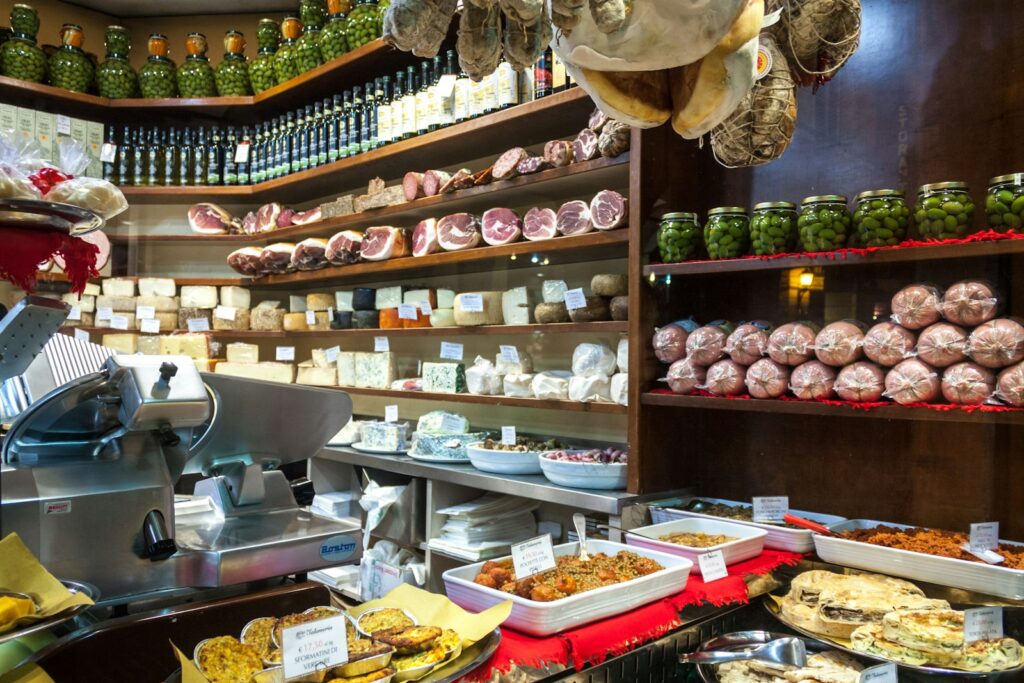
For a visitor based in Parma, these are the most straightforward choices:
- Museo della Pasta and Museo del Pomodoro: both are at Corte di Giarola near Collecchio. One bus journey gets you to two museums.
- Museo del Prosciutto di Parma: in Langhirano, with a direct TEP connection from Parma.
- Museo del Vino: in central Sala Baganza, close to the bus stop.
- Museo del Fungo Porcino di Borgotaro: unusually for this network, the train is often more useful than the bus.
The Parmigiano Reggiano Museum at Fontevivo and Salame Felino Museum are also possible by bus, although schedules need more attention. The Truffle Museum at Calestano involves a change. The Culatello Museum at Polesine Parmense is the one for which a prearranged taxi or transfer becomes much more attractive.
Start by checking the museum day, then the transport
The official Musei del Cibo website currently lists the standard public-opening period as roughly March to early December, with most sites open on Saturdays, Sundays and public holidays. Current museum pages generally give opening hours of 10:00 to 18:00, although individual sites have exceptions and split hours.
Weekday visits are a different matter. Many museums open Monday to Friday only by advance reservation, usually for groups or guided visits. Do not take a weekday bus into the province assuming somebody will simply open the museum when you arrive.
The full public calendar for 2027 has not yet been published. If your trip is in 2027, use the existing pattern only for planning purposes and check the individual museum page again once your travel date is closer.
There is another important mismatch on Sundays and holidays. Museum timetables may say festivi, meaning public holidays, while buses are operating an orario festivo, or holiday timetable. That can mean long gaps between services. Always plan the return trip before buying the outbound ticket.
Pasta and Tomato museums at Corte di Giarola
This is probably the most efficient choice for a visitor relying on buses because the Pasta Museum and Tomato Museum occupy the same Corte di Giarola complex in the Parco del Taro.
The official address is Strada Giarola 11, Collecchio. Do not make the common mistake of taking a bus only as far as central Collecchio. The museum’s own directions specify the Ponte Scodogna stop on the Parma-Collecchio-Fornovo route.
From Parma railway station, look for a TEP service running toward Collecchio and Fornovo and confirm that it serves Ponte Scodogna. From there you continue on foot toward Corte di Giarola. Check the stop sequence in both directions before travelling, particularly on Sunday.
Because both museums share the site, this is a sensible place to spend several hours rather than attempting to bolt another village onto the same afternoon. It also reduces the chance of losing half the day waiting for a second provincial bus.
Prosciutto di Parma Museum in Langhirano
The Museo del Prosciutto di Parma is in the former Foro Boario at Via Bocchialini 7, close to the centre of Langhirano.
The museum currently directs public-transport visitors to TEP line 12 between Parma railway station and Langhirano. Langhirano also appears on TEP’s provincial network, so check the precise journey rather than relying only on the line number printed in an older guide.
Once in town, the final section is walkable. The advantage here is that you are travelling to a substantial town rather than being dropped beside an isolated country road.
Langhirano is also one of the better places to build lunch into the outing. That matters because a museum visit finishing around 13:00 can otherwise leave you waiting for the next provincial departure with few alternatives.
Wine Museum in Sala Baganza
The Museo del Vino occupies the cellars of the Rocca Sanvitale in Piazza Gramsci, Sala Baganza.
The museum’s official directions identify TEP line 6 from Parma and the stop Sala Baganza centro. This is one of the easiest museum arrivals because the destination is in the town centre rather than outside the built-up area.
Check the museum’s own hours before travelling. Some published listings for the Wine Museum show a lunch closure even when the wider museum network advertises 10:00 to 18:00 opening. The individual museum page should take priority over a general summary.
Salame Felino Museum
The Salame Felino Museum is at Via Giosuè Carducci 11, Felino. The Comune di Felino identifies line 6 from Parma as the public-transport connection, with the museum a short walk from the centre of town.
Felino and Sala Baganza lie on the same general transport corridor, which can make them look tempting as a two-museum day. Do not assume the buses line up neatly, though. Check the actual Saturday or Sunday departures between the two places before committing to both.
If the connection creates a long wait, visit one properly and return to Parma rather than spending the afternoon beside a bus stop.
The Parmigiano Reggiano Museum is now in Fontevivo
This is where older travel information can send you to the wrong place. The Parmigiano Reggiano Museum moved in June 2026 from Soragna to a new site at Piazza Convento 1, Fontevivo.
The current official museum information directs visitors to the Parma-Fontanellato-Soragna-Busseto interurban bus route and specifically says to travel between Parma railway station and Fontevivo.
Do not search for the old Soragna address in a saved map, old blog post or printed itinerary. Confirm that your map pin says Fontevivo before you board.
Borgo Val di Taro: use the train when it works
The main Museo del Fungo Porcino di Borgotaro exhibition is at Via Cesare Battisti 86, Borgo Val di Taro. The museum itself lists both an interurban bus from Parma and the Parma-La Spezia railway line.
For most visitors, the train deserves to be checked first. It removes much of the uncertainty of a long provincial bus ride and gets you to a town with its own railway station. Compare the return trains before departure, especially at weekends.
The museum has a second location at Albareto, but that is a different transport problem. The Albareto branch requires advance planning and is much less convenient as a casual addition to the main Borgotaro visit.
Calestano and the Truffle Museum require a change
The Museo del Tartufo di Fragno is at Via Maschi 2, Calestano. Its official directions tell public-transport visitors to take line 6 from Parma toward Felino and then change in Felino for the bus to Calestano.
Get off at Calestano Piazza Europa. The museum directions then describe a walk of roughly 100 metres through the centre.
This is a journey where the outbound connection can look perfectly reasonable while the return is awkward. Check all four legs before leaving Parma: Parma to Felino, Felino to Calestano, Calestano back to Felino, and Felino back to Parma.
If one missed connection would leave you waiting for hours, this is a good place to arrange a taxi for one direction instead of trying to force the entire trip onto the bus network.
Culatello at Polesine Parmense: consider a taxi
The Museo del Culatello e del Masalén is inside Antica Corte Pallavicina at Strada Palazzo Due Torri 3, Polesine Parmense, in the lowlands north-west of Parma.
This is not one of the museums the official network highlights as especially easy by regular public transport. For a short stay in Parma, a prebooked taxi or private transfer is usually more practical than constructing a complicated sequence of rural connections.
The important part is arranging the return as well as the outward journey. A rural museum or restaurant is not the place to discover at 17:30 that there is no taxi rank and the nearest available car is back in Parma.
How Parma’s TEP bus tickets work
TEP operates Parma’s city and provincial bus network. For current departures, route changes and seasonal timetables, check the official TEP website on the day before travel.
Current TEP rules allow contactless payment across both urban and extraurban buses. For a trip outside Parma, use the green onboard validator and select the required fare zones. If you do not know how many zones you need, the validator has a destination search function. TEP currently says there is no tap-out when you leave the bus.
Paper tickets now use a QR code and must be scanned when boarding. Tickets bought in the Teseo app also have to be validated onboard. The driver is no longer the normal cash ticket seller.
This is one of those details worth sorting out before the bus arrives. Our guide to bus ticket validation in Italy explains why buying a ticket and validating it are separate steps on many Italian networks.
Finding your bus at Parma station
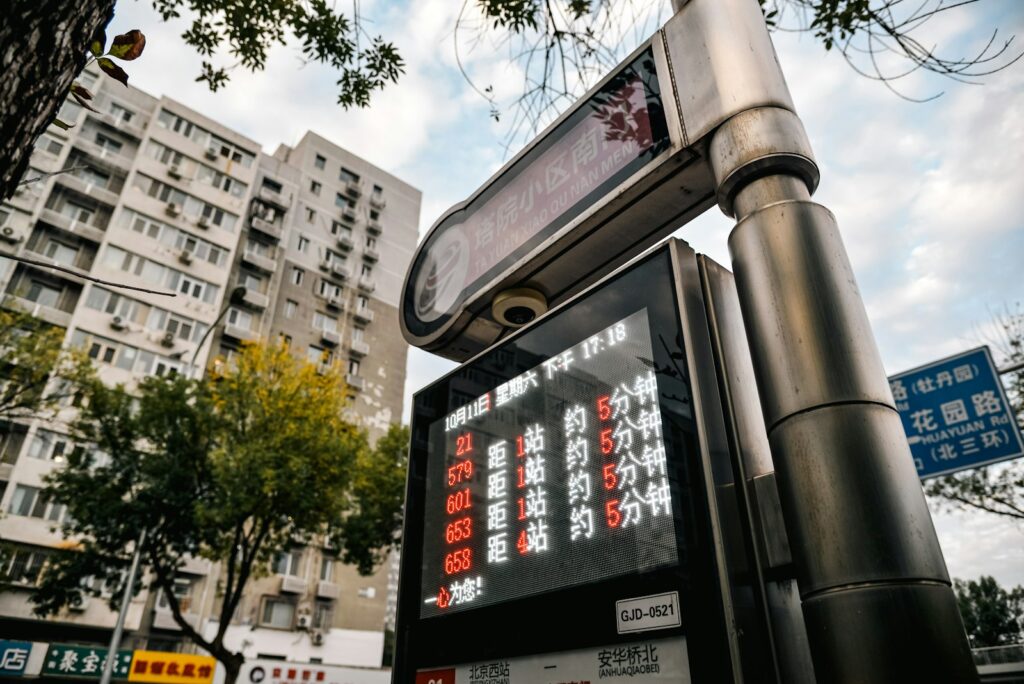
Use Parma Stazione FS as your transport reference rather than assuming every provincial service leaves from exactly the same curb. TEP services around the station use different stops and directions.
After leaving the train, look for signs to Uscita and then check the bus stop name and destination shown in TEP’s journey planner. If you are arriving with luggage, choosing the correct side of the station first saves an unnecessary loop around the building. The same principle is covered in our guide to choosing the correct Italian station exit.
Useful transport words include fermata for stop, partenza for departure, arrivo for arrival, feriale for a weekday timetable and festivo for Sundays and public holidays.
When a taxi is worth the money
A taxi is most useful as a problem-solver rather than as the default way to tour the entire museum circuit.
- Use the bus outward and a prearranged taxi back when the final Sunday service is too early.
- Use a taxi between two rural museums when the public-transport connection would require returning almost all the way to Parma.
- Choose a taxi for Polesine Parmense or another poorly connected site when the bus plan involves several changes.
- For three or four travellers, compare the combined bus fares and waiting time with the cost of one taxi before dismissing it.
Parma taxi fares are regulated by the Comune. The current municipal tariff decision sets the official meter rates and supplements. Journeys to the food-museum towns are not all covered by simple fixed tourist fares, so ask for an approximate price when booking.
For the return, give the dispatcher the exact museum name, village and pickup time. Saying only “the Parmesan museum” is particularly risky now that its location has changed.
Do not tour the museums with a large suitcase
These are small museums in castles, agricultural complexes and provincial towns. Do not assume there will be staffed luggage storage suitable for airline-size cases.
If Parma is your base, leave large luggage at your accommodation. If you are visiting between trains, verify a storage option in Parma separately before building the day around a museum. A small backpack is much easier on provincial buses and on the walks between stops and museum entrances.
Travellers with a stroller or limited mobility should also check the individual museum rather than assuming every historic building has the same level of access. The museum network publishes accessibility information, but the more difficult part of a no-car visit may be the walk from the bus stop, not the exhibition itself.
A sensible one-day plan
Trying to collect three or four museums by public transport usually creates more waiting than sightseeing. Build the day around one destination or one natural pair.
- Choose a museum that is confirmed open on your date.
- Find the return bus or train first.
- Work backward to decide which outbound service you need.
- Allow time to walk from the stop to the entrance.
- Check where lunch fits, particularly in smaller towns.
- Save the museum address and the name of the return stop offline.
- If the final connection is fragile, prebook a taxi before leaving Parma.
The strongest pairing is Pasta plus Tomato at Corte di Giarola because there is no second transport transfer between museums. A single-site day in Langhirano, Sala Baganza or Borgo Val di Taro is similarly easy to understand and leaves room for lunch rather than turning the day into a timetable exercise.
If these museum outings are part of a longer Emilia-Romagna trip, you can build your Italy itinerary around the days when the provincial sites are actually open instead of discovering after arrival that your Parma stay falls entirely on weekdays.
What to do if the plan goes wrong
If you miss an outbound bus, check the next service before taking a taxi automatically. On a Saturday there may be another workable departure. On a Sunday, a missed bus can remove the visit entirely because the next one may arrive too late to justify the journey.
If you miss the return bus, first check whether another TEP route reaches Parma from a nearby central stop. In Langhirano, Felino and Sala Baganza there may be more than one useful service pattern during the day. Do not start walking toward another town along a provincial road unless you have confirmed that the route is suitable for pedestrians.
If the museum is unexpectedly closed, keep the transport problem separate from the sightseeing disappointment. Work out the next confirmed bus or train first, then decide how to use the waiting time in the town. Small provincial stops can have much longer gaps than urban Parma.
Above all, keep the name of your return stop in Italian. Asking for “la fermata per Parma”, the stop for Parma, is much more useful than asking vaguely where the buses are. On rural museum days, that one detail can save more time than any carefully optimized itinerary.