If a rented car starts failing, get it out of moving traffic, switch on the hazard lights, put on the high-visibility vest before stepping onto the road, and call the rental company’s roadside-assistance number before approving a tow or repair. A rental car breakdown in Italy becomes urgent if the vehicle is stuck in a live lane, inside a tunnel, smoking, on fire, or anyone is injured. In those cases, call 112 as well. On a toll motorway, keep the entry ticket and ask how the exit toll will be handled.
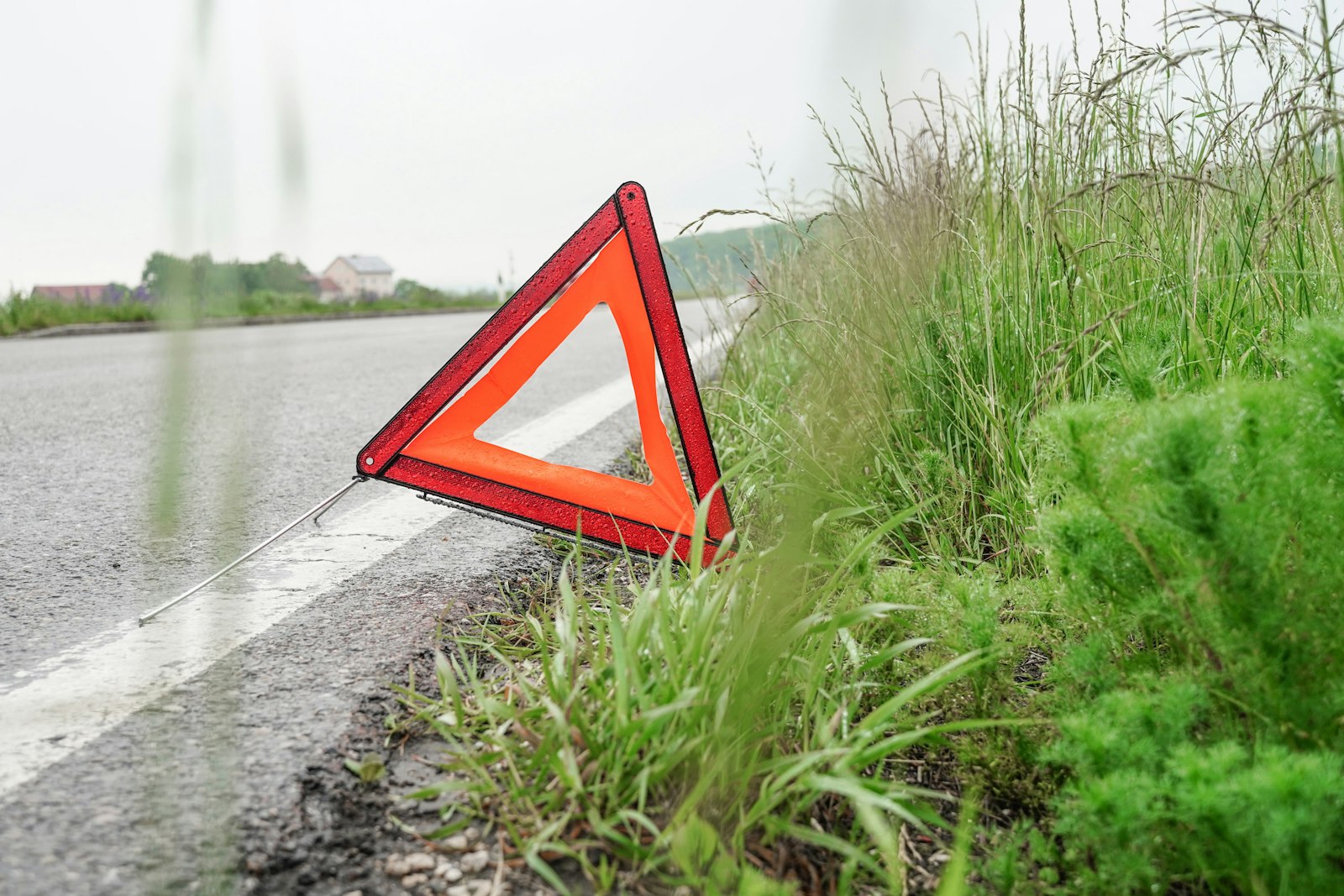
The first five minutes: do this in order
- Move as far out of traffic as the car safely allows. On an autostrada, aim for the corsia di emergenza (emergency lane) or a piazzola di sosta (emergency lay-by). Do not try to reach the next exit if the car is overheating, has lost oil pressure, has a damaged tyre, has steering or brake trouble, or shows another safety-critical fault.
- Turn on the four-way flashers. In Italian, these are commonly called quattro frecce.
- Put on the reflective vest before getting out. Keep it in the cabin, not buried under luggage in the boot. Italy’s road rules on stopped vehicles require the driver to use high-visibility protection in the specified roadside-emergency situations outside built-up areas. If more vests are available, give them to passengers who must leave the car too.
- Get people away from traffic. On a motorway, exit from the side away from moving vehicles if possible and wait behind the guardrail or another protected area. ACI specifically advises leaving from the passenger side where that reduces exposure to traffic.
- Call the rental company’s assistance line. Look on the rental agreement, key tag, rental app, windscreen paperwork, or glovebox wallet. Have the registration number, contract number and exact location ready.
If the car is immobilised in a live traffic lane, do not spend several minutes searching the boot for documents before calling for help. Give your location first, then deal with paperwork from a safe place.
Where to stop depends on the road
On an autostrada or major divided road
Italian motorway rules in Article 176 allow stopping on the carriageway, ramps and junctions only for a genuine emergency such as illness or vehicle failure. If possible, the car must be moved as quickly as possible to the emergency lane or the first lay-by in the direction of travel. An emergency stop must last only as long as necessary and cannot continue beyond three hours, after which the vehicle may be removed.
If the car cannot be moved out of the carriageway, Article 176 requires the warning triangle at least 100 metres behind it. The same article adds triangle requirements for certain low-visibility situations on the emergency shoulder. Safety comes first: do not walk into a live lane simply to place the triangle. If the location makes that dangerous, call 112 or the motorway control service and follow their instructions.
Do not reverse along the motorway, drive down the emergency lane to reach an exit, or attempt a private tow with another car. Ordinary vehicles are not allowed to tow a broken vehicle on the motorway.
On an ordinary road
Coast or steer to the right edge, a parking area, service station, or other place fully clear of traffic if the car can get there safely. Outside built-up areas, a stopped vehicle that cannot be seen from a sufficient distance must be warned with the approved triangle. Leave enough room for passing traffic and do not stand between the disabled car and approaching vehicles.
If the car stops inside a tunnel
Turn on the hazard lights and, if the vehicle can still move safely, try to reach an emergency bay, the right side, or the tunnel exit. If it cannot, switch off the engine, put on the reflective vest, use the tunnel’s SOS equipment if available, and call 112. Follow the green emergency-exit signs rather than walking along a traffic lane. Autostrade per l’Italia’s tunnel guidance specifically treats a disabled vehicle in a tunnel as an emergency.
If it dies in a toll-booth lane
Stay put, switch on the hazards and use the assistance button or intercom at the booth. Do not reverse out of the lane or weave across toll lanes on foot. Tell the operator that the vehicle cannot move so motorway control can be alerted, then contact the rental company.
Who should you call?
1. The rental company is usually the first mechanical call
For a normal breakdown in a safe location, use the roadside-assistance number supplied with the rental. Major rental companies commonly instruct customers to call their own assistance service and not arrange repairs independently. Coverage varies by contract, so the number and instructions in your rental paperwork matter more than a generic roadside number found online. Avis, for example, tells renters in Italy to call the assistance number on the rental documents and not repair the car without formal consent; SIXT gives the same basic instruction for technical faults.
2. Call 112 when there is immediate danger
Use 112 if someone is injured, the vehicle is stuck in a live lane, there is smoke or fire, the location is dangerously exposed, or you are in a tunnel and cannot get to safety. The European emergency number is free and operates 24 hours a day. It is for emergency response, not a substitute for routine mechanical roadside assistance when the car is safely parked.
3. On a motorway, use the concessionaire’s roadside system if needed
On the Autostrade per l’Italia network, authorised mechanical-assistance organisations can be called for a vehicle failure, and SOS columns along the emergency lane connect to the motorway control centre and identify the location of the call. ASPI says these columns are installed roughly every two kilometres on its network. If your rental company is already arranging recovery, tell them you are on a controlled motorway so they can coordinate an authorised operator. If you cannot reach the rental line and the car is exposed, use the SOS system or emergency services instead of searching for a random tow company.
Autostrade per l’Italia publishes its current mechanical-assistance information here. Remember that Italy has several motorway concessionaires, so ASPI phone numbers and procedures do not automatically apply to every toll road.
What to tell roadside assistance
The call goes much faster if you can give a motorway, direction and kilometre marker instead of only a nearby town. Look for the road number, the direction on the last overhead sign, and the nearest progressiva chilometrica or kilometre marker.
- Road and direction: “A1, direzione Firenze.”
- Location: “Sono al chilometro 312.”
- Problem: “La macchina è in avaria” or “La macchina non parte.”
- Position: “Sono sulla corsia di emergenza” or “Il veicolo è fermo in carreggiata.”
- Tow needed: “Ho bisogno di un carro attrezzi.”
- Injuries: “Non ci sono feriti” or “Ci sono feriti.”
Also give the registration plate, rental company, contract number, car make and model, warning lights or symptoms, and whether there are children, a wheelchair user, or anyone who cannot climb over a guardrail. A map pin or coordinates can also help when kilometre information is hard to find.
Do not authorise your own repair unless the rental company says yes
A tempting response to a flat tyre or dead battery is to call the nearest garage and sort it out yourself. That can create a reimbursement problem. Rental terms commonly require prior approval for towing or repairs, even when the work seems minor. If road authorities order an immediate tow because the vehicle is blocking traffic, safety takes priority, but notify the rental company as soon as you are secure and give them the tow operator’s details.
For a puncture on a motorway shoulder, do not assume changing the wheel yourself is the best option. The traffic-side risk can be greater than the inconvenience of waiting for recovery. The same caution applies to jump-starting a modern rental car or clearing fault codes. Follow the rental company’s instructions.
Mechanical failure may be covered, driver-caused problems may not be
Basic roadside assistance often covers a genuine mechanical defect that was not caused by the renter. The expensive surprises tend to be problems such as running out of fuel, putting in the wrong fuel, losing or damaging the keys, tyre damage, or flattening the battery through driver error. Some companies include these only with an extended roadside package. Avis currently lists several of those situations outside its standard assistance unless upgraded, and Europcar’s published terms distinguish ordinary mechanical failure from driver-caused events in a similar way.
If you realise you have used the wrong fuel, do not start the engine. If it is already running, stop as soon as it is safe and call the rental company. A tow and fuel-system work may be far cheaper than engine damage caused by continuing to drive.
What happens to you after the tow?
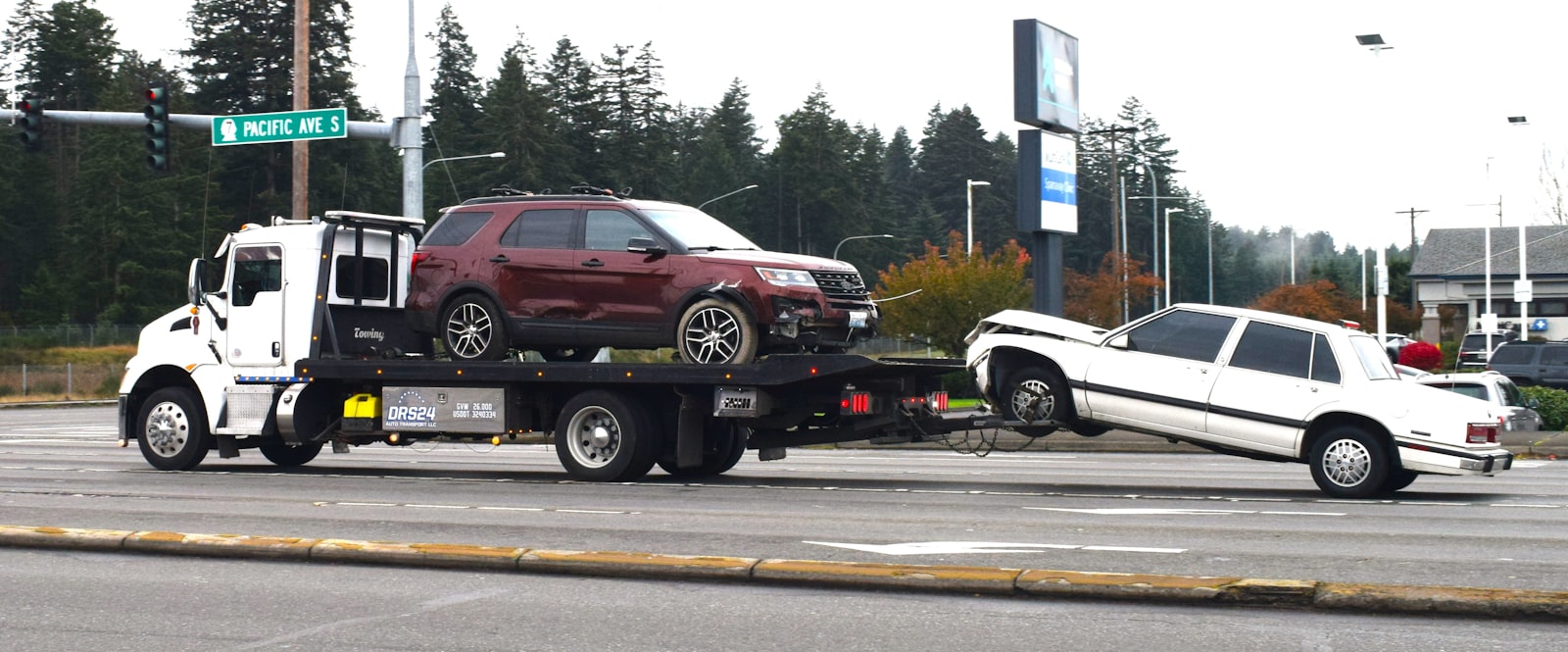
The recovery truck may take the car to a depot, authorised workshop, rental branch, or another location chosen by the rental company. A replacement car is not always waiting at the roadside. Availability depends on the company, your location, vehicle category and branch opening hours.
Before the tow truck leaves, get the destination, operator name, job or reference number, and a receipt for anything you pay. Ask the rental company where the replacement will be collected and whether a taxi, train, hotel, or other onward transport is authorised. Do not assume an expense will be reimbursed simply because the breakdown was not your fault.
If the interruption forces you to reshuffle a driving day, you can rebuild the rest of your Italy route around the replacement-car pickup point instead of trying to preserve a plan that no longer makes geographic sense.
How motorway tolls work when the car is recovered
A breakdown does not automatically cancel the toll for the motorway section already travelled. If you entered a closed toll system by taking a paper ticket, keep that ticket with you rather than leaving it in the glovebox of a car that is being towed away. Note the entry casello, motorway number, direction, approximate time and the exit used by the recovery vehicle.
If the tow truck takes the car through an exit
Ask the recovery operator whether the rental vehicle’s toll has been settled, included in the recovery procedure, or left as a mancato pagamento del pedaggio (unpaid-toll report). Do not assume that loading the car onto a recovery truck makes the original toll disappear.
On the Autostrade per l’Italia network, a missed toll can be dealt with through the official unpaid-toll service. ASPI also provides a specific procedure for a person who travelled on a rescue vehicle and could not settle the toll at the exit. These are ASPI procedures, not universal rules for every Italian motorway concessionaire.
If the entry ticket is lost during the recovery
On ASPI’s closed network, a missing or unrecognised entry can initially produce a toll calculated from the farthest possible entry station. The operator allows the traveller to self-certify the actual entry and request a recalculation. Keep the tow receipt, rental agreement and any phone screenshots showing your route because they can help establish where the trip began.
If the rental has a Telepass or other telepedaggio device
Tell the rental company that the car was recovered before assuming the electronic toll record is complete. The entry may have been captured normally while the exit was handled in an unusual way by the recovery process. Keep the tow paperwork until the final rental invoice and toll charges have settled.
Luggage, children and reduced mobility
Take passports, medication, wallets, phones and essential travel documents with you if you can do so without spending extra time exposed to traffic. Do not unload suitcases onto a motorway shoulder while vehicles are passing close by. Once the recovery vehicle or police have protected the scene, ask when and where it is safe to transfer baggage.
With children, move them to the protected side of the vehicle and behind the barrier if this can be done safely. If the replacement car requires a child seat, tell the rental company before leaving the disabled vehicle so the seat can be transferred or another suitable one arranged.
For a passenger with reduced mobility, tell both roadside assistance and 112, when emergency services are involved, exactly what help is needed. If climbing a barrier or walking along the shoulder would create a greater danger, do not improvise. Give the operator the passenger’s mobility limits so the response can be planned around them.
Late-night, Sunday and holiday breakdowns
Many rental roadside-assistance lines operate around the clock even when rental branches are closed, but the exact service depends on your contract. A replacement vehicle may have to wait until a staffed location opens. Before agreeing to leave with the tow truck, confirm four things: where the car is going, where you are going, when the relevant depot or rental branch opens, and who is paying for any taxi or overnight stay.
If the car is recovered after hours, photograph the exterior once it is in a safe, well-lit place and keep every receipt. Do not leave passports or necessary medication in a vehicle that may sit overnight in a locked compound.
Common mistakes that make a bad situation more expensive
- Driving on with a red warning light, overheating engine or damaged tyre. A simple roadside problem can become major mechanical damage.
- Standing on the traffic side of the car. Once out, move to the protected side and away from the carriageway.
- Calling the first tow company found in a web search. Your rental contract may require its own provider, and motorway recovery may need an authorised operator.
- Approving a repair without written or recorded authorisation. Reimbursement can be refused even when the repair itself was reasonable.
- Losing the toll ticket. Keep it with your rental documents until the motorway journey is fully resolved.
- Letting the tow leave without a destination or reference number. You need to know where the car, keys and luggage are going.
- Assuming “roadside assistance included” means every cause is free. Keys, fuel, tyres and driver-caused battery problems are common exclusions or upgrades.
A two-minute check before the next rental-car day
Save the roadside number in your phone before leaving the rental lot. Locate the reflective vest and warning triangle while the car is parked safely, check whether the rental has a telepedaggio device, and confirm the fuel type printed on the key tag or fuel flap. Keep the rental agreement accessible without unpacking the boot.
If you are still deciding which company or coverage level to use, the Italy on Foot car-rental overview for Italy is a useful next step. The most important question at the desk is not “Is roadside assistance included?” but “Which breakdown causes are excluded, and what number must I call before any tow or repair?”