The crossing between Maderno and Torri del Benaco is the practical way to move a car directly between Lake Garda’s western and eastern shores without driving around the north or south end of the lake. The Lake Garda car ferry takes about 30 minutes, carries ordinary cars, motorcycles, bicycles and campers, and runs several times through the day in the main season. The detail that catches drivers out is the name: on the Toscolano Maderno side, follow signs for Maderno, not Toscolano.
Vehicle space is limited and loading is based on the vehicles presenting themselves at the quay, so arriving for the departure time itself is too late a strategy in busy weather. Navigazione Laghi recommends reaching the ticket office about 20 minutes before departure, and allowing more time is sensible on summer weekends and holidays.
Where the vehicle ferry actually leaves from
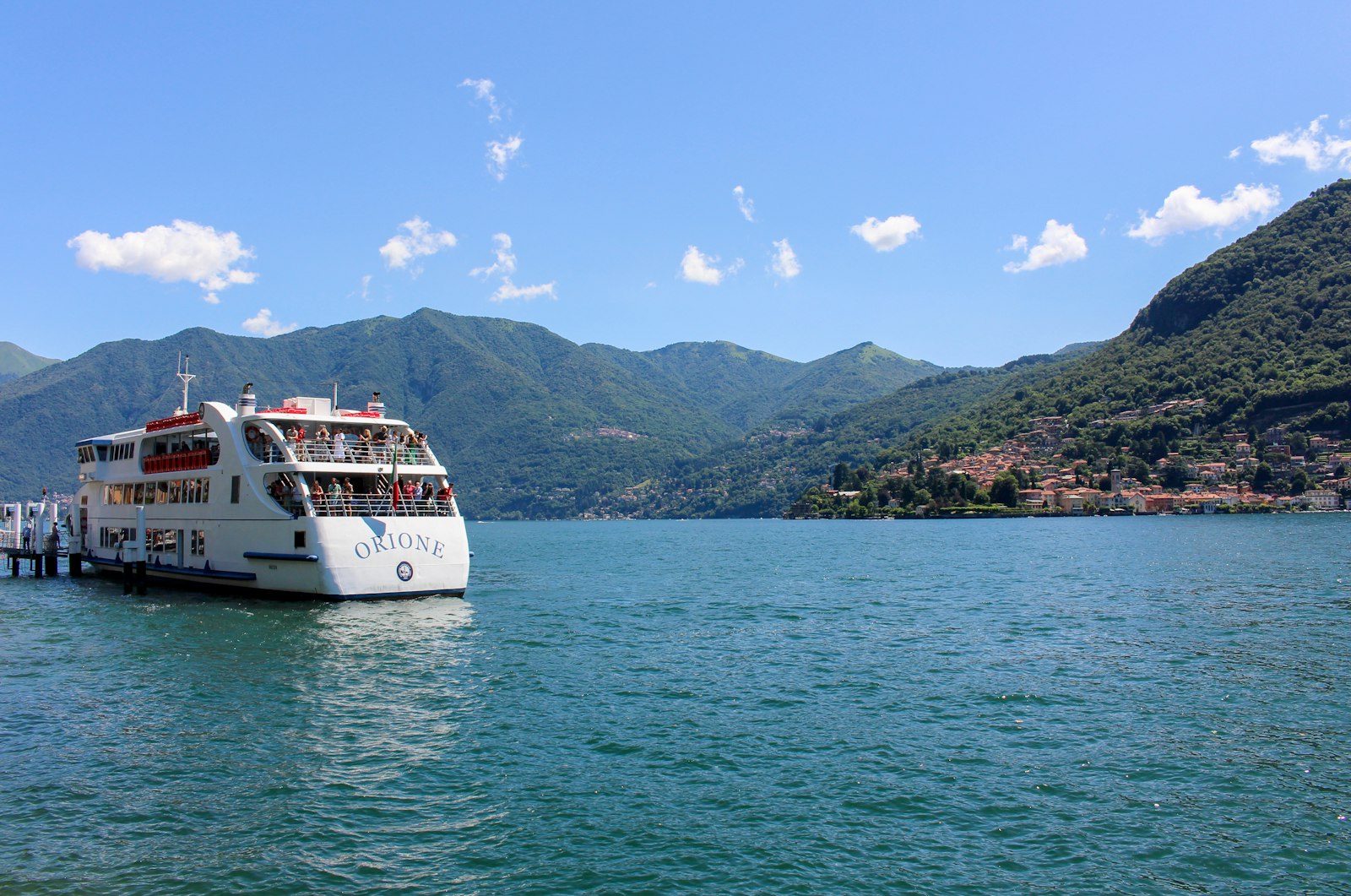
Toscolano Maderno: go to Maderno
The municipality is called Toscolano Maderno, but the official ferry timetable calls the western terminal simply Maderno. The vehicle embarkation area is on the Maderno waterfront around Lungolago Giuseppe Zanardelli. Look for road signs containing Traghetto, the Italian word for ferry, rather than blindly following signs for every passenger imbarcadero or boat pier.
This distinction matters because Maderno also has passenger boat services. You need the vehicle loading area with road access and a queue of cars leading toward the ferry ramp. If your navigation app has taken you into a pedestrian waterfront area, stop trying to get closer to the water and look again for Traghetto Maderno-Torri.
Torri del Benaco: use the vehicle terminal south of the old centre
On the eastern shore, the car loading point is beside Viale Guglielmo Marconi, immediately south of Torri del Benaco’s historic centre. This is not a case of driving into the narrow old streets near the castle and harbour. Follow Traghetto signs from the SR249/Gardesana road into the dedicated embarkation approach.
If you are coming from Garda or Bardolino, you approach Torri from the south. From Malcesine, you arrive from the north and continue through Torri toward the ferry entrance rather than turning into the old centre.
How often it runs and how long the crossing takes
For the published summer timetable from 16 May to 4 October 2026, most crossings take around 30 minutes. Departures are generally spaced about 35 to 40 minutes apart, but there is a significant midday break, so do not assume that another boat always leaves half an hour later.
- Maderno to Torri: the 2026 summer schedule starts at 08:00, with the last departure at 19:15.
- Torri to Maderno: the first departure is at 08:35 and the last at 19:50, arriving at Maderno at 20:20.
- Midday: the timetable has departures at 12:25 from both sides, followed by the next departures at 14:00.
Those times apply only to the stated timetable period. Check the official Navigazione Laghi Lake Garda timetable for your actual travel date, especially in spring, autumn or after a weather disruption.
How much it costs to take a car in 2026
Vehicle fares are based mainly on length, and the driver is included in the car price. The fares in force from 1 April 2026 are:
- Car up to 3.50 m: €12.30 one way
- Car over 3.50 m and up to 4.50 m: €14.90 one way
- Car over 4.50 m: €18.40 one way
- Camper: €25.00 one way
- Additional adult passenger: €7.50
- Child aged 4 to 11: €3.80
Children who have not yet turned four travel free under the operator’s general child conditions when accompanied by an adult and not occupying a separate seat. A return journey is simply twice the one-way price rather than a discounted return fare.
If you have a rental car and are unsure which length bracket applies, check the vehicle model rather than guessing from categories such as “compact” or “SUV”. A few centimetres can move the car into another fare band. Current prices can be checked on the operator’s Lake Garda fare page.
Buying the ticket and joining the vehicle queue
Navigazione Laghi’s online journey search includes a Veicoli al seguito option, meaning vehicles accompanying the passenger. You can also buy at the ticket office beside the embarkation point.
Do not confuse buying a ticket with turning up at the ramp at the last minute. The published operating rules say vehicles are normally embarked according to their order of presentation at the quay, apart from priority for emergency vehicles, and the timetable explicitly warns that places are limited by vessel capacity.
- Drive to the traghetto vehicle terminal.
- Join the marked vehicle queue rather than parking elsewhere on the waterfront.
- Buy or show the correct ticket for the vehicle, driver and additional passengers.
- Stay with the car and move forward only when directed by terminal or ferry staff.
- Drive onto the ramp slowly and follow the crew member’s parking instructions precisely.
If tickets are bought on board while the shore ticket office is open, the summer timetable states that a €1 surcharge can apply for each passenger, luggage item or vehicle. The surcharge is not applied when the shore ticket office is closed. Buying beforehand also removes one job from the few minutes before loading.
What happens when you drive onto the ferry
The driver is responsible for driving the vehicle on and off the vessel. Crew members decide where each vehicle should be positioned, partly because they have to distribute cars safely across a limited deck. A small car arriving behind a larger vehicle may therefore be directed differently even though the queue itself is based on arrival order.
Once positioned, stop the engine, select Park or leave a manual car in gear, and apply the parking brake. The operator’s published ferry regulations also require ignition keys to be removed and prohibit smoking and repair work on the vehicle during the crossing. Follow current crew instructions if they differ for the particular vessel being used.
Passengers should not wander around the ramp while cars are moving. The operating procedure separates pedestrian movement from vehicle loading as much as possible, so companions may be told to wait or move to a passenger area while the driver parks.
What to do with luggage
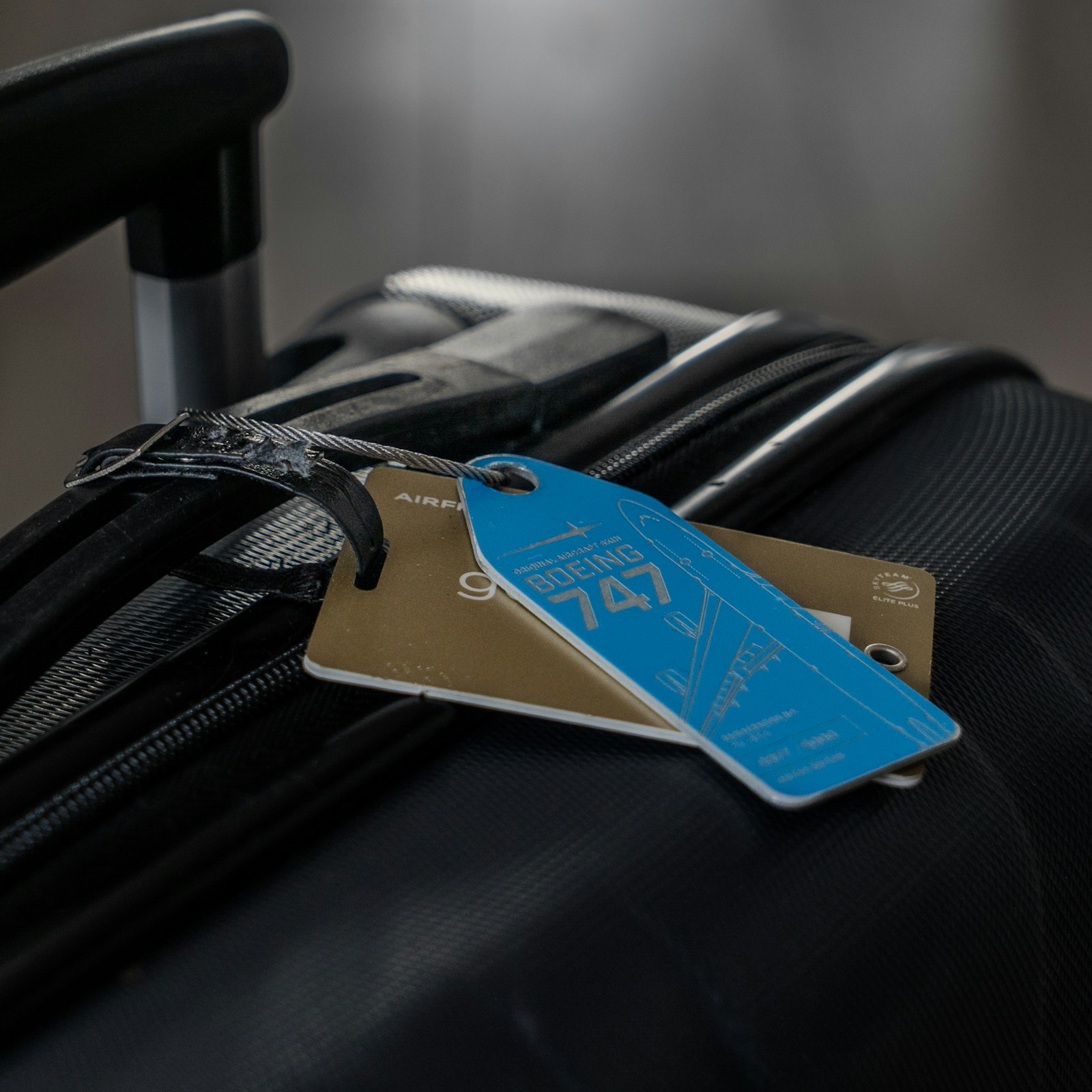
You do not need to unload normal suitcases from a car just to cross the lake. The vehicle and its load remain in the driver’s custody during the trip. Keep passports, wallets, medication and anything you might need during the short crossing with you rather than buried underneath several suitcases.
This is especially useful with a rental car full of luggage: there is no airport-style baggage handover and no reason to drag suitcases through the passenger area. Once the ferry docks, you return to the vehicle when instructed and drive straight off.
Arrive earlier than 20 minutes in peak summer
The operator’s 20-minute recommendation is a useful minimum, not a promise that the final car arriving 20 minutes early will fit. Saturday changeover traffic, sunny Sundays and Italian public holidays can produce a substantial vehicle queue.
For an ordinary summer weekday, arriving 25 to 30 minutes early gives you some breathing room. For a weekend crossing that matters to an onward reservation, allow considerably more. The cost of arriving early is a short wait beside the lake; the cost of missing the deck can be another departure cycle or, around the midday gap, much longer.
If you are deciding where to base yourself before planning repeated cross-lake trips, the Italy on Foot guide to where to stay on Lake Garda explains why choosing the correct shore can save more time than repeatedly crossing the lake.
A current 2026 vehicle-service restriction that looks worse than it is
As of 4 September 2026, Navigazione Laghi has a temporary restriction on some numbered Maderno-Torri sailings. On services numbered 231 through 246, ordinary cars, motorcycles and bicycles are still accepted, but buses, trucks and articulated vehicles are temporarily excluded. Larger commercial vehicles can use specified services numbered 201 through 218.
That means a rental-car driver seeing a general “vehicle transport” notice should not automatically assume the crossing has closed to cars. Check the latest Navigazione Laghi service notices on the day you travel, since this restriction is explicitly in force only until a further announcement.
Using the ferry with children or reduced mobility
Families can leave strollers and most luggage in the car until loading is finished. Keep children away from the vehicle ramp while cars are moving, and follow crew directions about when passengers can leave or return to the vehicle.
The 2026 summer timetable marks all Maderno-Torri ferry services as recommended for passengers using wheelchairs. If someone in your car needs extra door-opening space or cannot comfortably move between tightly parked vehicles, tell the crew before they assign the final parking position. Asking after cars have been packed tightly around you is much harder to solve.
When this crossing is actually the better driving route
The ferry makes the most sense when you are already around Maderno, Gardone Riviera, Gargnano or the central western shore and need to reach Torri, Garda, Bardolino, Malcesine or another destination on the eastern side. It works equally well in reverse.
It is less useful to drive a long distance out of your way merely to reach the terminal. Garda’s roads curve around the lake, and summer traffic can change the calculation quickly. Compare your road route with the next realistic ferry departure, including the time needed to queue.
For a road trip with several Garda towns, Verona and other stops, you can build your Italy itinerary around the shore you will actually be on each day instead of repeatedly zigzagging across the lake.
If you miss your planned sailing
If your ferry is full, stay in the vehicle queue and ask staff which departure you are being held for rather than leaving the line to buy another ticket or hunt for another pier. There is only one relevant car-ferry crossing here, so driving to the passenger dock will not solve the problem.
Missing a departure just before the midday break is more awkward because the next scheduled 2026 summer sailing is not until 14:00. Missing the final boat is more significant: there is no late-night vehicle shuttle. You must drive around Lake Garda instead.
Choose the direction around the lake according to your final destination rather than automatically following the shortest-looking line on the map. From Maderno, the southern route usually makes more sense for Bardolino, Peschiera, Verona and the lower eastern shore, while the northern route can make more sense for Malcesine and the upper lake. From Torri, apply the same logic in reverse for destinations such as Salò, Gargnano, Limone or Desenzano. Check live road conditions before committing, because congestion on the Gardesana can outweigh a modest distance difference.
Weather cancellations and the simplest recovery plan
Strong wind, rough water or operational problems can suspend sailings. If the ramp remains closed and the queue is not moving near your departure time, check with the ticket office or crew rather than assuming the ferry is merely late.
Do not build an airport check-in, expensive restaurant reservation or other immovable deadline immediately after the crossing. Leave enough margin to survive one missed sailing. If service is suspended altogether, the practical fallback is the road around the lake, with the northern or southern direction chosen according to where you need to end up.