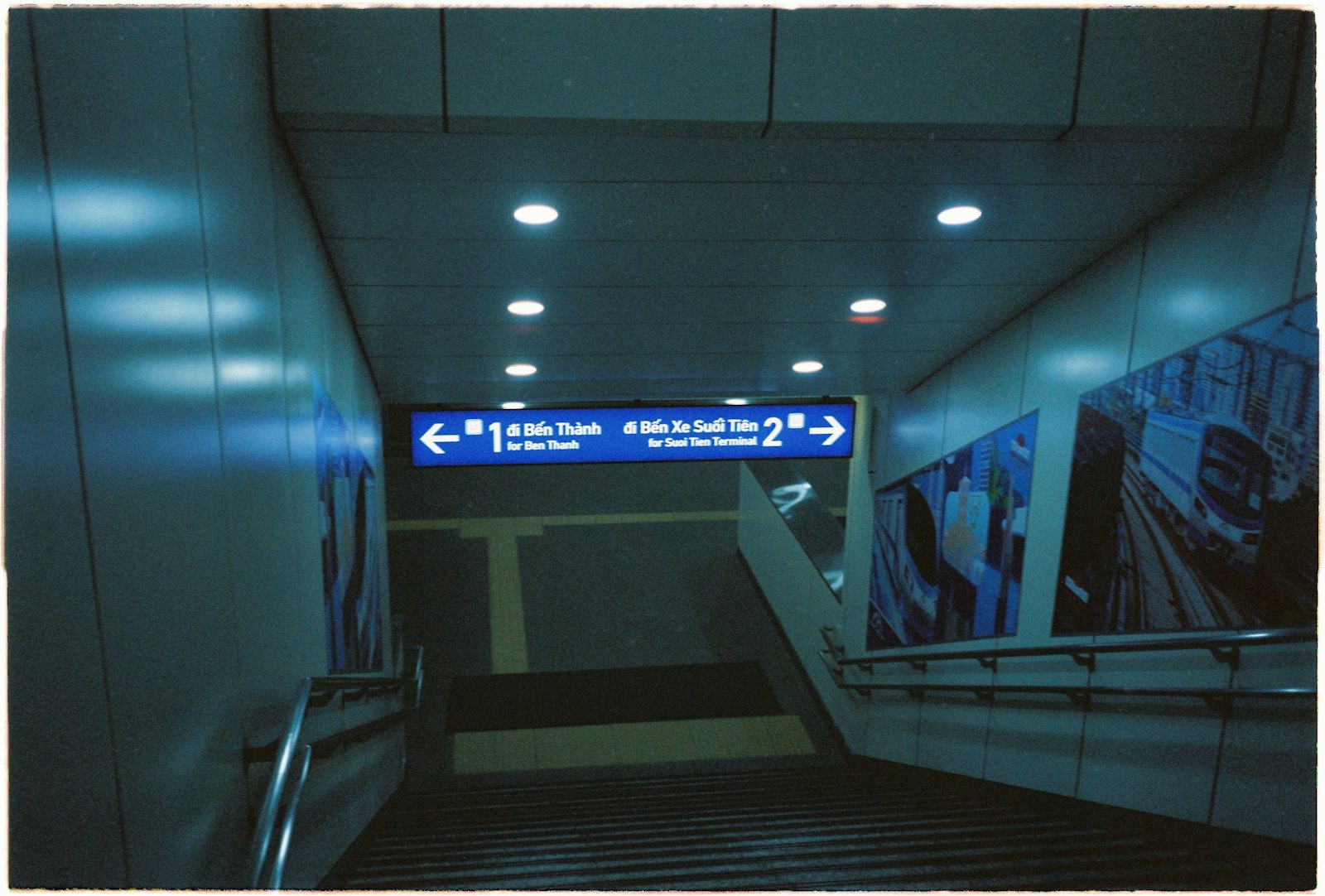
For the cathedral, follow the metro signs for Uscita and Piazza Duomo. They bring you directly into the square facing the Duomo. If you need a lift, follow the Ascensore signs for P.za Duomo / Via Silvio Pellico; this is ATM’s step-free street access and leaves you at the northwest side of the piazza. From there, cross the pedestrian square to the cathedral façade and follow the current signs for Ingresso visitatori.
The confusing thing about the Duomo metro exits in Milan is that there is no single numbered exit called “Cathedral.” Signs use the names of streets and parts of the square instead. Via Torino is a valid way out, for example, but it puts you farther toward the southwest corner when the cathedral entrance is your destination.
Which Duomo exit should you choose?
- Visiting the cathedral: follow Piazza Duomo. Once outside, walk across the square toward the front façade.
- Wheelchair, stroller or heavy luggage: follow Ascensore for P.za Duomo / Via Silvio Pellico. ATM identifies this as the street-level lift serving Duomo station.
- Going to Via Torino: use the Via Torino side. It works for the cathedral too, but you will come up at the opposite side of the piazza and have a longer diagonal walk.
- Going toward the Galleria or La Scala: choose signs toward the northern side of Piazza Duomo rather than walking to the cathedral façade first.
The simplest rule is not to overthink the exact staircase. If the sign says Piazza Duomo, you are fine. Avoid following Via Torino merely because it is the first street name you recognize.
From the M1 or M3 platform to the cathedral, step by step
- Get off at Duomo. The red M1 and yellow M3 both serve the station.
- Follow signs marked Uscita, meaning “Exit.” Do not follow the arrows for the other metro line unless you actually need to change trains.
- Look for Piazza Duomo on the exit signs. Travelers needing step-free access should instead keep following the lift symbol and Ascensore.
- Pass through the exit gates and continue toward street level.
- At the surface, locate the cathedral’s enormous white marble façade. From the Via Silvio Pellico lift, it is across the open square rather than immediately beside the lift.
- Walk toward the cathedral forecourt, the sagrato, and look for the signs and barriers marked for visitors. Queue arrangements can move according to services, events and security requirements.
If you arrived on M3 from Milano Centrale, the train journey itself is particularly simple: take the yellow line toward San Donato and get off at Duomo. From Cadorna, take M1 toward Sesto 1° Maggio FS. For fares, contactless payment and the rest of the network, see our guide to getting around Milan by public transport.
The Via Silvio Pellico lift is the useful landmark
Travelers using a wheelchair, pushing a stroller or carrying a wheeled suitcase should look specifically for P.za Duomo / Via Pellico. ATM lists the street-level lift at this location as part of Duomo station’s accessible route. You can check the current condition of lifts and accessibility equipment on ATM’s official accessibility service before setting out.
The lift emerges near the northwest corner of Piazza del Duomo. Do not worry that you have chosen the wrong exit when the cathedral is not directly beside you. Stay in the pedestrian square and head toward the façade. There is no road crossing between you and the main front of the church.
ATM also lists a stairlift connection on the Via Torino side, but for an ordinary step-free trip to the cathedral the Piazza Duomo/Via Pellico lift is the more straightforward landmark to follow.
The cathedral entrance is not the same as the worshippers’ entrance
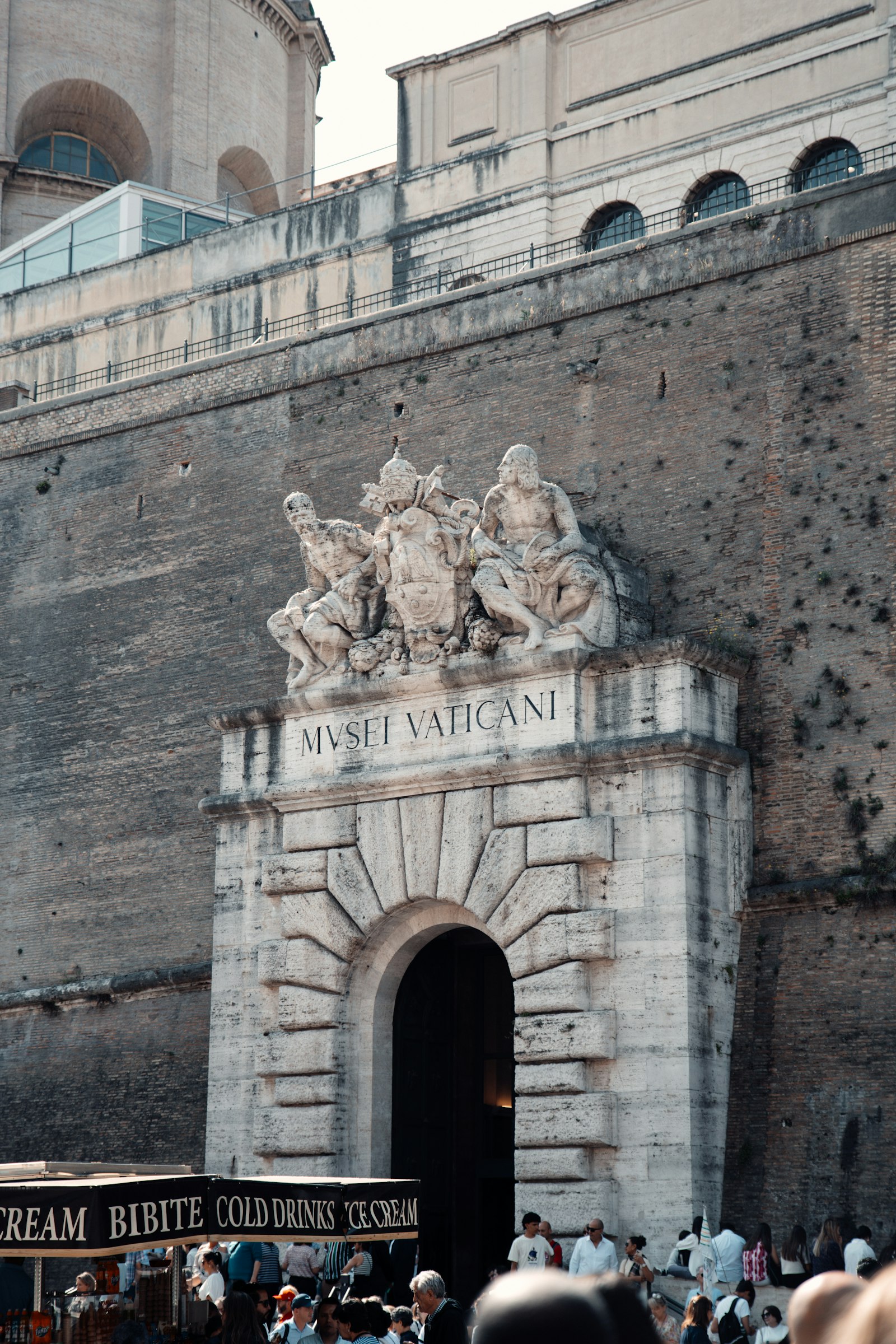
Once you reach the façade, look at the queue signs rather than simply walking toward whichever door appears open. The Duomo separates tourist admission from access for prayer and religious services.
The official Duomo access information currently directs worshippers during most daytime hours to the northernmost façade door, on the side toward Galleria Vittorio Emanuele II. You may see signs such as Fedeli, meaning “worshippers” or “faithful.” If you have a sightseeing ticket, follow the visitor queue instead. The official Duomo access updates are the place to check for changes caused by celebrations or special events.
This distinction matters because the cathedral entrance layout is controlled above ground. Choosing the perfect metro staircase will not help if you then join the wrong security line.
If your ticket is for the rooftop, do not automatically join the cathedral queue
Terrazze means the Duomo rooftop terraces. Their lift and stair access points are on the sides of the building, and a terraces-only ticket does not mean you should enter through the normal cathedral visitor queue first.
After leaving the metro, go to the Duomo and check the signage for Terrazze, Ascensore or Scale according to the ticket you bought. Combo-ticket holders should also check the time and attraction printed on the reservation rather than assuming every part of the complex starts at the same door. Our Duomo and rooftop terraces guide explains the different parts of the complex.
Useful Italian words on the station signs
- Uscita: exit
- Piazza / P.za: square
- Via: street
- Ascensore: lift or elevator
- Scale mobili: escalators
- Scale: stairs
- Ingresso: entrance
- Visitatori: visitors
- Fedeli: worshippers
- Terrazze: rooftop terraces
If the Duomo is one stop in a longer sightseeing day, you can organize the rest of your Italy route around the metro lines rather than repeatedly crossing the centre.
What to do with suitcases and large backpacks
The metro lift makes reaching the piazza with luggage easier, but luggage becomes a problem at the cathedral itself. The Duomo’s current rules state that suitcases are not allowed inside the cathedral, and bulky bags are discouraged. Visitors must also open bags during security checks.
Do not arrive straight from Milano Centrale with a rolling suitcase and assume you can take it through the visitor entrance. Arrange storage first, then return to the piazza with only what you need. The Duomo publishes the current restrictions on its official visitor regulations page.
On crowded escalators and platforms, also keep smaller backpacks in front of you rather than hanging loosely behind. Duomo is one of Milan’s busiest stations, and the combination of crowds, luggage and people stopping to read signs creates ideal conditions for distraction theft.
If you come out at the wrong exit
There is very little damage to undo. If you surface at Via Torino, turn back toward the open Piazza del Duomo instead of continuing down the shopping street. The cathedral is only across the square.
If you emerge on the southern side toward Piazza Diaz or Palazzo Reale, walk toward the cathedral and then around to the front façade. Do not go back underground simply to search for another staircase.
The only situation where the exit choice becomes genuinely important is step-free travel. If you need the lift and accidentally reach stairs, follow the underground signs back toward P.za Duomo / Via Pellico rather than hauling a stroller or suitcase up the steps.
If Duomo station is closed during a major event
ATM can temporarily close Duomo station or particular entrances when Piazza del Duomo is being controlled for very large events, ceremonies or security operations. In that situation, do not wait at a locked staircase hoping it will reopen quickly.
On M1, Cordusio is a practical alternative, followed by a short walk along Via Orefici toward the cathedral. On M3, use Missori and walk north toward Piazza del Duomo. Follow current ATM notices if trains are skipping Duomo entirely.
Once you are back at street level, use the cathedral itself as the landmark. The correct final destination is the front façade and the signed visitor entrance, not a particular metro staircase.