Rome’s metro stations are easier to use when you stop looking for numbered exits and start looking for street and landmark names. For the Colosseum, leave Colosseo toward Piazza del Colosseo. For the Spanish Steps, use the lower Spagna access at Vicolo del Bottino. For St. Peter’s, leave Ottaviano toward Via Ottaviano. For Trevi Fountain, come out into Piazza Barberini and walk away from Via Veneto.
For Rome metro exits, the useful word is Uscita, meaning exit. Signs may then name a street, square, or landmark rather than giving you a neat Exit 1, Exit 2 system. Choosing correctly matters most at Spagna, Colosseo and a few stations where the wrong choice can put you uphill, across a large road, or several minutes in the wrong direction.
Best metro exit for Rome’s main sights
| Sight | Best station | Exit or surface side to choose |
|---|---|---|
| Colosseum | Colosseo, Lines B/B1 or C | Piazza del Colosseo from Line B; the Clivo di Venere Felice side is useful from Line C |
| Roman Forum | Colosseo, Lines B/B1 or C | Via dei Fori Imperiali; from Line C, the Clivo di Acilio side is convenient |
| Spanish Steps | Spagna, Line A | Vicolo del Bottino, lower Piazza di Spagna side |
| Trevi Fountain | Barberini, Line A | Piazza Barberini, then walk toward Via delle Quattro Fontane and Via in Arcione |
| Piazza del Popolo | Flaminio, Line A | Piazzale Flaminio, toward Porta del Popolo |
| St. Peter’s Basilica | Ottaviano, Line A | Via Ottaviano side |
| Vatican Museums | Ottaviano or Cipro, Line A | Ottaviano is easier from central Rome; Cipro can suit a museum-only visit |
| Circus Maximus | Circo Massimo, Line B/B1 | Surface side facing the archaeological area rather than continuing south along Viale Aventino |
| Baths of Caracalla | Circo Massimo, Line B/B1 | Head toward Viale delle Terme di Caracalla |
| San Giovanni in Laterano | San Giovanni, Lines A or C | Follow signs toward Piazza San Giovanni and Porta San Giovanni |
Colosseum and Roman Forum: Colosseo has changed
Old Rome transport advice can now be misleading here. Since December 2025, Metro C reaches Colosseo/Fori Imperiali and connects underground with the existing Line B station. The new station has two entrances on Via dei Fori Imperiali, one on the Clivo di Acilio side and one on the Clivo di Venere Felice side. The official Metro C station information confirms both entrances and the direct interchange with Line B.
For the Colosseum
If you arrive on Line B or B1, follow signs for Colosseo and Piazza del Colosseo. The familiar street-level exit puts you directly opposite the amphitheater. This is one of the few Rome stations where the first view after leaving the metro is exactly the monument you came for.
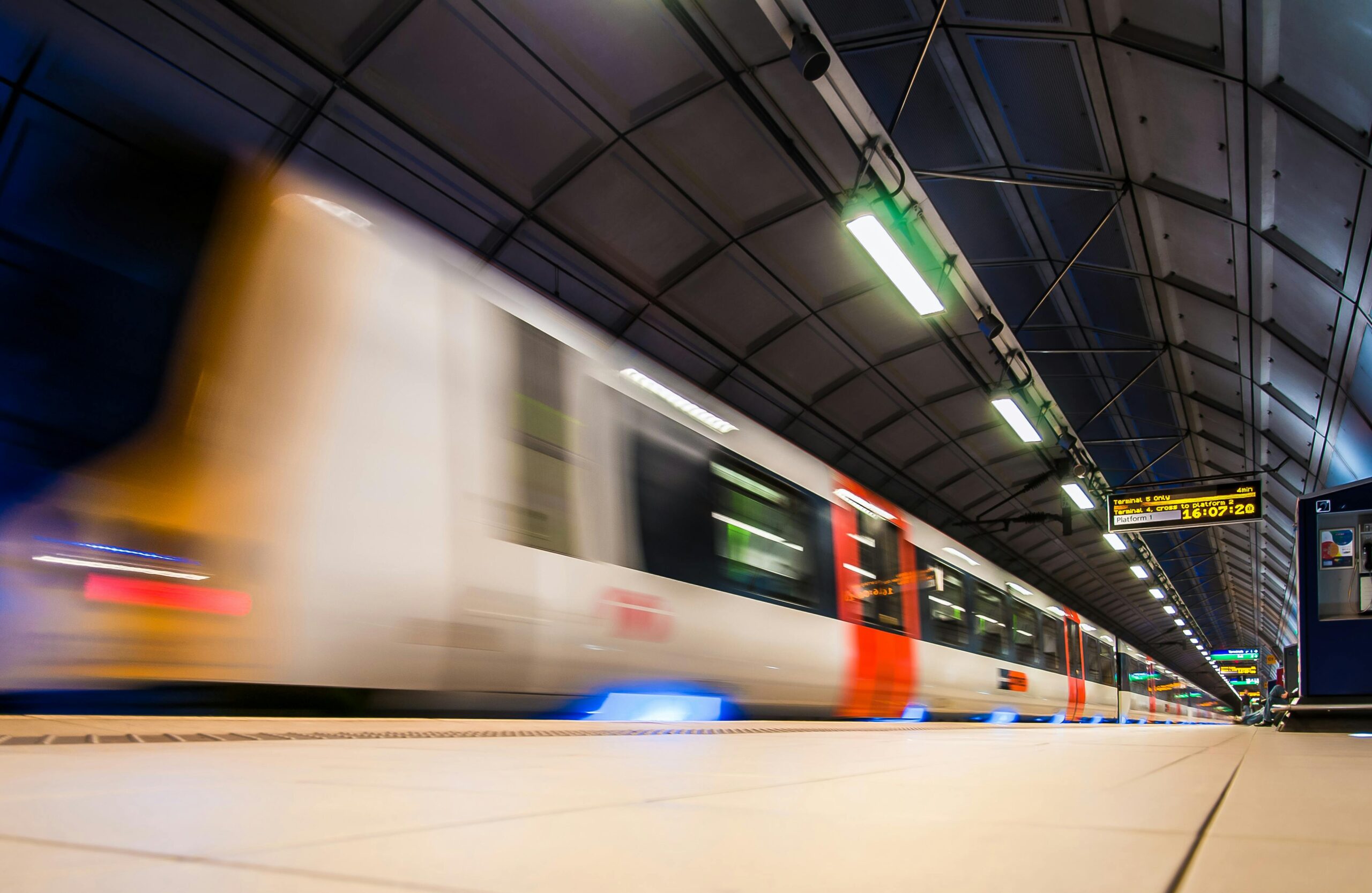
If you arrive on Line C, the Clivo di Venere Felice side is the more useful side for the amphitheater and the Temple of Venus and Rome area. You can also follow the underground connection to the Line B part of the station rather than exiting and trying to find another entrance outside.
For the Roman Forum
The Forum stretches well beyond the Colosseum, so “Colosseo” does not automatically mean you should walk toward the amphitheater. If your ticket entrance is along Via dei Fori Imperiali, orient yourself toward that avenue instead. From the Line C station, the Clivo di Acilio side places you on the north side of Via dei Fori Imperiali and is useful for continuing toward the Forum and central archaeological area.
Check the entrance named on your attraction booking before choosing an exit. A Colosseum, Forum and Palatine ticket can involve different access points depending on the ticket product and current visitor arrangements.
Spanish Steps: use the lower Spagna exit
Spagna is the station where a casual choice can create the most unnecessary climbing. For the Spanish Steps, Piazza di Spagna and Via dei Condotti, use the station access at Vicolo del Bottino. It brings you out just off the northern end of Piazza di Spagna, close to the bottom of the steps.
Do not deliberately follow the long connection toward Trinità dei Monti if your destination is the bottom of the Spanish Steps. That route takes you toward the upper level near the church and Villa Medici. It can be useful for a completely different reason: if you actually want the upper part of the hill, it saves climbing the Spanish Steps from the piazza.
Use the upper side for Villa Medici and the Pincio
Heading for Villa Medici, the upper gardens, or the Villa Borghese side of the hill? The Trinità dei Monti end of the Spagna station connection can make sense. This is a good example of why the nearest station entrance is not necessarily the best one for every attraction.
Travelers with reduced mobility should be especially careful here. ATAC lists Spagna among the Line A stations without a lift or stair-lift connection all the way between the platforms and street. The lift facilities associated with the Vicolo del Bottino and Trinità dei Monti connection do not make the entire train-to-street journey step-free. Check ATAC’s current accessibility information before relying on Spagna with a wheelchair, heavy stroller, or significant mobility limitation.
Trevi Fountain: Barberini, but do not follow Via Veneto
Barberini is usually the most useful Metro A station for Trevi Fountain. Once you reach street level in Piazza Barberini, you want to head generally southwest toward Via delle Quattro Fontane and then the lanes leading toward Via in Arcione and the fountain.
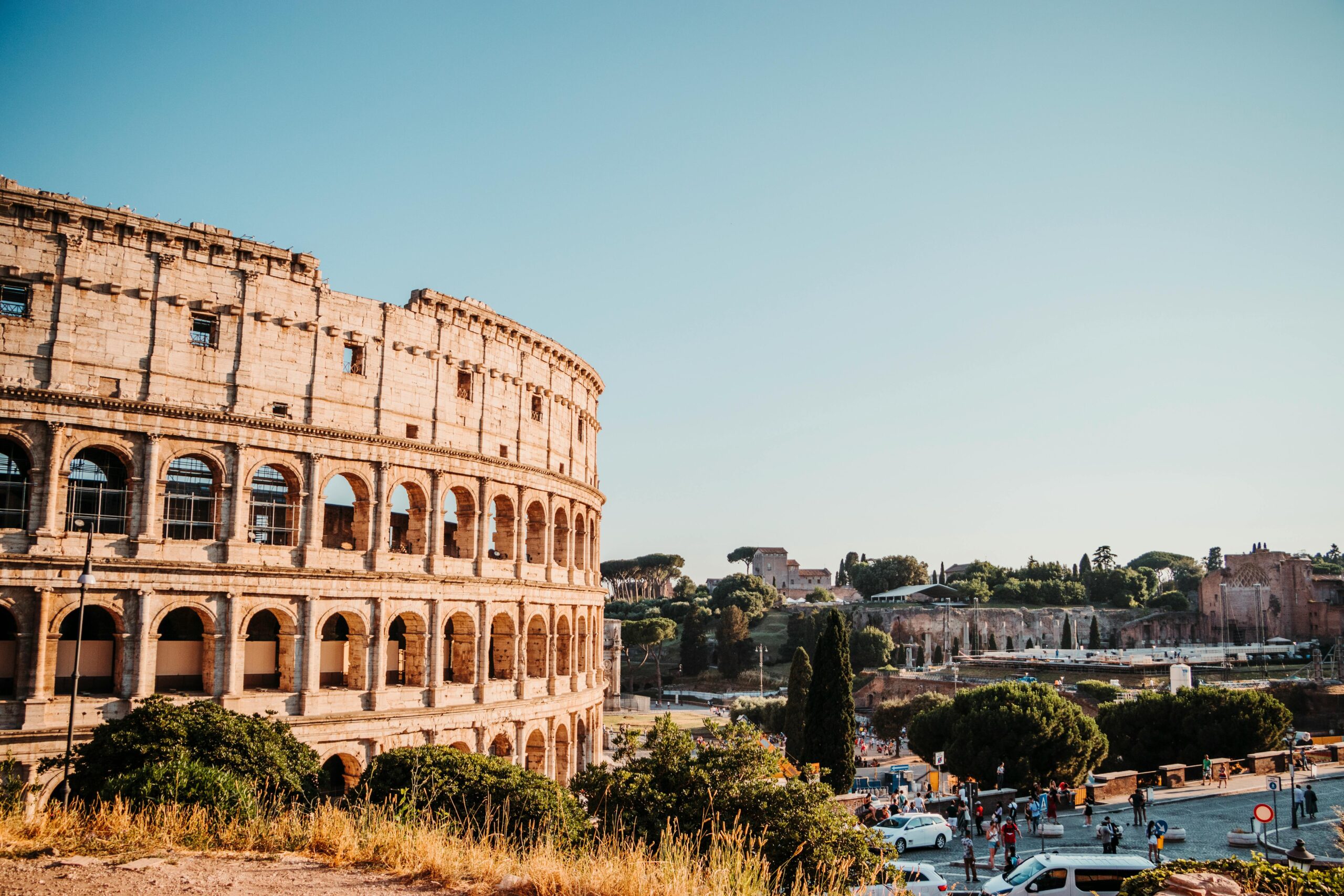
Via Veneto goes in the opposite direction, climbing away from Trevi toward the Ludovisi area. If you emerge, see signs for Via Veneto and start walking uphill, you have chosen the wrong direction.
ATAC’s live station information currently lists the Via Veneto-side access at Barberini as closed. Access arrangements can change with maintenance, so do not build an itinerary around one particular stairwell without checking the operator’s live metro accessibility and entrance page.
Barberini is not a doorstep stop for the fountain. There is still a walk through the historic center, and the final streets can be crowded. If you have luggage, a stroller, or limited walking ability, a bus or taxi may be more practical than trying to shave a few minutes off the route with a particular station staircase.
St. Peter’s Basilica: Ottaviano and Via Ottaviano
For St. Peter’s Square and the basilica, use Ottaviano-San Pietro-Musei Vaticani on Line A. At street level, orient yourself toward Via Ottaviano, not farther along Viale Giulio Cesare.
Walk down Via Ottaviano toward Piazza del Risorgimento. From there, continue toward the Vatican walls and the colonnade of St. Peter’s Square. The route is simple once you are on Via Ottaviano because most of the pedestrian flow is moving in the same direction.
Do not confuse the basilica entrance with the Vatican Museums entrance. They are on different sides of the Vatican complex, and walking around the walls after choosing the wrong destination adds far more time than choosing the wrong metro staircase.
Vatican Museums: Ottaviano or Cipro?
The station name makes Ottaviano look like the automatic answer, and for most visitors arriving from central Rome it is. Leave toward Via Ottaviano, continue to Piazza del Risorgimento, then follow signs for Musei Vaticani around the Vatican walls.
Cipro, one stop farther west, can be attractive on a map because it is close to the museum side of Vatican City. It works particularly well if you are already approaching from the Battistini end of Line A or your accommodation is west of the Vatican.
For a first visit from the historic center, Ottaviano is usually the easier decision. Going an extra station to Cipro often saves less than expected once the walk, crossings and route around the museum walls are included. If the day also includes St. Peter’s, Ottaviano is the clear choice.
Piazza del Popolo: Flaminio puts you outside the gate
At Flaminio-Piazza del Popolo, follow the exit toward Piazzale Flaminio. The station is outside the historic gateway rather than in the middle of Piazza del Popolo itself.
Once outside, look for Porta del Popolo, the monumental gate in the Aurelian Walls. Walk through it and Piazza del Popolo opens immediately in front of you.
This station is also useful for the western side of Villa Borghese and the Pincio. For the Pincio terrace, enter Piazza del Popolo and use the climbing paths and ramps on its eastern side. For Villa Medici or the area immediately above the Spanish Steps, Spagna’s upper connection may involve less backtracking.
Circus Maximus and the Baths of Caracalla
Circo Massimo on Line B/B1 sits beside Viale Aventino. For the Circus itself, get to street level and orient yourself toward the long, sunken archaeological area rather than walking south along Viale Aventino.
For the Baths of Caracalla, do almost the opposite. From the station, head toward Viale delle Terme di Caracalla and continue southeast. Do not walk the full length of the Circus first unless you intended to include it in your route.
Colosseo and Circo Massimo can occasionally be affected by temporary security closures during parades, races and major public events. If your visit coincides with a large event in central Rome, check ATAC or Roma Mobilità before leaving your hotel rather than assuming the train will stop normally.
San Giovanni in Laterano: San Giovanni is the useful stop
San Giovanni is served by both Metro A and Metro C. Follow street signs toward Piazza San Giovanni or Porta San Giovanni for the Basilica of St. John Lateran.
Do not be tempted to stay on Line C to Porta Metronia simply because it sounds close to the historic walls. Porta Metronia is useful for other parts of the Celio and southern historic center, but San Giovanni remains the straightforward station for the basilica and the large piazza in front of it.
The A-C interchange at San Giovanni is also useful if you are coming from the Vatican side and heading toward destinations on Line C. For a broader transport plan that combines metro rides with Rome’s bus network and walking, see our guide to getting around Rome without stress.
The Pantheon and Piazza Navona do not have a useful metro exit
Trying to force every famous Roman sight into a metro journey is a common mistake. The Pantheon, Piazza Navona, Campo de’ Fiori and much of the historic center sit between metro lines.
You can walk toward them from Spagna or Barberini, but there is no magic exit that leaves you around the corner. If you are already elsewhere in the center, walking or taking an appropriate bus is often quicker than descending into the metro, riding one or two stops, and then walking back toward the same central area.
Trastevere is another important example. There is no metro station in the heart of the neighborhood. Use surface transport or walk across the Tiber rather than looking for a nearby underground stop that does not exist.
How to read exit signs underground
Look for these words as you leave the platform:
- Uscita: exit.
- Uscite: exits.
- Piazza: square.
- Via: street.
- Viale: avenue.
- Lato: side, often used in notices describing which station entrance is open or closed.
- Ascensore / Ascensori: lift / lifts.
- Scale mobili: escalators.
- Chiuso: closed.
Before going through the exit gates, compare the place name on the signs with the street or landmark you need. This is especially useful at stations where underground passages split before reaching street level.
If several metro rides and walking sections are part of a longer trip, you can build your Italy itinerary before setting out and keep the sightseeing order tied to the transport route rather than treating every attraction as a separate journey.
What to do if you choose the wrong exit
In most stations, stay above ground and walk around the block. Do not automatically go back through the metro gates.
ATAC’s standard BIT is valid for 100 minutes but allows only one metro journey, including permitted interchanges between lines. Once you have left the gated metro journey, you cannot simply use the same single ride to enter again because you chose the wrong staircase. The current rule is explained on ATAC’s official BIT ticket page.
Spagna is the main exception where the wrong choice can be more irritating than a simple walk around a corner because the two useful sides involve a real change in elevation. If you accidentally emerge near Trinità dei Monti while trying to reach Piazza di Spagna, you will need to descend toward the square rather than expecting another metro entrance to provide a free shortcut.
Luggage, strollers and reduced mobility
A route that is shortest on a map may not be the easiest with wheels. Older Line A stations can involve stairs, escalators and long passageways. Cobblestones begin almost as soon as you reach street level in parts of the historic center, so saving 100 metres underground is not always worth choosing an awkward exit.
With a stroller or heavy suitcase, prioritize lifts and the simplest surface route. Do not assume an Ascensori sign means there is a continuous step-free path from the train platform to your destination. ATAC publishes current station accessibility and equipment status, and lift or stair-lift outages can change the practical route on the day.
If an entrance is unexpectedly closed, follow the temporary Uscita signs and continue to the next available street access. Do not cross barriers or try to enter a closed stairway because it appears to be the side nearest your hotel or attraction. Once outside, Rome’s central stations are close enough to their sights that a short street-level correction is usually simpler than fighting the station layout.