The easiest way into Turin’s metro is to tap a contactless bank card, phone or smartwatch at the clearly marked Tap&Go gate. It buys a €1.90 City ticket, valid for 100 minutes across GTT urban and suburban transport but for one metro journey only. The important catch with Turin metro tickets is that contactless payment is not an unlimited day pass, and a second metro journey requires another fare unless you bought a Daily or another unlimited ticket.
What a standard City ticket actually covers
GTT’s City fare costs €1.90 digitally, including when purchased directly by contactless payment. The chip-on-paper version costs €2.00. According to the current GTT fare information, the ticket lasts 100 minutes from its first validation.
During those 100 minutes you can use GTT buses and trams in the urban and suburban network and transfer between them. The restriction is the metro: a City ticket includes one metro journey, not repeated metro entries for the full 100 minutes.
That distinction matters on a simple return trip. Going from Porta Nuova to Lingotto by metro in the morning and returning later requires two City fares, even if the first ticket’s time limit has not been the issue. Two digital singles cost €3.80, while a digital Daily currently costs €3.70.
How contactless payment works at a Turin metro station
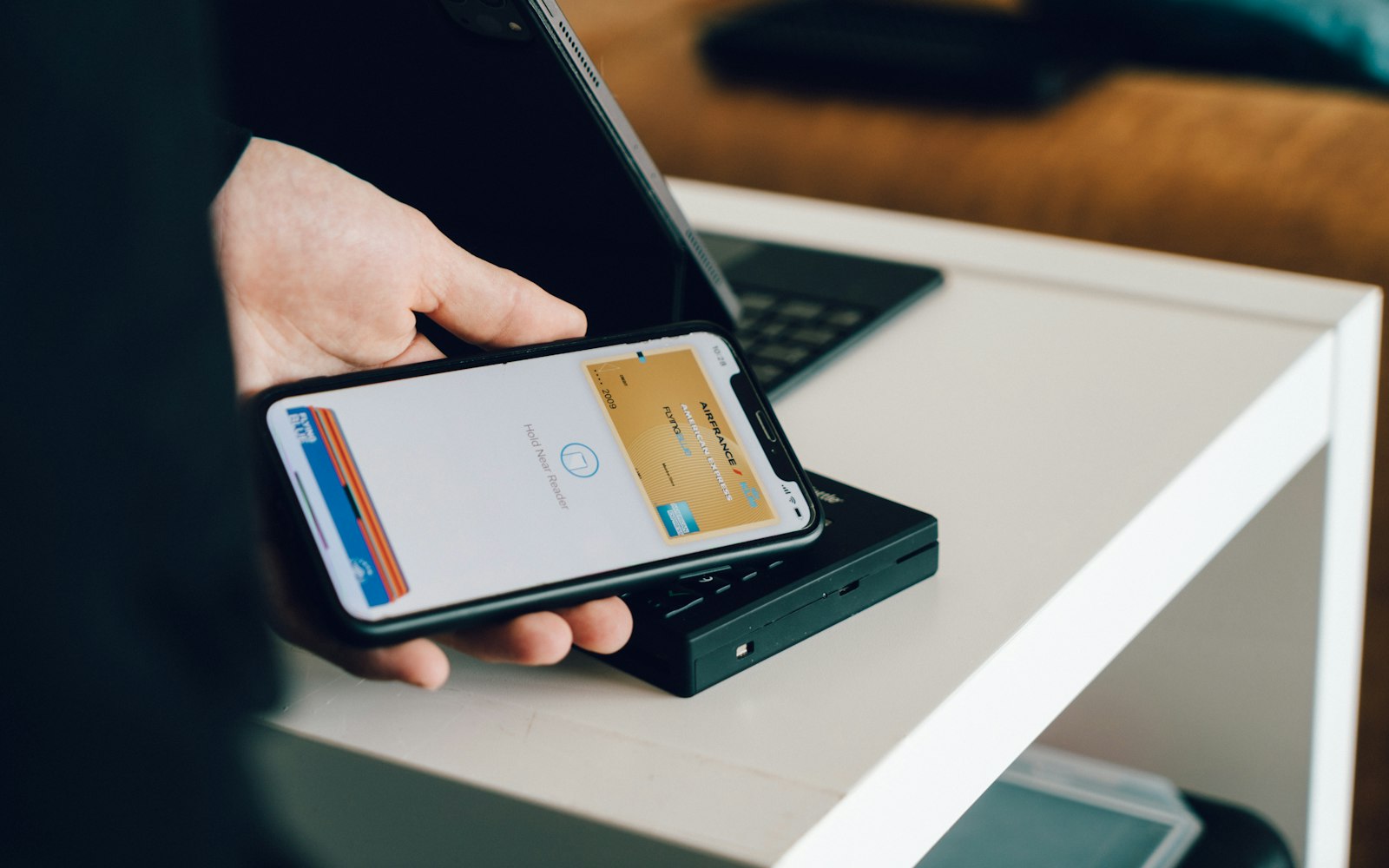
You do not need to visit the ticket machine first. All metro stations have a dedicated contactless gate. GTT identifies it with payment-card logos, markings on the turnstile and floor graphics leading passengers towards the correct gate.
- Approach the gate marked for Tap&Go or displaying the contactless card symbols.
- Take the bank card out of your wallet, or wake the phone or smartwatch you intend to use.
- Hold that single card or device against the reader.
- Wait for the confirmation signal and for the turnstile to open.
- Use that same payment method for any later validation associated with the journey.
Visa, Mastercard and American Express contactless cards are accepted, including supported debit and prepaid cards. Apple Pay, Google Pay and other card wallets on phones or smartwatches can also be used. GTT explains the system in its Tap&Go FAQ.
There is no paper ticket after a contactless tap
The gate does not print a receipt. Your card or payment device is effectively the identifier attached to the digital ticket.
This can feel odd if you are used to receiving a ticket from a machine, but do not tap repeatedly while waiting for paper to appear. Once the reader confirms the transaction and opens the gate, the purchase has been recorded.
Your banking app may also be misleading immediately after the tap. GTT says some cards can show a temporary pre-authorisation, commonly €7.00 or €1.90, before the actual journey charge is settled. A temporary amount on your card statement therefore does not necessarily mean you were charged that fare permanently.
Do you need to tap again when changing transport?
Yes. GTT requires travel titles to be validated each time you change vehicle or enter the metro. If you leave the metro and continue by a compatible GTT bus or tram within the City ticket’s 100-minute window, validate again using the same card or the same device.
Do not start with your physical Visa card and then use that card through Apple Pay for the transfer. Although both ultimately draw money from the same account, the transport system can see them as different payment identifiers.
The same warning applies if a card is stored on both your phone and smartwatch. Pick one device and keep using it throughout the journey.
Contactless does not automatically become a Daily pass
A useful trap to avoid is assuming Turin operates like transit systems that automatically calculate the cheapest daily fare. GTT describes Tap&Go as a way of purchasing the €1.90 City ticket. The separate Daily product must be bought through the appropriate ticket channel rather than assumed to appear automatically after enough bank-card taps.
The current Daily fare is:
- €3.70 digitally through TO Move or on a BIP smart card.
- €4.50 on chip-on-paper media.
The Daily allows unlimited journeys on GTT’s urban and suburban buses, trams and metro from its first validation until the end of that service day. GTT describes the service day as running roughly from the early morning until the end of night service, rather than treating midnight as an automatic cutoff.
Which ticket makes sense?
- One metro ride plus nearby bus or tram connections: a €1.90 City fare is usually enough if everything fits inside 100 minutes.
- A metro round trip on the same day: the €3.70 digital Daily already costs slightly less than two €1.90 digital singles.
- Several sightseeing rides: choose the Daily rather than repeatedly buying City fares.
- Two or three days of frequent transport: look at GTT’s 48-hour and 72-hour Tour products rather than treating each journey separately.
Using a paper ticket or BIP card instead
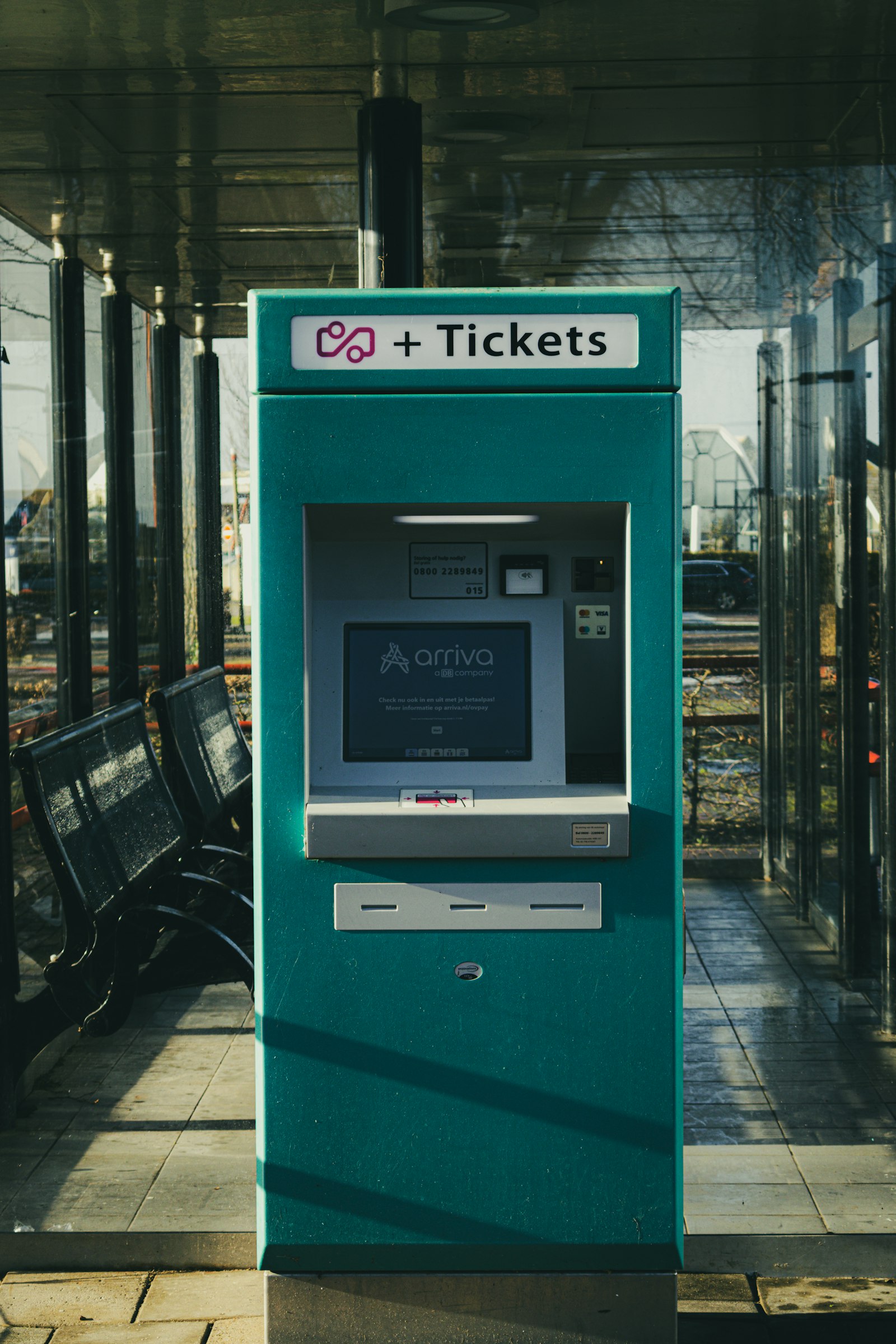
Every Turin metro station has ticket vending machines in the station entrance area before the paid zone. They accept payment for the ticket products available there, so a visitor without a suitable contactless bank card is not dependent on finding an open tabaccheria.
With a City ticket on chip-on-paper media or a BIP card, validation still matters. Present it at the metro turnstile when entering. On buses and trams, validate again after each change of vehicle. Buying a ticket in advance does not by itself start its travel validity.
This is a local GTT rule, not something to generalise to every Italian city. Systems elsewhere may require different tap-in or tap-out procedures. The wider guide to contactless transport payments in Italy explains why copying the procedure from one city to another can cause problems.
The City fare has geographic limits too
The ordinary fare covers GTT’s urban and suburban network, including the Turin metro. It does not turn into a universal Piedmont transport ticket just because a bus or train is physically inside the metropolitan area.
In particular, ordinary City products are not valid on normal rail services, and extra-urban buses have their own fare structure. GTT also sells specific integrated tickets for journeys combining local transport with certain railway sections.
If your day involves Porta Susa, the airport railway, an extra-urban bus or a trip beyond Turin’s normal suburban network, check the exact ticket for that leg instead of assuming your 100-minute city fare covers it. When putting several such connections together, you can plan your Italy route around the transport changes rather than choosing each fare in isolation.
What ticket inspectors check after contactless payment
Because there is no physical ticket, inspectors verify the payment identifier used for the tap. GTT asks passengers to make available the last four digits of the PAN associated with the card or device.
The important detail for phone-wallet users is that the virtual card number can differ from the number printed on the underlying physical bank card. If you paid with a phone, showing the last four digits of the plastic card may therefore be the wrong answer.
GTT provides a practical way to check. On a compatible validator near the metro gates, choose INFO TITOLO, then present the same phone or smartwatch. The machine can display the identifying digits associated with that device.
Avoid tapping your whole wallet
Take the card you intend to use out of a wallet containing other contactless cards. GTT specifically warns that presenting several readable cards together can cause failed readings or an unwanted purchase.
This is particularly relevant if you carry both a BIP transport card and a contactless bank card. Hold only the intended ticket or payment method against the validator.
The same principle applies if you have already bought a TO Move ticket on your phone. Do not casually present multiple possible payment methods to the reader and hope the machine chooses the cheapest one. Decide which ticket you are using before approaching the gate.
If your contactless card is refused
Do not keep tapping indefinitely while a queue forms behind you. Move away from the gate and try these checks:
- Confirm you are at the dedicated contactless turnstile rather than a gate intended only for transport cards or tickets.
- Present one card only, not an entire wallet.
- If paying by phone, make sure the intended bank card is active in the wallet.
- Try another supported card if you have one.
- If contactless still fails, use the station ticket machine and buy a normal City or Daily product.
On Sundays and public holidays, closed street ticket shops are less of a problem at the metro: GTT lists Tap&Go and station vending machines among the ways passengers can still obtain fares.
The three rules worth remembering at the gate
One tap buys a City fare, one City fare includes only one metro journey, and transfers must be validated with the same payment method. If you expect to enter the metro twice in a day, check the Daily before automatically tapping a bank card for every journey. That small decision is often the difference between using Turin’s fare system as intended and paying more simply because contactless looked easier.