Guests staying in qualifying accommodation within the Municipality of Venice do not pay the day-visitor charge when the scheme is active. They may, however, need a free named exemption QR code to prove where they are staying. For 2026, the trial ended on July 26, and the City says no payment, registration or exemption proof is required from July 27 onward unless new rules are introduced. The Venice access fee for hotel guests is therefore currently inactive, but the 2026 procedure explains what to expect if the system returns.
First, check whether an Access Fee QR code is required at all
The most useful check is the official Venice Access Fee website. Do this close to your trip rather than relying on an old screenshot or travel forum post.
During the 2026 trial, the charge operated on 60 selected dates from April 3 through July 26, between 08:30 and 16:00. The City has confirmed that the 2026 application period is now finished. Future years require a fresh check because the municipality must approve new dates and procedures separately.
On days when the scheme is not operating, there is nothing for an overnight guest to register. You do not need a QR code simply because you are staying in Venice.
Which hotel stays qualify for the exemption?
The crucial boundary is the Municipality of Venice, not the historic island city alone. During the 2026 scheme, registered hotels, B&Bs, guesthouses and tourist rentals within the municipality qualified their overnight guests for the accommodation exemption.
That means a hotel in Mestre or Marghera can qualify even though you sleep on the mainland. Accommodation on places such as Lido, Murano or Burano is also within the Municipality of Venice. A hotel in a different municipality does not gain the exemption merely because its website describes it as being “near Venice.”
For example, sleeping in Mestre is treated very differently from sleeping in Treviso or Padua. In the first case you are still staying within Venice’s municipal territory. In the second, you are a day visitor when you travel into the historic city unless another exemption applies.
The exemption exists alongside Venice’s imposta di soggiorno, the overnight tourist-tax system. The two should not be confused: the Access Fee targets qualifying day visits, while the accommodation tax concerns overnight stays.
Your hotel may generate the QR code for you
Do not immediately submit your own exemption request after booking. During the 2026 system, accommodation operators had several ways to handle the process.
- The hotel’s booking or property-management software could generate an exemption voucher automatically.
- The property could create it through Venice’s CityTax system and send it to you before arrival.
- The hotel or apartment host could tell you to request the voucher yourself on the municipal portal.
So the first useful question to reception or your host is: “Will you send me the Access Fee exemption QR code, or should I register it myself?”
If they have already sent a voucher bearing your name, there is normally no reason to create a second one.
How the self-service QR code worked
If the accommodation did not generate the voucher, the 2026 procedure started on the official Access Fee portal. The City’s step-by-step accommodation guide showed the process in English and Italian.
- Open the Access Fee website and choose Request Exemption, shown in Italian as Richiedi esenzione.
- Select the category stating that you are a guest in an accommodation facility located in the Municipality of Venice.
- Choose Request Exemption again to start the form.
- Enter the dates required for your stay or historic-city visits.
- Enter the main guest’s personal details.
- Select or enter the accommodation where you are staying.
- Add any other eligible travelers to the same request as additional holders.
- Verify the request by email or telephone.
- Check the summary carefully and confirm it.
- Download the resulting named QR-code vouchers or have them sent by email.
This accommodation route did not require tourists to obtain an Italian SPID digital identity. The 2026 guest form used personal details plus email or telephone verification.
Use the right dates if you stay in Mestre or on another island
There was a small but important difference between sleeping in the historic city and sleeping elsewhere within the municipality.
If your accommodation was in the historic city itself, the official instructions used the day of arrival as the start date and the day of departure as the end date. The exemption covered that accommodation period.
If you stayed elsewhere within the Municipality of Venice, such as Mestre, the City’s FAQ instructed guests to indicate the days on which they actually intended to visit the historic city, provided those days were Access Fee dates. You did not need an exemption merely to sit in your Mestre hotel or spend a day somewhere outside the applicable zone.
This distinction is worth checking again if the system returns, because it is exactly the sort of operational detail the City can change between trial years.
What information the form asked for
The 2026 form requested details including the main holder’s name, surname, date and place of birth, email address, residence and accommodation information.
The hotel field caused more trouble than the personal details. Properties can have a commercial name that differs from the name registered with Venice’s tourist-tax system. The City therefore allowed accommodation searches using the registered property name, its address or an identifying code supplied by the accommodation.
If your hotel or apartment did not appear immediately, do not choose another similarly named property just to get past the screen. Ask reception or the host for the exact registered accommodation name, address or identification code. The City’s illustrated form also included a manual-entry option when the property could not be found in the list.
One person can submit the request, but the vouchers are individual
A couple or family did not have to complete the entire procedure independently on four different phones. One main holder could add other guests under Add Holder or Aggiungi intestatario.
The important part is what happens afterwards: the QR-code vouchers are named. A family request does not turn everyone into one anonymous group ticket. Save the code belonging to each traveler.
Children aged 0 to 13 were excluded from the Access Fee and did not have to register under the 2026 rules, although officials could request proof of age during checks.
Email verification is usually the simplest option abroad
The self-service system offered email and telephone verification. With email, the portal sent a one-time password, or OTP, which you entered on the following screen.
The telephone option required calling the verification number displayed by the system within a limited period. The call was not answered because its purpose was simply to verify the telephone number.
For most international visitors, email is easier to recover later because the confirmation message also gives you a record of the transaction and links connected with the voucher.
What the QR code actually does
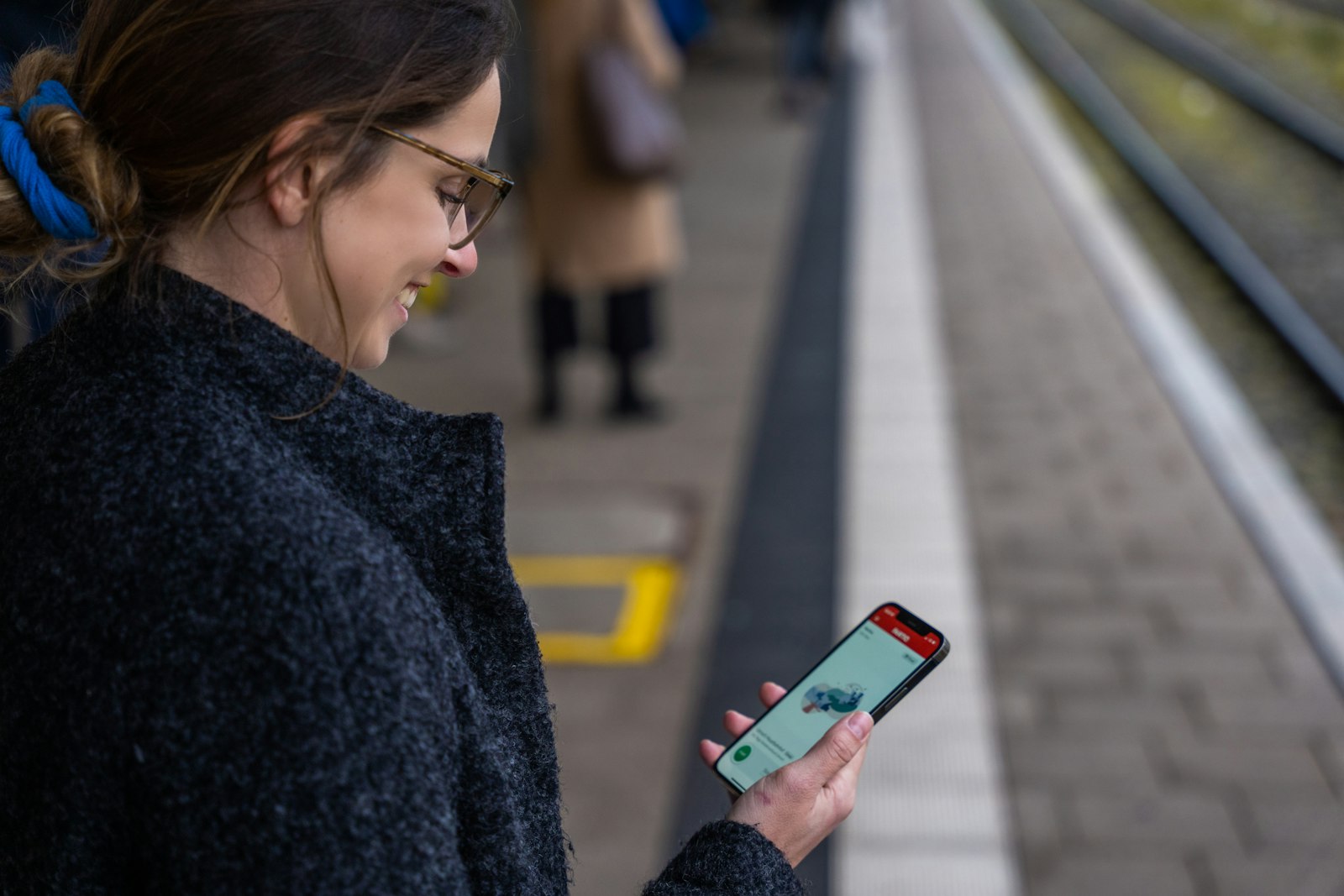
The exemption QR code is proof, not a transport ticket. You do not tap it on a vaporetto reader, scan it at your hotel door or use it to enter museums.
During an active Access Fee period, you simply keep it available in case authorized municipal personnel ask to see evidence that you paid or qualified for an exemption. Checks can take place around the city’s main access points.
Save the downloaded voucher locally on your phone rather than relying entirely on mobile data. A screenshot is useful too, particularly when arriving with luggage and trying to find the right file among a week’s worth of booking emails.
Once the administrative details are settled, you can build your Italy itinerary around your actual arrival, hotel check-in and sightseeing times instead of treating the QR code as another attraction reservation.
What if the QR code has the wrong name or dates?
The City did not allow an exemption voucher simply to be edited. Under the 2026 procedure, the fix was to use the cancellation link sent by email, cancel the incorrect voucher and submit a new exemption request with the correct information.
Individual additional holders could also be cancelled separately, so one typo did not necessarily require cancelling every person’s voucher.
If you could not find the voucher at all, the portal provided a recovery procedure using the exemption type, subtype and applicant’s email address. Additional travelers could be retrieved by supplying their name, surname and date of birth.
What if you arrive without the hotel QR code?
First check whether the Access Fee is actually active. In the remainder of 2026 after July 26, the answer is simple: no voucher is currently required.
If a future scheme is active and you have not received anything, contact the accommodation before buying a day-visitor ticket. A qualifying overnight guest should not pay merely because the hotel’s email is late.
The 2026 rules allowed you to obtain the exemption voucher yourself by identifying your accommodation. They also provided an alternative self-certification declaration, completed with the required identity documentation, for people proving their exemption without the digital voucher.
The official Access Fee FAQ is the best place to check which recovery method applies during any future activation period.
A booking confirmation is not automatically the same thing as the exemption voucher
Your hotel reservation proves that you booked somewhere. The municipal QR code proved that you had registered the relevant Access Fee exemption under the procedure in force.
During the 2026 trial, simply opening a Booking.com, Airbnb or hotel confirmation at a municipal check was not the normal digital procedure. If the QR requirement applied, the safer sequence was to obtain the official exemption voucher or use the City’s approved self-declaration alternative.
Likewise, a Venezia Unica transport pass, ACTV ticket or museum pass did not replace an accommodation exemption voucher. They are different systems serving different purposes.
The practical rule to remember
Before a future Venice trip, check three things in this order: is the Access Fee operating on your date, is your accommodation actually inside the Municipality of Venice, and has the property already issued your exemption voucher?
If the answer to the first question is no, stop there. There is no QR-code chore to complete. If the fee is active and your accommodation qualifies, obtain the free exemption rather than buying a day-visitor ticket. And if the hotel’s name refuses to appear in the form, ask the property for its registered accommodation details instead of guessing.