Florence, Italy, stands as a city where history, art, culture, and everyday Italian life blend easily together. Every corner you turn shows off a story, and sometimes it feels like the whole city is an open-air museum. If you’re getting ready to plan a trip or just curious about why everyone’s so obsessed with Florence, you’ve landed in the right place. Let’s walk through the winding streets, stunning churches, and lively piazzas to really understand what makes Florence so special. If you’re looking for detailed guides about walking through this incredible city, check out this great introduction: Florence by Italy On Foot.
The Renaissance in Everyday Life
Florence is probably most famous for its role in the Renaissance. If you ask, “What is Florence known for?” the answer always comes back to art and culture. But here’s the magical part: Florence isn’t a museum you visit for an hour, it’s a place where history is in every cobbled street and piazza. Ordinary buildings here contain masterpieces that would be the highlight of other towns. You might wander into a small church, only to discover an important fresco or sculpture. The Renaissance spirit isn’t only locked inside galleries. You’ll see grand palaces, delicate bridges, and even local apartment blocks displaying centuries-old details. Florence’s famous dome is easy to recognize, and it stands as the centerpiece for the city’s creative and architectural history.
The impact of the Renaissance shows up not only in art but also in daily routines. Florence is the city that inspired minds like Leonardo da Vinci, Michelangelo, and Botticelli. When you stroll through the Uffizi Gallery or the Accademia, it’s not just about looking at old paintings. It’s about the feeling that you’re walking the same streets as some of the world’s greatest thinkers and artists. But Florence’s culture isn’t frozen in time; instead, art and creativity blend with the energy of modern life, where art students sketch in public gardens and musicians perform in ancient courtyards.
The entire city is a living memory of the Renaissance era. Places like Piazza della Signoria feel almost like outdoor museums, crowded with statues and surrounded by stunning architecture. Yet, these are not just for tourists, they’re local gathering places, too, where friends meet and the pulse of the city keeps beating. Florence’s past isn’t something distant; it’s alive, and you become part of that story the moment you set foot on its streets.
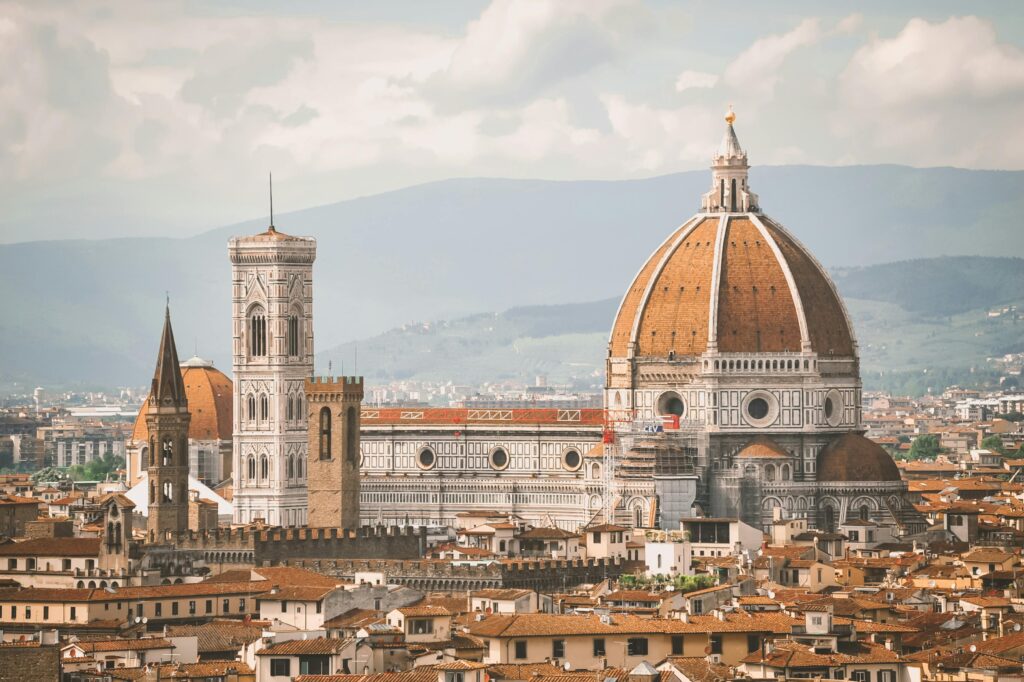
The Iconic Florence Cathedral and Brunelleschi’s Dome
If there is one sight everyone knows in Florence, it’s the stunning Florence Cathedral, also called the Duomo. The huge red-tiled dome, designed by Filippo Brunelleschi, stands as the symbol of Florence. No matter where you are in the city, the dome peeks out above rooftops and calls you toward it. The cathedral complex includes the Baptistery and Giotto’s Bell Tower, all wrapped up in white, green, and pink marble.
Visiting the Duomo is more than looking at pretty architecture. The dome was a technical wonder of its time, and to this day, climbing to the top gives you both a workout and one of the best possible city views. Both inside and outside, you’ll see why artists, architects, and even everyday visitors have been wowed for centuries. Want a real adventure? Book your tickets ahead to climb up and gaze out across all of Florence. Official tickets and information are available at the Florence Cathedral Official Site.
The entire area around the cathedral feels alive, always humming with the sound of visitors and locals alike. The cathedral isn’t just a tourist attraction. Many locals come for prayer, holidays, or simply to pass through the piazza on their way to work. Whether you’re visiting for the view, the architecture, or just to sit outside with a coffee and take it all in, the cathedral is the heart you’ll keep coming back to while you’re in Florence.
The Story of Wealth, Power, and the Medici
Florence isn’t just about art; money and power have always played a part in its story. During the Renaissance, Florence’s banking system turned it into one of Europe’s wealthiest cities. Fancy palaces and cultural works weren’t simply about showing off, they were about establishing Florence as an important force in politics, finance, and culture. The Medici family, Florence’s best-known dynasty, were wealthy bankers who became the city’s rulers and its biggest art sponsors.
Through their wealth and influence, the Medici family hired artists, architects, and writers to decorate Florence with beauty and meaning. Without them, the city just wouldn’t look the same. You can still visit their former homes or stroll through the Boboli Gardens, packed with statues, fountains, and hidden pathways. Want to see how power shaped Florence? Book a visit to the family palace and gardens through the Pitti Palace Official Site.
Today, Florence’s historic banks and palaces have taken on new roles, becoming stunning hotels, shops, or even city archives. But the connection between money, power, and creativity hasn’t ended. Modern Florence is still home to famous fashion houses, top-quality leather goods, and fine jewelry shops. Florentine families pass down skills from generation to generation, making sure the connection between wealth and creativity lives on.
Birthplace of the Italian Language and Literature
Florence doesn’t just look beautiful; the city helped shape the Italian language itself. If you listen to someone speaking everyday Italian, the patterns, words, and style are based on the Tuscan dialect from Florence. Why? In the early days, when Italy was still divided into many small states and regions, famous Florentine writers put their stamp on the language. Authors like Dante, Petrarch, and Boccaccio wrote books and stories that became templates for how Italians talk, write, and think.
The most famous example is Dante Alighieri, who wrote “The Divine Comedy,” laying the foundation for the Italian language. Florence’s literary history runs deep in its libraries, bookshops, and even in the local universities where students learn about centuries-old poems and stories. Walk through the streets, and you may even spot quotes etched into walls or hear storytellers bring classic tales to life during city festivals.
Florence’s connection to language isn’t just about history, it’s about celebrating culture every day. Local schools teach poetry by heart, and during festivals, the city honors writers who changed how all Italians read and speak. Visiting Florence is a chance to see how history and language shape a city and its people, turning everyday experiences like ordering food or chatting with shopkeepers into a window onto the past.
Florentine Craftsmanship: Leather, Gold, and Modern Fashion
Florence’s reputation as a city of artisans isn’t just about famous painters and sculptors. The city is also known for its incredible craftsmanship, especially in leather and gold. For anyone who loves shopping or simply watching experts at work, Florence’s tiny workshops and market stalls are a treat. Walk through neighbourhoods like Oltrarno and you’ll find cobblers, leatherworkers, and silversmiths keeping traditional skills alive. Stop and watch for a moment, you’ll see masters cutting and shaping pieces just as craftsmen did hundreds of years ago.
Many of the most exclusive brands in luxury leather and jewelry have their roots here. Handbags, gloves, shoes, and gold jewelry are made using time-honoured methods. The famous San Lorenzo Market is packed with leather goods you can touch and smell, while the Ponte Vecchio bridge sparkles with gold shops that line both sides.
Florence serves as a bridge between the past and future. High-end fashion designers have put Florence on the modern style map, with regular shows and shopping events that attract visitors from around the world. If you’re thinking of picking up a special souvenir, there’s almost no better place to choose something handmade. Official guided artisan walks and shopping tours can be booked through the Florence Tourism Board for a deeper look at this living tradition.
Florentine Cuisine and Wine Culture
A Taste You Won’t Forget
You can’t talk about what Florence is known for without mentioning food. Florentine cuisine is all about simple, hearty flavors, with lots of focus on local ingredients and tradition. From juicy bistecca alla fiorentina (Florentine steak) served in local trattorias to classic soups like ribollita and pappa al pomodoro, eating in Florence means tasting recipes that have been handed down for generations.
The city is proud of its street food, too. Try a lampredotto sandwich, made from slow-cooked beef tripe, right from market stalls or food trucks. Don’t forget sweet treats like cantucci (almond cookies) dipped in the region’s dessert wine, vin santo.
Wine: Part of the Florentine Identity
Florence is the perfect base for exploring the Chianti wine region, known all over the world for its bold, flavorful reds. Many restaurants and wine bars in Florence make a big deal out of serving only local wines, with some offering tastings straight from nearby Tuscan vineyards.
Whether you sit down for a fancy dinner, grab a sandwich as you walk, or join a local for a glass of wine at an outdoor table, the Florence food scene offers something for every taste and every budget.
Florence’s Distinct Neighborhoods: More than a Museum
Florence isn’t just a place for tourists, it’s a city of neighborhoods, each with its own style, crowd, and energy. The historic centre, with its world-famous museums and cathedrals, feels lively day and night. But cross the river and you’ll find quieter streets packed with craftspeople, artists, and everyday Florentines going about their lives.
Here’s a quick look at some neighborhoods to explore:
| Neighborhood | Known For |
|---|---|
| Oltrarno | Artisan workshops, cozy local bars, and artisan markets |
| Santa Croce | Basilica di Santa Croce, nightlife, and leather shops |
| San Lorenzo | Central market, food stalls, and the Medici Chapels |
| Santo Spirito | Traditional restaurants, daily market, and lively piazza |
Each district feels like a small city inside the city. Wandering into these neighborhoods, you’ll find local bakeries, independent bookstores, and hidden gardens. Florence is famous for its mix of visitors and locals, making it feel both exciting and real.
Florence’s Festivals, Fashion, and Modern Culture
Celebrate Traditions Old and New
Florence is alive with events and traditions, big and small, that add energy to its culture year-round. Expect grand historical parades, lively fairs, and markets where you can try local food or grab handcrafted gifts. The famous Calcio Storico, a rough, old-school blend of soccer and rugby, fills Piazza Santa Croce with noise and excitement every summer.
Florence is also a major player in the world’s fashion scene, hosting important events and style exhibitions that keep it in step with modern trends. Festivals like Pitti Immagine bring together designers from around the world, turning the city into a stage for new looks and creative ideas.
- Scoppio del Carro (Explosion of the Cart): An Easter Sunday event featuring fireworks at the cathedral.
- Firenze Gelato Festival: Dedicated entirely to Italian ice cream, with tasting booths and competitions.
- Pitti Uomo: One of the world’s top men’s fashion events, held at the Fortezza da Basso. Tickets and info at the Pitti Immagine Official Site.
Whether you’re passionate about old traditions or just want to join a street party, Florence always has something going on.
Responsible Travel: Protecting Florence for the Future
Florence’s charm is no secret, which is why thousands of people visit the city every day. But this popularity also means Florence is delicate. Its ancient buildings, narrow lanes, and precious artworks need protection. The local government and cultural groups work to find the right balance between sharing the city and caring for it.
If you want to be a responsible traveler in Florence, it’s easy to make a difference:
- Treat historic sites and artworks with respect; follow instructions at each museum or church
- Support local craftspeople and shops
- Use walking tours or public transport to reduce pollution and avoid traffic
- Try to blend in with local rhythms and avoid overcrowding major sites during peak hours
Florence’s future depends on visitors who love the city enough to treat it as their own home, by respecting both people and its priceless history.
Florence is more than a destination, it’s an experience you build step by step. Whether you’re coming for museums, food, shopping, or just to watch the world go by at a sunny cafe, Florence offers memories that stay with you long after you leave. There’s always something new to find, from secret gardens to bustling markets or peaceful churches tucked away down tiny alleys.
If you’re excited to dive deeper into Florence, start your planning with helpful resources and book your tickets early to top spots like the Uffizi Gallery or the Duomo Complex. Stay curious, travel thoughtfully, and enjoy every moment in the heart of the Renaissance.