Planning your first trip to Rome can be both thrilling and overwhelming, but with the right advice, you’ll fall in love with the Eternal City just like we locals do. From savoring the best gelato on cobbled streets to discovering hidden piazzas, this guide is packed with essential tips to help you make the most of your Roman adventure. Whether you’re visiting iconic landmarks or seeking authentic local experiences, these practical insights will ensure you explore Rome with confidence, comfort, and a true insider’s perspective. Let’s dive in and turn your journey into an unforgettable memory!
Understanding Rome’s Unique Charm: A Local Perspective
Rome’s magic lies not just in its ancient ruins and cobblestone streets, but in the living spirit woven through each piazza and café. As someone who’s called this city home for years, I can tell you that there’s an authenticity here you’ll only experience by slowing down and savoring everyday moments. The heartbeat of Rome thrives in the rituals of morning coffee at the neighborhood bar, chatting with shopkeepers, and enjoying lively aperitivo with friends as the sun sets behind centuries-old domes. Let’s look past the guidebooks and soak in the spirit of la dolce vita that makes Rome so special, especially for those looking for tips for visiting Rome that go beyond the obvious.
Embracing La Dolce Vita in Daily Roman Life
Living in Rome means more than just embracing its famous monuments or indulging in decadent pasta, it’s about adopting a pace and philosophy that celebrates beauty in the ordinary. The phrase la dolce vita isn’t just a cliché here; it reflects how Romans genuinely find delight in daily experiences. As a local, my first tip for visiting Rome is to allow yourself to slow down: linger over an espresso at a bustling bar, take time to chat with a market vendor, or just sit at a fountain in Trastevere and watch the vibrant world swirl around you. These unhurried moments are when real connections happen and when you’ll truly start to understand the city’s pulse.
Roman life is steadfastly rooted in traditions, but there’s always a fresh energy, whether it’s a local festival lighting up a neighborhood or spontaneous music echoing from a hidden street corner. Don’t be afraid to stray from a rigid sightseeing schedule. Instead, follow the locals’ lead, wander on foot, let yourself get lost, and strike up conversations. You might discover a tiny trattoria tucked down an alleyway, serving up unforgettable cacio e pepe, or stumble across a weekend mercato brimming with fragrant produce and handmade crafts. These are the moments that stay with you long after your trip ends.
To really make the most of your time in Rome as a first-timer, try planning loosely, leave gaps in your itinerary to allow for these spontaneous encounters. If you need more structured guidance that still lets you savor authentic Roman moments, this thoughtfully curated Rome in Three Days Itinerary is the perfect balance between must-see sights and hidden local gems. Above all, let your curiosity lead, trust your instincts, and don’t rush, Rome reveals itself to those willing to embrace its unique rhythm and everyday wonders. That’s the real secret to falling in love with the city, and it’s my most heartfelt tip for visiting Rome.
Navigating the City: Tips for Getting Around Like a Roman
One of the joys of being in Rome is learning to move through its lively maze of streets just like a local. The city is a tapestry of ancient landmarks, bustling neighborhoods, and hidden lanes, so getting around is as much a part of the adventure as the sights themselves. If you really want to feel Rome beneath your feet, while dodging a little of the chaos, mastering public transport and knowing the best walking routes makes all the difference. Let’s explore how to move easily, spot some secret shortcuts, and avoid the tourist traps so you can spend your time soaking up true Roman life, not just searching for your next bus stop.
Public Transport, Walking Routes, and Hidden Shortcuts
Rome may be famous for its tangled streets and buzzing vespas, but locals like me rely on a mix of public transport and plenty of strolling to get across the city. First, let’s talk about the buses, trams, and metro. Though they may not be the sleekest in Europe, Rome’s public transport network is inexpensive, reliable enough if you know what to expect, and it’ll get you close to most major sights. My advice is to grab a Roma Pass or a 24-hour transport ticket for unlimited rides. Buses reach spots not connected by the metro, like Trastevere or the Testaccio market. Download the Moovit or ATAC app for real-time updates, it’ll save you from the most frustrating delays.
Still, I’ll let you in on a Roman secret: sometimes the best way to move is simply to use your own two feet. Wandering is a way of life here. Start your day at Piazza Navona, weave through the Campo de’ Fiori market, then enjoy the walk across the Tiber to Trastevere’s charming lanes. These walking routes let you stumble onto quiet churches and artisan shops you’d otherwise miss on a bus. Plus, Rome’s centro storico is compact, often it’s faster to walk than wait for public transport. Many alleyways make up an unofficial network of local shortcuts. Duck through Passetto del Biscione for a peek at frescoes and a nearly tourist-free route connecting lively Campo de’ Fiori to Piazza del Paradiso.
For bigger distances, don’t be shy about hopping on a scooter or e-bike, modern Romans love them for dodging traffic and reaching places like Villa Borghese or Aventine Hill. If you’re unsure, there are plenty of guided walking or cycling tours that show you the safest routes and hidden alleys. Finally, keep some coins handy for the occasional vintage tram ride, especially the historic Number 3. It winds through unexpected corners of town and gives you a new perspective on daily Roman life. My biggest advice? Stay curious, map out just a few must-see spots each day, and leave time for detours. The city reveals its real beauty when you slow down, allow room for surprises, and walk as the Romans do, with eyes wide open and a little sense of adventure.
Getting around Rome can feel overwhelming at first, but a few simple strategies will help you master the city’s streets and transport. Here are some tips to make your journeys easier:
- Purchase a Roma Pass for unlimited travel on buses, trams, and metro within the city.
- Download the Moovit or Rome2Rio app to plan routes and check public transit schedules in real time.
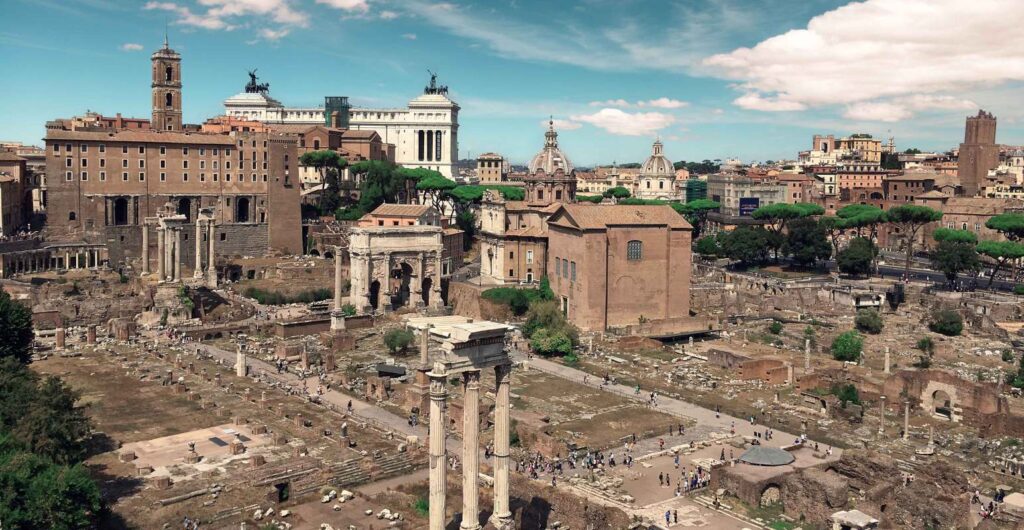
- Walk between adjacent landmarks like the Colosseum, Roman Forum, and Piazza Venezia in less than 15 minutes.
- Beware of pickpockets on crowded buses and metro lines, especially around Termini Station.
- Use express bus lines for faster travel to popular spots such as the Vatican or Trastevere.
- Consider renting an e-scooter for longer stretches, but stick to bike lanes where possible.
- Shortcut through charming side streets (vicoli) to avoid tourist crowds and discover hidden gems.
Embracing Rome’s transport and winding lanes helps you experience the city’s pulse and discover its wonders at your own pace.
When to Visit: Seasonal Advice for First Timers
Deciding when to explore Rome can make a world of difference in your experience, especially for first-time visitors who want to savor the city without feeling overwhelmed. As someone who’s lived in Rome all my life, I know how each season shapes the city’s energy, from bustling festivals and warm, golden evenings to quieter hidden corners waiting to be discovered. Whether you crave fewer tourists or want to join the lively rhythms of local celebrations, timing your trip just right can help you catch Rome at its very best. Let’s uncover which months blend convenience, cultural richness, and a true sense of Roman life.
Best Times of Year for Fewer Crowds and Local Festivals
If you’re dreaming of strolling Rome’s sun-warmed streets without jostling through packed tourist crowds, I always recommend visiting in the shoulder seasons, late spring (April to early June) or early autumn (mid-September to October). During these months, the city feels alive and authentic, yet comfortably uncrowded. Mornings are fresh, and evenings buzz with locals enjoying aperitivo outdoors. Piazza Navona and the Spanish Steps are much less hectic than in peak summer, so you can actually pause and soak in the timeless beauty rather than rushing past throngs of selfie sticks.
One of my favorite things about these seasons is how much Roman local life spills into the open. In the spring, you’ll witness festeggiamenti like Natale di Roma, our city’s birthday celebration on April 21st. Suddenly, the streets are full of historical reenactments, parades, and fireworks lighting up the night sky. Early autumn is another sweet spot, especially for food lovers. The city hosts sagra festivals, think bustling farmers’ markets in Testaccio or chestnut fests in the surrounding hills, each celebrating the best agricultural treasures of the season. It’s the perfect time to sample seasonal delicacies and join in neighborhood gatherings that tourists rarely find on their own.
Visiting at these times not only helps you avoid the discomfort of Rome’s sweltering July and August or the rainier winter months, but it also gives you a front row seat to real Roman culture. It’s easier to strike up genuine conversations with locals in quieter cafés or at festive events, and you’ll snag better deals on accommodation too. Pack layers for cool evenings, keep your camera ready for impromptu celebrations, and above all, let yourself linger in the magic of a Rome where you’re not just a visitor, but a welcome guest immersed in our city’s traditions.
Must-Try Roman Foods and Authentic Eateries
If you want to truly experience Rome as we locals do, you have to dive headfirst into its food scene, where tradition and passion blend on every plate. Roman cuisine is all about comfort, simplicity, and letting fresh ingredients shine, whether you’re savoring pasta in a tucked-away trattoria or grabbing a quick supplì from a busy street vendor. Beyond classics like carbonara and cacio e pepe, there’s so much joy in discovering genuine flavors and finding the places where Romans actually eat. If there’s one thing I always tell visitors, it’s that your memories of Rome’s flavors will last long after your trip ends.
Local Favorites and Where to Find the Best Gelato
Gelato isn’t just a sweet treat here in Rome, it’s a daily ritual, especially once the weather warms up. As a local, I’ve tried countless gelaterie scattered across the city, and I can tell you there’s a world of difference between touristy, artificial scoops and authentic Roman gelato. To taste the best, ignore the neon-colored piles and head straight for spots where the flavors are “hidden” in covered metal tubs (pozzetti). It’s an indication that the gelato is freshly made and kept at just the right temperature, which preserves both texture and taste.
There are several places I keep coming back to. In the historic heart near the Pantheon, Gelateria del Teatro is unmatched, known for using seasonal ingredients like Amalfi lemons and Sicilian pistachios. Over in Trastevere, Otaleg! flips “gelato” backwards but gets everything right, especially their inventive combinations, you’ve got to try the ricotta and fig if it’s on offer. Fatamorgana is another favorite, especially for anyone with allergies, as they serve creative flavors without gluten or artificial additives. I’m also partial to Come il Latte in the Sallustiano neighborhood; their creamy base and drizzle of liquid chocolate are pure joy.
Choosing a great gelato goes beyond taste for us locals, it’s about supporting artisanal passion. Don’t be shy: ask for a “piccolo assaggio” (small taste) if you’re stuck choosing between flavors. I always tell friends that real gelato has a muted, pastel color, a creamy-but-not-runny look, and never leaves you feeling heavy. When you need a break after a morning at the Colosseum or a stroll along the Tiber, pause for a scoop and savor it slowly. It isn’t just dessert; it’s a slice of Roman life, a moment to join the relaxed rhythm of the city, and, honestly, there’s no better way to connect with the soul of Rome. If you find a neighborhood spot filled mostly with locals, especially groups of kids and parents on a sunny afternoon, you’ll know you’ve hit the gelato jackpot. Don’t forget to explore new flavors, from classic pistachio to zesty seasonal fruit, and share your favorites with fellow travelers. Gelato’s all about pleasure, discovery, and, most of all, enjoying Rome like a true local.
Respecting Local Customs and Cultural Etiquette
Experiencing Rome as a local goes beyond savoring great food and strolling vibrant piazzas, it also means understanding the subtle but important customs that shape everyday life. Knowing how to dress appropriately, greet people, and behave at the dinner table can make your experience smoother, helping you blend in and show respect for Roman traditions. Observing these cultural cues, learned from generations before us, shows you value the city not just as a destination but as a living, breathing community. As Romans, we appreciate visitors who embrace these little rituals, and you’ll find your interactions warmer and your stay more rewarding if you do.
Dress Codes, Greetings, and Dining Manners in Rome
If you really want to experience Rome like a local, start with how you present yourself. Romans, like me, take pride in their appearance, even when running simple errands. It doesn’t mean you need to dress formally, but looking put-together is seen as a sign of self-respect and respect for others. When visiting churches (and there are so many breathtaking ones!), shoulders and knees should always be covered, bring a light scarf or shawl to toss over your shoulders if you’re wearing a sleeveless top. In some of the city’s finer restaurants or theatres, “smart casual” is the rule, so avoid beachwear, athletic outfits, or worn sandals in these settings. Trust me, blending in sartorially will make you feel more comfortable, and you’ll receive better service, too.
When it comes to greetings, Italians are famously warm, but also a little formal at first, especially with strangers. A friendly “buongiorno” (good morning) or “buonasera” (good evening) will earn you a genuine smile, whether you’re entering a shop or greeting your Airbnb host. It’s custom to shake hands in initial meetings, and among friends, we share two light kisses on the cheeks, left then right. Wait to see how locals approach, as this can vary. Eye contact is considered courteous, and a relaxed, confident manner is always appreciated.
Dining is a ritual in Rome, and table manners matter. Begin your meal only after everyone’s food has arrived, and if you’re invited to a Roman home, it’s polite to bring a small gift, like pastries or a bottle of local wine. At restaurants, don’t expect the check automatically; you’ll need to ask for it (“Il conto, per favore”). Tipping isn’t obligatory, but always appreciated for good service, rounding up the bill or leaving some small change is sufficient. Bread will often come without butter or oil; it’s meant for gathering sauce, not as a starter. Italians linger over coffee after meals, never order a cappuccino after noon unless you want to give yourself away as a tourist! Small gestures like these aren’t fussy rules, they’re ways Romans connect, show warmth, and live la dolce vita. By observing them, you’ll soon feel part of the fabric of daily Roman life, not just a distant observer.
Beyond the Usual: Secret Spots Only Locals Recommend
Every visitor comes to Rome imagining the grandeur of the Colosseum and the endless buzz of Piazza di Spagna, but for those who crave a deeper connection with my city, it’s the lesser-known corners that reveal its soul. Growing up here, I’ve discovered that the real charm lies in winding cobbled streets, unexpected green spaces, and gathering spots far from the tourist flow. These hidden gems, whether tucked-away piazzas, scenic neighborhood walks, or quirky museums, invite you to slow down, explore, and soak in a more genuine, quietly dazzling side of Rome. Let me share some of my favorites that even seasoned visitors often miss.
Hidden Piazzas, Neighborhood Walks, and Lesser-Known Museums
It’s natural to start a Roman adventure in places like the Trevi Fountain, but some of my most cherished memories come from discovering the city’s secret spots, places where time seems to slow, and everyday life unfolds away from the crowds. One of the best examples is Piazza Mattei, nestled in the Jewish Ghetto. Tucked away behind winding lanes, this tiny square features the charming Turtle Fountain, a true work of Renaissance art, often surrounded by locals chatting or children playing. You’ll rarely see large tour groups here, just quiet elegance and the soothing rhythm of daily Roman life.
If you want to truly walk like a Roman, head for the district of Testaccio. Once known mainly for its markets and food scene, Testaccio’s backstreets are a goldmine for curious explorers. Start at Monte Testaccio, the ancient hill made from broken amphorae, and take a stroll toward the atmospheric Non-Catholic Cemetery where Keats and Shelley rest among pine trees and stray cats. The nearby murals and family-run bakeries make the neighborhood feel worlds apart from the city center’s hustle. Another favorite of mine is the Via di Santa Prassede in Monti, behind the grand Basilica di Santa Maria Maggiore, you’ll find peaceful courtyards, vintage shops, and a café where locals linger for hours over coffee.
For those who love art but want a break from crowded museums, seek out the Centrale Montemartini. This museum is housed in a converted power plant, where classical sculptures are set dramatically against turbines and industrial machinery. The contrast is breathtaking and you’ll often find yourself nearly alone with masterpieces. Another gem is the Museo di Roma in Trastevere, where rotating exhibits highlight Rome’s forgotten traditions, local festivals, and street culture. Stumbling onto these places, you’ll find that Rome’s true beauty lies not just in what’s been preserved, but in the way locals continue to bring new life to ancient spaces. Next time you’re craving a moment of quiet magic, wander off the main drag, you may just stumble on your own Roman secret worth treasuring. And if you’re unsure where to start, ask a local (like me): we’re always happy to point fellow explorers towards these hidden slices of our incredible city.
Smart Packing and Safety Tips for Rome
Exploring Rome with confidence comes down to practical preparation, something I’ve learned as a local watching both seasoned travelers and first-timers navigate the city’s charms and challenges. Whether you’re meandering through bustling markets or relaxing in a secret piazza, packing smartly and keeping an eye on safety ensures every moment remains stress-free and memorable. True Roman life isn’t just about savoring gelato or admiring ancient ruins, it’s also about being flexible and prepared for anything this lively city throws your way. Let’s talk practical must-haves and local strategies that keep you healthy, secure, and perfectly equipped for your Roman adventure.
Essential Items, Anti-Theft Tips, and Staying Healthy
When it comes to packing for Rome, I always start with the mindset of blending in and protecting my essentials, two lessons that come from years of city living. Comfortable, stylish shoes are a must since Rome’s cobblestones show no mercy to your feet. Think sturdy sneakers or cushioned sandals rather than flimsy flip-flops; you’ll thank yourself after walking from Trastevere to the Spanish Steps. Lightweight, breathable clothing works wonders in the Mediterranean sun, but don’t forget a versatile scarf, it’s perfect for covering your shoulders in churches and keeping you warm during breezy evenings by the Tiber.
One thing visitors often overlook is how clever pickpockets can be in tourist-heavy areas like Termini Station or around the Trevi Fountain. As a local, I use crossbody bags with zippers, preferably worn in front, and never put my wallet or phone in back pockets. Money belts or hidden pouches might not be glamorous but they save countless headaches. Consider carrying a digital or paper copy of your passport, and store the original securely at your accommodation. While Rome feels very safe by day, at night stick to well-lit streets and don’t flash expensive jewelry or tech.
For staying healthy, the trick is to drink plenty of water (tap water here is excellent, refill at public fountains known as nasoni!), use sunscreen generously, and take breaks in the shade during summer’s heat. Pharmacies (farmacia) are everywhere, but I always suggest travelers pack a mini first-aid kit with plasters for blisters, motion sickness pills (for bus rides on Rome’s famously bumpy roads), and any personal medication, just in case. If you deal with allergies, carry a card in Italian listing your needs, since not all staff at restaurants or shops speak fluent English. Lastly, keep an eye out for seasonal colds or “scirocco” winds that may stir up allergies. Don’t worry, though, Romans are welcoming and you’ll find help everywhere, from shopkeepers who’ll offer advice to fellow commuters pointing you toward the best pharmacy. Come prepared, stay alert, and you’ll spend more time soaking up Rome’s marvels rather than worrying about mishaps. And if you ever have questions or just want a local’s recommendation, don’t hesitate to ask, we really do enjoy helping visitors fall in love with our city safely and comfortably!
Crafting Your Ideal Rome Itinerary
Designing the perfect Roman holiday is about more than ticking off sights, it’s about balancing iconic landmarks with the joy of spontaneous discovery. As a local, I’ve seen visitors race through packed checklists, but Rome rewards those who sprinkle their days with both structured adventures and meandering moments. From easy day trips into the countryside to immersive guided tours that peel back the layers of history, your ideal itinerary weaves together famous highlights, lesser-known treasures, and an authentic taste of daily Roman life. Find inspiration as you blend sightseeing, cultural immersion, and personal exploration for a trip that feels uniquely yours.
Suggestions for Day Trips, Guided Tours, and Local Experiences
When piecing together your stay in Rome, I always encourage travelers to set aside time for more than just the big monuments. Sure, the Colosseum and Vatican are must-sees, but the magic often happens outside the guidebook highlights. Consider starting with a structured guided tour, there are passionate local guides who transform ruins into living stories or bring ancient alleyways to life with legends you’ll never find online. These smaller-group or themed tours, from culinary walking routes through Testaccio to after-dark explorations of the Roman Forum, let you view the city’s wonders through a fresh, insider’s perspective. Plus, you’ll have a chance to ask questions and make real connections, which makes the experience that much richer.
One of the best things about Rome is how easy it is to step outside the city for a day trip and see a totally different side of Italian life. From Termini Station, you can hop on a quick train to Tivoli, where you’ll wander among the lush gardens and fanciful fountains of Villa d’Este, or marvel at the ruined grandeur of Hadrian’s Villa. A little further out, medieval Orvieto towers above its Umbrian cliffs, perfect for a leisurely lunch and a stroll through quiet, cobbled lanes. Even just across the city, the Appian Way offers ancient roads shaded by cypress trees, ideal for a morning on rented bikes, far from the buzz of the center.
Don’t overlook everyday local experiences that make even ordinary moments feel special. Get up early to browse Campo de’ Fiori’s outdoor market for fresh fruit or join Romans for their ritual cappuccino at the bar. Seek out quartiere walks, you can join locals for an evening passeggiata in places like Garbatella or Pigneto, discovering street art or tucked-away wine bars. Many neighborhoods host their own food or vintage markets on weekends, and you’ll gain a real sense of Rome’s dynamic life just by drifting through these gatherings. Most importantly, design your itinerary with pockets of free time for unplanned discoveries: sometimes, it’s the impromptu detour into a hidden church or a last-minute invitation to a street festival that becomes the highlight of your Italian adventure. Make your plans flexible and let curiosity lead the way, Rome always rewards the traveler who explores with an open heart and open schedule.