Many travelers planning a trip to Rome ask the same question early on: do you have to pay to see the Colosseum? The short answer is yes and no, depending on what you mean by “see.” You can walk around the Colosseum, admire its massive walls, take photos, and experience the atmosphere of the surrounding area without paying anything at all. This is often surprising to first-time visitors who expect a fence or entrance gate around the entire monument. The Colosseum sits in an open public space, so viewing it from the outside is completely free and available at any time of day. However, stepping inside is a different story. Access to the interior requires a ticket, even if the ticket price is reduced or free for certain visitors. Understanding this difference helps you plan better and avoid confusion when you arrive. If you are organizing a short stay and want to fit the Colosseum into a broader plan, it can help to look at a structured itinerary like Rome in Three Days Itinerary, which shows how the Colosseum fits into a realistic sightseeing schedule. Knowing what is free, what requires a ticket, and how entry works will save you time, stress, and unnecessary expenses once you are on the ground in Rome.
Seeing the Colosseum From the Outside
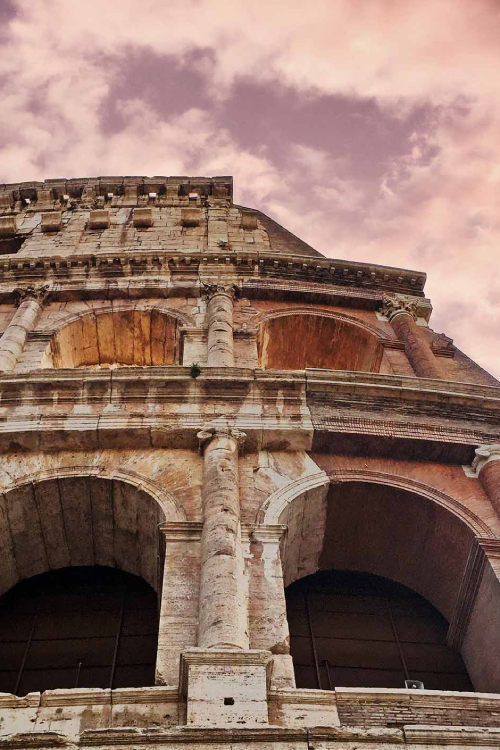
Seeing the Colosseum from the outside is completely free and often more impressive than people expect. You can walk around the monument on foot, approach it from different angles, and take in the scale of the structure without any barriers. Popular viewpoints include the area near the Arch of Constantine, Via dei Fori Imperiali, and the sidewalks that wrap around the Colosseum itself. Many visitors enjoy visiting early in the morning or in the evening, when the crowds thin out and the light is better for photos. At night, the Colosseum is softly illuminated, creating a striking view that feels very different from daytime sightseeing. Street performers, musicians, and artists often gather nearby, adding to the atmosphere. While you cannot enter the seating levels or walk on the arena floor without a ticket, you can still learn a lot just by observing the exterior. Informational signs around the area explain parts of its history and structure. For travelers on a tight budget or those who simply want to soak in the feeling of ancient Rome, this free experience is more than enough. Many people choose to see the Colosseum from the outside first and decide later if going inside fits their interests, energy level, and schedule.
When You Need to Pay to Enter the Colosseum
You need to pay to enter the Colosseum if you want to go beyond the exterior and step inside the monument. A ticket is required to access the seating levels, interior corridors, exhibits, and any special areas such as the arena floor or underground sections. Entry is controlled through timed tickets, which means you must choose a specific entry time when you book. This system helps manage crowds and protects the site, but it also means tickets can sell out days in advance during busy periods. Your Colosseum ticket usually includes access to the Roman Forum and Palatine Hill, which are located nearby and form part of the same archaeological area. Many travelers do not realize this and think they are buying a Colosseum-only ticket. Paying for entry allows you to understand how the building functioned, see exhibitions about gladiators and Roman engineering, and appreciate the monument from the inside. Without a ticket, you miss out on the internal scale and perspective that makes the Colosseum so famous. Buying your ticket in advance from the official site is the safest way to ensure entry and avoid long lines at the ticket office.
Official Colosseum Tickets and What They Include
Official Colosseum tickets are sold through the Colosseum Archaeological Park and include several options depending on how much access you want. The most common ticket allows entry to the Colosseum, Roman Forum, and Palatine Hill within a set time window. This ticket is ideal for first-time visitors who want a complete overview without adding special areas. Other ticket types include access to the arena floor or the underground levels, which are limited areas that require additional supervision. These options cost more and often sell out quickly because group sizes are smaller. All official tickets are timed, meaning you must enter the Colosseum at the selected hour, while the Forum and Palatine can usually be visited more flexibly within the ticket’s validity period. Tickets should only be purchased from the official website at https://ticketing.colosseo.it/ to avoid unnecessary markups and confusion. Buying directly ensures you receive accurate information, official entry rights, and customer support if plans change. Understanding what each ticket includes helps you choose the right option and avoid paying for access you may not actually want or need.
Free Entry and Reduced Tickets
Not everyone has to pay full price to enter the Colosseum, but free or reduced entry does not mean unrestricted access. Children under 18 are generally entitled to free admission, while young adults from certain countries may qualify for a reduced ticket. Even when entry is free, a ticket is still required, and a time slot must be reserved. This is one of the most common misunderstandings among travelers. People often assume they can simply walk in if they qualify for free entry, only to discover that all time slots are fully booked. Reduced tickets work the same way. They must be purchased or reserved through the official system and are subject to availability. On particularly busy days, free and reduced tickets can sell out just as quickly as full-price tickets. Planning ahead is essential if you are traveling with children or relying on discounted entry. Always check the official ticketing page for current eligibility rules and booking instructions so you do not run into problems at the entrance.
Free Admission Days
On certain designated days, the Colosseum offers free admission to all visitors. These days are part of a national initiative and are very popular with both locals and tourists. While entry is free, the experience is different from a regular paid visit. Crowds are much larger, waiting times are longer, and access may be limited to standard routes only. Special areas like the underground or arena floor are often excluded on free days. Time slots may still apply, and tickets are distributed on a first-come, first-served basis or through advance booking, depending on the rules for that specific day. Many travelers are caught off guard by how busy free admission days can be. If your schedule is flexible and you do not mind crowds, this can be a good way to see the interior without paying. If you prefer a calmer experience, a paid ticket on a regular day is usually worth the cost.
Common Mistakes Travelers Make
One of the biggest mistakes travelers make is assuming they can buy a Colosseum ticket on the spot without any issues. While on-site ticket offices exist, they often sell out early, especially during peak travel periods. Another common error is purchasing tickets from unofficial sellers who charge higher prices and provide unclear information. This can lead to confusion about entry times or what areas are included. Some visitors also underestimate how long a visit takes and schedule their entry too close to other activities. Once inside, most people spend several hours exploring the Colosseum, Forum, and Palatine Hill. Rushing through diminishes the experience. Finally, many travelers do not realize that arriving late for a timed entry can result in denied access. Planning carefully, booking through the official website, and allowing enough time will help you avoid these issues and enjoy your visit without unnecessary stress.
Is Paying to Enter the Colosseum Worth It?
Whether paying to enter the Colosseum is worth it depends on your interests and travel style. For history lovers, first-time visitors, and anyone curious about ancient Rome, the interior experience adds depth and understanding that you simply cannot get from the outside. Walking through the corridors, looking down into the arena, and seeing how the structure was used brings history to life in a way photos and books cannot. For others, especially travelers short on time or budget, seeing the Colosseum from the outside and focusing on other parts of Rome may be enough. There is no wrong choice. The key is knowing your options and making a decision that fits your trip. By understanding when you need to pay, how tickets work, and what each option includes, you can plan confidently and make the most of your time in Rome.