Rome is often described through the same landmarks: the Colosseum, Vatican Museums, Trevi Fountain, and Spanish Steps. While these places are iconic for a reason, they only show one side of the city. Rome is layered, surprising, and full of places that even repeat visitors often overlook. If you want experiences that feel more personal, quieter, and genuinely different, exploring unusual things to do in Rome will completely change how you see the city. These experiences take you underground, into forgotten neighborhoods, inside unexpected buildings, and through stories that rarely make it into standard guidebooks. They are ideal if you enjoy discovering places that make you say “I didn’t know this existed,” while still being easy to reach and meaningful to visit.
If this is your first time in the city, it helps to balance classic sights with lesser-known experiences. Many travelers find it useful to follow a structured plan for the main highlights and then add unusual stops around it. If you are planning a short stay, you may want to combine these ideas with a clear daily plan like this Rome in three days itinerary, which helps you see the essentials without rushing. Once the basics are covered, the places below will add depth, context, and a sense of discovery that makes your trip feel more special.
The unusual experiences listed in this guide are not gimmicks. They are real parts of Rome’s history, culture, and daily life. Many are inexpensive, some are completely free, and most can be visited without advance planning if you know what to expect. This makes them ideal for travelers who want value, authenticity, and memorable moments without standing in long lines all day.
Hidden viewpoints and quiet corners above ground
The Aventine Keyhole and the secret view of St Peter’s
One of the most unusual and simple things to do in Rome is to look through a keyhole. On the Aventine Hill, at the gate of the Knights of Malta, there is a small keyhole that perfectly frames the dome of St Peter’s Basilica. What makes this experience special is not just the view, but the feeling of discovering something quietly magical in an otherwise calm residential area. The line is usually short and moves quickly, and there is no ticket required. You simply wait your turn, lean forward, and look through.
The Aventine Hill itself is worth exploring once you are there. It is one of Rome’s seven hills, but it feels very different from busy areas like the Spanish Steps or Trastevere. The streets are calm, green, and residential, making this a good place to slow down. Nearby, you can visit the Orange Garden, which offers one of the most peaceful panoramic views in the city. Together, these spots create a relaxing break from the crowds while still being central and meaningful.
This experience works well early in the morning or in the early evening, when the light is softer and the area is quieter. It is a great example of how Rome rewards curiosity. You are not buying a ticket or entering a museum, but you are experiencing something memorable that stays with you long after the trip.
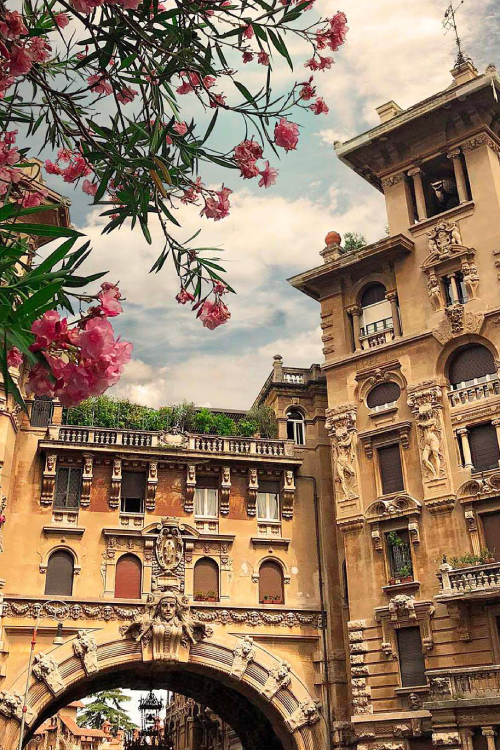
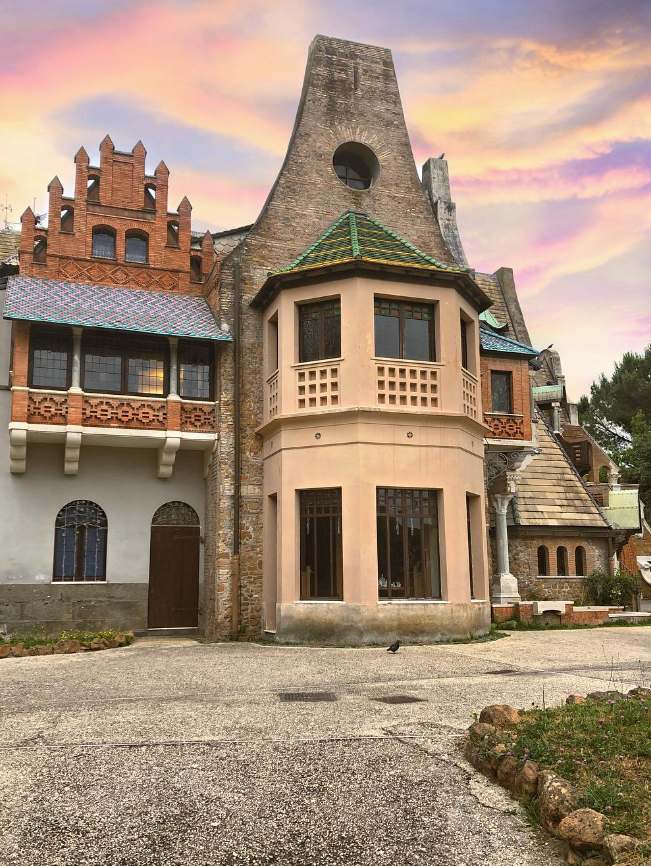
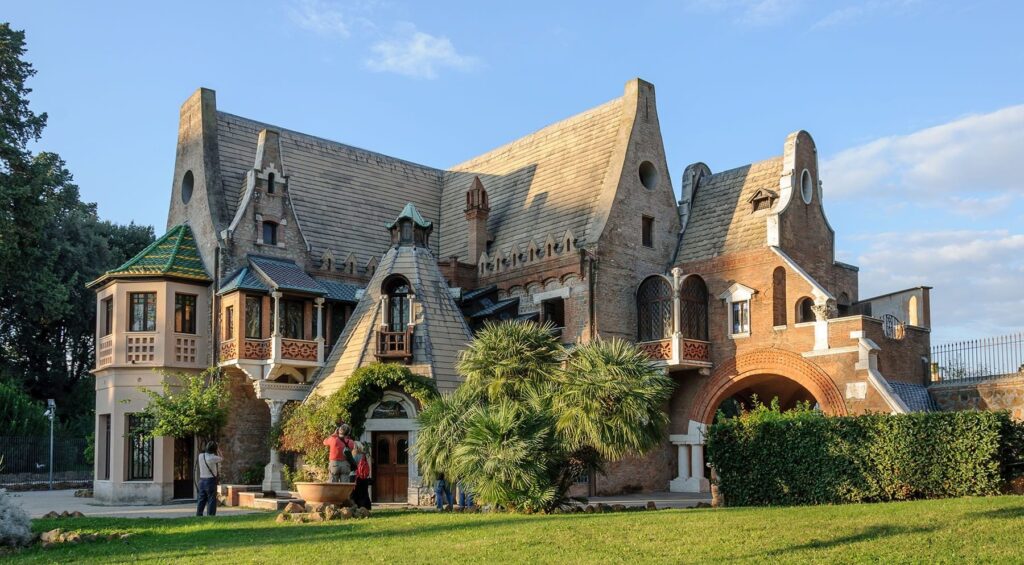
Quartiere Coppedè, Rome’s fairytale neighborhood
Quartiere Coppedè is one of the most unusual neighborhoods in Rome, and many visitors never hear about it. It is not a single building, but a small group of streets near Piazza Buenos Aires, designed with a mix of architectural styles that include Art Nouveau, medieval influences, and imaginative decorative elements. Walking into this area feels like stepping onto a movie set. Buildings feature arches, towers, frescoes, and sculpted details that do not resemble anything else in Rome.
There is no entrance fee and no formal route. The best way to experience Coppedè is simply to walk slowly and look up. This is a great place for travelers who enjoy photography or architecture, but it is equally enjoyable if you just want to wander somewhere unexpected. Because it is a residential area, it remains calm throughout the day and rarely feels crowded.
You can easily combine a visit to Quartiere Coppedè with nearby Villa Torlonia or a coffee stop in the surrounding neighborhood. This makes it a flexible addition to your day and an excellent contrast to the ancient ruins and Baroque churches found elsewhere in the city.
Underground Rome and hidden layers of history
Domus Aurea, Nero’s hidden palace
Few places show Rome’s hidden layers better than the Domus Aurea. This vast palace complex was built by Emperor Nero and later buried under centuries of construction. Today, visiting the Domus Aurea feels like stepping into an archaeological site that is still being uncovered. The experience is guided and includes special lighting and, in some cases, virtual reality that helps you understand what the palace once looked like.
This is not a typical museum visit. You walk through dimly lit spaces, see fragments of painted walls, and hear explanations about how later buildings, including parts of the Colosseum area, were constructed above it. Because of the controlled environment, visits are limited and require advance booking. Tickets and official information can be found on the official site at https://www.coopculture.it/it/prodotti/domus-aurea/.
The Domus Aurea is ideal for travelers interested in ancient Rome beyond the usual ruins. It provides context, storytelling, and a sense of discovery that is hard to match. Because it is a guided experience, it is also accessible even if you are not an expert in Roman history.
San Clemente, three levels of Rome in one place
The Basilica of San Clemente offers one of the clearest examples of Rome’s layered history. From the street, it looks like a beautiful but fairly typical church. Once inside, you can descend through multiple levels that reveal different periods of the city’s past. You start in a medieval basilica, move down to an early Christian church, and then reach Roman-era structures that include ancient streets and buildings.
This experience is unusual because it allows you to physically walk through time. Each level is clearly explained with signs, making it easy to understand even for younger visitors or those new to Roman history. The site is well organized, calm, and rarely overwhelming. Tickets are purchased on site, and official information is available at https://www.basilicasanclemente.com/eng/.
San Clemente is located near the Colosseum, making it easy to combine with more famous sights. Many travelers find that this visit adds depth to everything else they see in Rome, helping them understand how the city evolved over time.
Vicus Caprarius, the hidden city of water near Trevi
Just steps away from the Trevi Fountain, one of the busiest spots in Rome, lies Vicus Caprarius, an underground archaeological site often called the City of Water. This site reveals ancient Roman buildings and water systems that still function today. Visiting Vicus Caprarius is surprising because of its location. You descend beneath modern streets and suddenly find yourself in a quiet, well-preserved ancient environment.
The visit is short but impactful. It shows how water shaped the city and how Roman engineering continues to influence daily life. Tickets are affordable, and booking is recommended on busy days. Official details and tickets can be found at https://www.vicuscaprarius.com/.
This is a perfect stop if you want something meaningful without spending hours in a museum. It pairs well with a walk through the historic center and adds context to one of Rome’s most famous fountains.
Unusual museums and unexpected experiences
Centrale Montemartini, ancient art in an industrial setting
Centrale Montemartini is one of the most surprising museums in Rome. It displays classical Roman sculptures inside a former power plant, placing marble statues among turbines and industrial machinery. The contrast is striking and makes the art feel fresh and modern, even though it is thousands of years old.
The museum is part of Rome’s civic museum system and is located in the Ostiense district. It is easy to reach by public transport and rarely crowded. Official tickets and information are available at https://www.museiincomuneroma.it/it/musei/centrale_montemartini.
This museum is ideal for travelers who enjoy art but want something different from the Vatican or Capitoline Museums. It also pairs well with exploring the surrounding Ostiense area, which is known for street art and a more modern side of Rome.
The Capuchin Crypt, a museum unlike any other
The Museum and Crypt of the Capuchin Friars is one of the most unusual places you can visit in Rome. Beneath the church on Via Veneto, chapels are decorated with the bones of Capuchin friars, arranged in symbolic patterns. While this may sound unsettling, the experience is presented with respect and historical context.
The visit includes a small museum that explains the Capuchin order and their philosophy, helping visitors understand the meaning behind the crypt. Tickets and official information are available at https://www.cappucciniviaveneto.it/.
This is not a place for everyone, but for those interested in history, religion, and the different ways cultures approach life and death, it is deeply memorable. It also offers a quieter, more reflective experience compared to larger attractions.
Unusual outdoor experiences and peaceful escapes
The Appian Way, Rome’s ancient road
The Appian Way is one of the oldest roads in Rome, and walking or biking along it feels like leaving the city without actually leaving Rome. On certain days, the road is closed to traffic, making it ideal for a relaxed walk or bike ride. You pass ancient tombs, ruins, and open countryside, all within easy reach of the city center.
This experience is unusual because it combines history with nature. It is a great way to slow down, especially after days of sightseeing. You can rent bikes near the entrance to the Appian Way or simply walk a section at your own pace. No ticket is required to access the road itself.
The Appian Way works well as a half-day experience and can be combined with nearby catacombs or a picnic in one of the surrounding parks.
The Non-Catholic Cemetery, a quiet place of reflection
Near the Pyramid of Cestius, the Non-Catholic Cemetery offers one of the most peaceful experiences in Rome. This beautifully maintained cemetery is the final resting place of artists, poets, and thinkers from around the world. It feels more like a garden than a cemetery and provides a calm break from the city.
Visitors are often surprised by how relaxing and inspiring this place is. It is well organized, respectful, and easy to visit. Official visiting information is available at https://www.cemeteryrome.it/.
This is an ideal stop if you are interested in cultural history or simply want a quiet moment in a green space. It pairs well with a visit to the nearby Testaccio or Ostiense neighborhoods.
Quick planning table for unusual experiences in Rome
| Place | Type | Booking Needed | Time Needed |
|---|---|---|---|
| Domus Aurea | Archaeological site | Yes | 1.5 hours |
| San Clemente | Church and ruins | No | 1 hour |
| Centrale Montemartini | Museum | No | 1 to 2 hours |
| Vicus Caprarius | Underground site | Recommended | 30 to 45 minutes |
| Appian Way | Outdoor walk | No | 2 to 4 hours |