Rome is an intense city in the best possible way. You walk past ancient ruins, busy piazzas, traffic, scooters, churches, museums, and suddenly your brain just needs space. That is where Rome’s parks come in. Parks in Rome are not an afterthought. They are part of daily life. Locals jog, picnic, walk dogs, read, meet friends, and escape the heat under tall umbrella pines. For travelers, they are just as useful. A well timed park visit can save your energy, reset your mood, and honestly make the rest of your sightseeing better. Many visitors plan Rome minute by minute and forget to add green space. That is one of the fastest ways to feel burned out. Adding even one or two parks to your itinerary changes the pace completely.
This guide focuses on the best parks in Rome for visitors, not just the famous ones but also the parks that locals love and travelers often miss. Some parks are perfect if you only have an hour between major sights. Others are ideal if you want a half day of walking, relaxing, or letting kids run freely. You do not need to see them all. Think of this as a menu. Pick the park that fits your location, energy level, and travel style. If you are planning a short stay and want help balancing sightseeing with downtime, this Rome in three days itinerary shows how to fit parks naturally into your days without losing time.
| Park | Best for | Time needed |
|---|---|---|
| Villa Borghese | First time visitors, families | 1 to 3 hours |
| Villa Doria Pamphilj | Long walks, locals vibe | 2 to 4 hours |
| Park of the Aqueducts | Photos, sunset, history | 1.5 to 3 hours |
Villa Borghese: The Easiest Park to Add to Any Rome Itinerary
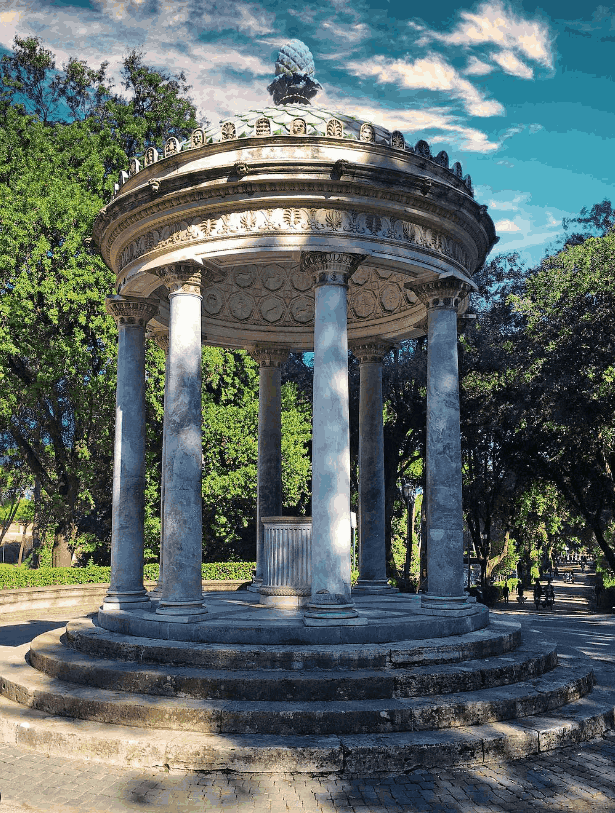
Villa Borghese is the most convenient park in Rome for travelers, and that alone makes it one of the best. It sits right above the Spanish Steps and Piazza del Popolo, which means you can step out of busy streets and into greenery in minutes. This is not a wild park. It is wide, elegant, and well maintained, with long paths, shaded areas, small lawns, and benches everywhere. It feels safe, organized, and easy to navigate, which is why so many visitors naturally end up here without even planning it.
Villa Borghese works especially well if you are sightseeing hard and need a pause without changing neighborhoods. You can walk, sit by the small lake, grab a snack, or let kids burn off energy. One of the highlights is the Pincio Terrace, which offers one of the most famous panoramic views over Rome. Sunset here is popular, but even mid day the view is worth the short walk. The park is also surrounded by museums and attractions, which makes it easy to combine culture and nature in the same time block.
From a practical point of view, Villa Borghese is flat in many areas and easy to access from several entrances. You do not need a map to enjoy it. Just wander until you feel calmer. If your trip feels rushed, this is often the park that saves the day. Even one hour here can change how the rest of Rome feels.
Villa Torlonia: An Elegant Park with History and Calm, Close to the Center
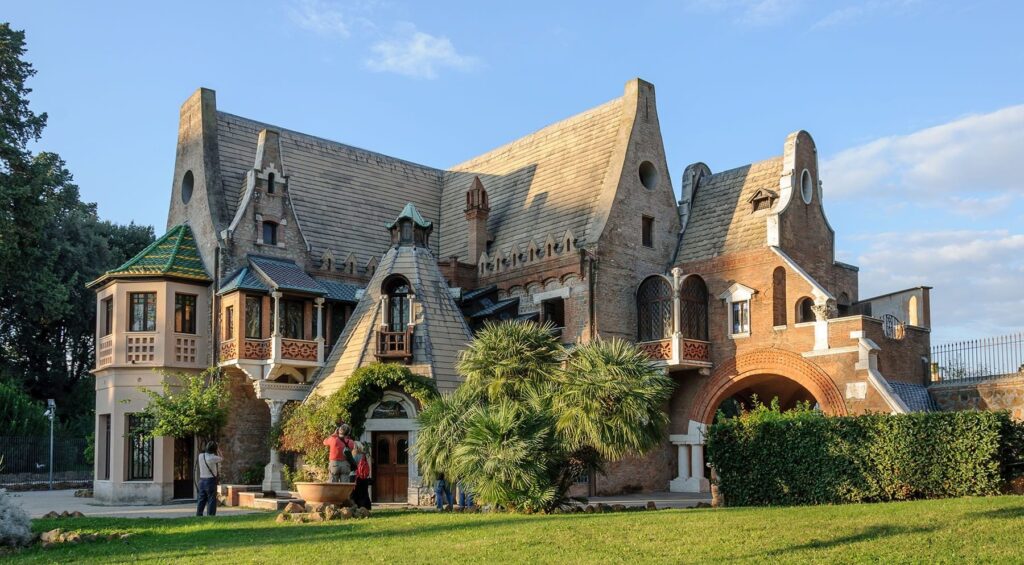
Villa Torlonia is one of Rome’s most underrated parks for travelers, especially if you want something green, refined, and easy to fit into a sightseeing day without committing hours. Located near Via Nomentana, Villa Torlonia feels more intimate and polished than Rome’s massive parks, but still offers enough space to slow down and breathe. This park was originally designed as a private villa estate, and that shows in its layout. The paths are orderly, the gardens feel intentional, and the overall atmosphere is calm rather than wild. It is the kind of place where you stroll instead of power walking.
What makes Villa Torlonia especially appealing is how well it blends greenery with architecture. As you walk through the park, you pass elegant buildings, fountains, shaded lawns, and quiet corners that are perfect for sitting and resting. It never feels overwhelming or crowded, which makes it ideal if you are traveling with kids, older family members, or simply want a low effort break. Because the park is not enormous, you do not need a map or plan. You can wander freely and still see everything. Many travelers combine Villa Torlonia with nearby neighborhoods or use it as a peaceful pause between museums or long walking days. Some of the historic buildings inside the park function as museums and require tickets, but the park itself is free to enter and enjoy. Villa Torlonia is best for travelers who appreciate a slower pace, clean paths, and a classic Roman garden atmosphere without the scale or crowds of larger parks. If your itinerary feels packed and you want a place that feels restorative rather than stimulating, this park fits perfectly.
Villa Doria Pamphilj: Rome’s Largest and Most Relaxing Green Space
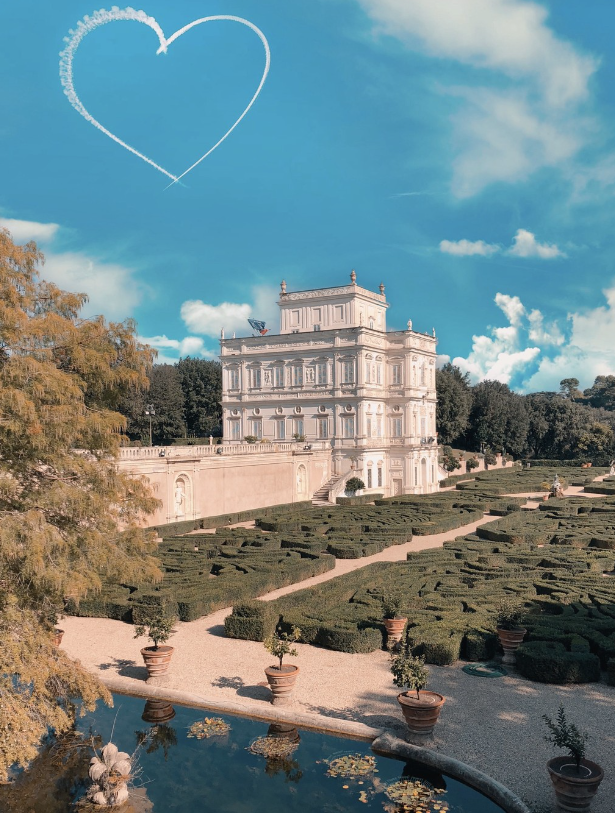
Villa Doria Pamphilj is the park locals recommend when you ask where to really escape the city. It is huge, quiet, and much less touristy than Villa Borghese. If Rome feels loud or crowded, this park gives you space to breathe. You will see runners, families, couples, and people reading under trees, but you will not feel packed in. The paths are wide, the lawns feel endless, and the atmosphere is slow.
This park is ideal if you want a long walk without dodging crowds or traffic. You can easily spend several hours here without repeating the same scenery. There are formal sections near the historic villa and more natural areas with trees and open fields. It feels more like countryside than city, which is surprising considering how close it is to central Rome. Many visitors combine it with Trastevere or the Janiculum area, making it a perfect half day break.
Villa Doria Pamphilj is also excellent for picnics. Bring food, water, and maybe a blanket. There are fewer cafes inside compared to more central parks, so planning ahead helps. If you enjoy travel days that feel less scheduled and more spontaneous, this park fits that style perfectly.
Park of the Aqueducts: Ancient Rome in an Open Field
Park of the Aqueducts is one of the most impressive parks in Rome, especially if you love history and photography. Instead of statues or fountains, the main feature here is massive ancient aqueducts stretching across open grassland. Seeing these structures in a natural setting, without crowds or barriers, is powerful. It gives you a sense of scale that museums cannot.
This park is best visited when you want something different from churches and ruins. Walking here feels calm and dramatic at the same time. Sunset is especially popular because the light hits the arches beautifully. It is also a favorite spot for runners and locals walking dogs, which adds to the everyday Roman feel. The park is part of a larger protected area near the Appian Way, so you can combine multiple outdoor sites in one trip.
The Park of the Aqueducts requires a bit more planning than central parks, but the effort is worth it. It is easy to reach by metro and a short walk. Wear comfortable shoes and bring water. There are not many services inside, so think of this as a nature and history walk rather than a cafe stop.
Villa Ada and Caffarella Park: Nature Without Tourists
Villa Ada and Caffarella Park are ideal if you want a park that feels local and slightly wild. Villa Ada is one of the largest parks in Rome and is loved for its open meadows and relaxed atmosphere. It is less polished than Villa Borghese and that is part of its charm. People come here to picnic, walk, and enjoy nature without distractions.
Caffarella Park feels even more rural. It sits in a green valley with a small river, ancient remains, and long walking paths. You can forget you are in a major city while you are there. This park is perfect for travelers who enjoy walking and exploring without a strict plan. It is also great for families who want space and freedom rather than playgrounds and crowds.
Neither of these parks is packed with services or attractions, which means they reward slow travel. Bring what you need, take your time, and enjoy the contrast to the historic center. These parks are especially refreshing if you are staying in Rome for several days.
Small Parks with Big Views: Orange Garden and Janiculum
Orange Garden, also known as the Aventine Garden, proves that size is not everything. This small, beautifully maintained garden offers one of the best viewpoints in Rome. It is easy to visit, romantic, and calm. Many travelers stop here briefly and leave surprised by how peaceful it feels. It works well as a quick break or a sunset stop.
The Janiculum area is not one single park but a green, elevated zone with paths, viewpoints, and tree lined streets. From here, you get wide views over the historic center. It pairs perfectly with Trastevere and feels less rushed than central viewpoints. Walking here is more about atmosphere than checking off sights.
These smaller green spaces are ideal when you do not have hours to spare. They give you a mental reset without committing half a day. If your itinerary feels tight, this is where you find balance.
Botanical Garden and Rose Garden: Designed Beauty and Quiet Time
Botanical Garden is one of the few parks in Rome that requires a ticket, but it is worth it if you want a calm, curated environment. The garden is carefully designed, peaceful, and far removed from city noise. It is perfect for travelers who enjoy plants, slow walking, and quiet spaces.
Tickets and visitor information are available on the official site: https://web.uniroma1.it/ortobotanico/. Buying tickets online is recommended. This garden is especially helpful if you need a low stress activity after several intense sightseeing days.
The Municipal Rose Garden is smaller and seasonal but beautiful when open. It overlooks the Circus Maximus area and is ideal for a short, scenic stop. Check opening times in advance, as it is not open year round.
How to Choose the Right Park for Your Trip
The best park in Rome depends on what you need that day. If you are tired and near major sights, choose Villa Borghese. If you want to walk for hours and feel local, choose Villa Doria Pamphilj or Villa Ada. If you want history without walls, go to the Park of the Aqueducts. If you want views without effort, pick the Orange Garden or Janiculum. Rome’s parks are flexible tools. Use them to shape your days, not as extra tasks.
Adding parks to your itinerary is not about doing more. It is about enjoying what you are already doing. Rome rewards travelers who slow down, and its parks make that easy.