Milan is not a city where fashion sits behind glass. It lives on the streets, in the way people dress for a simple coffee, how shop windows are styled, and how entire neighborhoods reflect different fashion moods. Exploring Milan’s fashion scene on foot is the best way to understand why this city is considered the fashion capital of Italy. Walking allows you to see the connection between historic tailoring houses, modern luxury flagships, creative districts, and everyday Milanese style. This guide is designed for travelers who want a clear, walkable way to experience Milan through fashion, without feeling rushed or overwhelmed. Early in your visit, it helps to pair this fashion walk with a broader city overview like this Milan in two days itinerary, which gives helpful context on how the fashion districts fit into the rest of the city. Milan rewards slow travel. Fashion here is not loud or flashy by default. It is precise, thoughtful, and deeply tied to craftsmanship. As you walk from street to street, you will notice how the city’s architecture, cafes, and daily rhythm all influence how people dress. This article breaks down Milan’s fashion neighborhoods, must-see streets, museums, and cultural stops in a way that feels practical and friendly, even if you are not a fashion expert.
Why Milan Is the Heart of Italian Fashion
Milan became the center of Italian fashion because it grew alongside industry, not fantasy. Unlike cities known for theatrical runway moments, Milan’s strength comes from production, textiles, and real-world wearability. After the war, northern Italy became a manufacturing powerhouse. Textile mills, leather workshops, and tailoring studios were already established around Lombardy. Designers worked closely with these industries, creating clothing that could be worn daily while still feeling refined. This practical approach shaped what is now known as Italian ready-to-wear. As you walk Milan, you will see this mindset everywhere. Clothes are elegant but functional. Shoes are stylish but built for long days. Bags are beautiful but meant to last. Milanese fashion focuses on fit, fabric, and balance. The city’s fashion reputation also grew because buyers, editors, and manufacturers could meet easily in one place. Everything was walkable, connected, and efficient. That same layout benefits visitors today. Walking between districts shows how luxury and everyday life blend naturally. Fashion here is not reserved for special events. It is part of daily routine. This is why Milan remains influential long after trends change.
The Quadrilatero della Moda: Luxury on Foot
Understanding the Fashion Quadrilateral
The Quadrilatero della Moda, also known as the Fashion Quadrilateral, is the most famous fashion area in Milan. It is compact, elegant, and ideal for walking. The main streets form a neat rectangle that can be explored in a few hours at a relaxed pace. This district represents the highest level of Italian luxury, but it is also one of the best places to understand Milanese restraint. Buildings are historic palazzi. Store fronts are refined, not flashy. Window displays change often and reflect upcoming collections and design ideas. Even if you are not planning to shop, walking here is like visiting an open-air fashion gallery. The area feels calm and polished, especially in the morning. Cafes tucked between boutiques offer perfect people-watching opportunities. This is where you see buyers, stylists, and locals dressed impeccably without effort.
Main Streets to Walk
| Street | Why It Matters |
|---|---|
| Via Montenapoleone | The most famous luxury street in Italy, home to flagship stores and historic fashion houses |
| Via della Spiga | A pedestrian-only street known for refined boutiques and quieter shopping |
| Via Sant’Andrea | Elegant palazzi housing major Italian and international designers |
| Via Manzoni | Connects fashion, finance, and historic hotels |
Walking these streets shows how luxury in Milan is about consistency and detail. Nothing feels out of place. Even the paving stones seem intentional. Take your time here. Stop often. Fashion in Milan reveals itself slowly.
Italian Fashion Houses You Will Encounter
Milan is home to some of the most influential fashion houses in the world. As you walk through the city, you will see how each brand expresses a different side of Italian style. Some focus on quiet elegance. Others celebrate bold design and strong identity. What they share is a commitment to craftsmanship and materials. Seeing these brands in their home city adds depth to their global image. Store layouts, building choices, and neighborhood placement all tell a story. Milan is not about logos. It is about atmosphere.
- Giorgio Armani: Known for clean lines, neutral colors, and timeless tailoring
- Prada: Intellectual, modern, and often experimental
- Versace: Bold, glamorous, and expressive
- Dolce & Gabbana: Dramatic, Mediterranean, and richly detailed
Even without stepping inside, observing how these brands present themselves offers insight into their values. Milan encourages observation. Let the city teach you how fashion communicates without words.
Brera: Milan’s Creative Fashion District
Why Brera Feels Different
Brera offers a contrast to the polished luxury of the Quadrilatero. This neighborhood feels artistic, relaxed, and creative. Cobblestone streets, historic buildings, and small courtyards set the tone. Fashion here is more experimental and personal. Independent designers, concept stores, and multi-brand boutiques thrive in Brera. You will also notice a younger crowd, including stylists, editors, and design students. Fashion in Brera blends with art, publishing, and design. It is influenced by nearby cultural institutions and a slower pace of life. Walking through Brera feels less formal but deeply stylish. This is where trends often appear quietly before reaching mainstream fashion.
What to Look For While Walking
As you explore Brera on foot, pay attention to textures and layers. Outfits here often mix vintage pieces with modern design. Neutral colors are still common, but you will see more personal expression. Small boutiques invite browsing. Cafes become informal meeting points for creatives. Brera rewards curiosity. Turn down side streets. Look into courtyards. Fashion here is less about labels and more about individuality.
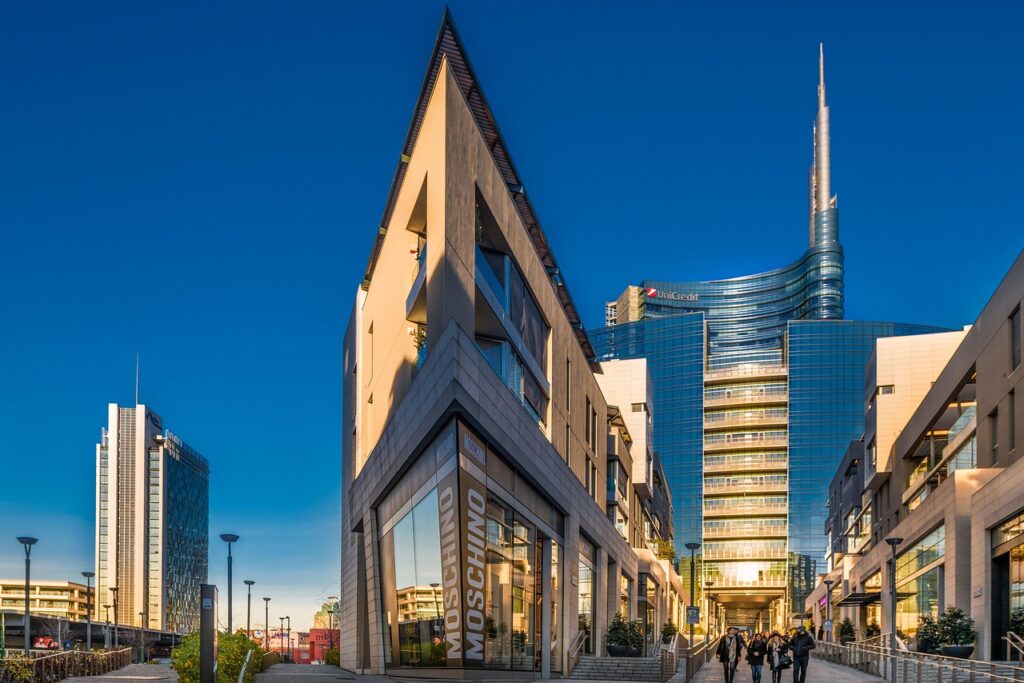
Fashion Museums and Cultural Stops
Armani/Silos
Armani Silos is a must-see for anyone interested in Italian fashion. This museum space focuses on Giorgio Armani’s design philosophy rather than seasonal trends. The building itself reflects Armani’s clean aesthetic. Inside, exhibitions highlight silhouettes, materials, and the evolution of style over decades. The experience is calm and focused, much like Armani’s work. Tickets can be purchased directly from the official site: armanisilos.com. Visiting Armani/Silos adds context to what you see on the streets. It explains why Milanese fashion values simplicity and longevity.
Fondazione Prada
Fondazione Prada goes beyond fashion into art, architecture, and ideas. While not a traditional fashion museum, it reveals the intellectual side of the Prada brand. The space combines old industrial buildings with modern architecture. Exhibitions change regularly and often challenge visitors to think differently. This stop is especially meaningful for travelers interested in how fashion intersects with culture. Tickets and visitor information are available on the official site: fondazioneprada.org. Walking to Fondazione Prada also takes you beyond the historic center, showing another side of Milan.
Milan Fashion Week and Street Style
During Milan Fashion Week, the city changes energy. Streets near fashion venues fill with photographers, editors, and visitors from around the world. Even without show invitations, walking Milan during this time is an experience. Street style becomes a form of expression. Cafes fill with fashion conversations. Temporary installations appear across the city. If you visit during this period, plan extra time for walking and observing. Fashion is not confined indoors. It spills into everyday life. Milan becomes a living runway, and walking is the best seat in the house.
What Defines Milanese Street Style
Milanese style is subtle and confident. You will notice carefully chosen pieces rather than bold statements. Tailoring is key. Shoes and bags are often the most refined elements of an outfit. Colors stay neutral, but textures add interest. Locals dress for comfort without sacrificing elegance. Observing street style while walking teaches more than any magazine. Milan shows how fashion works in real life. This understanding is what makes the city so influential.
Why Walking Is the Best Way to Experience Milan Fashion
Walking connects everything. Fashion districts are close enough to explore without transport. Streets reveal transitions from luxury to creativity to everyday life. Walking lets you notice details that would be missed otherwise, from how window displays reflect architecture to how locals dress for errands. Milan’s fashion identity is woven into its streets. To understand it fully, you need to move at street level. This approach makes fashion accessible, human, and deeply tied to place. Milan does not rush fashion, and neither should you.