Venice can feel pricey because a few basics cost more here than in many other Italian cities. Hotels are limited on the islands, boat transport is premium-priced, and the most famous sights use timed tickets that can sell out. The good news is that Venice is very “plannable.” If you lock in the big costs first, you can keep the rest steady and still have a great trip. Think of your budget in three buckets: where you sleep, how often you use the vaporetto (water bus), and how many paid attractions you want to visit.
Once those are set, the rest is mostly meals, snacks, and small extras like souvenirs. Venice is walkable, so you can spend less than people expect, but only if you avoid the classic traps: multiple single boat tickets in one day, sitting down in the most touristy cafés without checking prices, and booking an island hotel at the last minute. If you are visiting for a short stay, planning your route helps because a smart walking plan cuts down boat rides and prevents expensive “we’re late” decisions. If you want a ready-made plan you can budget around, use this two-day Venice itinerary as your base and then plug in your hotel style and your one “splurge” (like a gondola or a special dinner). In this guide you will get clear daily budget ranges, a realistic two-night budget you can copy, and the sneaky fees that catch travelers off guard. You will also see only official ticket links for transport and major sights.
Daily budget ranges you can trust
Most Venice budgets go wrong because people guess the daily total instead of building it from fixed costs. Start by choosing your travel style, then add your personal upgrades. A “budget” day usually means cheaper sleep (often in Mestre), lots of walking, casual meals like cicchetti, pizza, or sandwiches, and one paid sight. A “mid-range” day usually means staying in Venice proper, taking the vaporetto when it saves time, enjoying at least one sit-down meal, and visiting two or three ticketed places. A “splurge” day is when you pay for the views and convenience: canal-side hotels, private transport, higher-end dining, and iconic experiences.
Couples and friends often get better value because the room cost is shared, while solo travelers feel the nightly rate more. Families can save by choosing a few key museums and balancing them with free Venice: canals, bridges, viewpoints, and quieter neighborhoods. Use the table below to pick your baseline, then keep a small buffer for taxes, reservation fees, and impulse snacks.
These numbers are per person and do not include flights. You can lower the total by choosing fewer paid sights, walking more, and keeping your “nice meal” to once per day. If you only remember one rule, make it this: decide your hotel and your transport plan before you decide how many attractions to buy, because those two choices set your daily floor. Then use the two-night budget table later in this article to sanity-check your total too, easily.
| Travel style | Typical daily spend (per person) | What it usually includes |
|---|---|---|
| Budget | €90–€160 | Cheaper sleep (often Mestre), mostly walking, casual meals, 1 paid sight |
| Mid-range | €180–€320 | Comfortable hotel, some vaporetto rides or a pass, sit-down meals, 2–3 paid sights |
| Splurge | €400+ | Canal-view hotel, taxis/private boats, premium dining, tours, gondola |
Accommodation: the biggest budget lever
Staying on the islands vs staying in Mestre
Where you sleep changes your Venice budget more than anything else. Staying on the islands is the most convenient option, and it also makes Venice feel special in the early morning and late evening when day-trippers leave. But island accommodation is limited, so prices rise fast on weekends and busy periods, and last-minute bookings can be painful. If you want to spend less while still enjoying Venice all day, consider sleeping in Mestre on the mainland. Mestre has more modern hotels, more competition, and often better deals.
The trade-off is commuting, so it helps to plan mornings and evenings around your train or bus, and to avoid packing your schedule too late at night. Another way to keep costs down on the islands is to pick a location that reduces boat rides. Staying closer to Santa Lucia (the train station) or Piazzale Roma can lower transport spending, especially on arrival and departure days with luggage. Staying deeper toward St. Mark’s can be beautiful, but it may tempt you into more vaporetto rides when you are tired. When you compare properties, look beyond the nightly rate.
Many places collect a tourist tax at check-in, and in Venice it can be roughly €1 to €5 per person per night depending on the hotel category and area. Apartments may add cleaning fees too. Rooms with canal views carry a premium. Pick your lodging category first, set a max nightly price, and build the rest of your budget around it.
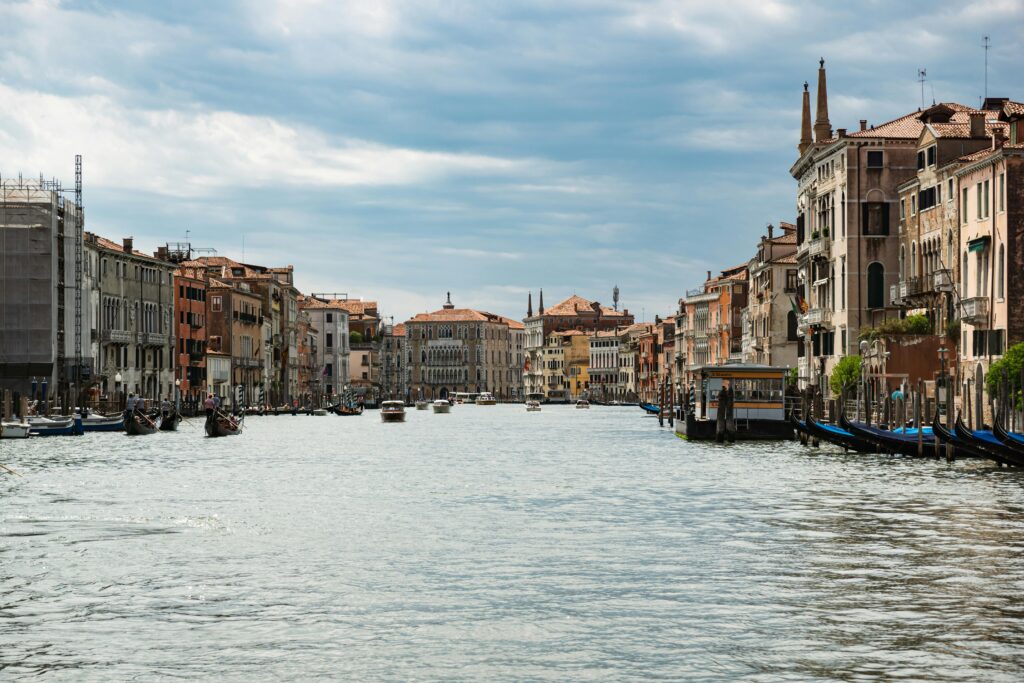
Transportation: Venice is walkable, but boats add up
Vaporetto tickets and passes
Walking is your secret weapon in Venice. It is free, it is often faster than waiting for a boat, and it is how you find the city’s best corners. Venice gets expensive when you treat the vaporetto like a metro and buy several single tickets per day.
The vaporetto is still worth it, but use it with intention: cross the Grand Canal when you are far from a bridge, reach islands like Murano and Burano, or save your feet at the end of a long day. If you know you will ride multiple times, a pass can be better value than several single tickets. The safest way to buy transport is through the official Venezia Unica system. Check ticket types and passes here: Venezia Unica vaporetto tickets. A practical way to decide is to count rides. If you expect one ride total, buy a single ticket.
If you expect three or more rides in the same day, a day pass often starts to make sense, especially if you are island hopping. For airport transfers, most travelers choose between the airport bus (usually the best value) and a boat service (more scenic, more expensive). The official airport boat operator is Alilaguna, and you can check routes and fares here: Alilaguna tickets. Private water taxis are convenient, especially with luggage or late arrivals, but they are a luxury line item. If you choose one, treat it as a planned splurge so it does not squeeze the rest of your trip budget too.
| Official transport ticket | Typical price | When it makes sense |
|---|---|---|
| Vaporetto time ticket (about 75 minutes) | €9.50 | One-off crossings or a single ride day |
| Vaporetto 1-day pass | €25 | Frequent rides in one day |
| Vaporetto 2-day pass | €35 | Two packed days, island hopping |
| Vaporetto 3-day pass | €45 | Long weekend with many rides |
| Vaporetto 7-day pass | €65 | Slower trip with lots of boating |
| Airport bus to Venice | €10 one-way | Best value arrival for most travelers |
| Alilaguna airport boat | €18 one-way, €32 round trip | Scenic arrival near your area |
Food and drink: spend smart without feeling restricted
How to eat well without paying “tourist prices”
Eating in Venice can be affordable and fun, but only if you avoid the easiest traps. The biggest price jumps usually happen in the most crowded zones near famous landmarks, especially if you sit down in a scenic café. The same coffee, spritz, or pasta can cost a lot less a few streets away. The simplest strategy is to plan one “nice” sit-down meal per day, then keep the rest casual. Venice makes this easy with bacari (small wine bars) and cicchetti (small bites), plus bakeries and quick pasta spots that are perfect between bridges.
A budget-friendly day might look like: a coffee and pastry standing at the bar, a cicchetti lunch with a drink, then a simple dinner of pizza or pasta. Watch for small add-ons that quietly raise the bill, like sitting service, bread charges, or pricey drinks in tourist squares. If you want to sit in a famous spot for the view, do it once and treat it like a paid experience, similar to a museum ticket. Another easy save is water.
Venice has public fountains, and carrying a refillable bottle can reduce the urge to buy multiple small drinks. If you are traveling as a couple or family, sharing helps too: split a larger seafood plate and add a side, or share desserts. You will try more flavors without doubling the cost. Finally, eat a little earlier or later than peak times. When you are not desperate for a table, you can pick places based on value and vibe, and that keeps your daily spending calm.
Big ticket experiences: gondola, museums, and St. Mark’s
Where to buy official tickets and what to expect
Venice has a few iconic experiences that are not cheap, but they are easy to budget because prices and rules are published. Gondola rides are the classic example. The city publishes standard fares, and the typical base rate is €90 for about 30 minutes during the day and €110 for about 35 minutes at night, with a maximum of five passengers per gondola. Check the official rules here: Comune di Venezia gondola service. The best budgeting move is to treat the gondola like a shared experience, not a per-person ticket. For museums, the main paid sight for many travelers is the Doge’s Palace area.
The civic museum network sells official tickets and passes on its own site, which is the safest place to compare options and buy direct: MUVE official tickets. On MUVE you will often see a St. Mark’s Square museums ticket (Doge’s Palace plus nearby museums) listed at €35 standard, with an online price of €30 if bought well in advance, and a broader Museum Pass listed at €50. St. Mark’s Basilica is another place where planning saves both money and stress. The Basilica uses timed entry options and add-on areas, and the official ticket portal is here: St. Mark’s Basilica tickets. Before you buy, check what is included in each option and whether you want add-ons, because those choices change the total. Also watch the checkout total for small service or reservation fees, which can be included. If you are unsure, start with one big paid highlight per day.
| Experience | Typical cost | Official ticket or rules link |
|---|---|---|
| Gondola ride (day base rate) | €90 for about 30 minutes | Comune gondola fares |
| Gondola ride (night base rate) | €110 for about 35 minutes | Comune gondola fares |
| St. Mark’s Square museums ticket | €35 standard, €30 online in advance | MUVE tickets |
| MUVE Museum Pass | €50 | MUVE tickets |
| St. Mark’s Basilica entry options | Varies by option | Basilica ticket portal |
Hidden fees and common budget killers
Tourist tax, Access Fee, and the small leaks
Even a well-planned Venice trip can get more expensive if you forget the extras that show up on the ground. The first is the tourist tax collected by many accommodations at check-in. It depends on the type of property and where it is located, so two hotels with similar nightly prices may have different taxes. It matters for longer stays and larger groups, so keep a cushion. Another cost that can affect day visitors is the Venice Access Fee, which applies on selected days and times for entry into the historic city area unless you are exempt.
The key detail for budgeting is that it is cheaper when you register early: typically €5 if you book ahead and €10 if you do it late. Always check the official rules and payment portal before your visit: Venice Access Fee portal. Beyond official fees, most budget problems are self-made. The most common one is transport drift: you plan to walk, then buy single boat tickets again and again because you are tired, late, or carrying bags. Buying tickets late can also cost you, because you may waste time in lines or end up paying more through resellers. If you are visiting on an Access Fee day, keep your confirmation handy on your phone so you are not scrambling. Keep it simple: plan breaks, carry water, choose one splurge, and walk as much as you can. Venice feels expensive when it surprises you. When you plan, it becomes a budget you can control.
- Transport drift: too many single vaporetto tickets
- Scenic café markup: pay once for the view, not every day
- Late ticket buying: lines, limited times, and rushed choices
- Fees at check-in: tourist tax and possible apartment add-ons
- Access Fee: register early when it applies
Two-night budgets you can copy and adjust
How to customize this for your trip
If you want a concrete plan, here are realistic two-night budgets per person for a short stay with two full days in Venice. In the budget version, you usually sleep in Mestre, walk most places, and pick one major paid attraction. In the mid-range version, you stay on the islands, you use the vaporetto when it saves time, and you add two or three ticketed sights plus better meals. In the splurge version, you pay for the views and convenience: a standout hotel, more transport comfort, and a signature experience like a gondola. The key is to decide what you care about most, then protect that line item by simplifying other choices. For example, if you want a gondola, keep lunch casual and do more free exploring that day.
If you want museum-heavy days, buy official tickets early so your time is used well, and choose a hotel location that reduces stress at the start and end of the day. If you want the best value overall, keep accommodation reasonable, walk a lot, and use boats mainly for island trips. If you are traveling as a couple, remember your per-person lodging cost often drops a lot because you are splitting the room. When you connect your budget to your route, your spending becomes predictable. Add a small buffer for snacks, small souvenirs, and fees, and you will rarely feel squeezed, even with a few treats. Use the totals as a range, not a promise, and you will plan better.
| 2-night trip (per person) | Budget | Mid-range | Splurge |
|---|---|---|---|
| Accommodation (2 nights) | €100–€260 | €220–€500 | €700+ |
| Food (2 days + snacks) | €80–€140 | €140–€220 | €250+ |
| Transport (in-city + airport) | €30–€80 | €60–€140 | €200+ |
| Sights and experiences | €30–€80 | €70–€160 | €200+ |
| Estimated total | €240–€560 | €490–€1,020 | €1,350+ |