Florence’s major museums are far more usable with reduced mobility than their Renaissance façades suggest, but the correct entrance is often not the entrance used by the main queue. For accessible Florence museums, the most useful details are the door number, where the lift actually starts, and which ticket rule applies. At the Uffizi, use Door 1 via Via della Ninna; at the Accademia, go to Via Ricasoli 60; at Palazzo Vecchio, use Via dei Gondi. Pitti Palace is step-free inside but has a very steep approach, while Boboli Gardens remain difficult because of slopes and gravel.
Companion tickets are not governed by one Florence-wide rule
The first trap is assuming that every museum uses the same disability concession. Florence mixes Italian state museums, municipal museums and independently operated monuments, and each system handles tickets slightly differently.
At state museums, Ministry of Culture rules provide free admission for visitors with disabilities and, under the applicable conditions, a family member or other qualifying companion. You still need a free ticket, and staff can ask for documentation. The Ministry’s official guidance on free admission also warns that individual sites may impose reservations when capacity or safety requires them.
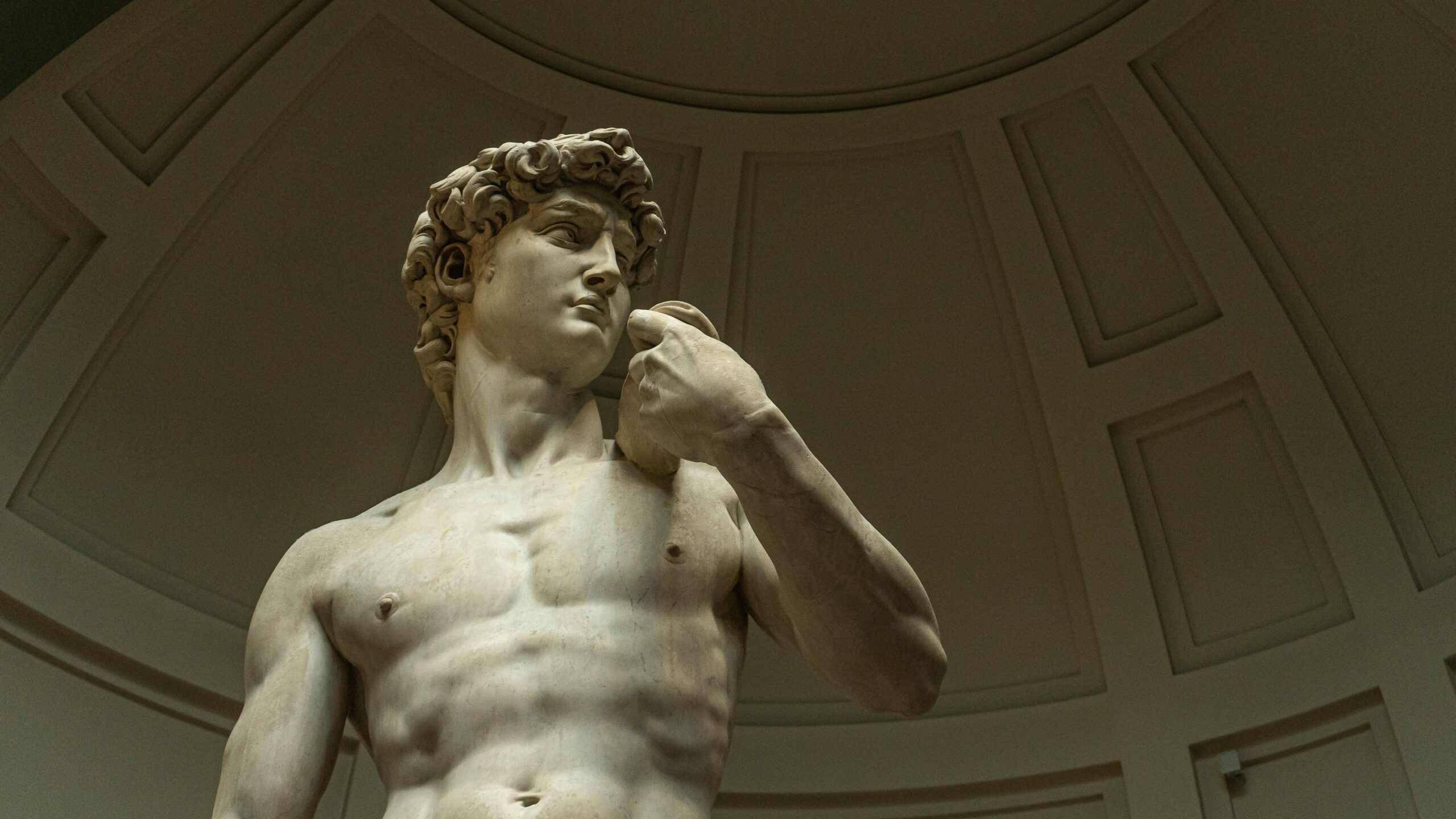
The two busiest state museums make the procedure relatively straightforward. The Uffizi says eligible disabled visitors and their accompanying person receive free priority admission and do not need to reserve. The Galleria dell’Accademia also says visitors with a certified disability receive free priority access without a reservation, together with a family member or qualifying care companion.
Do not assume that any travel companion automatically receives free admission at every state site. The wording published by individual museums is not identical, so bring the disability certificate or card plus ID and contact the museum beforehand if your companion’s eligibility is unclear.
Florence’s municipal museums, including Palazzo Vecchio and Museo Novecento, use a different ticket system. Their official ticket office lists disabled visitors and their companions among the free categories, and free visitors should still select the appropriate admission slot when the museum is operating timed entry.
The Opera di Santa Maria del Fiore, which runs the Duomo complex, has its own policy again. A visitor with a disability can request free admission with supporting documentation, while free admission for a companion can depend on the Opera’s assessment of the need for assistance.

Uffizi: ignore Door 2 and find the ramp to Door 1
The normal Uffizi entrance is a poor place to start if you need step-free access. Door 2 leads toward the Grand Ducal Staircase, with 126 steps before reaching the second floor where the main gallery visit begins.
The accessible route starts under the colonnade at Door 1. Reach the colonnade using the ramp on Via della Ninna, the short street between Palazzo Vecchio and the Uffizi. Continue through Door 1 and follow the corridor to the lift that takes visitors directly to the second-floor starting point. The museum’s official accessibility page is worth checking shortly before your visit because lift arrangements and temporary restrictions can change.
If you need to collect a free ticket first, the accessible ticket office is under the western, or Ponente, loggia on the right-hand side, close to Lungarno Anna Maria Luisa de’ Medici. Staff around the ticket office and entrance wear white or green uniforms and can direct you to the priority route.
Large powered wheelchairs, mobility scooters and other substantial mobility devices require extra planning. The museum can route some visitors through the Vasari Auditorium concierge area rather than the ordinary accessible entrance, and electric scooters are assessed individually for safety. If your chair is particularly long, heavy or difficult to transfer from, contact the Uffizi accessibility team before the visit rather than discovering a restriction at security.
Manual wheelchairs and walkers can be borrowed free of charge at Door 1, subject to availability. An identity document is required and is held until the equipment is returned. Accessible toilets are available inside, although the museum advises asking staff for assistance with the accessible facilities on the second floor.
Accademia: go directly to Via Ricasoli 60
The Accademia is one of Florence’s simpler major museums for a step-free visit. The accessible ticket office and entrance are at Via Ricasoli 60, rather than leaving you to negotiate a separate staircase after joining the main queue.
All exhibition galleries currently open to visitors are described by the museum as wheelchair accessible. A lift reaches the upper floor, while stairlifts are used between some first-floor rooms. The museum’s 2026 visitor information notes an important detail for powered-chair users: mobility scooters and electric wheelchairs can enter the museum, but visitors may need to use a standard wheelchair for the first-floor stairlifts. If transferring is impossible for you, confirm the route before travelling.
Wheelchairs can be requested free of charge, subject to availability. The accessible toilet is near the lift on the lower level, and current visitor information advises asking bookshop staff for access. Check the Accademia’s official visit page for the latest route information.
The Accademia has no cloakroom, which creates a completely separate accessibility problem for anyone arriving from a train or hotel checkout. Bags larger than approximately 40 x 30 x 18 cm, luggage, large backpacks and other bulky objects are not admitted. Do not plan to arrive with a suitcase and solve the problem at the museum door.
Palazzo Vecchio: the accessible door is on Via dei Gondi
For Palazzo Vecchio, do not aim for the monumental entrance facing Piazza della Signoria if you need the mobility route. The accessible entrance is through the doorway on Via dei Gondi, leading into the Cortile della Dogana. Florence’s museum guidance also states that taxis may take visitors who have difficulty walking to this entrance despite the surrounding traffic restrictions.
A lift serves the museum route, and the main monumental rooms are accessible. Several parts of the complex are not: the Loeser Foundation mezzanine, the patrol walkway or camminamento di ronda, the Arnolfo Tower and the archaeological route through the remains of the Roman theatre. The tower has no lift, so buying a combined museum-and-tower ticket does not make the tower accessible.
There is an accessible toilet by the cloakroom, where bulky bags, backpacks and umbrellas are deposited. Palazzo Vecchio also has tactile stations, multisensory interpretation and QR-based audio and LIS, Italian Sign Language, material. For the current route and temporary restrictions, use the official Palazzo Vecchio visitor information.
Municipal museum tickets work differently from the Uffizi or Accademia. Disabled visitors and companions qualify for free museum admission under the civic ticket rules, but it is sensible to reserve the required free slots in the official Florence civic museum ticket system rather than arriving with only a disability card and assuming there will be immediate capacity.
Pitti Palace: the museum has lifts, but the square is the hard part
Pitti Palace is a good example of why “wheelchair accessible” does not tell the whole story. The palace itself has lifts to the museum floors and a step-free entrance into the Ammannati Courtyard, but the approach across Piazza Pitti can reach a gradient of about 20%. The Uffizi Galleries specifically recommend assistance for wheelchair users or people with reduced mobility on this section.
The square is pedestrianised, so a car or taxi cannot simply drive to the palace door. Visitors with an authorised disability parking permit may be able to use nearby reserved parking, but that still leaves the final approach across the square.
There was also an important entrance change in July 2026. Visitors now enter through the doorway on the right-hand side of the façade, near the ticket office, and leave through the central doorway. Once inside the courtyard, the main lift is on the right. The official Pitti Palace page should be checked before visiting because individual rooms and stairlifts can temporarily close.
Wheelchairs and walkers can be borrowed at the Pitti ticket office without charge, subject to availability, with an identity document left during the loan. Pitti belongs to the Uffizi Galleries, so its disability ticket and priority arrangements follow the Galleries’ rules rather than the municipal museum system.
Boboli Gardens are accessible in parts, not an easy step-free park
Boboli is officially an open-air museum, but it should not be treated like a level city park. Much of the surface is clay or gravel, and the garden contains repeated climbs and descents. The Uffizi Galleries state that the garden is accessible only with an accompanying person.
The two entrances specifically identified as accessible are from the Pitti Palace side and from Porta Romana. Routes within the garden vary considerably, so consult the official accessibility map rather than choosing attractions first and trying to connect them afterward. The Boboli Gardens page also publishes temporary closures caused by restoration work or weather.
Weather matters more here than at the indoor museums. Florence authorities and the Uffizi Galleries can restrict or close Boboli during severe weather because trees, slopes and loose surfaces create additional hazards. If Boboli is an important part of your day, check the notice page that morning rather than relying on the opening hours saved when you booked.
Bargello: lifts and ramps help, but a few historic rooms remain inaccessible
The Museo Nazionale del Bargello has ramps and a lift serving the main museum route, but it is not completely accessible. Current museum information excludes the Chapel, Sacristy and Sala dei Bronzetti from the mobility-accessible route, and some historic thresholds have small raised edges.
Staff can provide ramps where required, and access to the Michelangelo Hall uses the bookshop route. The museum directs visitors back out through the same entrance, rather than expecting them to follow every part of the standard circulation. An accessible toilet is available on the second floor.
Powered scooters and electric wheelchairs can be evaluated case by case because of the dimensions of the historic rooms. Large suitcases, backpacks and oversized bags are not admitted, so the Bargello is another poor choice immediately before hotel check-in or after checkout. Its official accessibility and services page also contains information about tactile and assisted visits.
Museo dell’Opera del Duomo: use the museum lift, not the famous climbs
The Museo dell’Opera del Duomo is much easier for reduced-mobility visitors than Florence’s famous cathedral climbs. The museum has ramps and lifts connecting its exhibition floors, wheelchairs are available at the entrance, and the official visitor information describes access to all three floors and the panoramic terrace.
Do not confuse that with accessibility to Brunelleschi’s Dome or Giotto’s Bell Tower. The Dome has 463 steps and no lift, while the Bell Tower also has hundreds of stairs without elevator access. The underground Santa Reparata archaeological area is reached by stairs and is not a substitute step-free route.
Free admission should be arranged through the Opera’s accessibility service or requested at the ticket office at Piazza San Giovanni 7, subject to availability and presentation of documentation. The Opera’s current terms say companion gratuity can depend on an assessment of the visitor’s need for support, so this is one place where it pays to confirm the companion ticket before buying anything else. The official Duomo accessibility page publishes the current procedures.
Which major museum is simplest if continuous step-free access is essential?
On the published routes, the Accademia and Museo dell’Opera del Duomo involve the fewest outdoor complications. The Uffizi is accessible but requires using the correct entrance and following a much longer interior route. Palazzo Vecchio works well for its principal rooms, provided you accept that the tower, patrol walkway and excavations are excluded.
Pitti Palace presents a different problem: the indoor museum has lifts, but Piazza Pitti can be hard work before the visit begins. Boboli is the least predictable choice for someone who needs consistently level, firm surfaces because the historic garden is steep and largely gravelled.
Plan the street between museums as carefully as the museum itself
Central Florence is compact, but old paving, stone slabs, curb transitions and streets without generous sidewalks can turn a five-minute map distance into a slower transfer. This matters particularly between Piazza della Signoria, the Duomo and Via Ricasoli, where pedestrian numbers are high for much of the day. Our guide to getting around Florence on foot explains the street conditions in more detail.
Avoid stacking timed entries too tightly. Security checks still apply to priority visitors, and finding a different entrance or waiting for staff to operate a platform lift takes longer than walking straight through the standard queue. If you are combining several museums with meals and transport, you can build your Florence route around the accessible entrances rather than the attraction pins shown by a generic map.
Useful Italian words when the normal route fails
- Ingresso accessibile: accessible entrance.
- Ingresso prioritario: priority entrance.
- Ascensore: lift or elevator.
- Ascensore fuori servizio: lift out of service.
- Pedana: platform or ramp, sometimes a lifting platform.
- Montascale: stairlift.
- Percorso accessibile: accessible route.
- Percorso alternativo: alternative route.
- Sedia a rotelle: wheelchair.
- Servizi igienici accessibili: accessible toilet.
- Accompagnatore: companion or carer.
- Biglietto gratuito: free ticket.
What to do if the lift is out of service
A broken public lift does not automatically mean the entire museum is inaccessible. Ask staff whether there is a percorso accessibile alternativo, a second visitor lift or a staff-operated route before abandoning the visit. Historic museums sometimes use platforms and secondary lifts that are not obvious from the public floor plan.
If your visit depends on a stairlift, the distinction between a manual wheelchair, powered wheelchair and mobility scooter matters. The Accademia, for example, specifically warns that its first-floor stairlifts may require use of a standard wheelchair. Someone who cannot transfer should verify that detail in advance rather than assuming a loan chair solves the problem.
For the Uffizi, Pitti and Boboli, the Galleries maintain a dedicated accessibility information service, and their official accessibility page lists current contact details. For the Duomo complex, contact the Opera’s accessibility office. If a particular lift is essential to you, checking on the morning of the visit is more useful than relying on an accessibility review written months earlier.
Do not bring luggage unless you already know where it will go
Museum luggage policies vary almost as much as companion-ticket rules. The Uffizi and Pitti have cloakrooms for bulky bags and umbrellas, but the Accademia has no luggage storage at all and imposes a published size limit on personal bags. The Bargello also prohibits large luggage and oversized backpacks.
That makes a hotel luggage room, station storage facility or dedicated luggage service part of the museum plan if you are visiting on arrival or departure day. A free priority ticket is not much help if security refuses the suitcase you brought with you.
Accessibility also includes sensory and cognitive support
Florence’s larger museums increasingly provide more than step-free routes. The Accademia has tactile maps, pre-visit material and a social history designed to make the environment more predictable. The Uffizi Galleries publish tactile resources and sign-language material, while Palazzo Vecchio has multisensory stations and LIS content along its main route.
The Museo dell’Opera del Duomo offers the TouchAble tactile itinerary and multisensory material, including sign-language resources. These services can change or require advance arrangements, so use the museum’s accessibility office rather than assuming every tactile object or guided activity will be available without notice.
The most useful preparation is simple: save the accessible entrance, the official accessibility page and your eligibility documents on your phone before leaving the hotel. At Florence’s historic museums, knowing which door to approach can save far more effort than knowing how close the museum looks on the map.