If the power went out in an Italian apartment, first switch off the oven, induction hob, kettle, hair dryer, air-conditioning and other high-consumption appliances. Then check the apartment’s electrical panel. If its breakers are still on, the separate electricity meter may have disconnected the supply because too much power was being used at once. Italian homes often have relatively modest contractual power limits, so two or three hungry appliances running together can be enough to make the lights disappear.
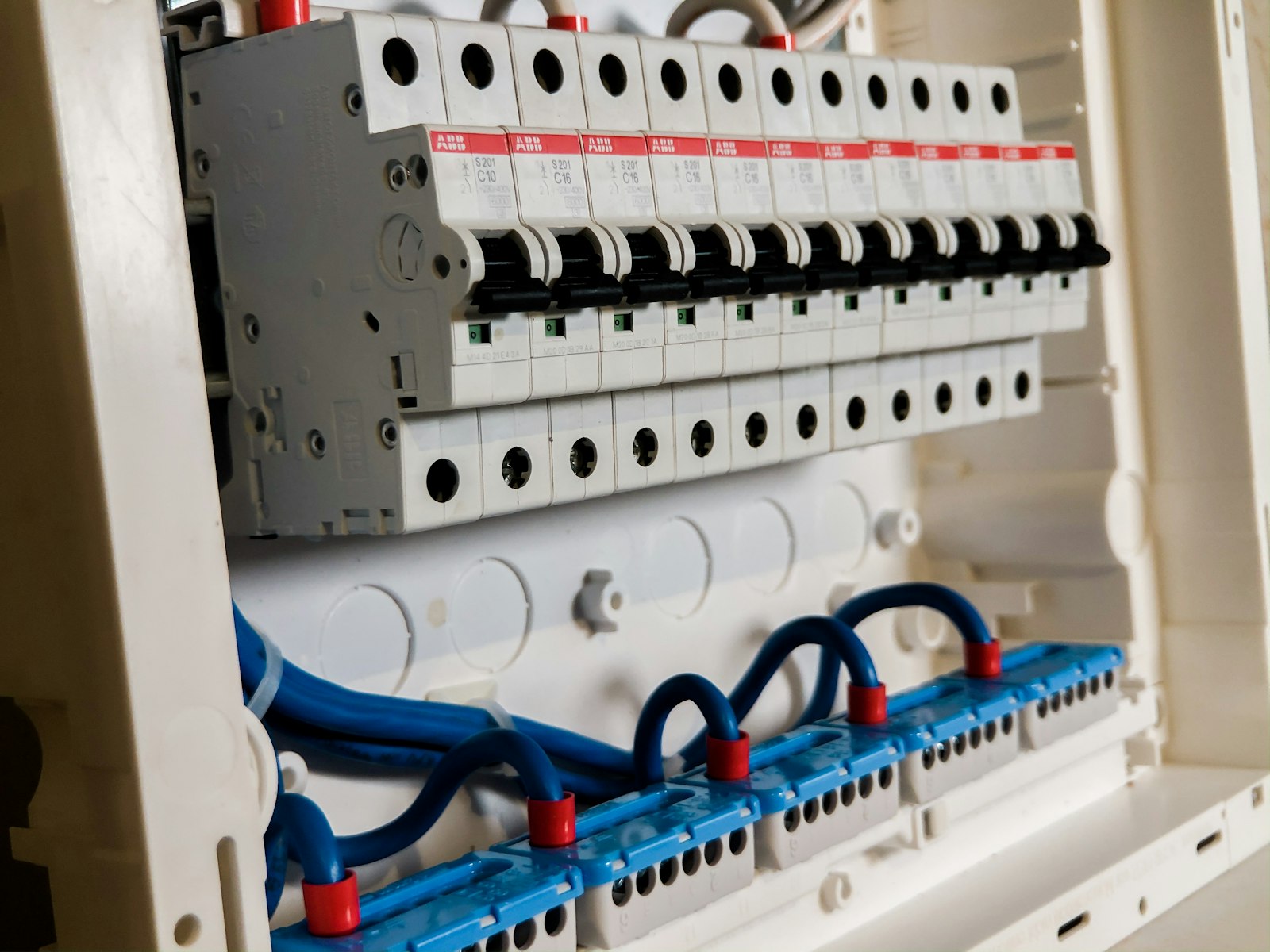
The important part is figuring out what actually tripped. The breaker panel inside the apartment and the electricity meter serving the apartment are different things, and resetting the wrong one will not solve the problem.
First work out how much of the apartment lost power
Before hunting for a meter in a basement cupboard, check what is still working.
- Only one room or group of sockets is dead: a circuit breaker in the apartment panel probably tripped.
- All sockets and lights are dead: check the apartment’s main breaker and then the electricity meter.
- The apartment is dark but the stairwell has power: the problem is probably specific to your accommodation, although common-area lighting can be on a separate supply.
- The stairwell, neighboring apartments or street buildings are also dark: suspect a wider network outage.
Do not use an elevator while you are trying to establish whether the building has a power problem. If the common supply fails as well, that is a particularly bad moment to discover how intimate you can become with an Italian lift.
Find the quadro elettrico inside the apartment
The apartment electrical panel is the quadro elettrico. It is usually a small plastic or metal box mounted on a wall near the entrance, hallway or kitchen. Some are recessed behind a little door.
Common labels include:
- generale: main switch;
- differenziale or salvavita: residual-current safety device;
- luci: lighting;
- prese: sockets;
- cucina: kitchen;
- forno: oven;
- condizionatore or clima: air-conditioning;
- scaldabagno or boiler: water heater.
Look for a lever that is down or sitting differently from the others. A tripped breaker does not always stop neatly in the fully OFF position.
How to reset a tripped apartment breaker
- Switch off or unplug whatever you were using immediately before the outage.
- Move the tripped breaker fully to the OFF position, usually marked 0 or O.
- Move it back to ON, usually marked I.
- Restore appliances one at a time rather than switching everything back on together.
If the breaker trips again immediately, leave it off. Do not keep forcing it back on. An appliance, socket or part of the electrical installation may have a fault, and that is a job for the host or a qualified electrician.
You may also see a small button marked T or TEST on the salvavita. That button is for testing the safety device, not for restoring electricity after an outage. Pressing it normally causes the device to trip.
If all the breakers are on, check the electricity meter
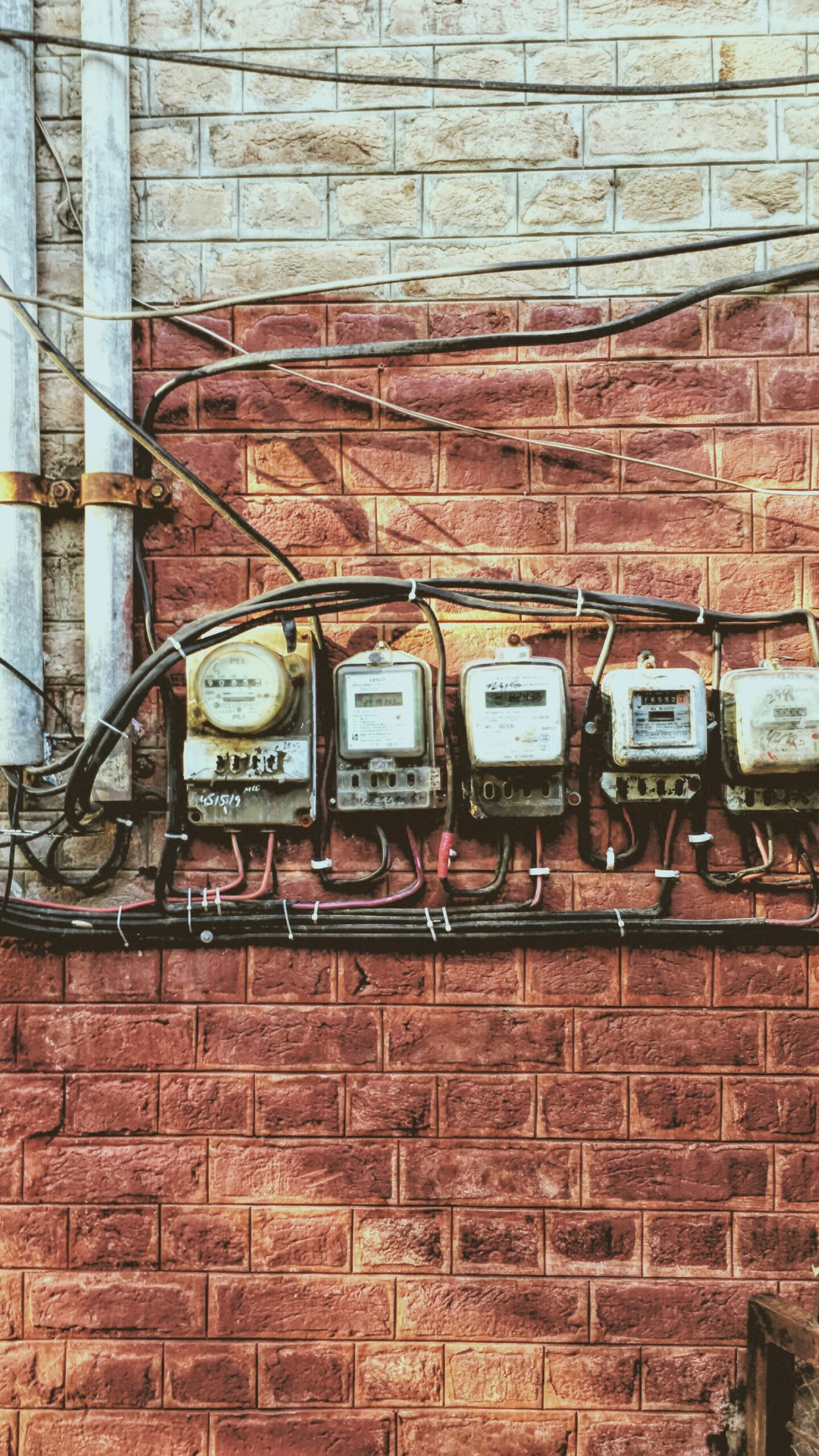
Many visitors stop at the breaker panel and conclude that something is seriously wrong because every lever appears to be on. There is another switch further upstream: the one associated with the electricity meter, or contatore.
Depending on the building, the meter may be:
- inside the apartment;
- in a cabinet on the stair landing;
- near the building entrance;
- in a ground-floor or basement meter room;
- outside the building in a utility cabinet.
Older apartment buildings can have an entire bank of almost identical meters. Do not start flipping switches until you know which meter belongs to your apartment. Apartment numbers, owner names or other labels may be present, but the safest option in an unfamiliar rental is to ask the host where the correct contatore is.
Why Italy’s kilowatt limit can turn everything off
The figure that matters is the apartment’s potenza impegnata, its contracted electrical power. This is measured in kilowatts (kW), which describes how much power can be drawn at the same time. It is not the same as kilowatt-hours (kWh), which measure energy consumption over time.
According to Italy’s energy regulator ARERA, 3 kW remains the contracted level for many Italian homes. The available power with a limiter is normally at least 10 percent higher, so a 3 kW contract provides 3.3 kW before that basic margin is exceeded. Apartments can instead have 3.5, 4.5, 6 kW or another contractual level.
This explains a classic holiday-rental mystery: the lights work perfectly until someone starts the kettle while the oven, air-conditioning and hair dryer are already running. The problem is not necessarily defective wiring. The apartment may simply be asking for more power than its contract allows at that moment.
Other loads can switch themselves on without you noticing. An electric water heater, heat pump, dishwasher or refrigerator compressor may start while you are cooking, pushing an already busy apartment over its limit.
What the smart meter may say
E-Distribuzione’s electronic meters can display warnings including RIDURRE CARICO SUPERO POTENZA, meaning roughly “reduce load, power limit exceeded,” followed by RISCHIO DISTACCO SUPERO POTENZA if the excessive demand continues.
After the supply is disconnected for excessive demand, an E-Distribuzione meter may show DISTACCO IMPOSTO SUPERO POTENZA.
E-Distribuzione’s published example for a 3 kW Open Meter says consumption up to 3.3 kW can continue without a time limit. Loads between 3.3 and 4 kW can be tolerated temporarily, while demand above 4 kW can trigger disconnection much more quickly. These details describe that distributor’s meter behavior, not a promise that every meter from every Italian network operator will behave identically.
How to restore power after a kilowatt-limit trip
- Turn off the high-power appliances first. Do this before resetting the meter.
- Check the meter display for a message referring to supero potenza.
- Once you are certain you have the correct apartment meter, use its supply switch to restore the connection.
- Return upstairs and switch appliances back on selectively.
On E-Distribuzione’s Open Meter, the supply-control switch is at the lower part of the meter. The distributor specifically distinguishes this switch from the apartment’s salvavita, which is a separate electrical safety device.
If you are staying in a rental and cannot positively identify the correct meter, contact the host instead of experimenting with a row of twelve identical switches.
Which appliances should you avoid running together?
You usually do not need to spend the rest of your stay calculating watts. Just stagger the appliances that produce heat, cooling or mechanical work.
Be particularly cautious about combining an electric oven or induction hob with a kettle, hair dryer, washing machine, dishwasher, portable heater, water heater or air-conditioning system. If switching one of these on repeatedly causes a total outage, run it after another large appliance has finished.
A phone or laptop charger is rarely the main culprit. But equipment brought from abroad still needs to be suitable for Italy’s electrical supply. If you are unsure about sockets, voltage or plug compatibility, see our guide to electrical adapters for Italy.
If the breaker trips every time you use one appliance
That points to a different problem from simply exceeding the contractual kilowatt limit.
If plugging in the kettle trips the salvavita every time, or one particular socket causes an immediate trip, leave that appliance or circuit unused and message the host. The same applies if the electricity stays on until the washing machine, water heater or air-conditioner starts.
A useful message is: “Salta il salvavita quando accendo il forno”, meaning “the safety breaker trips when I turn on the oven.” You can also say “La corrente salta subito”, “the power trips immediately.”
If the problem affects your evening plans as well as the apartment, you can use the Italy on Foot trip planner to reorganize meals, transport or sightseeing while the host sorts out the electrical problem.
When the meter is on but the apartment is still dark
If the meter appears powered, there is no overload message, and its switch is on, go back to the apartment panel. A main breaker, differential switch or individual circuit may still be open.
If everything in both places appears on and there is still no electricity, stop resetting switches. Contact the host or property manager. There may be an electrical fault between the meter and the apartment panel, or another isolation switch that guests are not expected to operate.
How to recognize a wider blackout
Look outside rather than relying only on the apartment hallway. Common-area circuits may have their own supply, emergency lighting or backup batteries.
Signs of a network interruption include several neighboring apartments losing power simultaneously, dark shops or street buildings, a meter whose display is completely blank, or information from the local electricity distributor showing an outage.
The network operator is not necessarily the company named on the electricity bill as the seller. Different local distributors operate in different parts of Italy. E-Distribuzione covers a large part of the country, while cities including Rome and Milan have other local network operators.
If the meter belongs to E-Distribuzione, its official interruption service can be used to check network problems. Its 24-hour fault and danger number is 803 500. Do not assume that number is the correct one for every apartment in Italy. The distributor’s name is normally shown on the meter or electricity paperwork, and a rental host should be able to identify it.
What to do if the power fails late at night
Use your phone flashlight rather than candles while inspecting panels and meters. Keep the refrigerator and freezer closed, and avoid repeatedly trying appliances while you are diagnosing the problem.
Remember that a power failure can also stop equipment that does not immediately look electrical. A gas boiler often needs electricity for its controls and ignition, electric roller shutters may stop moving, Wi-Fi will disappear, and an apartment’s entry intercom may stop working.
If the host is not responding and the outage appears limited to your apartment, leave any breaker that repeatedly trips in the OFF position. Photograph the breaker panel and meter display so the host can see exactly what happened. A clear picture of DISTACCO IMPOSTO SUPERO POTENZA is considerably more useful than a message saying only “electricity broken.”
Do not reset anything if there are signs of an electrical fault
Do not touch the panel or meter if there is water around electrical equipment, exposed wiring, sparking, smoke, a strong burning smell, melted plastic or unusual heat. Do not open sealed sections of a utility meter or dismantle an electrical panel.
If there is smoke or an electrical fire, move away from the danger and contact emergency services. Otherwise, leave the affected circuit off and contact the host, building manager or electrician.
For an ordinary overload, the recovery sequence is much simpler: reduce the load, check the apartment breakers, check the correct meter, reset once, then bring appliances back one at a time. If either the breaker or meter refuses to stay on after the heavy loads are switched off, that is the point to stop troubleshooting and get the property owner involved.