A disco orario is used in Italian parking spaces where parking is free but limited to a set amount of time. Set the parking disc in Italy to the time you actually arrived, place it where the time can be clearly read through the windscreen, and leave before the maximum period shown on the sign expires. Do not set it to your planned departure time, and do not turn it forward later without moving the car.
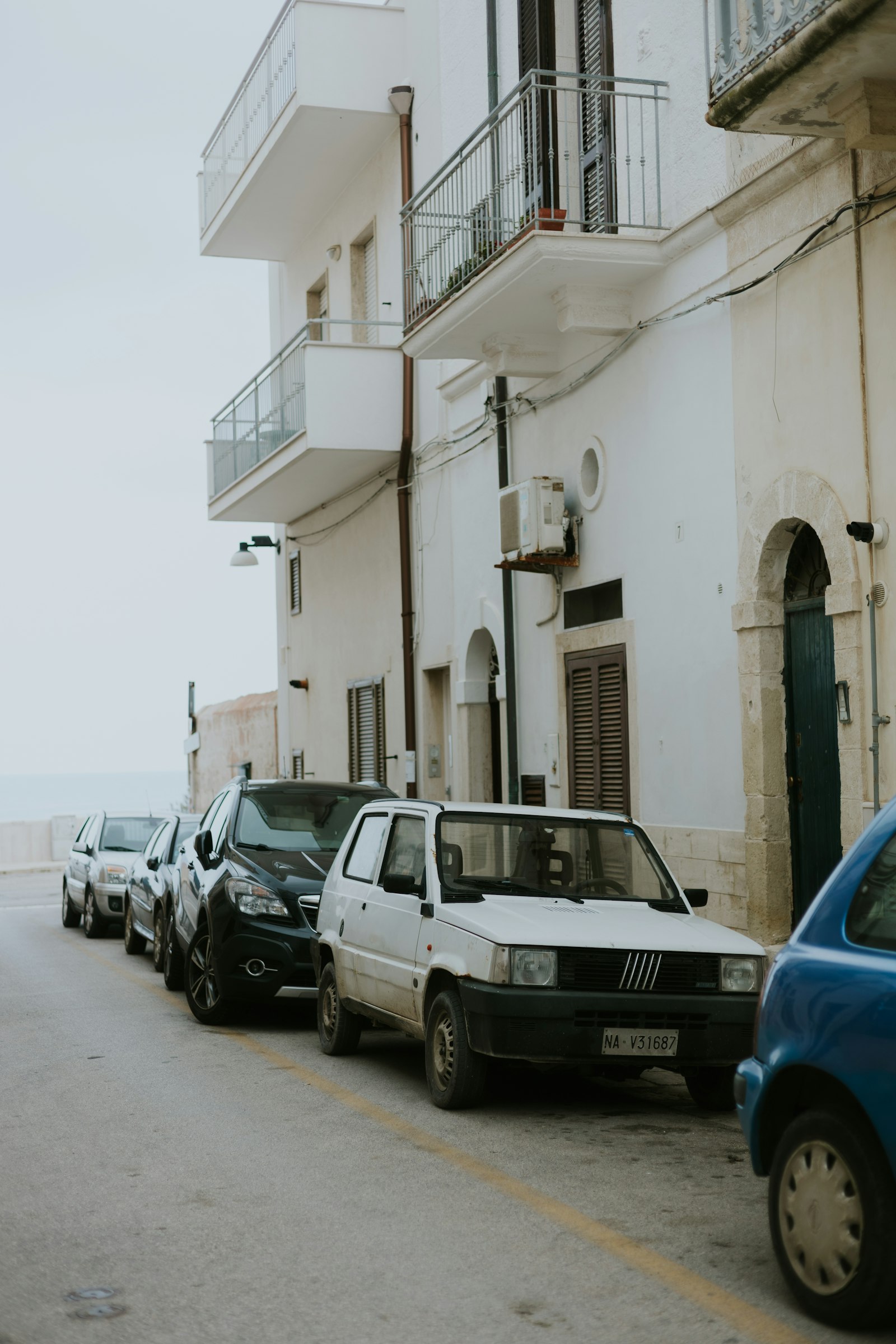
The national rule is straightforward: where parking is allowed only for a limited time, the driver must make the starting time of the stay clearly visible. That requirement appears in Article 157 of the Italian Highway Code.
How to recognize a disco orario parking space
Do not decide from the painted lines alone. Look for the vertical parking sign beside or at the entrance to the row of spaces. Italian road rules give vertical signs precedence over road markings, so the pole is where the useful details normally live.
A time-limited space will usually have a blue parking sign with a white P, accompanied by the small disco-orario symbol and information such as:
- 30 min or 30 minuti: maximum 30 minutes.
- 1 ora: maximum one hour.
- 2 ore: maximum two hours.
- 8:00-20:00: the restriction operates during those hours.
- feriali: non-holiday or working days.
- festivi: Sundays and public holidays when the indication applies to holidays.
Be particularly careful with feriali. Travelers often read it as “Monday to Friday,” but an ordinary Saturday can also be a non-holiday day. If a sign specifically says lun-ven, meaning Monday to Friday, that is much clearer. Follow the exact days, symbols and hours on the sign rather than assuming weekend parking is unrestricted.
How to set the disc correctly
- Park completely inside the permitted space. The time disc does not make an otherwise illegal parking position legal.
- Read the whole vertical sign. Check the maximum stay, operating hours, days of validity and any exceptions.
- Turn the wheel to your arrival time. The relevant time is when the parking stay began, not when you intend to come back.
- Put the disc on the dashboard. The displayed time must be plainly readable from outside the vehicle.
- Calculate your departure deadline. If you arrive at 10:20 in a one-hour zone, do not assume you may simply display 10:30 and stay until 11:30. Italian law refers to the actual beginning of the parking stay.
- Leave within the permitted period. Returning to the vehicle and turning the wheel forward while the car remains parked is not a new arrival.
Most traditional discs have a rotating wheel behind a small window marked ORA DI ARRIVO, meaning “arrival time.” Some divide the clock into half-hour increments. Because the Highway Code requires the starting time to be indicated, the safest approach is not to deliberately advance the displayed time to gain extra minutes.
The maximum time comes from the sign, not from the disc
The blue cardboard or plastic device does not automatically mean one hour. A space may allow 30 minutes, 60 minutes, two hours, four hours or another period chosen by the road authority.
For example, a sign reading:
P
Disco orario
60 min
8:00-13:00 / 15:00-20:00
means the space is subject to a 60-minute limit during the stated periods. Do not assume the lunchtime gap, evenings, Sundays or holidays are unrestricted without checking the rest of the sign. Municipalities can set local parking conditions, and temporary signs may change them for markets, street cleaning, festivals or road works.
White lines do not always mean unlimited free parking
White-lined spaces are generally associated with free parking, but “free” does not necessarily mean “stay all day.” A white space can still have a time restriction indicated by a vertical sign.
ACI’s guidance for foreign drivers specifically notes that white-lined parking can be free for a period determined locally and that, where required by the sign, the arrival time must be displayed.
Likewise, never assume a small blue-clock symbol cancels another restriction. Yellow spaces may be reserved for particular users, loading areas can operate only at particular hours, and spaces may change function during a market or street-cleaning period. The complete sign controls the space.
Do you use a disc in blue paid parking?
Normally, blue-lined street parking is controlled by payment rather than by the simple arrival-time system. You may need a meter ticket, parking app or another payment method specified locally.
Do not, however, apply the “blue equals meter” shortcut without reading the pole. Local signs can impose different conditions at different hours, and parking arrangements vary between municipalities. If the sign tells you to pay, pay. If it tells you to display an arrival time, display it. If both sets of instructions appear for different periods, follow the period that applies when you park.
What if your rental car does not have a disco orario?
Before buying one, check the glove compartment, door pockets and documents supplied with the vehicle. Rental cars sometimes already have one tucked away rather than permanently attached to the windscreen.
A traditional disc is inexpensive and commonly obtainable from places such as a tabaccheria, petrol station or motoring-accessory shop. Keeping one in the car is sensible if you are spending several days driving through smaller Italian towns.
The wording of Article 157 is broader than the cardboard device itself: it requires the starting time to be indicated in a clearly visible way. Some official Italian parking procedures even refer to either a disc or a ticket/note showing the beginning of the stay. A clearly written note such as ORA DI ARRIVO 10:20, placed securely behind the windscreen, can therefore be a useful emergency fallback.
For a rental-car trip, though, carrying the standard blue disc is the better solution. It is immediately recognizable to parking enforcement staff and avoids an unnecessary argument over a handwritten scrap of hotel stationery.
Do not reset the time without ending the parking stay
One tempting trick is to return just before the limit expires, rotate the disc forward another hour and walk away again. Do not do it. The displayed time is supposed to identify when the stay began.
If you need several hours, choose a longer-stay area, paid street parking or a garage instead. Simply adjusting the clock while the vehicle remains in the same parking stay can lead to a citation.
This is especially useful to remember on driving days involving several Italian towns. Rather than building an itinerary around repeated short parking windows, you can organize the rest of your Italy route around garages, park-and-ride options and places where the car can safely remain for longer.
What happens if you overstay?
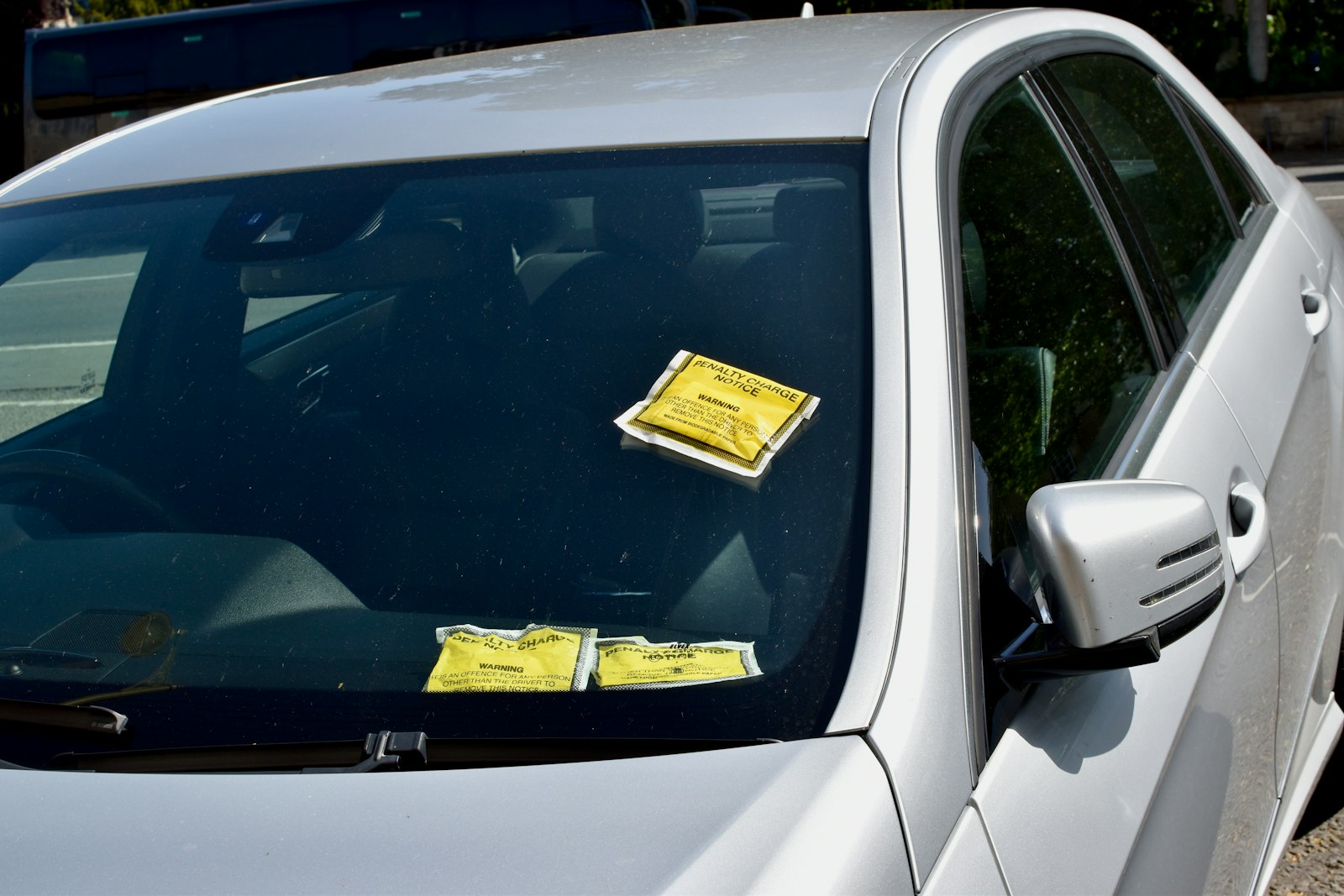
There are two different problems. Failing to make the start time clearly visible falls under Article 157, for which the current stated administrative penalty range is €42 to €173.
Exceeding the permitted time is treated separately. The current version of Article 7 provides a €26 to €102 range for exceeding a time limit. If the overstay continues through additional complete periods equal to the maximum parking period, the amount can be multiplied, subject to the limit established by the article.
With a rental vehicle, a traffic fine can also produce an administration charge from the rental company for processing the driver’s information. That charge is separate from the fine itself, so a “free” 60-minute space can become an annoyingly expensive place to spend an extra afternoon.
What if you arrive outside the restricted hours?
Read the sign literally rather than assuming the restriction disappears forever once the day’s controlled period has finished.
If a one-hour restriction applies from 08:00 to 20:00 and you arrive after 20:00, check whether your car will still be there when restrictions begin again. The safest habit is to display the real arrival time anyway and work out what the sign requires the following morning.
If the wording is ambiguous and you need to leave the car overnight, choose a clearly unrestricted space or a garage. This is particularly sensible when you have an early train, ferry or flight and will not be nearby to move the vehicle when restrictions start.
Sundays, holidays and temporary restrictions
Parking rules can change dramatically by day. A row that is available to ordinary cars on Tuesday can become a market area on Saturday morning, while a time restriction may operate on working days but not public holidays.
Look for additional panels mentioning words such as:
- mercato: market.
- pulizia strade or spazzamento: street cleaning.
- carico e scarico: loading and unloading.
- residenti: residents.
- eccetto: except.
- rimozione or rimozione forzata: towing/removal may apply.
Temporary official road signs also matter. A newly installed no-parking notice for road works or a weekly market is not overridden by the fact that you successfully parked in the same spot yesterday.
Drivers with a disability parking permit
Italian Highway Code Article 188 provides an important exception for authorized vehicles serving people with disabilities: they are not required to respect the normal time limit in time-limited parking areas. ACI also states that the arrival-time disc is not required in those circumstances.
Visitors using a foreign disability permit should make sure it is valid and recognized for their circumstances and displayed correctly. ZTL access and plate-registration procedures are a separate issue and can be handled differently by individual cities.
The disc does not protect you from ZTL restrictions
A legal parking space does not automatically mean you were allowed to drive to it. This distinction matters particularly in historic centers.
A ZTL, or Zona a Traffico Limitato, controls vehicle access to an area. You can receive a camera-recorded ZTL violation before you ever reach a perfectly legitimate parking bay inside it. If you are renting a car, the Italy on Foot car rental guide covers the other road rules and restrictions worth checking before setting off.
Rome is a good example of a city where parking and access restrictions need to be considered separately. For city-specific options, see the guide to parking in Rome before driving toward the historic center.
A 30-second check before walking away
- Are you completely inside a permitted parking bay?
- Have you read the vertical sign, including the small panels underneath it?
- Is a time limit currently in force?
- Does the display show your arrival time rather than your intended departure?
- Can the displayed time be read clearly through the windscreen?
- Have you calculated when the permitted stay ends?
- Are there market, cleaning, loading, resident or temporary restrictions?
- Did you enter the area legally, without crossing an active ZTL?
If the sign is too complicated to interpret confidently, take a photo of it and choose another space rather than guessing. Italian parking signs often look fussy because several rules are compressed onto one pole, but the few seconds spent reading every panel are much cheaper than discovering the meaning from a ticket under the wiper.