The Roma Termini bus bays are organized by letters A to F, so finding your bus is a two-step job: identify the correct banchina, then find your route number at the marked boarding point. ATAC directs passengers arriving by train toward exit T1 for the main terminal area, while metro passengers heading for bays A to E should use T5. Bay F, including line 714, is closer to exit T2 on the Via Giolitti side.
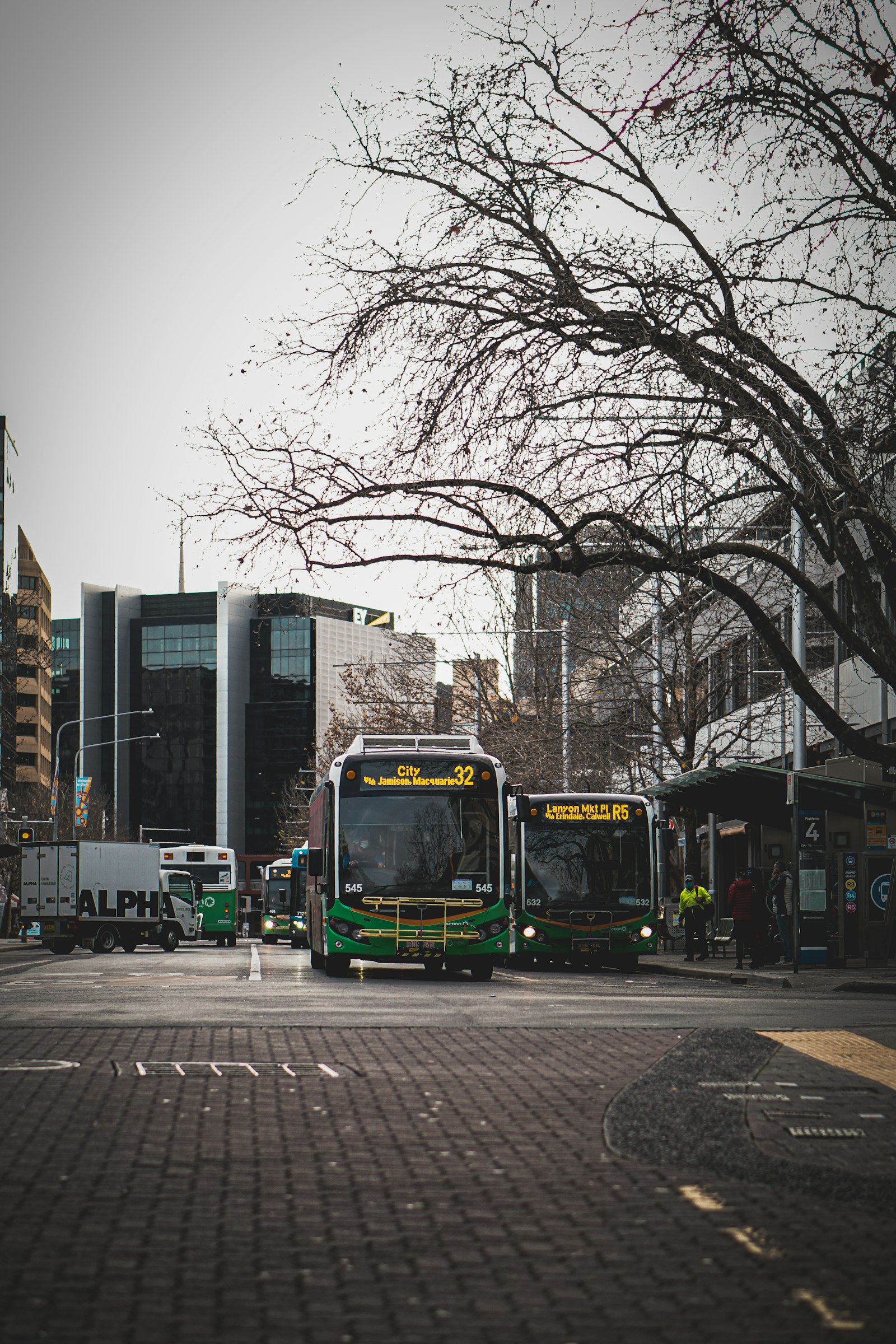
How the Piazza dei Cinquecento bus terminal is laid out
Piazza dei Cinquecento is the large forecourt in front of Roma Termini. The city-bus terminal does not form one neat curb along the station building. Most stops sit on long boarding islands in the square, with additional stops on its edges.
The permanent ATAC Termini terminal map divides the stops like this:
- Banchina A: terminal for 40, 64, n46 and n70. It also has stops for C3, 16, 75, 82, 150F, 360, 590, 649, nMA, nMB, n5, n11 and n543.
- Banchina B: terminal for C2, 85 and 92.
- Banchina C: terminal for H, 66, 170, n8, n98 and n716.
- Banchina D: terminal for 38, 90, 310, nMB1, n66 and n92.
- Banchina E: on Viale Enrico De Nicola, on the northern side of the square. Line 223 terminates here; 75, 910 and nMB also stop here.
- Banchina F: beside the Via Giolitti side of Termini. Line 714 terminates here, while C3, 16, 70, 105, 150F, 360, 590, 649, nMA, n5, n11 and n543 also stop here.
A banchina is the boarding platform or bay. Capolinea means the line starts or ends there. Fermata simply means the bus stops there while continuing its route. That distinction matters because a bus parked at a terminus may be waiting between journeys rather than boarding passengers.
Coming from a train: aim for T1 first
After leaving your train, continue toward the front of the platforms and the main Piazza dei Cinquecento side of the station. ATAC’s wayfinding directs rail passengers to Uscita T1.
Once outside at T1, the central terminal is in front of you across the station forecourt. Bays A, B, C and D run through the main bus area. Do not stop walking as soon as you see the correct letter. A single bay can contain several different boarding positions, so continue until you see your route number on the pole or passenger information display.
If station exits are causing trouble before you even reach the square, the guide to choosing the right Italian station exit explains the signs to follow and why taking the first Uscita is often a mistake.
Coming from Metro A or Metro B
For the main A to E bus-terminal area, ATAC directs metro passengers toward Uscita T5. This brings you out near the southwest side of the central boarding area rather than making you surface somewhere along one of Termini’s long side streets.
There are two important exceptions:
- For bay F and line 714: follow signs toward T2, on the Via Giolitti side.
- For trams 5 and 14 under the normal layout: the permanent tram terminal is associated with T3. Temporary tram works can change this, so check the service notice before following the permanent signs.
Where some commonly used buses leave
If you already know your route number, a few of the stops travelers frequently look for are straightforward:
- 64: bay A.
- 40: bay A.
- 85: bay B.
- H: bay C.
- 38, 90 and 310: bay D.
- 223: bay E on Viale Enrico De Nicola.
- 714: bay F near the Via Giolitti side.
Some routes appear at more than one Termini stop. For example, 75 and nMB are listed in more than one part of the terminal, while several through-services use both the central area and bay F. In that situation, do not choose solely by route number. Check the destination or direzione shown on the pole and compare it with the terminus named in your journey planner.
The same warning applies to numbers containing a letter. The “F” in a route such as 150F is part of the route designation; it does not mean you should automatically go to bay F.
Airport coaches usually do not use the A to F city-bus system
This is one of the easiest Termini mistakes to make. The ATAC bays are primarily for Rome’s urban public transport. Private airport coaches can use completely different stopping points around the station.
For example, Terravision lists its Termini sales and departure area on Via Giolitti 32-38, while SIT Bus Shuttle currently lists its Termini stop at Via Marsala 5. Those streets run along opposite sides of the railway station. Walking into Piazza dei Cinquecento and searching bays A to F will not find either stop.
If your ticket names a company such as Terravision or SIT and prints a street address, follow the street address on the ticket rather than the word “Termini.” Allow extra time because walking from one side of this large station to the other with luggage is not an instant transfer.
Buying and validating an ATAC ticket
For ordinary city travel, ATAC’s BIT ticket currently costs €1.50 and is valid for 100 minutes from first validation. Paper tickets are sold at ATAC points, vending machines and authorized shops such as many tabacchi and newsstands.
Validate a paper ticket when beginning the journey. If you transfer to the metro within its validity period, validate it again when entering through the metro gates. On buses you can instead use ATAC Tap&Go with a supported contactless card or device. ATAC instructs passengers using Tap&Go to tap again when changing vehicles within the valid period; that does not create another fare while the ticket remains valid.
Do not wait until a ticket inspection to discover that a paper ticket was never stamped. Convalidare or timbrare il biglietto means to validate the ticket.
Large suitcases have stricter rules on city buses
An urban ATAC bus is not the same as an airport coach with a luggage hold. Under ATAC’s published conditions of carriage, one piece up to 50 x 30 x 25 cm can be carried free. Additional luggage, or a permitted piece larger than those dimensions, requires an ordinary ticket. Items exceeding 80 x 45 x 25 cm are not permitted, and luggage must never obstruct other passengers.
That makes a private airport coach, train or taxi a better fit for some travelers carrying large checked suitcases. Do not assume that because a suitcase rolled easily through Termini station it automatically meets the rules for an urban bus.
Strollers are allowed on surface transport free when used for a child, but ATAC requires them to be folded so they take up as little room as possible. ATAC also states that its bus fleet is equipped with boarding ramps and designated wheelchair areas. If reduced-mobility access is important for a particular journey, check the operator’s live accessibility information before setting out.
Late at night, pay close attention to the lowercase “n”
Rome’s night-bus numbers normally begin with n, and several terminate at Termini. Examples include n46 and n70 at A, n8 and n98 at C, and nMB1, n66 and n92 at D.
Do not remove the letter when searching. Line 92 and line n92 are different services, just as nMB and nMB1 are not interchangeable. Compare the complete route code shown on your phone with the complete code on the stop sign.
If you are connecting several trains, buses and walking sections during the same trip, it can help to organize the rest of your Italy route before arriving at a large interchange like Termini, rather than making every connection decision on the station forecourt.
Temporary works can move a stop even when the permanent map is correct
Termini is frequently affected by road, tram and utility works. The permanent A to F layout was restored after temporary Piazza dei Cinquecento works in August 2026, but separate track-renewal works around Via Manin and Via Farini have since affected services including 5Bus, 14Bus, 105, 150F and several night routes.
In particular, tram routes 5 and 14 are currently affected by replacement-bus arrangements. If you need either service while the works continue, do not rely only on the permanent T3 tram symbol. Check ATAC’s current service information shortly before travelling.
Useful words on temporary signs include:
- Fermata provvisoria: temporary stop.
- Fermata spostata: stop moved.
- Fermata soppressa: stop suspended.
- Deviazione: diversion.
- Capolinea provvisorio: temporary terminus.
- Fuori servizio: out of service.
If you cannot find your bus
- Confirm the full route number. Check letters as well as numbers, especially night buses and routes such as 150F.
- Find the bay letter before chasing individual buses. A bus driving through the terminal may be repositioning or finishing a trip.
- Read the destination on the stop pole. If the same line serves more than one Termini stop, the direction is what tells you which one you need.
- Look for temporary notices. A sheet attached to the normal stop can redirect passengers to a fermata provvisoria.
- Check whether you are actually taking an ATAC bus. A private airport or long-distance coach may depart from Via Giolitti, Via Marsala or another street instead of the city-bus terminal.
- Ask using the route number. “Dov’è la fermata del 64?” means “Where is the stop for the 64?” For a terminus, “Dov’è il capolinea del 714?” is even more specific.
If a bus is sitting in the correct lane with its doors shut, do not assume you have missed boarding. At a capolinea, vehicles may wait while the driver takes a break or prepares the next departure. Stand at the signed passenger boarding position and watch for the destination display and doors to open.