Yes. On TPER buses in Bologna, you can board without buying a paper ticket first and pay by tapping a contactless bank card, phone or compatible smartwatch on the green validator. The Bologna bus contactless payment system charges the normal fare, not the higher onboard cash fare. On an ordinary urban journey, tap when you board and tap again whenever you change buses. You do not need to tap when getting off.
How to tap your card on a Bologna bus
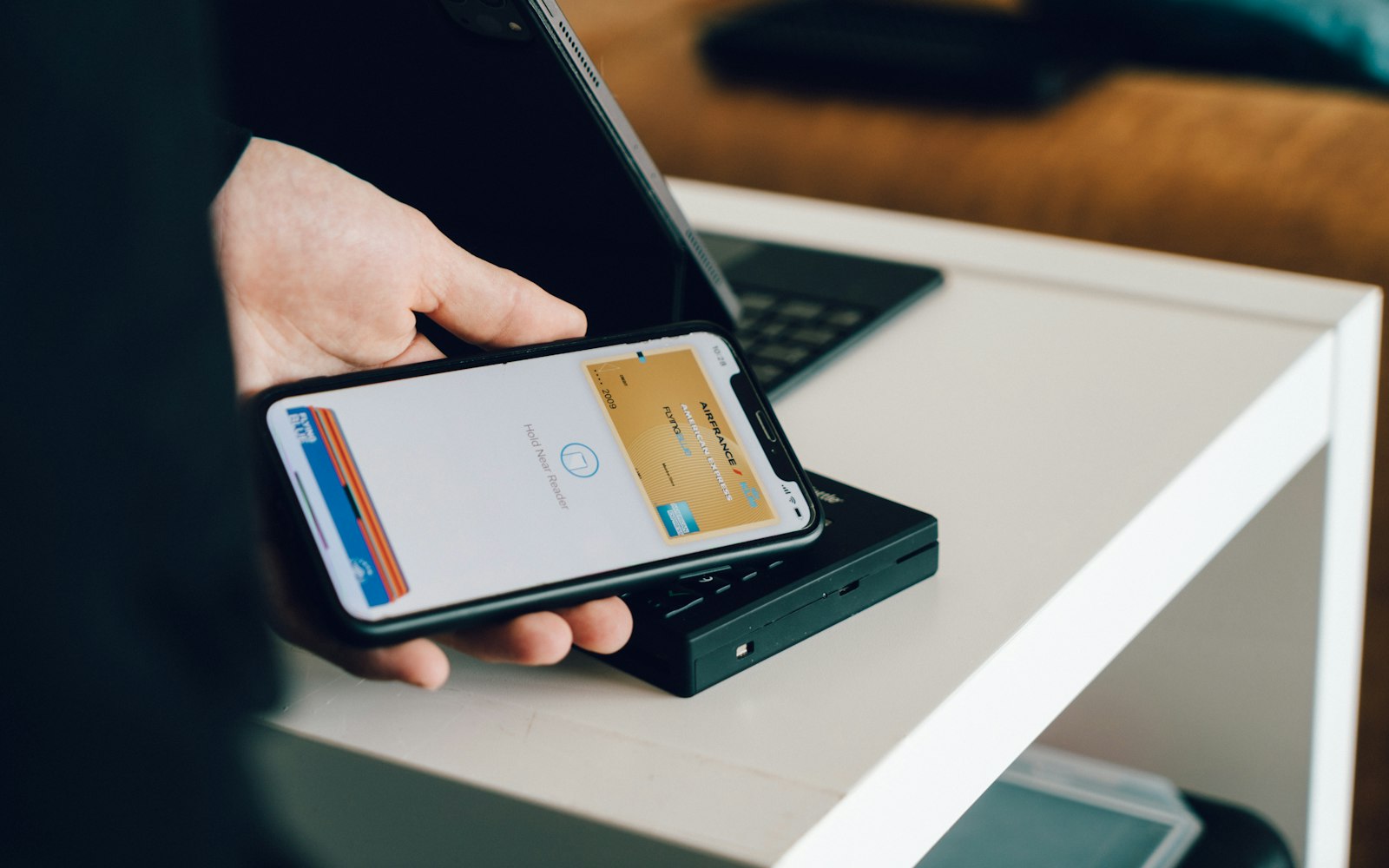
- Before boarding, look for the contactless symbol on the bus if you are relying on card payment.
- Once aboard, find the green TPER validator. This is different from the machine that sells paper tickets for coins.
- Hold your contactless card, phone or watch against the reader.
- Wait for the validator to confirm the transaction with a green indication before moving away.
- If you change to another bus, tap the same card or device again as soon as you board.
For Bologna’s urban network, you do not have to choose a destination or fare zone before tapping. TPER’s current ordinary urban fare is €2.30, and the ticket period is 75 minutes. Current fares and conditions are listed on the official TPER fare page.
The second tap during a transfer does not automatically mean another €2.30 charge. TPER uses the validation history to decide whether you are still within the validity of the first ticket. That is why tapping on every bus matters even when only 20 or 30 minutes have passed.
Use the same card or device for the entire journey
This is the detail most likely to cause an unnecessary second fare. A physical bank card and the same card stored in Apple Pay or another digital wallet are treated as different payment instruments by the system.
If you start with your phone, continue tapping with that phone. If you start with the physical Visa card from your wallet, keep using the physical card. Switching from card to phone during a transfer can make the system think a different passenger has started a new journey.
The same rule matters for TPER’s automatic fare caps. Mixing a phone, smartwatch and physical card means the journeys may be counted separately instead of toward one passenger’s daily or weekly total.
One bank card cannot pay for two people
Each contactless bank card or digital payment device covers one passenger at a time. You cannot tap the same card twice to pay for yourself and your partner.
For two fare-paying adults, for example, one person could use a physical bank card and the other could use their own card or phone. Alternatively, the second passenger needs another valid TPER ticket.
This is different from some transport systems where a validator has an option to add extra passengers. Do not repeatedly tap the same bank card expecting it to issue several tickets.
The daily and weekly fare caps can make tapping useful
TPER currently applies automatic best fare pricing to urban journeys paid with the same contactless payment instrument. The urban cap is €9 per fare day and €25 over seven days. TPER defines its contactless fare day as journeys made from 02:01 until 02:00 the following day.
You do not need to decide in the morning that you want a day ticket. Keep tapping the same card or device and the system calculates the applicable fare from your journeys. The current caps and contactless rules can be checked on TPER’s Pay & Go information page.
For someone taking only one or two buses, contactless is particularly convenient because there is no ticket shop to find and no paper ticket to validate. If you expect to use public transport heavily for several days, compare the automatic caps with other ticket products before deciding which works best.
Do not keep your whole wallet against the validator
Take out the specific card you intend to use. TPER warns that presenting several contactless cards together can prevent the reader from registering the correct card.
The same applies to a wallet containing hotel keys, transit cards and several bank cards. Use one clearly identifiable payment method. It also makes things much easier if an inspector later asks which card you used.
What happens during a ticket inspection
There is no paper receipt to show. Tell the inspector the last four digits of the card used for the journey. TPER staff can check the associated validation electronically.
If you paid with a card stored on a phone or smartwatch, the payment system may use a virtual card number that differs from the number printed on your physical card. The inspector may ask to see the device or payment card used. Keep that device available until the journey is finished.
This is another reason not to let one person’s phone die halfway through a day of bus travel. If battery life is questionable, using the physical card from the beginning can be simpler.
If your card is rejected
Do not assume that merely attempting a tap counts as having a valid ticket. If the validator displays a rejection such as carta bancaria non accettata, use another payment method immediately.
TPER lists Visa, Mastercard, Maestro and VPay among the supported contactless circuits. Digital wallets can work when the underlying payment card is compatible. If you normally travel using a card on another circuit, carry an alternative instead of discovering the problem after the doors have closed.
A card can also be temporarily refused because of an earlier unpaid transaction. TPER describes this as the bank card being placed on a blocked list until the outstanding amount is settled. A prepaid card with insufficient funds can produce the same sort of complication.
If you want a backup on your phone, TPER tickets are also available through the Roger app. The Italy transport apps guide explains where Roger fits alongside the other apps travelers may need around the country.
If the validator itself is not working
There is an important difference between a card being rejected and the onboard equipment being faulty. TPER advises passengers to report a non-working contactless validator to the driver.
If you already made a valid contactless tap on the first bus and then transfer within the ticket’s validity to a vehicle where the reader is unavailable or malfunctioning, TPER provides procedures for continuing the journey. Do not silently ignore the broken machine. Tell the driver so there is a clear explanation if inspectors board.
If you have not yet made your first successful validation, you still need a valid way to pay. On Bologna urban buses, the traditional onboard paper-ticket machine is a possible fallback where it is operating. The current onboard cash fare is €2.50, and the machines take coins without giving change. TPER uses exterior signage to indicate whether the onboard ticket machine is functioning.
Urban buses and extraurban buses do not use exactly the same screen
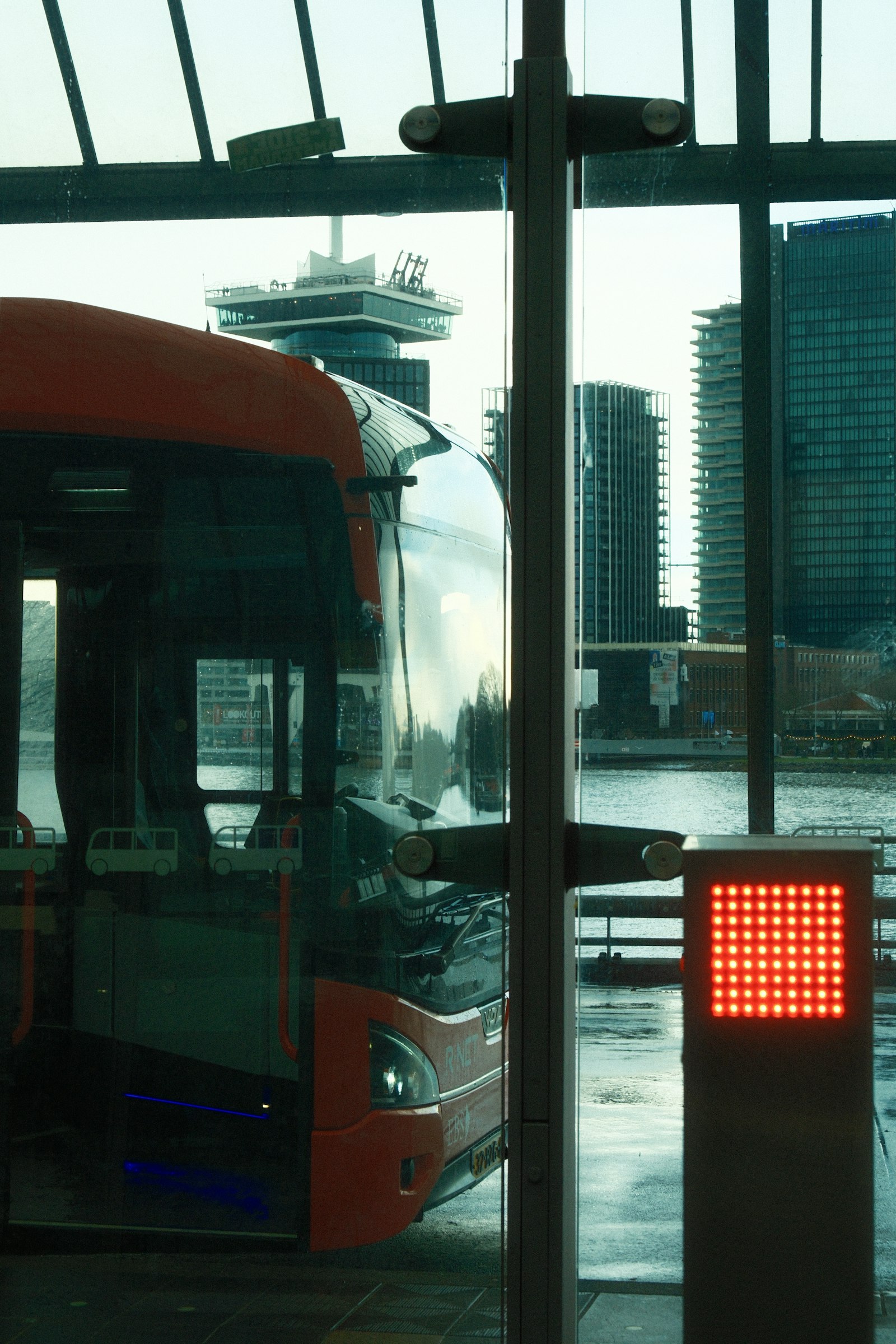
Inside Bologna’s urban fare area, simply tap. You do not select zones.
On an extraurban TPER service leaving the city, the fare depends on how many zones you travel through. The validator therefore requires you to select the appropriate number of zones before paying. If you do not know the zone count, TPER says the validator can be used to search for the destination locality.
When changing buses on an extraurban journey, select the same required zone information and validate again with the same payment instrument.
This distinction matters for travelers heading to accommodation or towns outside central Bologna. A green validator does not necessarily mean every journey costs the €2.30 city fare.
Suburban buses can catch travelers without a backup ticket
TPER also operates suburban services around Bologna, including routes such as 89 and 90. Contactless validators are provided on these services, but TPER states that ordinary onboard ticket sales are not available there through either a ticket machine or the driver.
If you are taking one of these routes, having a working contactless card or a ticket purchased beforehand matters more than on a standard city bus where a coin machine may provide a fallback.
The airport bus and Marconi Express use contactless differently
Bologna Airport is a particularly easy place to mix up two different systems.
TPER Line Q is a bus and uses the urban fare system. TPER confirms that bank-card contactless payment is available onboard, so the normal city-bus tapping procedure applies. Current airport-bus information is available on the official Line Q page.
Marconi Express, by contrast, is the airport people mover rather than a city bus. Contactless access there works at the station gates, with the same card or device used as required by the rail-style entry and exit system. Do not copy the bus habit of simply tapping once onboard.
What to do after boarding
After the payment is confirmed, move away from the validator so the next passenger can use it and secure yourself before the bus moves. Keep your card or phone accessible rather than burying it under your luggage because you will need the same one again if you transfer.
Also remember that paying successfully does not make every Bologna bus stop automatically. At request stops, passengers waiting outside may need to signal the driver, and passengers onboard should press the stop button before their destination. The guide to Italian request stops explains the signs and the hand signal to use.
If several bus trips are part of a longer sightseeing day, you can organize the rest of your Italy route around the stops you actually need rather than treating every cross-city journey as a separate ticket-planning exercise.
The simplest rule to remember
For an ordinary Bologna city bus, board, find the green validator, tap once, wait for confirmation and keep using that exact same card or device on every later bus. Do not tap out. Do not use one card for two passengers. If the reader rejects the payment, solve it immediately with another valid ticket or payment method rather than riding and hoping the attempted tap was enough.