The easiest route is usually the port shuttle to central Livorno, followed by a local bus to Livorno Centrale. A taxi directly from the cruise area is faster when available, while some ships may offer their own direct station transfer. Do not assume the normal port shuttle goes all the way to the railway station.
For a 2027 visit, the important thing to understand about getting from Livorno cruise port to the train station is that your first step depends on where your ship berths and what transport your cruise line has arranged that day. Livorno is a working port, so the gangway, city shuttle and public bus are separate parts of the journey.
Which option should you choose?
- Port shuttle plus public bus: best value for most independent passengers without large suitcases.
- Taxi from the cruise area: best for a tight train connection, several passengers traveling together, or substantial luggage.
- Direct station shuttle: easiest if your cruise line or the ship-day operator specifically offers one, but availability and price vary by sailing.
- Walking: reasonable only from the downtown shuttle stop to the station if you have plenty of time. Do not plan to walk through the industrial port from an arbitrary cruise berth.
First, find out where your ship’s shuttle actually goes
Livorno’s port operator confirms that shuttle buses connect cruise ships with downtown Livorno. At the larger cruise facilities, buses, taxis and excursion coaches are organized within the terminal area. You can check the current port arrangements on the Porto di Livorno 2000 cruise service page.
The usual city-side drop-off for independent cruise passengers is around Piazza del Municipio and Via Cogorano. This is central Livorno, not Livorno Centrale railway station.
Piazza del Municipio and Piazza Grande are also not literally the same square, although cruise information sometimes uses the names loosely. They sit very close to each other. Once the shuttle drops you near the municipal buildings, you walk a short distance toward Piazza Grande and Via Grande for the city buses.
Before leaving the ship in 2027, ask one very specific question:
“La navetta va in centro o alla stazione ferroviaria?”
That means, “Does the shuttle go downtown or to the railway station?” It prevents the surprisingly common mistake of boarding a downtown shuttle while assuming you will step off beside a train platform.
Option 1: Port shuttle to Piazza del Municipio, then city bus
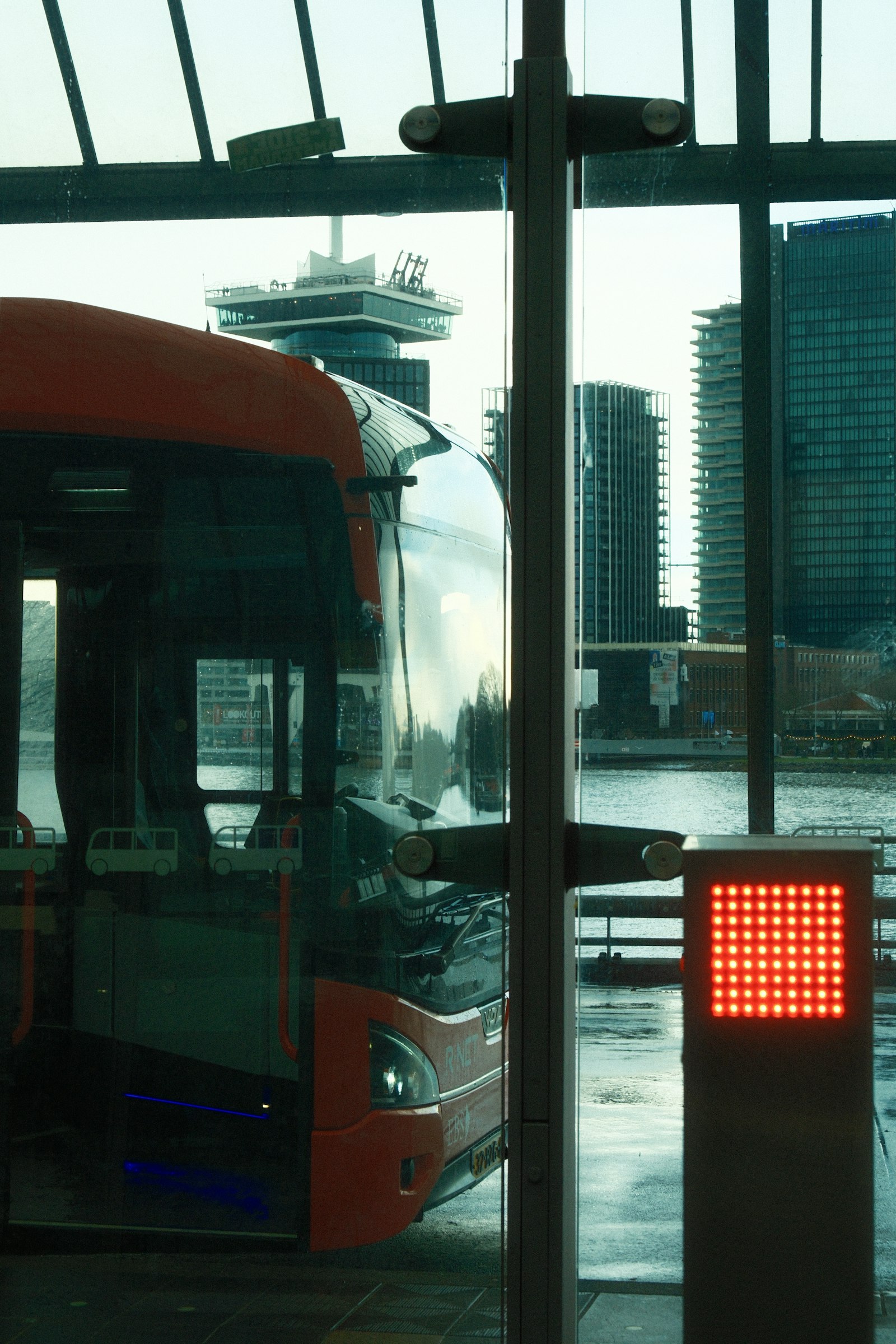
This is usually the sensible budget route.
- Leave the ship and follow signs or staff directions for Shuttle Bus, Navetta or Centro città.
- Ride the authorized shuttle out of the port to the central Livorno drop-off, normally around Piazza del Municipio/Via Cogorano.
- Walk toward nearby Piazza Grande and Via Grande.
- Look for an Autolinee Toscane stop showing buses toward Stazione or Stazione FF.SS.
- Line 1+ is one of the straightforward services linking the central stops with Livorno Centrale. Line 22 also reaches the station on the appropriate direction of its loop. Trust the electronic destination display and current stop information rather than boarding solely because you recognize a route number.
- Get off at Livorno, stazione FF.SS, directly by the railway station area.
FF.SS. is an abbreviation connected with the Italian state railway system. On a bus display, Stazione FF.SS. is the wording you want to see.
The city-bus portion is normally around 10 to 15 minutes once you are aboard. The port shuttle itself is also a short ride, but queues at the gangway and traffic inside the port can make the complete ship-to-station journey much longer. For a train you genuinely need to catch, allow roughly 35 to 60 minutes from leaving the ship to reaching the platform area, and more when several large ships are unloading at once.
How to pay for the Livorno bus
Livorno city buses are operated by Autolinee Toscane. The urban-capital ticket introduced on 1 August 2026 costs €2 and is valid for 70 minutes from validation. Because fares can be revised, travelers visiting during 2027 should confirm the current amount on the official Autolinee Toscane fare page before relying on the €2 figure.
The simplest method for many visitors is contactless payment on the bus. On an urban service you tap when boarding. Wait for the green confirmation on the validator.
There is one small trap for couples and families: a single bank card or payment device normally buys a ticket for only one passenger. If several people are traveling, use separate eligible cards/devices or buy the required tickets through the AT Bus app.
If you use a paper or digital AT ticket instead, it must be validated or activated when you board. Do not carry an unused paper ticket in your pocket and assume purchasing it was enough.
Signal the bus rather than simply standing at the stop
Autolinee Toscane advises passengers to raise a hand when the bus approaches so the driver knows they want to board. Unless signs say otherwise, boarding is normally through the front door. Press the stop button before Livorno Centrale and use the center or rear door to leave.
Current route information for the central Livorno to station connection is available on the official Line 1+ route page.
Large cruise luggage changes the calculation
The public bus is cheap, but it is not automatically the best choice if you are disembarking with a large suitcase.
Autolinee Toscane currently allows each passenger one piece of luggage free up to a combined length, width and depth of 105 cm and a maximum weight of 10 kg. Larger baggage, up to specified higher limits, may require a luggage compartment and an additional fare. Transport can also be refused when the bus is too crowded or there is nowhere safe to store the item.
That matters in Livorno because an urban bus used by a wave of cruise passengers may have little useful space for full-size cases. Check the official AT luggage rules if you are traveling with anything larger than ordinary hand luggage.
With two large suitcases, a folded stroller, reduced mobility, or several family members, a taxi often saves enough hassle to justify the extra cost.
Option 2: Taxi directly from the cruise area
A taxi is the cleanest way to reach Livorno Centrale if one is readily available. Porto di Livorno 2000 lists taxi facilities at the Alto Fondale cruise terminal, although your actual pickup point depends on the day’s berth and security arrangements.
Tell the driver:
“Livorno Centrale, per favore.”
The port operator describes Livorno Centrale as about a 10-minute drive from the port. Traffic, cruise coaches and the precise berth can lengthen that considerably on a busy morning.
Livorno taxis operating within the municipality use a taximeter under city rules. Extra charges can apply for circumstances such as entering or leaving the port, luggage, holidays or nighttime travel. Since taxi tariffs can change before 2027, it is safer to check the displayed tariff than to depend on an old online claim that the ride should cost an exact amount.
If there is no useful taxi available beside your ship, take the regular shuttle into the city first. A short taxi from central Livorno to the station is still a perfectly good fallback and avoids waiting indefinitely inside the cruise area.
When a taxi is worth it
- You have a specific train to Florence, Pisa or Lucca that you do not want to miss.
- Three or four people can divide the fare.
- You are carrying cruise luggage rather than a small day bag.
- A child, stroller or mobility issue makes a crowded city bus unattractive.
- You left the ship later than planned and need to recover time.
Option 3: Take a direct station shuttle if your sailing offers one
Some cruise lines and ship-day transport arrangements offer a dedicated transfer between the port and Livorno Centrale. This is different from the normal downtown shuttle.
For 2027, do not assume a direct station coach will exist just because a previous passenger on the same cruise line used one. Port operations, berth assignments, prices and cruise-line contracts can change between sailings.
If a station shuttle is advertised onboard, check four details before buying it:
- Does it actually terminate at Livorno Centrale?
- Is the ticket one-way or return?
- Does it run continuously or at fixed departure times?
- Where does the return bus leave from at the station?
If those answers work with your train schedule, the direct coach is often worth paying a little more for because it removes the Piazza del Municipio transfer entirely.
Should you walk from the downtown shuttle stop?
You can, but it is rarely the smartest start to a cruise day.
From the Via Cogorano/Piazza del Municipio area to Livorno Centrale, expect roughly 2.5 to 3 km on foot, or about half an hour at an ordinary pace. Add traffic lights, summer heat and luggage, and the cheap bus begins to look much more appealing.
The more important warning concerns the port itself. Do not look at a map, see what appears to be a short straight-line distance from the ship and simply start walking toward the station. Livorno has controlled industrial port areas, and the safe pedestrian route available to passengers depends on the berth. Follow the route your ship and port staff authorize.
What happens when you reach Livorno Centrale
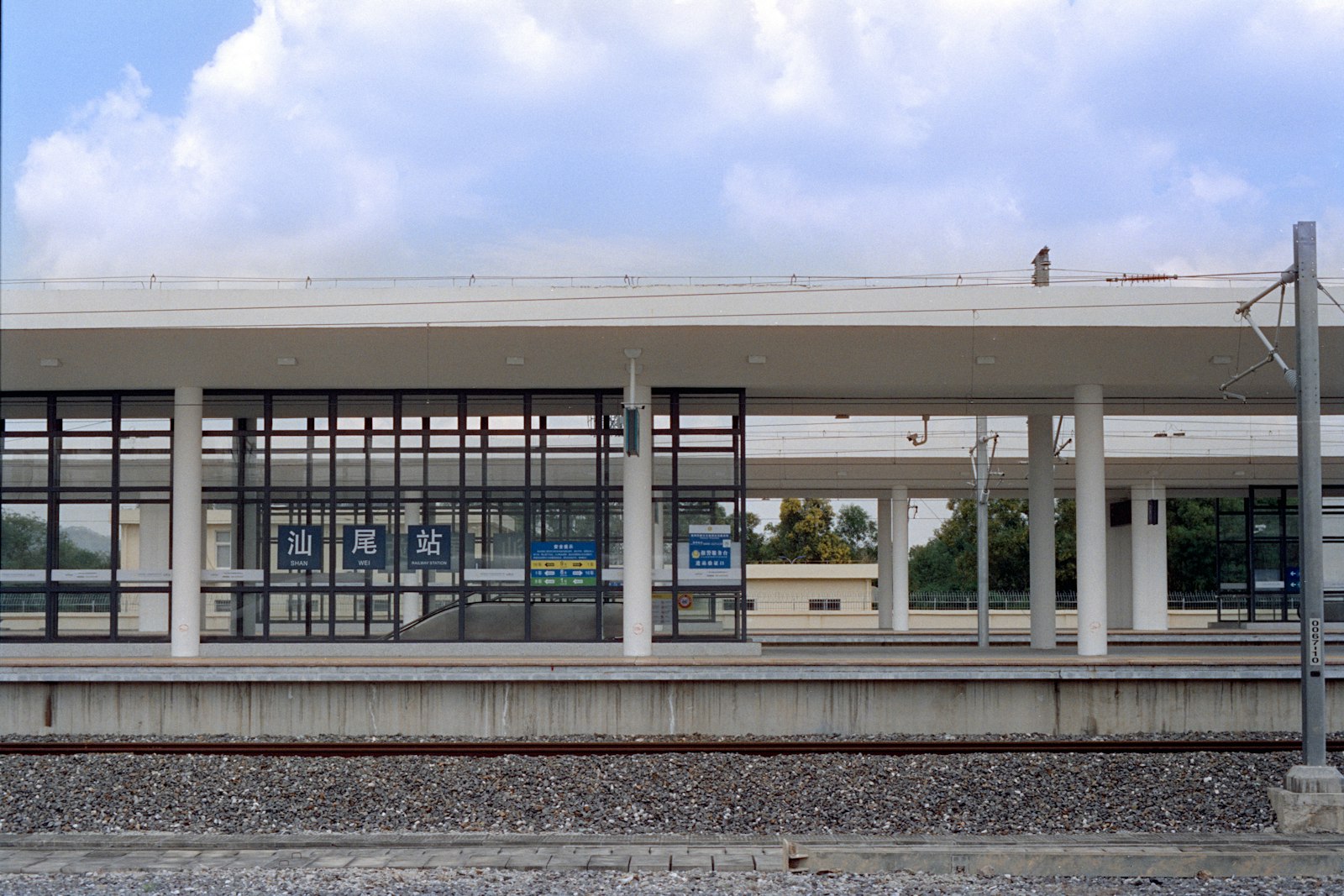
The local bus brings you to the station forecourt. Enter the main station building and look for Partenze, meaning departures, and binario, meaning platform.
Do not memorize a platform number from a journey planner days in advance. Check the departure screens after arrival because platform assignments can change.
If you bought a Trenitalia Digital Regional Ticket, the current system validates it automatically at the scheduled departure time of the train you selected. There is no old-style manual online check-in. A traditional paper regional ticket is different and must be validated at a station machine before boarding. Trenitalia explains both systems on its official Regional travel page.
This distinction is useful on a rushed cruise morning. Do not waste time searching for a validation machine if your ticket is clearly the current Digital Regional Ticket, but do not board with an unvalidated paper regional ticket.
If the first part of the transfer goes wrong
The port shuttle queue is much longer than expected
If you have a flexible regional ticket and the train is not critical, abandon the idea of catching a specific departure and take the next practical train. If you have a timed reservation farther along your journey, ask port staff immediately whether a taxi or direct station transfer is available.
You arrive downtown and cannot identify the bus stop
Do not board a bus merely because it has a familiar route number. Ask:
“Per la stazione ferroviaria?”
Then check that the front display shows Stazione. Piazza del Municipio, Piazza Grande and Via Grande are close together, so walking a block to the correct stop is better than taking the same route in the wrong direction.
Your contactless payment fails
A red validator screen means you do not have a valid ticket. Try an eligible physical card or another accepted payment device. Autolinee Toscane warns that failure of contactless payment does not give permission to travel without a ticket.
The city bus is too crowded for your suitcase
Skip it rather than forcing a large case into the doorway. Look for a taxi from the central area. Missing one €2 bus is less painful than being refused boarding after you have already spent ten minutes wrestling with your luggage.
Allow more time on the return to the ship
If you travel independently to Pisa, Florence or elsewhere by train, the railway station is not the end of your return journey. You still need to cross Livorno and then get through the port.
From Livorno Centrale, local services including Line 1+ run back toward central Livorno. Get off around the central Via Grande/Piazza Grande area, walk back toward the cruise-shuttle pickup near Piazza del Municipio/Via Cogorano, and board the authorized return shuttle for your ship.
Confirm the last port shuttle and your ship’s all-aboard time before leaving in the morning. Those are not the same thing as the scheduled sailing time.
For an independent rail excursion, a sensible working buffer is to aim to be back at Livorno Centrale about 90 minutes before all-aboard, rather than scheduling a train that theoretically leaves just enough time for a perfect bus-and-shuttle connection. That is a planning buffer, not an official guarantee. A missed city bus, a queue for the port shuttle or a late regional train can consume half an hour surprisingly quickly.
If Livorno is one stop within a longer Italian journey rather than just a cruise call, you can organize the rest of your Italy route around the rail connections you actually plan to use rather than treating the port-to-station transfer as an invisible five-minute hop.