The cable car on Etna’s south side runs from Rifugio Sapienza at about 1,923 metres to the upper station at 2,500 metres. From there, the full high-altitude tour continues by 4×4 vehicle, or by snowcat in winter conditions, followed by a short guided walk toward the highest altitude currently permitted by the authorities. Etna cable car tickets are therefore not all the same product: the basic ticket stops at 2,500 metres, while the upper-zone tour includes the extra vehicle and volcanological guide. Weather, volcanic activity and safety orders can stop or alter any stage, and the operator’s current refund terms are much stricter than many travelers expect.
Which ticket do you actually need?
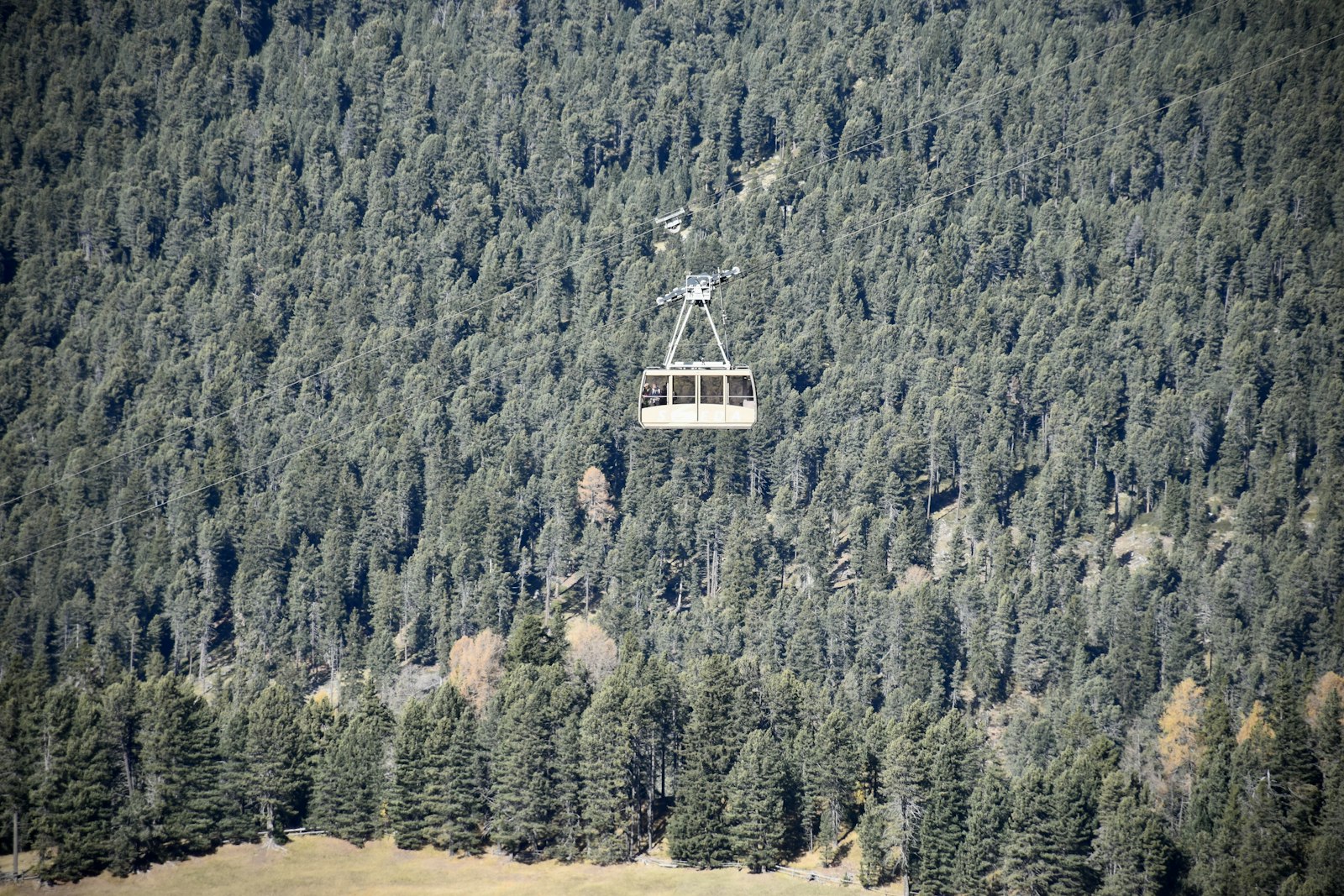
Buy from the official Funivia dell’Etna departure station at Piazzale Rifugio Sapienza, Etna Sud, not from Piano Provenzana on Etna’s north side. The two main daytime options are:
- 2500 Cable Car: round-trip cable car access between Rifugio Sapienza and the upper station at 2,500 metres.
- Tour 3000: round-trip cable car, the upper-zone 4×4 bus or snowcat, and an alpine or volcanological guide for the final walking section.
The important distinction is that the cable car itself does not take you to 3,000 metres. It ends at the stazione di monte, the upper station, at 2,500 metres. The next section uses the operator’s off-road vehicles on a road that ordinary cars and private quads cannot use. The vehicle normally climbs toward roughly 2,800 metres, with the final section covered on foot with a guide, but the exact turning point can move because the permitted upper limit is set according to current conditions and authority restrictions.
If you are unsure about committing to the high-altitude part, the operator says visitors who buy the 2,500-metre ticket can upgrade to Tour 3000 at the upper station. That is useful on a questionable-weather day because you can see what conditions are actually like at 2,500 metres before deciding to spend more. An upgrade is still subject to that day’s operation and availability.
Current prices and hours, and what is not yet confirmed for 2027
As of September 2026, the official public pages list the 2,500-metre return ticket at €54 and Tour 3000 at €82. The full tour is advertised as an open ticket usable between 08:30 and 15:15, with the last cable-car descent listed at 17:15. The 2,500-metre service page currently lists boarding until 16:45, again with the last descent at 17:15.
No official 2027 tariff or operating timetable has yet been published, so do not treat those figures as confirmed for a 2027 trip. Check the official ticket page shortly before travel. The operator also states that rates can change.
Online purchases include what the operator calls Fast Track. This means you can bypass the ticket-office queue and go toward boarding with the digital ticket on your phone. It should not be read as a promise that there will be no wait for the cabins, the transfer vehicles or the guide departure.
What happens after you arrive at Rifugio Sapienza
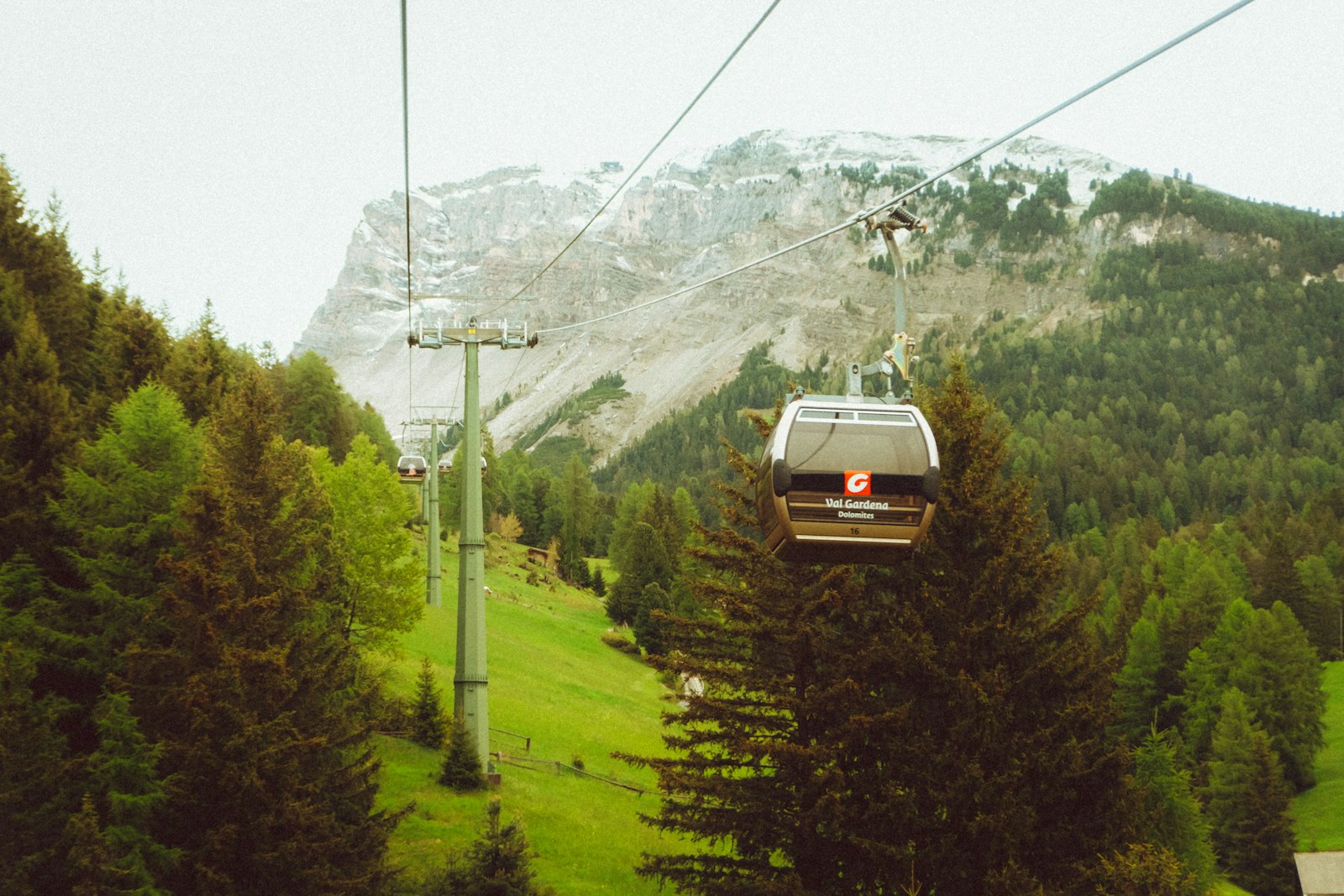
- Find the Funivia dell’Etna station. Look for Funivia, Biglietteria and Imbarco. The base station is in the Rifugio Sapienza complex on the south side of Etna.
- Scan or buy the correct product. With an online priority ticket, follow signs toward boarding rather than joining the sales queue unless staff direct you there.
- Ride to 2,500 metres. The cabin brings you to the upper station, where there is a panoramic terrace and a bar. Equipment rental is also available here.
- Decide whether to continue. Cable-only visitors can stop here. Full-tour visitors transfer to the upper-zone vehicle.
- Board the 4×4 bus or snowcat. In normal snow-free conditions this is a large off-road bus. In winter or snow conditions, the operator can use snowcats instead.
- Continue on foot with the guide. From the vehicle’s highest permitted stop, the group walks on volcanic terrain toward the authorized upper limit.
The whole Tour 3000 is currently advertised at about 2.5 hours. Do not schedule a tight bus, airport or train connection immediately afterward. A mountain operation can slow down because of wind, visibility, snow, volcanic restrictions or queues at the transfer point even when the system remains open.
Weather can stop one section without closing everything
Etna is not a single attraction with one front gate and one on/off switch. The cable car, the upper-zone vehicles and the guided high-altitude section can be affected differently.
Strong wind or bad weather may lead to a partial or total suspension at any time. The operator’s current terms also allow the means of transport to change for operational or weather reasons. A day can therefore look like any of these:
- the normal cable car runs to 2,500 metres and the upper tour also operates;
- the cable car operates but the higher 4×4 or guided section is restricted;
- the cable-car transport is replaced or altered for operational reasons;
- the whole service is suspended.
Volcanic activity can produce a similar split. The current terms say that after an alert from INGV or Civil Protection, high-altitude activity may be suspended while access only as far as 2,500 metres remains possible. That is why “the cable car is open” does not automatically mean “the 3,000-metre tour is running.”
Before leaving Catania, Taormina or another base, check the operator’s live Etna webcams. They show the 2,500-metre station and upper mountain conditions, which is far more useful than judging the day from a sunny hotel terrace at sea level. For volcanic monitoring rather than weather, use the INGV Osservatorio Etneo bulletins.
Refunds: do not assume bad weather gets your money back
The operator’s current public Terms of Sale are explicit: they say refunds are not granted for bad weather, atmospheric events or natural causes, volcanic activity, orders from competent authorities, technical or operational closures, or failure to use the ticket on the scheduled day. They also state that a change in the type of transport does not create a right to a full or partial refund.
There is, however, a second official ticketing-regulation page in the operator’s booking system that still contains different wording, saying refunds are available when tickets cannot be used because the installations are stopped for technical or service reasons for the entire validity period. Because those two official texts are not perfectly aligned, the safest approach is simple: read and save the terms linked from the exact checkout you are using before you pay. A screenshot or saved PDF is useful if you later need to challenge how your booking was handled.
Do not rely on a reseller’s cancellation promise as proof of the cable-car operator’s own refund policy. Third-party sellers can have different rules because they are selling their own booking product. If a flexible cancellation policy matters to you, compare the reseller’s terms with the operator’s direct terms before choosing where to buy.
What to do if the upper tour stops after you have already gone up
If you reach 2,500 metres and staff suspend the next stage, first find out whether the stop is temporary or whether the high-altitude section is finished for the day. Useful questions are:
- “Il tour fino a tremila metri è sospeso?” Is the tour to 3,000 metres suspended?
- “È una sospensione temporanea?” Is this a temporary suspension?
- “Il mio biglietto resta valido oggi?” Does my ticket remain valid today?
- “Posso fare l’upgrade più tardi?” Can I upgrade later?
If staff say the service will not resume, keep the ticket and any booking email, photograph any closure notice, and ask for written confirmation of what part of the service was unavailable. That matters because the published refund wording is restrictive and currently inconsistent across the operator’s own pages.
Do not try to bypass a closed upper-zone service by walking beyond the permitted route on your own. The maximum accessible altitude changes with volcanic and safety conditions, and the off-road road above 2,500 metres is not a public self-drive route.
Choose the cable-only ticket when flexibility matters most
The 2,500-metre option makes sense if your main goal is the cable-car ride, views and volcanic landscape without committing to the full upper excursion. It is also the more cautious choice on a marginal-weather day because the operator says you can upgrade after reaching the upper station.
Choose Tour 3000 if the high-altitude section is the main reason you are going. You are paying for a chain of three parts, not just a longer cable-car ride: cabin, off-road transport and guided walking. Build enough time into the day for all three.
If Etna is one stop in a wider eastern Sicily trip, the Italy on Foot trip planner can help keep the mountain day flexible so a weather change does not wreck the rest of your route.
Luggage, clothing and equipment
The operator’s terms allow mountaineering equipment and a small, non-bulky bag. Its experience pages specifically say large luggage is not allowed. Do not arrive with a full-size suitcase or airport roller expecting to take it into the cabin and upper-zone vehicles. Leave large bags at your accommodation, in your car if appropriate, or in proper storage before heading up.
Even in hot Sicilian weather, the upper mountain can be much colder and windier than Catania. Hiking shoes and a windproof jacket are the operator’s standard recommendation. Jackets, boots and poles can be rented at the 2,500-metre station, which is useful if you underestimated the temperature but less useful if the weather has already turned and everyone is trying to rent gear at once.
Drones are not allowed on the operator’s excursion. Dogs are listed as permitted with a leash and muzzle on the experience page, while the formal terms say pet transport remains subject to staff authorization. Bring both leash and muzzle and follow the transport staff’s instructions.
Children, pregnancy and reduced mobility
The current terms make children aged four and under free when accompanied by a paying adult, with a reduced fare for ages five to ten. Carry proof of age if the child is close to a fare boundary.
The operator advises against the high-altitude experience for people with heart or respiratory conditions, high blood pressure, and pregnant travelers. This is not just about walking difficulty. The rapid gain in altitude and exposure to cold and wind are part of the issue.
For reduced mobility, the operator says its upper-zone 4×4 buses are equipped for wheelchair users and that the base facilities include a stairlift. The 2,500-metre area is the easier part of the visit. If you use a wheelchair or need step-free transfers, contact the operator before buying the full tour and ask specifically about the day’s vehicle, boarding procedure and guided walking section. A substitute vehicle used because of weather may not create exactly the same boarding setup.
Italian words worth recognizing on the day
- Funivia: cable car.
- Biglietteria: ticket office.
- Imbarco: boarding.
- Stazione di monte: upper station.
- Bus 4×4 / fuoristrada: upper-zone off-road vehicle.
- Gatto delle nevi: snowcat.
- Guida vulcanologica: volcanological guide.
- Servizio sospeso: service suspended.
- Sospeso per vento / maltempo: suspended because of wind / bad weather.
- Quota massima consentita: maximum permitted altitude.
The most useful habit is to check conditions before paying, again before leaving for Rifugio Sapienza, and once more at the base station. Etna can change faster than your itinerary, and the ticket rules give the operator wide scope to alter or stop the service without automatically refunding you.