Organic wine tastings in Venice usually last between one and two and a half hours, with a host or sommelier introducing several wines and explaining their grapes, production methods and flavors. Some sessions include Venetian cicchetti, while others offer a more substantial food-pairing menu. You can attend a tasting in a historic-center wine bar, book a private session in a Venetian home or travel outside the city to visit an organic vineyard.
Before booking a wine tasting Venice visitors should check whether the wines are actually certified organic, how many glasses are included, who leads the session and whether food is part of the price. A tasting advertised as natural, biodynamic or sustainable does not automatically mean that every wine has organic certification. Ask for the proposed wine list or confirmation of the producers before paying.
What happens during a guided organic wine tasting?
Most introductory sessions are designed for visitors who enjoy wine but do not necessarily have any formal tasting experience.
The host introduces the wines, explains their origins and guides participants through observing their color, identifying aromas and comparing flavors. You may also learn about grape varieties, organic vineyard practices and the differences between the production methods used by the wineries.
A typical guided tasting follows this sequence:
- Meet the host: Arrive at the agreed wine bar, tasting room or private venue.
- Introduction: Learn about the selected wine regions, grape varieties and organic production methods.
- First tasting: Start with a wine chosen to introduce a particular style or grape.
- Compare the wines: Taste additional bottles and discuss their aromas, texture, acidity and finish.
- Food pairing: Try any included cicchetti, cheeses or other dishes alongside the wines.
- Questions: Discuss certification, winemaking techniques, serving temperatures and food pairings.
- Finish: Some hosts offer information about purchasing bottles, although purchases should be optional.
The experience may be conducted entirely at one table or include a short introduction to the neighborhood and its wine traditions.
Do not assume that the word guided means a professional sommelier will remain with your group for the entire session. Some wine bars provide an initial explanation and leave participants to compare the wines using written tasting notes.
Ask whether the host leads every tasting, answers questions throughout or provides a self-guided selection.
What does organic wine actually mean in Italy?
Organic wine is known as vino biologico in Italian. The term is regulated under European Union organic-production legislation.
Certified organic wine must be made using organically produced grapes and yeast, and its production must comply with additional restrictions on permitted substances and winemaking processes.
These requirements cover more than vineyard farming. They also affect how wine is made in the cellar.
For example, European organic wine rules prohibit certain winemaking treatments, including the use of sorbic acid and desulphurization, and impose lower maximum sulphite levels than those permitted for comparable conventional wines.
You can read the European Commission’s explanation of organic wine production for the regulatory details.
Organic certification does not mean a vineyard uses no plant-protection products whatsoever. Certain substances are permitted under organic rules, subject to restrictions.
It also does not guarantee that a wine tastes better, contains no additives or will cause fewer adverse effects from alcohol.
When booking, the useful question is whether the specific bottles being poured are certified organic, rather than whether the venue describes its general approach as sustainable.
How to recognize a certified organic wine
Italian wines sold as certified organic commonly display the European Union organic logo, a green rectangular symbol containing a leaf formed by white stars.
For eligible prepackaged organic products produced in the EU, the logo is normally compulsory. It appears with information identifying the relevant control body and the agricultural origin of the ingredients.
On an Italian wine label, you may see:
- Vino biologico: Organic wine.
- Logo biologico UE: The official European Union organic logo.
- Organismo di controllo: The certification or control body.
- IT-BIO followed by a number: A typical format for an Italian organic control-body code.
- Agricoltura Italia: Indicates that the agricultural ingredients originated in Italy.
The European Commission’s organic-logo guidance explains how the symbol and related information must be displayed.
During a tasting, ask to see the bottles if you want to check certification. A host should be able to identify the producer, wine and relevant organic status.
Certification may apply to some bottles in a producer’s range but not necessarily every wine it sells. Ask about the specific vintage and bottle being served.
If a tasting includes three wines and only one is certified organic, that is different from a session devoted entirely to certified organic production.
Organic, natural and biodynamic wine: what is the difference?
These descriptions often appear together on Venice wine-tasting websites, but they are not interchangeable.
Organic wine
Organic wine follows a regulated certification system involving the vineyards and winemaking process.
When a producer uses the organic designation, it must meet the applicable rules and certification requirements.
This makes the term useful for travelers specifically interested in verified organic production.
Natural wine
Vino naturale, or natural wine, generally refers to wine made with an emphasis on limited intervention during production.
Producers may use organically farmed grapes, spontaneous fermentation with indigenous yeasts and limited additions during winemaking.
However, natural wine does not have one uniform EU certification standard equivalent to the general organic wine scheme.
Different producers and private associations may apply different definitions.
A naturally made wine may also be certified organic, but the description alone does not prove it.
If a Venice tasting advertises natural wines, ask whether the actual bottles have organic certification or are being selected because of their winemaking philosophy.
Biodynamic wine
Biodynamic viticulture is based on agricultural principles that go beyond ordinary organic rules. Some growers use specific preparations and follow particular approaches to soil management and farming.
Private certification systems, including Demeter, may be used for biodynamic products.
However, a broad statement that a winery follows biodynamic practices should not be taken as proof of any particular certification.
Ask whether the selected wines are certified organic, biodynamic under an identified scheme or described as biodynamic by their producers without third-party certification.
Vegan wine
Vegan wine concerns the absence of animal-derived products in relevant winemaking processes.
Some conventional fining agents may be derived from milk, eggs, fish or other animal sources. Producers can choose alternative methods and materials.
A wine can be vegan without being organic, and organic certification does not automatically establish that the wine is vegan.
If vegan production matters to you, request confirmation for the actual wines served.
Orange wine
Orange wine generally refers to white-grape wine made with extended contact between the juice and grape skins.
The method can produce deeper color, more texture and different flavors from conventional white winemaking.
Orange wine can be organic, natural, biodynamic or conventionally produced. Its color and production style do not establish certification.
If your tasting includes an orange wine, ask about the grape variety, skin-contact period and whether the bottle has organic certification.
Does organic wine contain sulphites?
Yes, organic wine can contain sulphites.
Sulphites can develop naturally during fermentation, and limited additions are permitted in certified organic winemaking under the applicable rules.
Organic wines generally have lower permitted maximum sulphite levels than comparable conventional wines, but they are not automatically sulphite-free.
A wine described as senza solfiti aggiunti means no sulphites were added during production. That does not necessarily mean the finished wine contains no naturally occurring sulphites.
If you are sensitive to sulphites, do not assume organic wine is safe for you.
Ask the provider for the relevant bottle information and follow any medical advice applicable to your condition.
Wine labels must also communicate required allergen information. The European Commission’s wine-labeling guidance explains the current requirements for ingredient, nutritional and allergen information.
Some wines use a QR code for detailed ingredient information, while allergen declarations must remain available on the physical label as required by the regulations.
Three types of wine experiences available around Venice
The format you choose determines whether the experience is mainly about comparing wines, exploring local food or learning how grapes are grown.
1. A seated tasting in a Venice wine bar
This is usually the simplest arrangement for travelers staying in the historic center.
You meet the host at an enoteca, the Italian term for a wine shop or wine bar, and taste a selection of wines without traveling between venues.
Many sessions last approximately 60 to 90 minutes and include three or four wines.
Some provide cicchetti or a small platter of local food. Others focus almost entirely on the wines.
This format can work well for beginners because the guide can explain how to compare different styles in a relatively relaxed setting.
However, the venue may remain open to other customers during the experience. A reserved tasting table is not necessarily a private room.
Ask how many people will participate and whether the host stays with the group throughout the session.
2. A private guided tasting with food pairings
A private tasting normally reserves a guide or sommelier for your group and may include a more substantial food menu.
Some take place in historic Venetian apartments or dedicated dining rooms, while others are arranged privately inside a wine bar.
The host may select wines around a particular theme, such as organic Veneto wines, skin-contact whites or small independent producers.
A private experience is useful when you want more time to ask questions, have a particular interest in organic certification or prefer to compare a specific selection of wines.
However, the minimum booking charge can be considerably higher than for a shared tasting.
Ask whether the session is completely private, whether the wines can be customized and whether any food pairing menu is included.
3. A vineyard and winery tasting outside the city
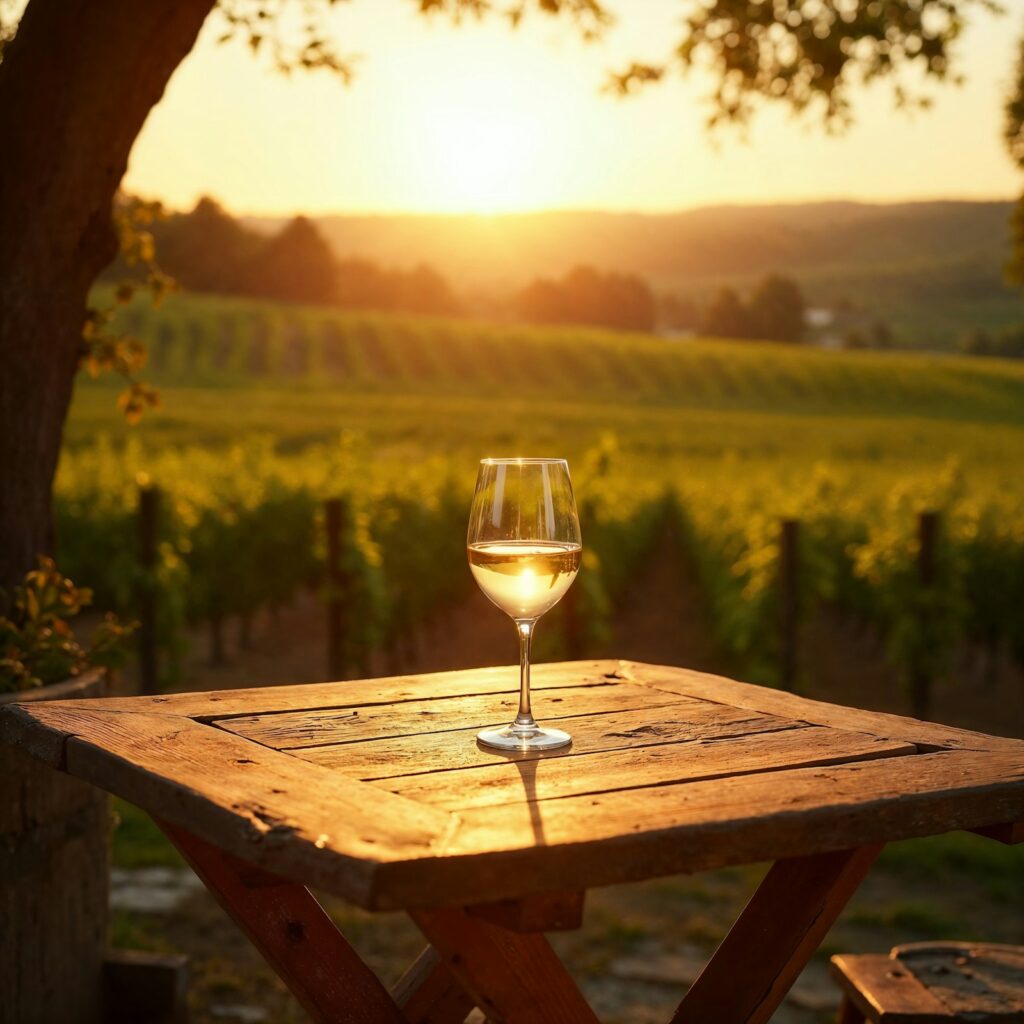
Venice’s historic center has wine bars and tasting rooms, but most working vineyards in the wider Veneto region are outside the city’s central islands.
If you want to walk through vines, see production equipment and discuss organic farming with the producer, a winery excursion may be more appropriate.
Some vineyard experiences include a cellar tour and several organic wines with local food.
However, a winery in the Metropolitan City or Province of Venice may be a substantial distance from the historic center. Do not assume that the word Venice in the address means you can reach it by a short vaporetto journey.
Before booking a producer-led experience, check the actual municipality, transport arrangements and whether a driver or station transfer is included.
If your main interest is tasting wine rather than touring the vineyard, staying within Venice’s historic center may be simpler.
How long should a guided tasting last?
The right duration depends on the number of wines, amount of commentary and whether the experience includes food or walking.
45 to 60 minutes
A shorter guided tasting may include three or four wines with a brief explanation of each.
This can be enough for a focused introduction to regional grapes and tasting technique.
However, it leaves limited time for discussing organic production in detail, comparing different vintages or eating a substantial meal.
Ask whether the host provides individual commentary on each wine or simply introduces the selection at the beginning.
90 minutes
A 90-minute tasting often provides a useful balance for beginners. It can include three wines, explanations of their producers and some paired food.
For example, a published natural-wine tasting in Cannaregio provides three wines and three Venetian cicchetti over approximately an hour and a half.
This format allows time to compare the wines without requiring an entire afternoon.
Two to two and a half hours
Longer sessions may include more extensive discussion, additional wines and a food menu designed around the tasting.
A private sommelier experience can also explore organic wine certification, regional grapes and food pairings in more detail.
These are suitable when wine education and conversation are the main reasons for booking.
Ask how many wines will actually be served. A longer session does not automatically mean more glasses, particularly when the package includes a substantial meal.
Half-day vineyard visits
When a tasting includes travel to a winery, a vineyard walk and a cellar visit, allow significantly more time.
The winery activity itself might last one or two hours, but transportation from Venice can occupy much of the day.
Check the total journey from your accommodation rather than relying on the advertised tasting duration alone.
Which wines should you expect to try?
Venice tastings frequently introduce wines from Veneto, Friuli Venezia Giulia and other Italian regions.
If you specifically want an organic tasting, the selection should be based on verified producers and bottles rather than simply famous regional wine names.
Organic Prosecco and other sparkling wines
Prosecco is commonly associated with the Veneto and Friuli Venezia Giulia regions. It is generally produced primarily from Glera grapes under the relevant protected wine designations.
Some producers make certified organic Prosecco, while others use conventional farming methods.
If a tasting advertises organic Prosecco, ask whether the specific sparkling wine is certified and whether the tasting includes Prosecco DOC or one of the applicable DOCG categories.
The protected designation indicates geographical and production requirements. It does not, by itself, establish organic certification.
Organic white wines from Veneto and Friuli
White wines may include varieties such as Pinot Grigio, Garganega, Friulano, Ribolla Gialla or other regional grapes.
These can provide opportunities to compare lighter, fresher styles with fuller or more textured wines.
Some producers use skin contact or other distinctive winemaking techniques, especially in the natural-wine category.
Ask whether the selection focuses on Veneto and Friuli or includes wines from other Italian regions.
A session described as Italian organic wines may provide an interesting range of bottles without necessarily concentrating on Venice’s regional wine traditions.
Red wines from Veneto
Possible red-wine styles include Valpolicella, wines made from Raboso and other regional varieties.
Some tastings include a structured red such as Amarone della Valpolicella, while others concentrate on lighter or less familiar wines from small producers.
Amarone is made using partially dried grapes and has a distinctive production process. Certified organic examples exist, but the name Amarone does not establish organic status.
If you particularly want to compare organic Valpolicella or Amarone, ask whether the relevant wines are included or available as an upgrade.
Wines connected with the Venetian Lagoon
The lagoon also has a small but important history of viticulture.
On Mazzorbo, close to Burano, vineyards cultivate Dorona, a historic local white grape associated with the Venetian Lagoon.
Some vineyard experiences explain how grape growing has adapted to the area’s unusual environment.
If you are particularly interested in lagoon-produced wine, ask whether the tasting features Dorona and whether it includes a vineyard visit.
Do not assume that a wine is certified organic simply because it comes from a small lagoon vineyard or is produced using environmentally conscious methods.
How to choose the number of wines
A beginner does not necessarily need an extensive tasting to learn something useful.
Three carefully selected wines can demonstrate major differences in grape varieties, production methods and styles.
For example, a tasting might compare an organic sparkling wine, a still white and a red. Another may concentrate on three wines made from the same grape by different producers.
Four to six wines can provide more opportunities for comparison, but the tasting should include enough time to discuss each bottle.
Ask whether the wines are served as tasting portions or full glasses.
There is no universal pour size across commercial tastings. Request the approximate amount served per wine if this matters to your plans.
Also confirm whether the host provides drinking water and a suitable opportunity to take breaks between samples.
What will the sommelier teach you?
A guided tasting should provide more than a list of wine names.
Depending on the format, the host may explain:
- How to examine a wine’s color and clarity.
- How to identify aromas without needing specialist vocabulary.
- What acidity, tannin, sweetness and body mean.
- How different grape varieties influence the wine.
- How organic vineyard management differs from conventional production.
- What spontaneous fermentation and other low-intervention techniques involve.
- How to read an Italian wine label.
- How serving temperature can affect a wine’s character.
- How different foods change the way wine tastes.
For an organic-focused session, ask whether the explanation specifically covers certification and winemaking practices.
Some hosts concentrate mainly on flavor and food pairings, while others discuss farming, soil management and cellar techniques.
Neither format is necessarily better, but the latter will be more relevant if the organic-production side of the experience is your main interest.
Does the person leading the tasting need to be a sommelier?
Some experiences are led by qualified sommeliers, while others are hosted by wine merchants, producers or staff with practical wine knowledge.
In Italy, you may encounter qualifications from organizations such as the Italian Sommelier Association, Associazione Italiana Sommelier, or other professional and educational bodies.
A formal qualification can indicate structured training, although it does not guarantee that a person is a good teacher or has particular expertise in organic wine.
Ask who leads the session and whether they have experience with the subjects that interest you.
If you want a technical explanation of organic certification, spontaneous fermentation or winemaking additives, a knowledgeable producer or wine specialist may provide more relevant detail than a general introductory tasting.
The most useful question is what the host will actually explain during the appointment.
What food is included with an organic wine tasting?
Many Venice tastings serve small plates rather than a full lunch or dinner.
These may include cicchetti, the small savory dishes traditionally associated with Venetian wine bars, or boards of cheese, cured meat and other regional products.
Common options include:
- Baccalà mantecato: Creamy salt-cod spread, often served on bread or polenta.
- Sarde in saor: Sardines prepared with sweet-and-sour onions, sometimes raisins and pine nuts.
- Polpette: Small meat, fish or vegetable patties.
- Local cheeses: Served with bread, crackers or seasonal accompaniments.
- Cured meats: Salumi selected to accompany particular red wines.
- Vegetable cicchetti: Seasonal vegetables, spreads or small prepared dishes.
Ask whether food is provided with every wine or only at the beginning of the session.
A tasting with three cicchetti usually provides a light snack rather than a substantial meal. If you are booking around lunchtime or dinner, check whether you should eat beforehand.
Also distinguish locally sourced food from certified organic food. A description such as chilometro zero, meaning locally sourced, does not prove the ingredients have organic certification.
If both organic wine and organic food matter to you, ask about the certification or sourcing of each separately.
Vegetarian, vegan and allergy considerations
Venetian food pairings can contain several common allergens, including fish, shellfish, wheat, milk, eggs and nuts.
Some cured-meat and cheese boards are unsuitable for vegetarian or vegan guests without substitutions.
For vegan participants, ask about both the wine’s production and the food menu. A vegetarian cicchetto containing cheese may still be unsuitable, and a vegan wine does not mean its accompanying food is vegan.
For celiac disease, check the preparation arrangements rather than simply requesting gluten-free bread.
Cross-contact can occur through shared cutting boards, knives, preparation surfaces and ingredients handled at a busy wine bar.
For a serious food allergy, send the provider a detailed explanation before booking and request written confirmation of whether the proposed tasting can be managed safely.
If your concern is sulphites or another wine-related substance, ask for the particular bottle information as well.
Do not assume that an organic wine tasting is automatically suitable for people with allergies or dietary restrictions.
Where do guided tastings take place in Venice?
Wine tastings are available in several historic-center neighborhoods, including Dorsoduro, San Polo and Cannaregio.
The setting affects the atmosphere, group size and how much travel is required.
Dorsoduro
Dorsoduro has traditional wine bars, small dining venues and private apartments used for food-and-wine experiences.
Some private tastings are arranged in residential buildings rather than commercial wine shops.
For example, More in Venice advertises wine tastings in a Venetian setting associated with Campo San Pantalon. Its booking information identifies Dorsoduro 3707 as the venue address.
When booking a session in a private building, ask for the exact entrance and floor. Historic Venetian buildings can have narrow stairs, and not every venue has a lift.
Cannaregio
Cannaregio has wine bars along its canal-side streets and more residential areas away from the busiest sightseeing routes.
A natural-wine tasting currently listed through Winera takes place at Bea Vita on Fondamenta de le Capuzine 3082.
This is a seated tasting in a wine bar rather than a vineyard visit.
If you are staying near the railway station or northern part of Venice, this type of location may be easier to reach than a session in another district.
San Polo and the Rialto area
San Polo has wine shops, enoteche and traditional bacari within walking distance of Rialto Market.
Some hosted tastings take place at a single venue, while others combine several stops and a short walking route.
If your tour begins at a wine shop near Rialto, confirm whether the experience stays there or continues through nearby streets.
Venice’s district-based street numbering can be confusing. Request the full address and an exact map pin rather than navigating only to the name of the district.
How far will you walk?
A seated wine tasting may involve no walking beyond reaching the venue. A bacaro-style tasting tour can involve several stops and a considerably longer route.
When a listing includes wine and a guided walk, ask for the approximate distance and the neighborhoods covered.
A route passing through Dorsoduro and San Polo may involve several bridges, uneven paving and narrow streets.
For someone with reduced mobility, the amount of standing can matter as much as the distance.
Ask whether all tastings take place seated and whether the venue has accessible restrooms.
Some wine bars have only stools, narrow doorways or toilets reached by stairs.
A listing described as wheelchair accessible should be checked against the actual entrance, table arrangement and restroom facilities before booking.
How much do guided organic wine tastings cost?
Prices depend on the number of wines, food, group size and whether the appointment is private.
Current published examples from October 2026 illustrate the differences between formats.
A shared natural-wine tasting with cicchetti
Winera currently lists a 90-minute tasting at Bea Vita in Cannaregio for €49 per adult. The advertised experience includes three natural wines, three Venetian cicchetti and explanations in English or Italian.
The published booking conditions allow two to twenty participants, with advance booking requested at least two days before the experience.
The listing uses the natural-wine description, which should not be taken as proof that every bottle is certified organic. Ask for the proposed wines if certification is essential.
A longer private wine tasting with food
More in Venice currently advertises a private guided tasting featuring three wines selected monthly, with food pairings created by the host’s chef.
Its official booking page lists a price of €145 per person. The provider also publishes a minimum booking amount of €580, applying to groups smaller than four.
Its current information describes an evening event beginning at 6 p.m. and finishing around 8 to 8:30 p.m. The booking system identifies a two-and-a-half-hour service, while another display shows 180 minutes, so confirm the actual end time.
The company’s homepage calls the experience an organic wine tasting, but the detailed tasting description does not identify the specific wines or their certification. If you require all three wines to be certified organic, obtain confirmation of the selected bottles before booking.
Producer-led organic tastings outside Venice
For a different type of experience, wineries in the wider Veneto region offer guided tastings at the place where the wine is produced.
As a published example, Le Carline in Pramaggiore, in the Metropolitan City of Venice, offers an approximately one-hour tasting of five organically produced wines without added sulphites, paired with local food.
A package listed through SharryLand is advertised from €50 for a tasting for two, including two bottles to take away. Confirm the current package price, inclusions and participant arrangements before reserving.
Pramaggiore is well outside Venice’s historic center. This is a countryside winery visit requiring a separate travel plan rather than a convenient walk from Rialto.
These examples are not a standard price list for Venice. They represent individual advertised offers, and 2027 prices and availability should be checked again.
How to compare prices properly
A €49 shared tasting and a €145-per-person private session are different services.
The cheaper package may provide several wines and snacks at a bar shared with other participants, while the private experience reserves a host and venue arrangement for your group.
Before comparing the total, check:
- Whether the price is per person or per private group.
- Any minimum charge or minimum number of participants.
- The number of wines served.
- The approximate amount of wine poured.
- Whether every bottle is certified organic.
- The number and size of food pairings.
- Whether the tasting is seated or includes walking.
- Whether a dedicated sommelier leads the entire session.
- Whether the venue is private or open to other customers.
- Whether water and non-alcoholic drinks are included.
- Any taxes, service fees or booking charges.
If the advertised price is only a starting rate, request the complete amount for your actual group.
Some private bookings require payment for four people even when only two will attend. That can change the price considerably.
Private session or shared tasting?
A shared tasting generally costs less and can be suitable for beginners who are comfortable following a set selection of wines.
You may also enjoy discussing the wines with other visitors, particularly when the group is small.
A private tasting becomes more useful when you have specific interests, such as certified organic production, biodynamic techniques or comparing several vintages from the same producer.
It may also allow greater flexibility over the wines, commentary and food pairings.
However, customization should not be assumed. Some private experiences still use a fixed selection because the wines and food have been planned in advance.
Ask whether the host can adjust the lineup and whether that would change the price.
For a couple mainly wanting to taste three wines and learn the basics, a private booking with a substantial minimum charge may be unnecessary.
What if you want a proper vineyard visit?
A seated wine tasting in Venice is convenient, but it does not show you how organic grapes are cultivated.
If walking through vineyards and visiting a working cellar matter to you, consider a producer-led tasting outside the city.
The wider Veneto region has wineries using certified organic methods, including producers in eastern Veneto and the areas around Treviso and other wine-growing districts.
On Mazzorbo, a vineyard visit can introduce the unusual history of growing grapes within the lagoon itself, although the certification status of the particular wines must still be checked.
The travel arrangements differ greatly between destinations.
For Mazzorbo, you can use public lagoon transport toward Burano and walk to the adjoining island. For countryside wineries, you may need a train, taxi or private driver.
Do not assume that a winery provides transport from central Venice.
If you intend to drink during the tasting, arrange the return journey before the appointment rather than relying on driving yourself afterward.
Can children accompany adults?
Some guided wine tastings allow children to accompany their parents, while others are restricted to adults.
Italy prohibits the sale and serving of alcoholic beverages to people under eighteen, as explained by the Italian Ministry of Health.
A provider may permit children to attend with juice, water and suitable food, but this depends on the venue and booking terms.
For example, the published Bea Vita natural-wine experience accepts children from age seven and lists non-alcoholic drinks for minors. Other adult-focused tastings may set a minimum age of eighteen.
Before booking with children, ask:
- Are minors allowed to attend?
- Is there a minimum age for accompanying children?
- Is a reduced child price available?
- Are non-alcoholic drinks and food included?
- Is suitable seating available?
- Does the tasting involve long explanations requiring children to remain quiet?
A one-hour daytime tasting may be more manageable for families than an extended evening session.
If several adults wish to participate while one child needs supervision, agree on the arrangement beforehand. A sommelier hosting a tasting should not be assumed to provide childcare.
Should you eat before the tasting?
This depends on the amount of food included.
A package with three small cicchetti generally provides a snack rather than a full meal. A private session featuring several prepared courses may be more substantial.
Ask whether you should arrive after lunch or whether the food served during the tasting is intended to replace dinner.
If you are sensitive to alcohol, it is sensible to eat beforehand and pace your tasting. Water should also be available throughout the experience.
Some professional tastings provide spittoons, allowing participants to assess wine without swallowing every sample.
If you would prefer to spit or leave some wine unfinished, ask whether suitable equipment is available. There is no requirement to finish every glass.
Organic certification does not reduce the alcohol content or eliminate the effects of drinking. Check the strength of the wines, particularly when the selection includes richer red wines or dessert styles.
What should you wear and bring?
Most seated wine tastings have no special dress code. Comfortable clothing is suitable unless the operator specifies a more formal setting.
For a tasting involving several wine bars, wear practical shoes because Venice’s streets and bridges can be uneven.
Bring the booking confirmation and any identification requested by the venue.
Fragrance can interfere with identifying wine aromas, so avoid applying strong perfume immediately before a tasting that emphasizes sensory analysis.
If you use reading glasses, bring them. Reading small labels and written tasting notes may be part of the session.
For an outdoor vineyard visit, footwear and clothing requirements are different. You may need shoes suitable for gravel, soil and uneven paths.
Ask whether the tasting has indoor seating in case of rain or cold weather.
How to fit a tasting into your Venice itinerary
A seated wine tasting can fit into an afternoon or early evening without taking up the entire day.
For a session in Cannaregio, you might arrange sightseeing in the northern historic center beforehand. A tasting in Dorsoduro can work after visiting nearby churches, galleries or other attractions.
If the experience includes substantial food, you may not need a separate restaurant booking immediately afterward.
Ask for the exact finishing time before making another reservation. A private tasting with an extended food menu may run longer than a simple one-hour wine flight.
You can use the Italy on Foot trip planner to organize the appointment alongside Venice sightseeing, meals and transport. Record the exact tasting address rather than only the neighborhood, since Venice’s numbered buildings and canal-side entrances can be difficult to find.
For more information about local food that may accompany the wines, see the Italy on Foot guide to traditional Venetian dishes and cicchetti.
If your tasting finishes after dark, plan a comfortable return to your accommodation. Walking is practical through much of central Venice, while public water buses can be useful for longer journeys.
Our guide to getting around Venice explains the city’s walking routes and vaporetto connections.
Booking for 2027: what should you reconfirm?
Wine selections, menus, prices and available session times can change throughout the year.
Some hosts choose new wines each month, meaning a tasting advertised for a particular organic producer may feature different bottles by the time you visit.
If you are booking for 2027, obtain the current wine selection and price for your actual date.
Ask whether the wines have already been confirmed or whether the host selects the bottles shortly before the appointment.
For winery visits, opening schedules may also vary around harvest, public holidays and seasonal closures.
Do not assume that an event listed for 2026 or a one-off producer tasting will automatically return in 2027.
Some venues have fixed daily sessions, while private hosts may arrange appointments only when the required minimum number of guests is reached.
How far ahead should you book?
A standard shared tasting may have availability relatively close to the date, while a private session can require more advance planning.
For example, the Bea Vita tasting listed through Winera asks visitors to book at least two days in advance.
Other venues recommend booking earlier, especially for larger groups or appointments involving a private sommelier and food preparation.
If you want a particular producer or a tasting featuring only certified organic wines, give the host enough notice to confirm the bottles.
For groups, ask whether the minimum charge or price changes when the final number of participants is confirmed.
Do not assume an enquiry automatically reserves the tasting. Wait for written confirmation identifying the date, time, venue and payment arrangements.
Cancellation, deposits and late arrival
Cancellation rules differ between private experiences, shared tastings and winery appointments.
For example, Winera’s published Bea Vita tasting currently advertises free cancellation until 24 hours before the start.
Other private sessions may require a larger deposit or have stricter cancellation terms because the host and food preparations are reserved exclusively for your group.
Before paying, ask what happens if:
- Your travel plans change.
- Your train or flight is delayed.
- You cannot find the venue on time.
- The host or sommelier becomes unavailable.
- The advertised wines are substituted.
- A specific certified organic bottle is unavailable.
- The minimum number of participants is not reached.
- Your group size changes.
- The provider cannot accommodate an agreed dietary requirement.
- You need to move the appointment to another date.
If a certified organic selection is a condition of your booking, ask what happens when the producer or bottle changes.
A substituted natural wine without organic certification may not meet the requirement you originally agreed on.
Also check the late-arrival procedure. A shared tasting may begin on time, leaving less time for anyone who arrives late. A private host may be able to adjust the schedule, but that flexibility should be agreed rather than assumed.
When a guided tasting may not be necessary
If you simply want to drink a glass of organic wine with a few Venetian snacks, you may not need a formal guided session.
Some enoteche and bacari offer organic or natural wines by the glass. You can ask about the producer, check the bottle and order the quantity you want.
This can be more flexible and less expensive than paying for an organized tasting.
However, ordinary wine-bar service may offer little structured explanation. Staff may be busy serving other customers, and the available organic selection can change daily.
A guided tasting becomes more useful when you want to compare several wines, understand the certification and production methods, or learn how to pair different styles with Venetian food.
If you particularly want vineyard access and to speak with a producer about farming practices, a winery visit outside central Venice is more appropriate than a standard wine-bar tasting.
Questions to ask before booking an organic wine tasting
Send the provider your preferred date, number of guests and whether certified organic production is essential to your choice. Before paying, confirm the following details:
- Are all wines served during the tasting certified organic?
- Can you provide the names of the producers and wines?
- Will the bottles display the relevant organic certification information?
- Are the wines selected because they are organic, natural, biodynamic or a combination?
- Will the host explain organic certification and vineyard practices?
- How many different wines are included?
- What is the approximate serving size of each tasting?
- Will the selection include sparkling, white, red or orange wine?
- Are the wines mainly from Veneto and Friuli, or from other Italian regions?
- Does a sommelier or wine specialist lead the entire session?
- Is the tasting suitable for beginners?
- Will there be time to ask individual questions?
- Is the experience seated at one venue or does it involve walking between wine bars?
- What is the exact meeting address?
- Is the group private or shared with other participants?
- How many people can attend?
- Does the booking have a minimum group charge?
- Is food included, and how substantial are the portions?
- Can you provide the planned food-pairing menu?
- Can you accommodate our specific allergies or dietary restrictions safely?
- Are water and non-alcoholic drinks provided?
- Can children accompany adults, and what age restrictions apply?
- Is the venue accessible for someone with reduced mobility?
- How long is the tasting, including food and discussion?
- What is the total price, including taxes, service and any booking fees?
- Are additional glasses or bottles optional purchases?
- What happens if one of the advertised wines is unavailable?
- What are the cancellation, rescheduling and late-arrival conditions?
For most beginners, a seated 60- to 90-minute tasting with three or four wines and a knowledgeable host is enough to learn the basics of comparing different styles. A longer private session makes more sense when you want to discuss organic farming, specific producers and food pairings in detail. Choose a vineyard excursion if seeing the vines and production facilities is central to your interest.
Before confirming, ask for the proposed bottle selection and how its organic status is verified. That is the most important distinction in this type of booking. A tasting can be informative and enjoyable while featuring natural or sustainably produced wines, but if certified organic wine is what you want, the actual bottles should meet that requirement and the host should be able to confirm it.