Small-group wine tours from Florence usually take you into the Chianti countryside by minivan or minibus, with visits to one, two, or three wineries and guided tastings along the way. Most half-day experiences last around four to five hours, while tours including a winery lunch typically take six to eight hours. The details worth checking before booking are the maximum group size, which wineries you will actually visit, whether lunch is included, and where the vehicle departs from Florence.
A Chianti wine tour from Florence is a practical way to visit rural wine estates without renting a car or arranging separate transport between vineyards. However, the term “small group” varies considerably between operators, and a tour described as including winery visits may offer a different experience from one with vineyard walks, cellar tours, and tastings led by the producer.
What Counts as a Small-Group Wine Tour in Chianti?
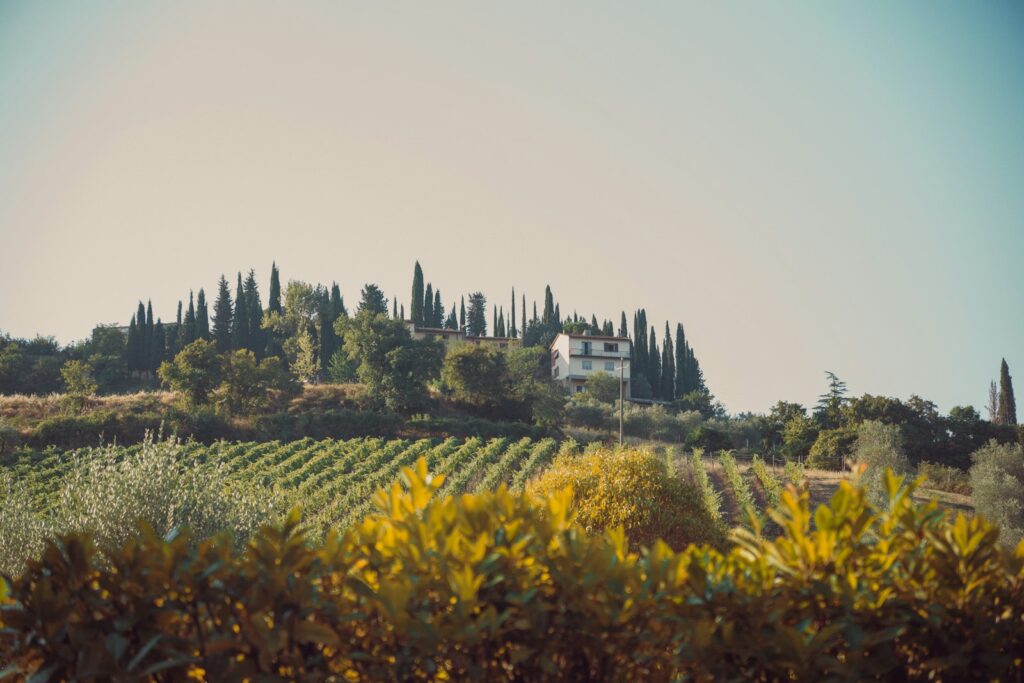
There is no single group-size limit used by every tour operator. Some experiences cap participation at six to eight people in a minivan, while others advertise small-group departures with up to 25 participants.
That difference affects how the day feels, particularly at wineries with limited space or when several people want to ask questions during a tasting.
- Six to eight participants: Usually a minivan-based experience with a smaller tasting group and relatively simple boarding arrangements.
- Nine to sixteen participants: Often a minibus or larger vehicle, with more people sharing the guide’s attention. The precise format depends on the operator.
- Seventeen to twenty-five participants: Sometimes marketed as small-group tours, although the experience may resemble a conventional organized excursion.
A maximum of eight people is a useful target if you want a smaller, more conversational experience. Current Florence operators offer tours with that limit, although larger-group departures can still provide worthwhile winery visits.
Check the wording carefully. “Maximum eight guests” should refer to the total number of customers joining your departure, rather than eight people per vehicle in a convoy of several vehicles.
Also distinguish between the number of travelers on the bus and the number participating in the winery tasting. Some estates receive multiple visiting groups, and an operator may not guarantee an exclusive tasting room.
Half-Day or Full-Day Chianti Tour: Which Is Better?
The duration largely determines how much time you spend inside wineries compared with traveling through the countryside.
Half-day tours: approximately four to five hours
A typical shorter experience includes round-trip transportation from Florence, two winery stops, guided tastings, and perhaps a brief introduction to local olive oil or food pairings.
This works well when you want an introduction to Tuscan wine but also have plans in Florence later that day.
However, half-day tours can be quite structured. Once you allow for traveling out of Florence and returning, the time available at each estate is limited.
Ask whether both wineries include guided cellar visits or whether one stop consists mainly of a tasting. Also check whether food means a few snacks or a proper meal.
Full-day tours: approximately six to eight hours
Longer excursions commonly combine two or three wineries with a Tuscan lunch, more detailed tastings, or a stop in a village such as Greve in Chianti, Castellina in Chianti, or another location along the route.
These tours make more sense if your main interest is wine production, the differences between estates, and spending time in the countryside.
Three wineries do not automatically make a tour better than two. A day with two substantial visits, knowledgeable hosts, and a relaxed lunch may offer more useful wine education than three hurried tastings.
Check how much time is allocated to each stop rather than relying only on the number of wineries advertised.
What Happens at the Wineries?
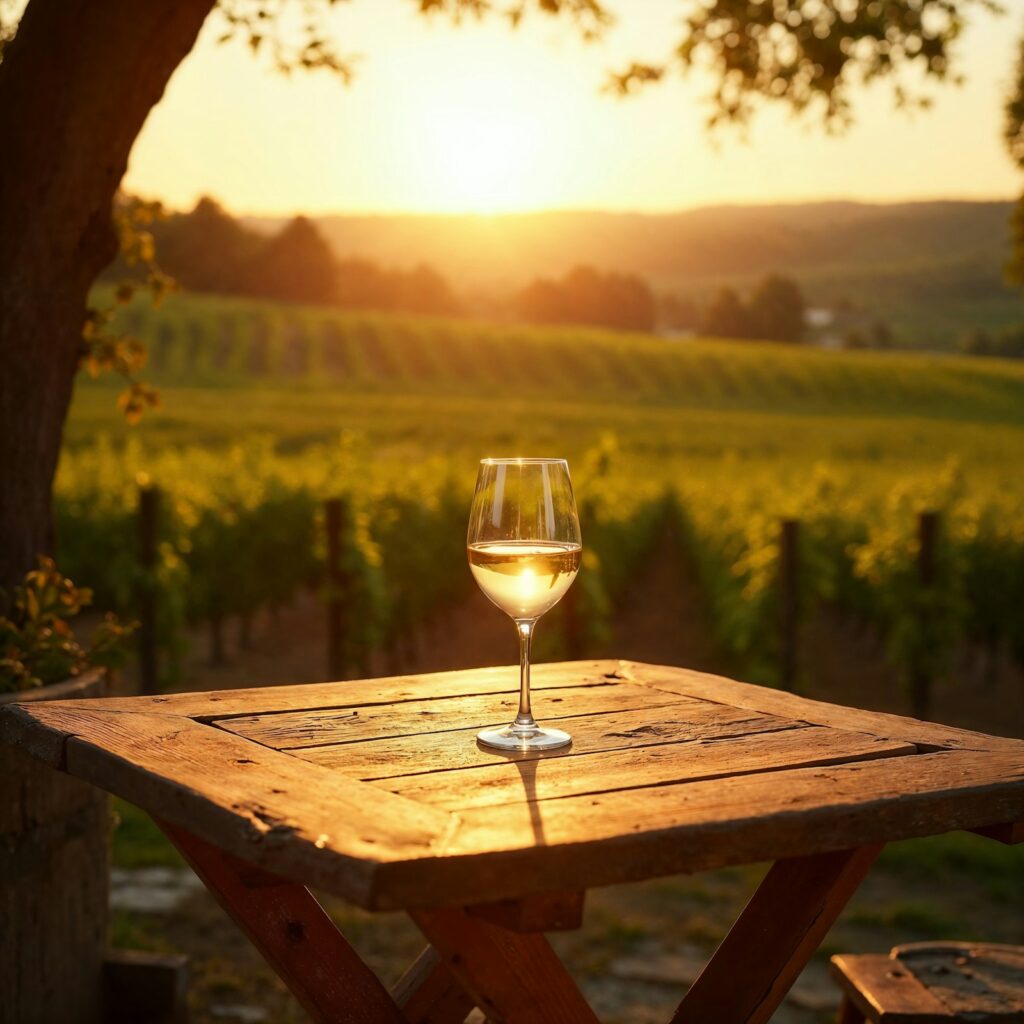
Winery visits vary widely, even among similarly priced tours. One experience may take you into a working cellar and explain fermentation and aging, while another focuses on wines served in a dedicated tasting room.
A more detailed estate visit may involve:
- Arrival and introduction: A winery representative explains the estate’s history, vineyards, and production style.
- Vineyard visit: Depending on the weather, season, and itinerary, guests may see vines and discuss grape varieties.
- Cellar visit: The host explains the production and aging process, potentially showing fermentation tanks, barrels, or storage facilities.
- Guided tasting: Several wines are introduced, sometimes with explanations of grape varieties, aging categories, and food pairings.
- Optional purchases: Visitors may have the opportunity to buy bottles or arrange shipping.
A tour may include only some of these activities. Outdoor vineyard walks can also be omitted during poor weather, agricultural work, or harvest operations.
If seeing how wine is made matters to you, look for explicit wording such as visita della cantina (cellar visit), visita ai vigneti (vineyard visit), and degustazione guidata (guided tasting).
Check whether the wineries are named
Some operators publish the estates included in the itinerary, while others describe them generally as family-owned, boutique, organic, or historic wineries.
An unnamed winery does not necessarily mean a poor experience. Operators sometimes rotate estates based on availability, opening days, or seasonal arrangements.
Nevertheless, ask whether the wineries can be identified before booking and whether substitutions are possible.
Useful questions include:
- Are these working wine producers or tasting venues serving wines from several estates?
- Will we visit the production cellar, or only the tasting room?
- Is the tasting hosted by winery staff or the accompanying tour guide?
- Are the wineries confirmed for our specific date?
- Can an estate be substituted without advance notice?
These questions help distinguish a proper production-focused visit from a shorter wine-sampling excursion.
Chianti vs Chianti Classico: Know What You Are Booking
Not every tour described as visiting Chianti concentrates on the Chianti Classico production area.
Chianti and Chianti Classico are distinct protected wine denominations with their own production rules. The historic Chianti Classico area lies between Florence and Siena and includes places such as Greve, Radda, Castellina, and Gaiole in Chianti.
Chianti Classico bottles carry the familiar Gallo Nero, or Black Rooster, symbol. Its wines must contain at least 80% Sangiovese grapes under the denomination’s production rules.
You can find the official production-area information on the Chianti Classico Consortium website.
Some tours also include Super Tuscan wines. This is a commonly used description for certain Tuscan wines made outside traditional denomination formulas or using different grape combinations. It is not itself an official DOCG classification.
For an introduction to the region, tasting several styles can be interesting. For someone particularly interested in traditional Chianti Classico, the wine selection and location of the estates deserve more attention.
Do not assume that every wine poured on a Chianti countryside tour will be labeled Chianti Classico DOCG.
How Many Wines Will You Taste?
A typical guided winery tasting might present three or four wines, although some tours offer more and others fewer. If the itinerary includes multiple estates, the total number of pours can add up quickly.
Before comparing packages, ask whether the advertised number represents individual wines or tasting sessions.
For example, “three wine tastings” could mean three individual wines or three separate guided tasting experiences at different establishments. The description should make that distinction clear.
Ask also about the approximate pouring format and whether guests are expected to finish each glass. You can decline a wine, leave part of a pour, or ask for somewhere to discard it. Drinking every sample is unnecessary.
Water should be available during the experience, but confirm whether it is included in the quoted price. Non-alcoholic alternatives should also be discussed in advance if someone in the group does not drink.
What Food Is Included With a Chianti Wine Tour?
The difference between a light tasting snack and an included lunch can be substantial.
Some shorter tours provide bread, cheese, cured meats, or olive oil tasting. Others include a seated meal with several courses, often paired with estate wines.
Typical Tuscan foods might include pecorino cheese, salumi (cured meats), bruschetta, pasta, seasonal vegetables, and regional dishes. The actual menu depends on the winery and package.
Ask whether the listed food is:
- A small tasting accompaniment.
- A light lunch or shared tasting platter.
- A seated, multi-course lunch.
- A meal with additional drinks included.
If the departure is in the morning and lunch is not provided, consider eating beforehand or carrying a snack for the journey.
Vegetarian meals may be straightforward to arrange, but vegan, gluten-free, and allergy-related requirements should be confirmed before payment. A meal prepared for a group may not be easily modified after arrival.
For serious allergies or coeliac disease, ask the actual food provider about ingredients and cross-contact procedures. A tour operator’s general assurance that dietary needs can be accommodated may not establish that a particular kitchen is suitable.
Pickup in Florence: Hotel Collection or Central Meeting Point?
Most shared wine tours use an established departure point rather than collecting every guest from their accommodation.
Common departure arrangements include meeting near the historic center, at an operator’s office, or at a location that allows the tour vehicle to board passengers without entering restricted streets.
Published meeting points vary. Some wine tours depart from the Oltrarno area near Porta Romana, while others use locations near the Arno or the northern side of central Florence.
There is no single Florence departure point for all Chianti excursions.
Why hotel pickup is not always possible
Florence has a Zona a Traffico Limitato (ZTL), a restricted traffic area covering much of the historic center. Vehicle access depends on the applicable authorization, location, and traffic restrictions.
The city’s official tourism service explains these arrangements in its Florence ZTL information.
This means even a tour operator offering hotel collection may arrange to meet you at a nearby accessible street rather than directly outside the hotel entrance.
A hotel located in the pedestrianized historic center may be only a short walk from the designated departure point, but a hotel in a more distant neighborhood can require a longer transfer.
Check these details before booking:
- Exact meeting address: Request the street name, civic number, and a map pin.
- Check-in time: Some operators require arrival 10 to 15 minutes before departure.
- Identification: Find out whether the vehicle has a company name or if a staff member checks passengers in.
- Return location: Confirm whether the tour ends at the original departure point.
- Hotel pickup: Ask whether it is included, available for a supplement, or restricted to private tours.
Florence also uses red and black civic numbers on some streets. If the address includes a red number or the letter r, keep that detail in your navigation instructions because the corresponding black number may refer to a different entrance.
How Long Is the Drive From Florence to Chianti?
The first winery’s location determines the journey. Estates on the northern edge of the region may be reached relatively quickly, while properties near Castellina, Radda, or Gaiole require more time on country roads.
For planning purposes, allow approximately 40 to 90 minutes for many Florence-to-Chianti winery journeys, depending on the route, starting point, traffic, and destination. Some estates can fall outside that range.
The vehicle may travel along the SR222, commonly called the Chiantigiana, or use other regional roads to reach particular estates.
The drive includes winding sections, hills, and smaller rural roads. Travelers prone to motion sickness may prefer a front-facing seat near the front of the vehicle, although seat selection is not always guaranteed.
For an afternoon tour, avoid scheduling a restaurant reservation or train departure too close to the advertised return time. Traffic entering Florence can make the final part of the journey less predictable.
Children, Luggage and Accessibility
A small-group tour can be convenient for couples and adults traveling together, but family and accessibility policies differ significantly.
Children and teenagers
Some wine-focused excursions have minimum-age requirements, while others welcome families and provide non-alcoholic drinks.
Confirm the age policy before booking, especially for infants or teenagers. If younger passengers are accepted, ask about the appropriate child restraint, food arrangements, and whether a discounted ticket includes the same activities as an adult ticket.
A winery visit can also involve stairs, agricultural surfaces, and periods of listening while adults taste wine. Consider whether the total duration is suitable for your children.
Luggage and backpacks
Small vehicles have limited luggage capacity. A normal day bag is usually easier to accommodate than a large suitcase, but even backpacks may need to stay in the vehicle during certain visits.
If you plan to join a tour on your hotel checkout day, ask the operator whether your suitcase can travel with you. Do not assume there will be room for several large bags in an eight-passenger minivan.
Leaving luggage with your accommodation or at an established storage facility in Florence is often simpler.
Reduced mobility
A vehicle with comfortable seating does not guarantee that the wineries are fully accessible.
Historic estates may have gravel courtyards, sloping paths, underground cellars, stairs, and uneven floors. Vineyard paths can also be difficult for someone using a wheelchair or walking aid.
Ask separately about vehicle boarding, wheelchair storage or securement, step-free access to each tasting area, and accessible toilets. If any planned estate cannot accommodate your needs, request a suitable alternative before paying.
What Is Normally Included in the Tour Price?
Small-group wine excursions are generally sold at a per-person rate. The price is influenced by the length of the day, number of wineries, group size, food, guide services, and transport arrangements.
Packages with multiple estate visits and a full winery lunch often cost more than shorter excursions with tastings and snacks.
A useful comparison should cover:
- Round-trip transport from the stated Florence departure point.
- Maximum group size and type of vehicle.
- Driver and guide services, including the language used.
- Number of wineries and guided visits.
- Number of wines or tasting sessions.
- Lunch or food pairings, if provided.
- Water and non-alcoholic drinks.
- Additional charges for pickups, special arrangements, or extra tastings.
- Cancellation conditions and applicable taxes or fees.
A lower-priced tour may suit someone interested mainly in seeing the countryside and trying local wine. For visitors who want longer discussions with producers, smaller groups and more substantial cellar visits may justify a higher cost.
Focus on what is included in the finished itinerary rather than the headline price alone.
How to Book and What to Confirm in Writing
Before reserving, compare the complete itineraries of two or three operators and check whether the group limit, winery format, and food arrangements match your priorities.
The actual booking process is usually straightforward:
- Choose the date and duration. Decide whether you prefer a half-day introduction or a longer experience with lunch.
- Check group availability. Confirm the departure is operating and whether the advertised maximum applies to your specific booking.
- Review the wineries. Identify which visits are confirmed, what is included at each estate, and whether substitutes are possible.
- Declare special requirements. Send dietary, child-seat, accessibility, and other relevant information before making a non-refundable payment.
- Review payment terms. Check whether the full amount is charged immediately or a deposit is collected, and when any balance is due.
- Save the confirmation. Keep the pickup location, check-in time, operator contact details, and refund conditions accessible offline.
A useful enquiry could read:
“We are two adults interested in a small-group Chianti wine tour departing from Florence. Could you confirm the maximum number of participants, winery names, whether cellar visits and lunch are included, and the exact departure and return locations? Please also let us know your cancellation policy and whether the wineries may change.”
If the operator cannot confirm its advertised group limit or explain what happens when a winery becomes unavailable, seek clarification before purchasing.
Cancellation Policies, Weather and Winery Changes
Refund rules vary by operator and booking platform. Some tours allow free cancellation until a stated deadline, while others impose partial charges or stricter conditions.
Pay particular attention to the minimum-participant requirement. A small-group departure may need a certain number of bookings before operating.
If the minimum is not reached, the company might offer another date, a different tour, or a refund according to its terms. You should not assume an automatic private upgrade.
Weather presents another potential complication. Wine tastings can generally take place indoors, but vineyard walks may be shortened or replaced when conditions are wet or unsafe.
During the autumn harvest, wineries may also adjust visiting arrangements because production activities take priority. This can affect access to certain cellar areas without necessarily preventing tastings.
Before paying, check what happens if the provider cancels, you cancel, a winery changes, or rain prevents an outdoor activity. These situations may be handled differently.
For 2027 visits, some operators have already published seasonal dates, but individual winery availability and final arrangements should still be confirmed for the exact departure. Do not assume a schedule published for a previous season applies unchanged.
When Is the Best Time of Year for a Chianti Winery Tour?
Wine tastings operate in different seasons, although the atmosphere of the countryside changes throughout the year.
Spring: Vineyards begin their growing cycle, temperatures are often comfortable for outdoor visits, and the countryside is green. Rain remains possible.
Summer: Vineyard landscapes are lush, but midday heat can make outdoor activities tiring. Air-conditioned transport and drinking water are especially useful.
Autumn: Grape harvesting, called vendemmia, generally takes place around late summer and autumn depending on weather, grape varieties, and the estate. Harvest is an interesting period to visit, although production work may restrict access or change tour formats.
Winter: Some wineries continue to host tastings, often with a greater emphasis on indoor experiences. Others reduce opening days or require advance appointments. Vineyards are dormant, and daylight hours are shorter.
A guided tasting is possible without visiting during harvest. In fact, a quieter production period may allow more time for explanations, depending on the estate.
Small-Group Tour, Private Driver or Independent Visit?
A shared guided departure is convenient when you want round-trip transportation and a prepared schedule without arranging separate appointments.
A private driver may be more suitable if you have a particular winery in mind, want a longer lunch, or need greater flexibility with pickup and mobility requirements. However, transport-only services should not be assumed to include wine expertise or tasting reservations.
For practical differences between taxis, pre-booked drivers, and buses, see the Italy on Foot article on visiting Tuscan wineries without a car.
Travelers with several days in Florence may also prefer to spend one day exploring independently and visit a winery on another day. You can use the Italy on Foot trip planner to organize your Florence activities and countryside excursions around the time available.
If you prefer to avoid a full-day organized tour, a shorter visit to one carefully chosen estate may be enough, provided you confirm the appointment and transportation in both directions.
Can You Visit Chianti Wineries by Public Transport Instead?
It is possible to reach some Chianti towns from Florence by regional bus, but many wineries lie outside village centers.
Autolinee Toscane operates services connecting Florence with parts of the Chianti region, including routes toward Greve and Panzano. Check the current timetable, exact stops, service day, and ticket requirements on the official Autolinee Toscane website.
The main problem is reaching the winery itself. An estate may be several kilometers from the nearest useful bus stop, with no convenient pedestrian route or reliable taxi availability afterward.
If you are considering this option, choose the winery first and examine its precise location. Ask the estate whether it can be reached safely on foot from public transport and whether visits require reservations.
For travelers primarily interested in tasting Chianti wine rather than visiting vineyard production facilities, Florence itself has wine bars and tasting venues. Staying in the city can avoid the transport expense altogether.
What If the Tour Vehicle Is Late or You Miss Departure?
If the vehicle or guide does not arrive at the confirmed time, first check that you are standing at the correct address and boarding location. Florence streets can have multiple nearby entrances, and a meeting point may be on a specific side of a square.
Contact the operator using the telephone number or messaging instructions in your confirmation. Keep a record of when you arrived and any attempts to make contact.
If you are running late yourself, contact the operator immediately. Shared tours often have fixed departure times because winery appointments must be respected. A vehicle carrying several other guests may not be able to delay departure.
Do not assume you can travel independently to the first winery and join the group there. The estate may be difficult to reach, and the operator may not allow late joining.
If a winery becomes unavailable during the day, ask whether the replacement includes a comparable guided visit and tasting. Where a substantial advertised inclusion is missing, follow the provider’s complaint process and request a written explanation of any remedy offered.
The Details That Matter Most Before Paying
The most useful comparison is between the actual experiences offered, including their limitations.
A tour capped at eight people can suit travelers who want to ask questions and spend time learning about wine. A larger group may still work well for a more general countryside excursion, especially if the itinerary is clear and transportation is well organized.
Before confirming, make sure you know the maximum passenger count, actual winery activities, total tasting and food inclusions, precise Florence meeting point, and expected return time. Ask about any requirements that affect your group before making payment.
If you have an evening train or another timed commitment, give yourself a substantial buffer after the advertised return. A guided wine day involves several separate appointments and rural road journeys, and the estimated finish time should never be treated as a guaranteed arrival to the minute.