Farmhouse pizza and gelato classes near Florence usually involve meeting in the city, taking an organized transfer into the Tuscan hills, preparing your food with a chef, and returning to Florence afterward. Allow around five hours for a typical countryside pizza-and-gelato experience, including transport. Some classes run longer. Before booking, check the exact meeting point, whether return transport is included, and what time you will actually be back in Florence.
A search for pizza class Florence can bring up both countryside farmhouses and cooking schools in the historic center. The distinction matters. A farmhouse class gives you time outside the city, often with a garden, outdoor cooking area, or wood-fired oven. A central Florence class is generally easier to fit around sightseeing and requires no countryside transfer.
What Happens at a Farmhouse Pizza and Gelato Class?
Most countryside cooking experiences are designed for beginners. You do not need to know how to make pizza dough or use a professional oven before arriving. The instructor demonstrates the techniques, then helps participants prepare their own food.
A typical session includes:
- Meeting in Florence: Participants gather at a specified location before boarding a minibus or coach.
- Transfer to the farmhouse: The group travels into the countryside, sometimes only a short drive beyond Florence.
- Introduction to the ingredients: Depending on the property and season, there may be a brief visit to a vegetable garden or a demonstration of local ingredients.
- Pizza preparation: You learn to mix, knead, stretch, and top dough before the pizzas are baked.
- Gelato preparation: The chef explains the ingredients and freezing process. Some classes involve making your own mixture, while others provide a demonstration.
- Shared meal: Participants sit down to eat the pizzas and gelato, sometimes accompanied by wine, beer, or soft drinks.
- Return to Florence: The organized transfer takes everyone back to the designated drop-off point.
Some countryside experiences use wood-fired ovens, while others work with professional indoor equipment. Neither arrangement automatically tells you how much cooking you will do yourself. Ask whether every participant prepares an individual pizza or whether the group works together.
Also check whether the gelato portion is genuinely hands-on. A listing might say “pizza and gelato making” while describing a chef-led gelato demonstration. That can still be interesting, but it is different from measuring ingredients, choosing flavors, and preparing your own gelato base.
The word farmhouse does not guarantee a working agricultural business. Some classes take place at private estates, renovated rural villas, or dedicated cooking facilities with gardens. If seeing a working farm is particularly important, ask what agricultural activities actually take place on the property.
How Long Should You Allow?
For planning purposes, distinguish the advertised experience duration from the actual cooking time. A five-hour farmhouse activity normally includes the transfers, introductions, cooking, eating, and returning to Florence.
Published Florence-area offerings illustrate several common formats:
- City-center pizza and gelato class: Often around three hours, without countryside transport.
- Farmhouse pizza and gelato class: Some established experiences advertise approximately five hours, including the return transfer.
- Farmhouse pasta and gelato alternative: Certain operators offer a longer session of around seven hours.
- Private countryside lesson: Timing depends on the agreed menu, travel arrangements, and whether additional activities are included.
These are examples rather than standard durations for every provider. Always use the timing shown for the particular activity and date you select.
Afternoon and Evening Departures
Afternoon departures are useful when you want the cooking class to double as an early dinner. For example, a five-hour activity leaving Florence at 2:30 pm would suggest a return around 7:30 pm if everything runs according to schedule.
An evening departure at 5 pm could mean returning around 10 pm. That is manageable if your accommodation is central, but more inconvenient if you need a connecting train or are staying outside Florence.
Keep the rest of the evening reasonably flexible. Preparation, cooking, and group meals can run beyond their estimated times, and road traffic may affect the return journey.
Avoid booking a class immediately before a train departure, flight, or another expensive timed activity. The estimated return time is not a guaranteed connection.
Transport From Florence: How the Transfers Work
Meeting at a Central Florence Pickup Point
Many farmhouse cooking experiences include a shared transfer from Florence. This generally means meeting the group at a central departure point, rather than being collected from your hotel.
One established countryside experience uses the area around Piazza della Stazione, near Firenze Santa Maria Novella railway station and its taxi rank. Other operators use different meeting points, including their city-center offices.
Do not assume every rural class departs from Santa Maria Novella. Even around the station, the main forecourt, nearby streets, and Piazzale Montelungo are separate locations.
Your booking confirmation should identify:
- The complete meeting address, including the street number.
- The precise landmark or location where the guide waits.
- The scheduled meeting and departure times.
- Whether the guide carries a sign or company identifier.
- The return drop-off location.
- A telephone or WhatsApp contact for problems on the day.
A sensible approach is to arrive around 10 to 15 minutes before the specified departure, unless the operator requests an earlier check-in. Shared transfers normally leave on a fixed schedule, and a late participant may not be able to join the group afterward.
If your meeting point is near Santa Maria Novella, check which station exit you need. The Italy on Foot guide to Florence SMN station exits explains the differences between Piazza della Stazione, Via Alamanni, Piazza Adua, and Montelungo.
Is Hotel Pickup Included?
Hotel pickup is not automatically included simply because a class advertises transport from Florence.
There are three common arrangements:
- Central meeting point with shared transport: You travel independently to a designated pickup point, then join the group vehicle.
- Hotel pickup: A driver collects you from your accommodation or an agreed nearby location. Confirm whether this is included or costs extra.
- Independent arrival: You arrange your own transport directly to the farmhouse.
Visitors staying in Florence’s historic center should also know that vehicles cannot always stop directly outside their accommodation. Pedestrian streets and restricted traffic areas may require a short walk to a designated pickup location.
If you have a stroller, heavy luggage, or limited mobility, request an exact pickup address rather than accepting a general promise of collection “near your hotel.”
Can You Reach the Farmhouse by Public Transport?
Possibly, but only if the property is close enough to a usable bus route or railway station.
Many countryside kitchens occupy properties along rural roads, and the nearest public transport stop may still require an inconvenient walk. Evening services can also be less frequent.
If you are considering an independently arranged class, ask for the complete farmhouse address before paying. Check both outward and return journeys using the official Autolinee Toscane routes and timetables.
Look especially closely at the final return service. A bus that gets you near the property in the afternoon is of little use if the cooking class ends after the last practical departure.
For visitors without a car, an organized round-trip transfer is often the simpler arrangement. It also avoids having to find a rural property in fading daylight.
Driving Yourself or Taking a Taxi
Driving may make sense if you already have a rental car for a longer Tuscany trip. Ask the provider for the exact entrance, parking arrangements, and an accurate map pin. The advertised address may refer to an estate or agricultural property rather than the entrance used by cooking-class guests.
If you are collecting a car in central Florence, pay attention to the city’s zona a traffico limitato, or ZTL. The historic center has restricted vehicle access, monitored by cameras. The Comune di Firenze’s official ZTL information explains the restrictions.
A taxi is another possibility, particularly for a family or small private group. However, a rural return journey needs advance planning. Do not assume taxis will be waiting outside the farmhouse when the class finishes.
If the activity includes wine tasting, arranging transport in both directions is preferable to driving afterward.
What Should Be Included in the Price?
When comparing countryside cooking classes, look at the full package rather than just the headline price.
A typical organized experience may include the chef, ingredients, cooking equipment, aprons, the meal, and group transport. Some also provide recipe booklets, beverages, certificates, or a short garden visit.
However, these inclusions vary. Confirm the following before paying:
- Transport: Are both outward and return journeys included, or is the listed price for the lesson only?
- Cooking: Will you prepare your own pizza and gelato, or share equipment and tasks with other guests?
- Food: Is the finished pizza and dessert a complete meal? Is an appetizer included?
- Drinks: Are water, soft drinks, beer, or wine provided, and are there any limits or separate charges?
- Materials: Are ingredients, aprons, utensils, and recipes included?
- Group size: How many guests participate, and how many instructors supervise the class?
- Extra charges: Are hotel pickup, private transport, special menus, or additional participants charged separately?
A cheaper class without transport may become more expensive once you add taxi fares in both directions.
Conversely, paying extra for a farmhouse setting may make little sense if your main goal is simply to learn pizza dough techniques. A central Florence cooking school can provide that instruction without taking much of your day.
Choosing Between Shared and Private Classes
Shared farmhouse classes suit visitors who are comfortable working alongside other travelers and following a fixed program. They are often arranged around scheduled vehicle departures, which keeps transport straightforward.
Private lessons are more useful when you need flexibility. Families with younger children, groups celebrating an occasion, or participants requiring a slower pace may find it easier to arrange their own session.
Before paying a private-class supplement, establish what becomes private. A private chef does not necessarily mean exclusive use of the farmhouse, a dedicated vehicle, or a completely flexible schedule.
Ask whether you can select the menu, modify the start time, arrange accessible transport, or extend the meal. If none of those details can be changed, the extra cost may provide less practical benefit than expected.
Children, Food Allergies and Accessibility
Bringing Children
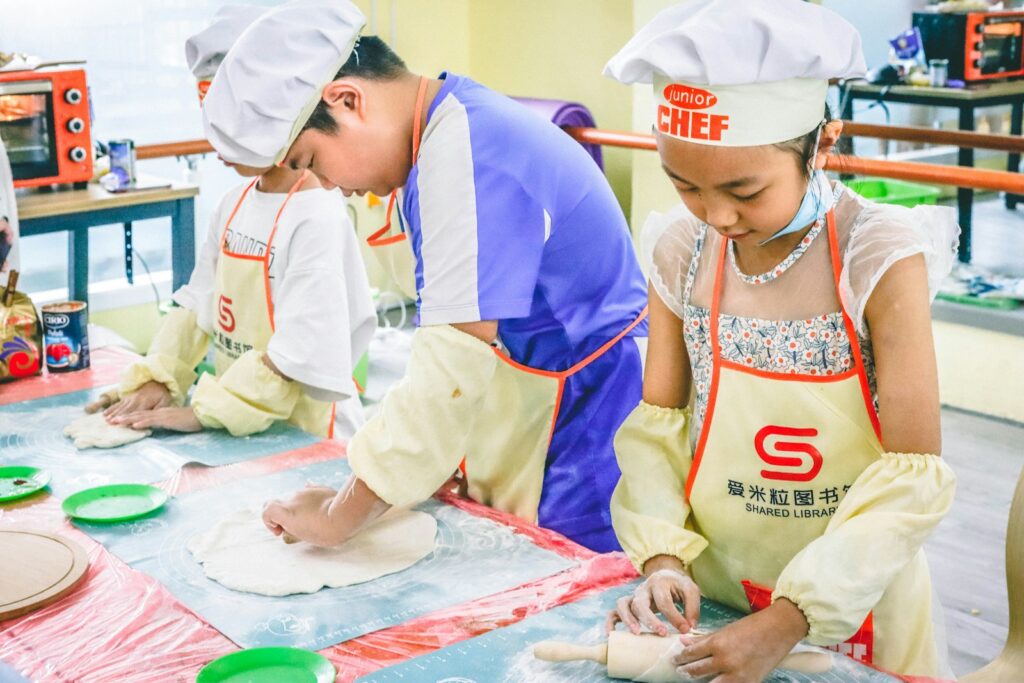
Pizza preparation is generally approachable for children because they can knead dough, choose toppings, and help assemble their own pizzas. The gelato portion can also be engaging, especially when the instructor explains how the mixture freezes.
Age restrictions are set by individual providers. Some established farmhouse tours admit children from age eight, while other cooking schools have different rules.
For younger children, ask:
- Is there a minimum age, and must children participate in every activity?
- Will the vehicle provide an appropriate child seat or restraint?
- Can the property accommodate a stroller?
- Is there somewhere to sit if a child becomes tired during the lesson?
- Are non-alcoholic drinks included with the meal?
- Can the instructor keep children away from the hot oven and cooking equipment?
For families with preschool-age children, a shorter city-center class may be easier than a five-hour countryside activity with fixed transfer times.
Vegetarian, Vegan and Gluten-Free Requirements
Many pizza classes can prepare vegetarian toppings, but the range of available ingredients depends on the kitchen. Communicate dietary requirements before booking rather than raising them when the meal begins.
Vegan requirements need separate confirmation because traditional pizza preparations may use cheese and gelato often contains milk.
For coeliac disease or serious food allergies, do not assume a shared pizza kitchen is suitable. Flour is handled throughout the session, and several countryside operators explicitly state that they cannot accommodate gluten-free requirements.
Ask about shared preparation surfaces, utensils, ingredients, and cross-contact procedures. A willingness to leave cheese off a pizza, for example, does not establish that a kitchen can safely accommodate a severe milk allergy.
If the provider cannot give clear answers, choose an experience that specifically supports your dietary needs.
Reduced Mobility and Wheelchair Access
Farmhouse properties can involve gravel paths, uneven stone surfaces, steps, sloping gardens, and outdoor cooking areas. Some advertised experiences explicitly exclude guests who use wheelchairs or have significant walking difficulties.
Others may be able to make adjustments, but suitability needs to be confirmed individually.
Useful questions include whether the transfer vehicle is accessible, how far participants must walk from the parking area, whether there are steps into the kitchen, and whether a seated workstation is available.
Do not rely solely on a description such as “accessible farmhouse.” Request details of the full route from pickup to cooking station, dining area, and restroom.
Weather, Seasons and What to Wear
Cooking lessons often operate in different seasons, but the available departures and outdoor activities can change.
Summer classes may include time in a garden or outdoor preparation area. During hot weather, ask whether the kitchen has cooling or shaded space, particularly if you are traveling with children.
Spring and autumn evenings can be noticeably cooler in rural settings than during the afternoon in central Florence. A light layer is useful for outdoor dining and the return journey.
Rain does not automatically cancel a cooking class. Some providers operate in all weather conditions because the main lesson takes place indoors or under cover.
However, garden visits, outdoor dining, and wood-fired cooking arrangements may change during bad weather. Ask what happens if rain or strong wind prevents the planned outdoor activities.
Wear comfortable closed-toe shoes with a stable grip, especially if walking through gardens or across stone paths. Avoid relying on delicate sandals. Aprons are commonly supplied, but clothing that tolerates a little flour is sensible.
Booking and Cancellation Details to Check
Once you have compared the activity, transport, and timing, the booking process should be straightforward. Most established experiences allow you to choose a date, session type, and number of participants before confirming payment.
The important part is ensuring the chosen option matches what you intended. Some booking pages combine pizza-and-gelato sessions with pasta-and-gelato alternatives. These may have different departure times and durations.
Before entering payment details, confirm:
- The correct activity: Pizza and gelato, rather than the pasta alternative.
- The date and departure time: Check the local Italian date and time shown on the confirmation.
- The complete price: Verify the total for adults and children, including transport and any additional fees.
- The payment terms: Is the full amount due now, or is there a deposit with a remaining balance?
- The cancellation deadline: Check the precise number of hours or days before departure.
- The refund procedure: Understand whether cancellation is refundable to your original payment method and who handles the request.
- The exact meeting point: Keep the current instructions from the final booking confirmation.
Cancellation conditions vary significantly. Some shared experiences advertise free cancellation until 24 hours before departure. Other arrangements may have longer deadlines, particularly for private classes or larger groups.
If you book through a reseller, the terms on the reseller’s checkout page may differ from those on the operator’s website. The conditions attached to your actual reservation are the ones to examine.
Also ask what happens if the provider cancels because of insufficient participants, staffing problems, or unsafe weather. Establish whether you would receive a refund, an alternative session, or a choice between the two.
For travel in 2027, confirm that the provider has released dates and conditions for your intended session. Published 2026 departure patterns, prices, and cancellation terms should not be assumed to apply unchanged.
How to Fit a Farmhouse Class Into Your Florence Itinerary
A countryside cooking session is easiest to schedule on a day when you are already staying in Florence and do not need to change hotels.
An afternoon activity leaves the morning available for a walk, museum visit, or relaxed lunch. Just avoid scheduling an attraction with a long or uncertain finish shortly before the class meeting time.
For an evening lesson, consider how you will return to your accommodation. If the group drops passengers at Santa Maria Novella late in the evening, walking to a central hotel may be practical. Visitors staying farther out should check late transport options or arrange a taxi.
Keep luggage out of the equation if possible. A cooking-class minibus may have limited storage space, and the farmhouse may not offer a secure luggage room. If you are changing accommodation that day, ask your hotel about luggage storage before heading to the pickup point.
It is also useful to leave some flexibility around the rest of your trip. You can organize your Italy itinerary around your Florence accommodation, sightseeing days, and onward travel, keeping the farmhouse activity on a day without a tight transport connection.
What to Do if the Transfer Is Late or You Cannot Find the Group
One of the easiest mistakes is arriving at the right general area but the wrong meeting point.
For example, Santa Maria Novella station has several exits, and the taxi rank is not interchangeable with every nearby bus departure area. Do not assume that standing outside the railway station is sufficient.
If the guide is missing at the scheduled meeting time:
- Check the address and landmark on your latest booking confirmation.
- Confirm that you are at the departure point rather than the return drop-off location.
- Call or message the operator using the emergency contact supplied with your reservation.
- Keep your confirmation accessible and note when you arrived.
- Ask the operator directly before leaving the meeting point or taking independent transport.
If the group vehicle has already departed, joining the class at the farmhouse may be possible in some circumstances, but only with the operator’s agreement. Do not arrange an expensive taxi without first confirming that the kitchen can still accept you.
Missing a fixed shared departure can be treated as a no-show, even when the reason is a delayed train or an unexpected problem finding the location. Check the applicable policy rather than assuming a refund or free rescheduling.
Questions to Send Before Paying
If a listing is unclear, a short message can resolve most of the practical uncertainties. You can send the following questions together:
- Does the price include return transport from central Florence, and where exactly do we meet?
- What time should we arrive, and what time do you expect to return us to Florence?
- Is the pizza-making fully hands-on for each guest?
- Will we prepare our own gelato mixture or watch a demonstration?
- How many guests will be in the class?
- Are the meal, beverages, ingredients, and recipes included?
- Can you accommodate our children’s ages, dietary requirements, or mobility needs?
- Does the class run in rain, and which activities would change?
- What is the cancellation deadline, and what happens if you cancel the session?
You may see Italian terms such as pizzaiolo (pizza maker), lezione di cucina (cooking lesson), agriturismo (farm-based hospitality accommodation or activity), punto d’incontro (meeting point), and trasferimento incluso (transfer included). These help you understand listings, although the English booking conditions should still explain exactly what is provided.
When a Farmhouse Class Makes Sense
Choose a countryside class if you want to combine practical cooking instruction with a few hours outside Florence and the convenience of organized transport. It is particularly appealing when the cooking, meal, and return journey are all included in one clearly scheduled activity.
Choose a city-center lesson if your time is limited, you want fewer transport arrangements, or you need easier access to your hotel and other sightseeing activities. It can also be more practical for younger children or travelers who need an accessible venue.
Arranging a private farmhouse class is most useful when you have a group large enough to justify the additional cost or specific requirements that a shared session cannot accommodate.
Before committing, make sure your confirmation identifies the correct pizza-and-gelato option, the exact pickup and return points, the total duration, dietary and accessibility arrangements, and the cancellation deadline. Those details have a much greater effect on your day than the distance between Florence and the farmhouse itself.