Italy’s story begins long before you enter a museum or snap your first photo: it lives in winding cobblestone streets, lively morning markets, old women trading gossip on sunlit balconies, and the salt breeze that blows off the Mediterranean. The legendary sites are only part of what makes this land unforgettable, but visiting them connects you to centuries of invention, glory, and drama. Whether you are wandering the tangled lanes of Venice or gazing down Roman roads, each city and village reveals how Italy blends daily life with something grander. Every region has its own flavor, dialect, cuisine, and way of living. You will eat fresh focaccia in Liguria, citrus-laced dishes in Sicily, and discover why gelato means the best part of your afternoon everywhere you go.
Architecture becomes a language here: palaces, cathedrals, ancient ruins, and village squares do more than decorate the cities, they speak of power, faith, community, and the joy Italians take in beauty. If you want a practical resource for walking tours, best routes, and how to connect the big sights with local experiences, start your planning at Italy on Foot. Every travel adventure is unique, but these eight landmarks, plus the extra places we add at the end to round out a top ten, ensure you will leave with stunning photos and with memories you will revisit for the rest of your life.
- Which one is the most famous?
- 1. The Colosseum
- 2. The canals of Venice
- 3. The Leaning Tower of Pisa
- 4. Florence Cathedral
- 5. Pompeii
- 6. The Sistine Chapel
- 7. The Roman Forum
- 8. Cinque Terre
- More landmarks for a top ten
- Visiting with kids
- Quick answers table
- FAQs
What Is the Most Famous Landmark in Italy?
Ask a hundred travelers anywhere in the world and the Colosseum is likely to win, and the visitor numbers agree: the amphitheater with the Forum and Palatine draws more than 12 million people a year, the largest figure for any monument in the country, ahead of Pompeii and the Vatican Museums. The Leaning Tower of Pisa is the most recognizable silhouette, the Grand Canal of Venice the most photographed water view in Italy, and the Sistine Chapel the most famous ceiling in the world. The so-called big three are the cities themselves: Rome, Florence, and Venice, which between them hold five of the eight landmarks on this list and are linked by high-speed trains in under two hours each. If you have never been, our first trip guide explains how to string them together, and the list below runs from the best known site to the one that rewards the slowest travel.
1. The Colosseum in Rome: Echoes of Ancient Roman Power
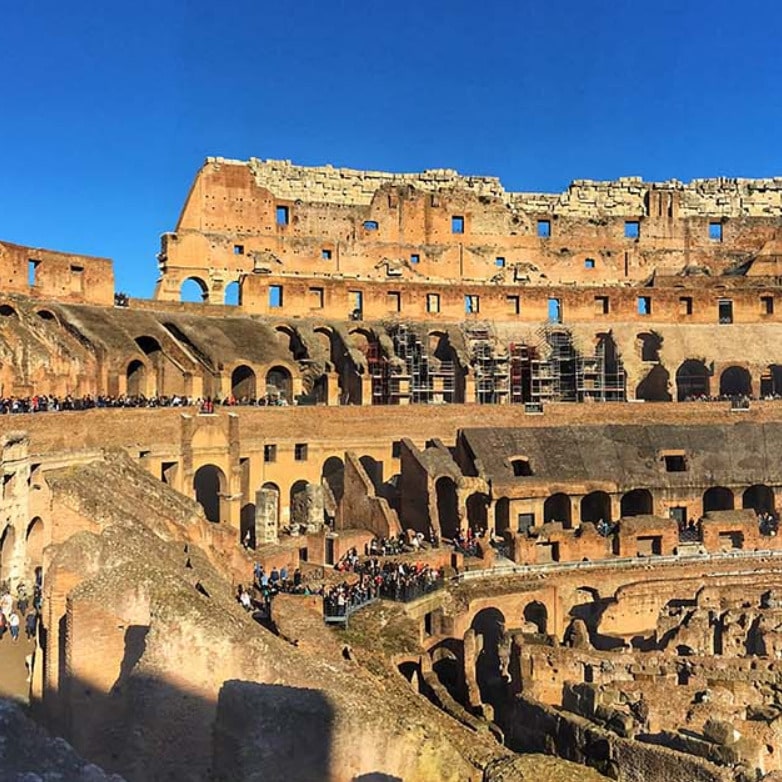
The Colosseum is more than just the most famous arena on earth, it is a living emblem of the power, creativity, and contradictions that made Rome legendary. Once, tens of thousands of spectators, up to 50,000 by the most reliable estimates, though some sources claim as many as 80,000, flocked here to see gladiators, wild beasts, and mock sea battles staged on flooded floors. Built under the Flavian emperors and inaugurated in AD 80, nearly 2,000 years ago, it reflects the astonishing ambition of Rome at its height. Look closely, and you will see details from all levels of Roman society: sophisticated engineering in the labyrinthine corridors and hidden elevators, marble seats reserved for the elite, and graffiti scratched by ordinary citizens that still survives among the stones.
Every year, millions trace the oval’s path, standing in awe beneath stone arches that have outlasted empires. And yet the Colosseum’s story is about more than battles, it is also about decline, rebirth, and cultural endurance. For centuries the building was pillaged for stone and forgotten in the sprawl before being reclaimed as a symbol of Italian heritage. Visiting today means joining a shared history: pausing where emperors once issued decrees, hearing guides bring lost voices to life, and letting your imagination fill the air with the roar of ancient crowds. Its presence stirs even the most seasoned traveler, serving as a powerful reminder of what people and stone can accomplish together.
Visiting Essentials for the Amphitheater
Timed-entry tickets are required for all visits and include access to the Roman Forum and Palatine Hill within 24 hours. Entry is limited to 3,000 people inside at a time, and named tickets go on sale 30 days ahead on the official Colosseum site, where the popular slots sell out within hours in high season, so book the morning they are released. Security lines can be long and shade is limited, so bring water, sun protection, and comfortable shoes. Because the same ticket covers the Forum and Palatine, you can explore the whole ancient center in one day; our Colosseum visiting guide and the longer piece on the Colosseum, Forum and Palatine explained give the release times and the best order.
2. The Canals of Venice: A Unique City on Water
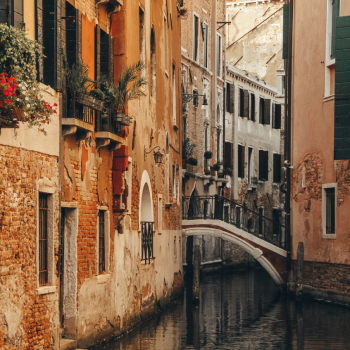
In Venice, the streets are rivers and life is lived on the water. This magical place was built by people who refused to surrender to nature, turning mudflats and marsh into a glittering city of palaces, bridges, and bell towers. The canals, part of a UNESCO World Heritage landscape, are the arteries of a city that has always looked outward to the sea. Each time you cross a bridge, wander by a painted door, or glide beneath garden terraces, you become part of the rhythm that has made Venice unique since its founding in the fifth century. Step aboard a gondola, still crafted by hand in centuries-old workshops, and you will drift past Gothic arches, Renaissance churches, and faded frescoes, sometimes catching a local singing softly beneath the Rialto.
But Venice is not just a stage for romance. Its canals support daily life: fresh fish coming in at dawn, children heading to school by boat, and merchants negotiating under striped mooring poles. The lagoon’s survival now depends on the MOSE mobile barriers, raised at the inlets since 2020 whenever an exceptional tide threatens, and on international restoration funds that have repaired churches and palaces for decades. Travel here and you will see not just the Grand Canal’s famous bends, but pockets of quiet life, laundry strung above still waters, friends toasting spritz in tiny bars, and an art scene that stretches from Tintoretto and Titian to groundbreaking contemporary exhibitions. Prepare to linger, let yourself get lost, and discover the way Venice blends centuries-old tradition with fleeting beauty.
Practical Venice Tips
Gondola fares are regulated at €90 for 30 minutes between 9:00 and 19:00, or €110 for 35 minutes after 19:00, for up to five people per boat, so sharing is possible; see the Comune di Venezia gondola page. Venice ran a trial access fee of €5 to €10 for day visitors on peak dates in spring and summer 2026; the trial ended in late July and a decision on 2027 is pending, so check the official access fee site before you travel. Prepare to walk a lot, because bridges and uneven pavement are part of the experience, and get off the train at Santa Lucia, on the island, rather than at Mestre. Coming from Lombardy, our Milan to Venice guide has the timings.
3. The Leaning Tower of Pisa: A Beautiful Imperfection
If you have ever wondered how a mistake can become a masterpiece, look no further than the Leaning Tower of Pisa. Started in 1173 as the bell tower (campanile) for Pisa’s cathedral, it began to tilt during construction when builders realized the soil was too soft to hold its immense weight. Instead of a catastrophe, the resulting lean quickly became an emblem of the city’s spirit. After a decade of delicate engineering work that ended in 2001, the tower was stabilized, reducing the tilt to just under four degrees, and it is now a safe and unforgettable place for travelers to visit. But it is more than the tilt that draws millions every year: the tower is the iconic centerpiece of Pisa’s Piazza del Duomo, the Field of Miracles, a complex rich with architectural treasures.
Stroll the lawns and you are surrounded by the soaring cathedral, the circular Baptistery, and the stunning Camposanto Monumentale, each building designed to celebrate the city’s golden era as a maritime republic. The climb up the tower’s tight spiral staircase is not just for a view (though the scenery is superb); it is a genuine brush with history, as worn marble steps remind you just how many feet have walked this path before you. Every year, countless travelers try the famous holding-up-the-tower photo, but the truly lasting memories come from soaking up the uniqueness of this beautiful imperfection. Pisa teaches that sometimes our greatest icons emerge when things do not go to plan.
Climbing and Visiting Tips for Pisa
Tickets are strictly timed, and only children aged 8 and up may climb the roughly 250 uneven steps to the bell chamber, with under 18s accompanied by an adult; the visit lasts about 30 minutes and you leave bags in the free lockers. Buy from the official Opera della Primaziale website, arrive early because late entry is not permitted, and consider the combined ticket for the cathedral, Baptistery, and Camposanto, since the tower alone tells only part of the story. Pisa is an easy hour by train from Florence, which makes it a natural half-day trip.
4. Florence Cathedral: Renaissance Brilliance in Santa Maria del Fiore
Step into Florence and you will soon find yourself drawn to the soaring dome of Santa Maria del Fiore, the Florence Duomo. This cathedral captures the soul of the city and the heights of Renaissance ambition. Its massive brick dome, raised by Brunelleschi between 1420 and 1436 after other architects had deemed the feat impossible, proved Florence a city of innovation, and it remains the largest masonry dome ever built. The striped marble facade in green, pink, and white stands out in the ochre skyline and represents 19th-century craftsmanship by Emilio De Fabris, while the intricate bell tower by Giotto looks like a work of sculpture. Inside, masterpieces are everywhere: stained glass designed by Donatello and Ghiberti, spectacular nave arches, and the vast fresco of The Last Judgment painted by Vasari and Zuccari.
What makes the Duomo unforgettable is the combination of architecture, art, and the city’s daily energy: locals meeting for an espresso in its shadow, students sketching, the peal of bells marking the hour. Climbing up the cupola or Giotto’s Campanile rewards you with breathtaking, almost dream-like views stretching from the Arno River to the rolling Tuscan hills in the distance. Whether you are passionate about art history or just looking for a moment of wonder, the Duomo draws you into Florence’s story with every step and every glance skyward.
What to Know for Florence Duomo Visitors
Climbing the cupola (463 steps) or Giotto’s Campanile (414 steps) means a real workout with no elevator, but the panorama makes it worthwhile. The cupola climb needs a reserved time slot with the Brunelleschi Pass, so book ahead on the official Florence Duomo site, especially in spring and autumn. Entry to the cathedral itself is free but the queue is long, dress modestly with shoulders and knees covered, and note the strict bag rules at the Florence Duomo, since large backpacks are refused at the climbs.
5. The Ruins of Pompeii: Daily Life, Frozen in Time
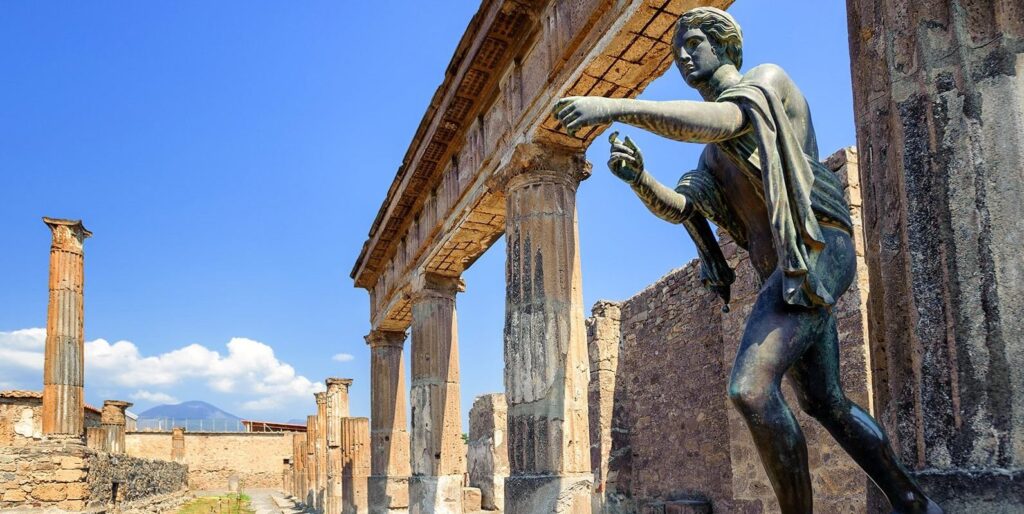
Imagine an entire city, paused in a single moment. That is the lasting magic of Pompeii. Buried under volcanic ash after Mount Vesuvius erupted in AD 79, Pompeii offers an almost cinematic window into daily Roman life. Wander the broad stone streets, peer into shopfronts, homes, public baths, and temples, and you can almost hear the bustle of voices long vanished. Frescoes on bedroom walls, bakery ovens still blackened by ancient fires, and mosaics that once decorated grand townhouses pull you out of the modern world and into one that feels vividly real. Excavations continue today in Regio IX, revealing new treasures and glimpses into the lives of people lost but not forgotten.
The scale of the ruins is impressive, and it is easy to spend a full day or more tracing different neighborhoods, admiring the detail and artistry that marked ancient Pompeian life. Visiting is a powerful reminder of both the resilience of people and the occasional fury of nature. Modern rules help protect the site and manage crowds, creating a quieter, more reflective experience for travelers. Pompeii is not only a monument to disaster but a testimony to human creativity, proof that from destruction, history can still teach, inspire, and touch the heart.
Pompeii Visitor Guidelines
Since 15 November 2024 Pompeii has used named tickets and capped daily entries at 20,000 visitors, with timed morning and afternoon slots enforced in the summer months, so buy in advance on the official Pompeii site and bring the ID that matches the ticket. Weather and seismic activity in the Campi Flegrei area can close certain houses, so check the notices the day before. Wear sturdy shoes because the ancient streets are uneven, carry water since shade is scarce, and take the Circumvesuviana or the Campania Express train from Naples or Sorrento to the Pompei Scavi stop by the main entrance.
6. The Sistine Chapel: A Canvas of World Famous Genius
To stand beneath the ceiling of the Sistine Chapel is to share space with one of the greatest bursts of creative genius in history. Sheltered within Vatican City, the chapel dazzles not only with Michelangelo’s immortal frescoes, completed between 1508 and 1512 for the ceiling and 1536 to 1541 for The Last Judgment, but also with its role as the voting chamber for the election of the Pope, used most recently in the conclave of May 2025. Glance upward and you will see nine central scenes from Genesis, prophets and sibyls on the borders, and hundreds of lifelike figures, each executed with detail, power, and grace.
There is an almost mystical hush as you enter; no photos are allowed and silence is strictly enforced to help visitors focus. The art stuns, but so does the sense of history: cardinals gather here in secrecy for each papal conclave, the weight of their decision painted on every surface. The experience is overwhelming in the best way, often leaving visitors speechless or moved to tears. The Sistine Chapel, more than any single gallery in the Vatican Museums, embodies how art and faith meet at the highest level, one of the rare places on earth where human achievement and spiritual aspiration feel truly united.
Planning Your Chapel Visit
Entry is only through the Vatican Museums, which require advance timed tickets from the official Vatican Museums site; the earliest slot of the day and Friday evening openings in summer are the quietest. Strict silence is enforced in the chapel, photography is not allowed, and modest dress with shoulders and knees covered is required. Occasional closures happen for religious events, so confirm the hours before visiting, and remember the museums are closed on most Sundays except the free last Sunday of the month, when the queue starts before dawn.
7. The Forum: The Public Heart of Ancient Rome
The Roman Forum is more than a collection of ruins, it is the stage where the plot of Western civilization played out. In this vast, open complex at the center of ancient Rome, markets thrived, elections took place, and processions marched among temples, basilicas, and meeting halls. Even now, centuries after the empire’s fall, you can walk along stones scored by cart wheels or climb Palatine Hill for a bird’s-eye view of the city that Augustus, Cicero, and countless Roman citizens called home. The area is larger than first-time visitors expect, with every broken column and toppled arch telling its own story of glory and change.
In summertime, wildflowers bloom among the stones, and you will hear the chatter of guides explaining how the Forum shaped law, language, and government. It is not unusual to glimpse school groups, artists with sketchbooks, and solitary visitors lost in their own vision of the past. For the best effect, try to visit in the early morning or at sunset, when golden light arches across the ruins and Rome feels both ageless and intimate. The Forum reminds us that history is never static: what survives changes with the people who care enough to explore and remember it.
Roman Forum Visitor Advice
Your Colosseum ticket includes the Forum and Palatine Hill, so use it to explore all three; the official ticket office lists the entrances, and the Via Sacra gate opposite the amphitheater is the quickest. Climb to the Palatine terraces and the Farnese Gardens for sweeping views over the ruins and across to the Circus Maximus. The terrain is rough and shade is limited, so bring water and a hat, especially in the warmer months, and allow at least two hours, more if you love Roman history. If you want the quieter side of the capital afterwards, our list of unusual corners of Rome starts a short walk away on the Aventine.
8. Cinque Terre: Cliffside Villages and Coastal Wonder
Cinque Terre is where the mountains and the sea collide in a riot of color and beauty. Each of the five villages, Riomaggiore, Manarola, Corniglia, Vernazza, and Monterosso, has its own personality and charm, yet all are united by terraced hillsides ribboned with vines and lemon trees, and narrow streets that twist down to tiny harbors filled with bright fishing boats. This entire coast, a UNESCO World Heritage site along with nearby Porto Venere and its islands, was shaped as much by necessity as beauty: villagers carved terraces to grow grapes and olives, resisting the forces of both the sea and modernity.
For today’s visitor, Cinque Terre delivers a sense of discovery: one moment you are sampling pesto, olive oil, and anchovies caught that morning, the next you are hiking rocky trails high above the breakwater, wildflowers brushing your legs. The famous Sentiero Azzurro, the Blue Trail, threads the villages together, sometimes closing when landslides threaten, but the local train is always ready to help with your next leg. The magic here is in the pace: take a dip in a rocky cove, join an evening festival in a hilltop square, or just listen to the waves with a scoop of lemon sorbet. Cinque Terre invites you to slow down, to live in the present, and to understand how culture and landscape are inseparably linked along this coast.
Essential Trail and Travel Tips for Cinque Terre
Trail closures do happen after heavy rain or for safety, so always check the Cinque Terre National Park live board for current status before setting out. The Blue Trail sections between Monterosso, Vernazza, and Corniglia require the Cinque Terre Card, and the famous Via dell’Amore path between Riomaggiore and Manarola, reopened in 2024 after a long closure, is open with timed, paid access bundled with the card. Trains connect the villages in a few minutes, with La Spezia the gateway from Rome and Florence, so you can mix hiking with easier travel, and since 2025 the park has asked walkers to wear proper footwear, with flip-flops on the trails liable to a fine.
More Italian Landmarks to Round Out a Top Ten
Eight is a short list for Italy, which has more than 60 UNESCO World Heritage sites, the most of any nation, so here are the places most travelers add next. In Rome, the Pantheon is the best-preserved building of antiquity, its concrete dome still the largest unreinforced one in the world after 1,900 years, and it now charges a €5 entry fee, one of the few changes in its long history; the Trevi Fountain has been fitted with a walkway and a visitor cap since its 2024 restoration, and St. Peter’s Basilica remains free to enter, with the dome climb the finest view over the Vatican. Beyond the capital, the Duomo di Milano offers a rooftop walk among 135 spires, the Amalfi Coast and Capri make the great southern detour, and the Greek temples of Agrigento in Sicily and the trulli of Alberobello in Puglia show how varied the heritage of the peninsula is. Together with the eight above, the Pantheon and St. Peter’s are the usual answer to the question of the ten best known landmarks of Italy.
Visiting the Landmarks with Kids
Most of these sites work well for children with a little planning. The Colosseum and the Forum come alive with a family guide or an audio tour that focuses on gladiators, and the underground and arena-floor tour is the highlight for older kids. Venice is one big adventure playground of boats and bridges, and the vaporetto ride down the Grand Canal costs the same as a gondola’s first minute. Pompeii’s plaster casts can be upsetting for younger children, so lead with the bakery, the fast-food counters, and the dog mosaic instead. Pisa has the age limit of 8 for the climb but the lawns are free to run on, and Cinque Terre is best with kids on the train and the easy Monterosso beach rather than the cliff paths. Everywhere, an early start beats the heat and the crowds, and a gelato promise solves most negotiations.
Know Before You Go: Quick Answers for the Landmarks
| Landmark | Need-to-Know Tip |
|---|---|
| Colosseum and Forum | Timed named tickets released 30 days ahead, security lines, little shade. One ticket covers the Colosseum, Forum and Palatine. |
| Venice | Gondola fares fixed at €90 and €110. Access fee trial ended in July 2026; check for 2027. |
| Pisa | Timed tickets, no climb under age 8, about 250 steps, book in advance. |
| Florence Duomo | Reserve the cupola climb, modest dress, no large bags at the climbs. |
| Pompeii | Named tickets, 20,000 daily cap, timed slots in summer, check weather and seismic notices. |
| Sistine Chapel | No photos, silence, dress code, ticket is for the Vatican Museums. |
| Cinque Terre | Trail status changes, Cinque Terre Card for the Blue Trail, Via dell’Amore timed access, proper shoes. |
Frequently Asked Questions
What is the most famous spot?
The Colosseum, by both recognition and attendance: more than 12 million people visit the amphitheater, Forum, and Palatine each year, making it the most visited monument in Italy and one of the most visited in the world.
What is the big three?
Rome, Florence, and Venice, the three cities that most of the world associates with Italy. Between them they hold the Colosseum, the Forum, the Sistine Chapel, the Duomo, and the canals, and the classic first itinerary spends ten to fourteen days moving between the three by train.
What are the top ten?
The Colosseum, the canals of Venice, the Leaning Tower of Pisa, Florence Cathedral, Pompeii, the Sistine Chapel, the Roman Forum, Cinque Terre, the Pantheon, and St. Peter’s Basilica. The Trevi Fountain, the Amalfi Coast, and Milan’s Duomo are the next names on most lists.
Which three landmarks should I choose with only one week?
Pick one city as a base and its neighbors: from Rome, the Colosseum with the Forum, the Sistine Chapel, and a day at Pompeii; from Florence, the Duomo, Pisa, and a train to Cinque Terre. Trying to add Venice as well in a week means more time on trains than at the sights.
Do I need to book every landmark in advance?
Yes for the Colosseum, the Vatican Museums, the Duomo climbs in Florence, the tower in Pisa, and Pompeii in summer, and all of them sell only through their official sites or authorized resellers. Venice, Cinque Terre, the Pantheon, and St. Peter’s can be walked into, though the Pantheon now has a small fee and St. Peter’s a security queue.
The landmarks go far beyond old stones and painted ceilings. They speak to the joys and challenges of living well, the exuberance of public art, the tenacity that built cities atop marshes or on volcanic soils, and the deep, everyday pleasures of food, friendship, and beauty. Every Italian journey is different, and every traveler leaves with a story: of a tiny bakery in a back street, a sunset on a cliff, or an unexpected kindness from strangers. These eight are starting points, for questions, exploration, and awe-inspiring moments you will cherish long after your trip. As you move between famous sights and the simple joys of Italian life, you will gain not only a great vacation but a brand new perspective on how the past can make every present moment feel richer and more alive.