If an ATM in Italy keeps your card, stay by the machine long enough to record the bank or operator name, ATM location, time, and any error message, then lock the card in your banking app and contact your card issuer. If the machine belongs to a bank branch, also speak to that branch or call the ATM owner. Do not assume the card will be returned, and do not leave it active for hours while you wait for the bank to open.
If an ATM kept your card in Italy, the two contacts that matter most are the bank that issued your card and the bank or company that operates the machine. The issuer controls whether the card can remain active, be temporarily frozen, or must be cancelled. The ATM owner controls whether staff can physically retrieve and return it.
What to do in the first five minutes
- Check that the transaction has really ended. Wait for the ATM to return to its welcome screen. Do not pull at the card slot, insert tools, or accept help from a stranger.
- Record the machine details. Take a photo of the bank or operator name, branch address, ATM identification number if visible, and the screen message. Note the exact time. Keep any receipt.
- Check your banking app. Look for the withdrawal and any unexpected transactions. Take screenshots if money was debited or the withdrawal is still shown as pending.
- Temporarily lock or freeze the card if your issuer offers that feature. A temporary lock can be useful while you find out whether the branch can return the card. Do not rely on this alone if you cannot contact the issuer or the machine is unattended.
- Call your card issuer. Use the number in the issuer’s official app or website, not a number supplied by a stranger. Explain that the physical card has been retained by an ATM in Italy and give the ATM location and time.
Do not give anyone your PIN, online-banking password, one-time code, or card security code. Bank staff may ask for identification and enough card details to establish ownership, but they do not need your PIN to retrieve a retained card.
Who should you call first?
1. Your own bank or card issuer
This is the first call that protects your account. Tell the issuer the card is physically inside an Italian ATM and ask one direct question: should I leave the card temporarily frozen while I try to recover it, or should it be permanently cancelled now?
A permanent block or cancellation is usually irreversible. If the card is in an attached bank ATM, the branch is open, and staff confirm that they can examine the machine promptly, your issuer may allow you to keep it temporarily locked while recovery is attempted. If the ATM is standalone, the branch is closed for a long period, the operator cannot confirm recovery, or there is any sign of tampering, the issuer may advise cancelling it immediately.
2. The bank or operator that owns the ATM
If the machine is built into a bank branch, go inside and ask for assistance. In Italian, say:
Il bancomat ha trattenuto la mia carta. This means, “The ATM kept my card.”
You can also say Lo sportello automatico ha trattenuto la carta. Useful words on signs are filiale for branch, sportello automatico for ATM, and assistenza for assistance.
Bring your passport or other photo ID. If you have a banking app showing your name and the last digits of the card, keep that available too. The branch may have its own rules for releasing retained cards. Some operators can return a card after checks; others may be required to keep, destroy, or forward it. For example, UniCredit’s current guidance says a card retained at one of its ATMs can be requested from the branch after verification. Treat that as UniCredit policy, not a rule for every bank in Italy.
3. Visa or Mastercard if you cannot reach the issuer
If your issuer is unreachable, the card network can be a useful backup. Visa Global Customer Assistance provides country-specific emergency numbers and can help with lost-card reporting, replacement, and emergency cash, subject to issuer approval. Mastercard cardholders in Italy can use the assistance number currently listed by Mastercard Italy, 800 870 866, or follow the page for current contact options.
The logo on the card does not replace your issuing bank. Visa or Mastercard can help route the emergency, but your issuer normally decides account-specific questions such as cancellation, replacement, and access to funds.
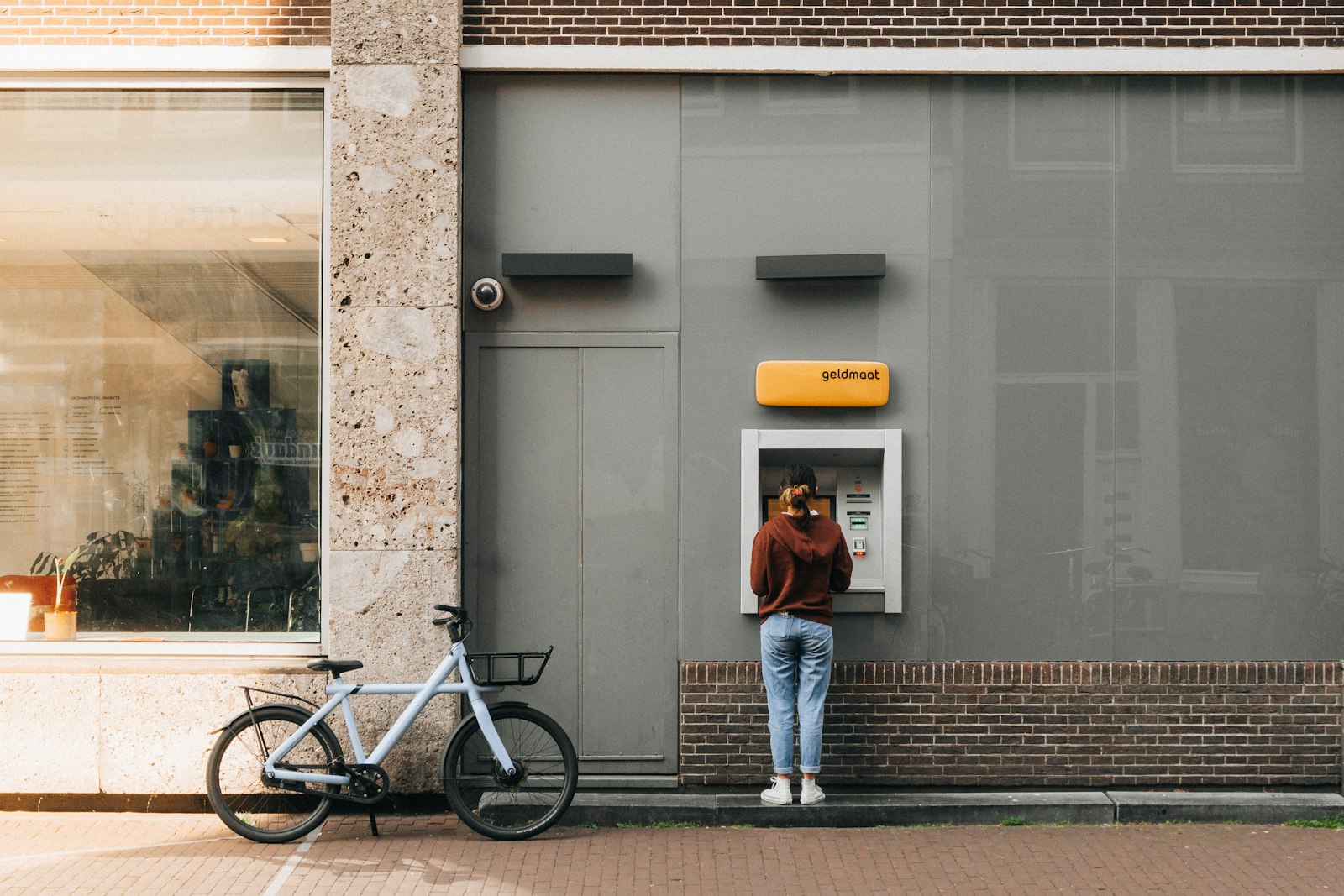
If the bank branch is open
Go inside before making another cash withdrawal elsewhere. Tell staff which exterior or lobby ATM retained the card, the approximate time, and your name. Show your passport. If the ATM is serviced from inside the branch, staff may be able to check it. They may also tell you that retrieval is handled later by a cash-service team or that foreign cards cannot be released under that bank’s procedure.
If staff say they can return the card, contact your issuer before unlocking it. A retained card can have been captured because of a machine fault, a timeout, repeated incorrect PIN entries, or an instruction from the issuing bank or payment network. You want to know that the issuer still considers the card usable before putting it into another ATM.
If the branch returns the card, inspect it for damage, unlock it only when your issuer says it is safe, and make the next withdrawal at a bank-operated ATM during staffed hours. The existing Italy on Foot guide to using ATMs in Italy is useful for choosing the next machine and avoiding unnecessary conversion charges.
If the branch is closed, it is Sunday, or it happened late at night
Do not leave the card active simply because the bank may open the next business day. Freeze it immediately if possible and contact your issuer. A Friday-night retention can otherwise leave the physical card inaccessible through an entire weekend or holiday period.
Photograph the branch name and address so you can return or call when it reopens. If your travel schedule means you will be in another city by then, tell the issuer. Recovering the plastic may be less useful than arranging a replacement, digital card, or emergency cash.
If you need to change trains, hotels, or cities because the card problem has disrupted your plans, you can organize the rest of your Italy trip while you sort out replacement payment options.
If it was a standalone ATM
A standalone machine in a station, airport, shopfront, or tourist area may not have bank employees on site. Find the operator name and ATM ID on the machine and use the operator’s official website or verified support channel. Do not trust a phone number on a loose sticker if it looks unofficial or recently added.
At the same time, contact your own issuer and freeze or cancel the card as instructed. Do not stand beside the machine for a long time waiting for a technician. The operator may service the machine on a schedule that does not match your travel plans, and it may not be permitted to return the card directly to you.
What if the ATM charged the withdrawal but gave you no cash?
Treat this as a separate problem from the retained card. Save the ATM location, time, requested amount, receipt, screen message, and a screenshot of the account entry. Report it to your card issuer as an ATM cash-withdrawal dispute or incorrectly executed withdrawal.
Do not assume a pending entry means the money is permanently gone, but do not ignore it either. Your issuer can tell you whether to wait for an automatic reversal or open a formal dispute. If the transaction becomes a posted debit and no cash was received, follow the issuer’s dispute process and deadlines. Rules and deadlines can differ depending on where your card was issued.
If unauthorized transactions appear after the card was retained, report them immediately as suspected fraud. The Bank of Italy’s fraud guidance likewise advises contacting the financial institution promptly when a payment instrument is lost, misappropriated, or used without authorization.
Do you need to make a police report?
Not usually for a straightforward machine retention when the card is known to be secured inside a bank ATM. Your issuer may still ask for documentation depending on its own procedures.
Make a police report if the situation looks like theft or fraud, if the ATM appears to have been tampered with, if someone took the card after pretending to help, or if unauthorized transactions appear. In that case, preserve photos and transaction records and follow your issuer’s fraud instructions. Do not use an emergency police number merely to ask a bank to open an ATM.
Common mistakes that make the situation worse
- Waiting until tomorrow to contact the issuer. Freeze the card and report the retention now, even if you plan to visit the branch later.
- Calling a random number found near the card slot. Use the bank’s official website, app, branch signage, or verified contact page.
- Giving a “helper” your PIN. Nobody needs your PIN to retrieve the card.
- Trying another ATM with the same card immediately after recovery. First confirm with the issuer that the card is still active and not blocked for security reasons.
- Assuming the Italian ATM owner can replace a foreign card. Replacement normally comes from the card issuer, not the bank whose machine retained it.
- Leaving town without recording the ATM details. A branch name, address, ATM ID, time, and photo can make later calls and disputes much easier.
How to keep paying if you cannot get the card back
Use a separate backup card if you have one, preferably one kept apart from the retained card. If the lost physical card was already provisioned in a mobile wallet, ask the issuer whether that digital credential remains usable after the physical card is locked or replaced. Do not assume it will.
If you have no usable backup, ask the issuer about an emergency replacement or emergency cash. Visa and Mastercard both offer emergency-assistance channels, but the available service and timing depend on the issuing bank’s approval and your card product. A hotel can help you place calls or identify the nearest branch, but never give hotel staff your PIN or banking login credentials.
The key decision is simple: recover the card only if the ATM operator and your issuer both treat recovery as safe and practical. Otherwise, cancel it, arrange replacement access to your money, and keep the ATM details until every related withdrawal or charge has been resolved.