In a typical full-service restaurant in Italy, ask the waiter for the bill first. Say “Il conto, per favore.” Some places bring the bill and card terminal to your table; others expect you to take the bill, or simply go to a cassa near the entrance. If staff point toward the counter and say “alla cassa”, that is your cue to pay at the till. Do not wait for the bill to appear automatically, because staff will often leave you at the table until you signal that you are ready.
For most travelers, paying at an Italian restaurant becomes easy once you separate two steps: first ask to close the table, then follow the restaurant’s payment setup. There is no national etiquette rule saying every diner must pay at the table or every diner must walk to a cashier.
The safest sequence when you are ready to leave
- Catch your server’s eye and say “Il conto, per favore.”
- Wait a moment. The server may bring a printed bill, tell you to pay at the cash desk, or bring a portable card terminal.
- If you are paying by card, say “Con carta, per favore” or “Posso pagare con carta?”
- If they say “alla cassa”, take the bill if they gave you one and go to the cashier.
- Check the total before paying, especially any lines for coperto, servizio, drinks, or dishes sold by weight.
- Keep the documento commerciale, commonly still called the scontrino, until you are satisfied the payment is settled correctly.
The useful phrase is not just “il conto”. If you cannot tell where payment happens, ask “Dove si paga?”, meaning “Where do we pay?”, or “Qui o alla cassa?”, meaning “Here or at the cash desk?” That removes the guesswork immediately.
When you normally pay at the table
Table payment is common in full-service restaurants, particularly when staff use portable POS terminals. The server may first bring a paper bill in a small folder or tray, then return with the card machine after you say you want to pay by card. In other places, the bill and terminal arrive together.
Cash can also be settled at the table. Put the money with the bill or hand it directly to the server. If you need change, do not say “va bene così” or “tenga il resto”, because both can be understood as “keep the change.” Simply wait for the change to come back.
One small cultural difference catches visitors: asking for the bill does not mean you need to leap out of your chair. You can settle up and finish the last sip of water, but during a busy service it is considerate not to occupy a table for a long time after you have paid.
When you should go to the cassa
A cassa is the cashier or payment counter, often beside the bar, near the entrance, or close to the restaurant’s main door. You may see signs such as “Cassa”, “Pagamenti”, or “Si paga alla cassa”.
Paying there is especially common in pizzerias, busy trattorias, restaurants with a central bar, and places where one cashier closes all tables. Sometimes the server gives you a paper slip to take over. Sometimes you simply tell the cashier which table was yours.
If asked “Che tavolo?”, they want your table number. You can answer “Tavolo dodici”, for example, or point toward the table if you never noticed a number. Do not feel you have broken etiquette by walking to the till. If the restaurant uses a central cashier, that is exactly what staff expect.
How to tell which system a restaurant uses
Watch what happens to nearby diners. If servers carry handheld card terminals between tables, you can probably pay where you are sitting. If everyone gets up and forms a short line by a register, expect to use the cassa.
The physical layout also gives clues. A visible register with receipt printer, card terminal, and staff stationed beside the entrance is usually the payment point. A restaurant with no obvious cashier and servers carrying payment folders is more likely to close bills at the table.
Still unsure? Ask. “Possiamo pagare?” means “Can we pay?” Staff will either come to you or point you in the right direction.
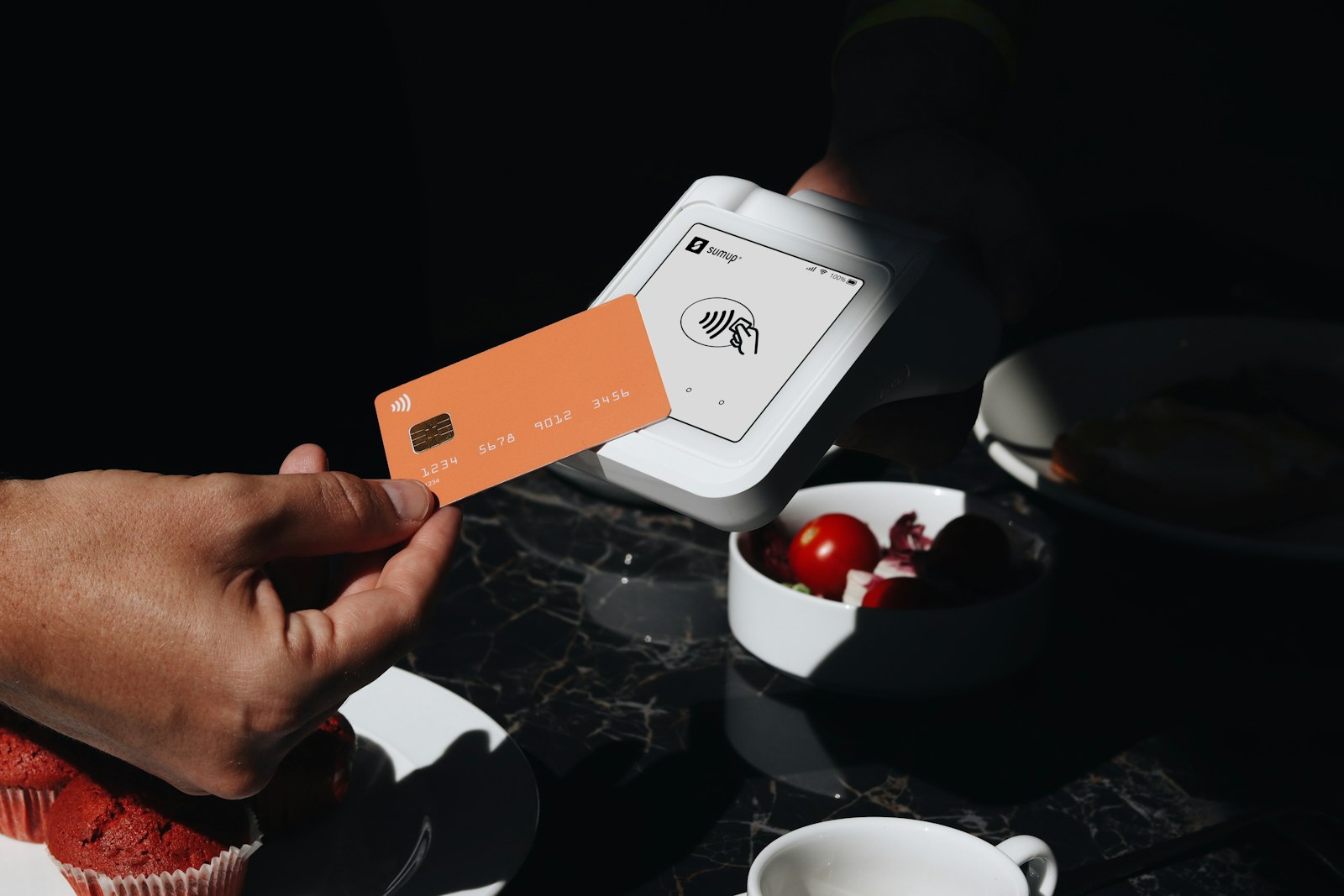
Paying by card: what the rule actually is
Italian law generally requires businesses selling goods or services, including restaurants, to accept qualifying card payments, regardless of the amount, except where there is an objective technical impossibility. The rule and sanction for refusing a card payment are set out in Article 15 of Decree-Law 179/2012.
That does not mean every card, mobile wallet, or payment network must work at every restaurant. A foreign card can be declined by the terminal or issuer even when the restaurant accepts cards normally. If one card fails, try another before assuming the restaurant is refusing electronic payment.
If staff say “Il POS non funziona”, meaning the card terminal is not working, ask whether they have another terminal or another electronic option. Do not simply leave to find an ATM without telling anyone. If you need to go out for cash, agree that with staff first so your departure is not mistaken for walking out on the bill.
If a terminal offers a choice between euros and your home currency, paying in euros generally lets your own card issuer handle the conversion rather than accepting the terminal’s currency conversion offer.
Can you split the bill?
Do not assume a restaurant will split one table into several item-by-item card payments. Some do it happily; others prefer one transaction, particularly at a busy cash desk. This is an operational policy, not something you should expect to work the same way everywhere.
Ask before the first card is tapped:
- “Possiamo fare conti separati?” means “Can we have separate bills?”
- “Possiamo pagare metà per uno?” means “Can we pay half each?”
- “Possiamo pagare con due carte?” means “Can we pay with two cards?”
If the answer is no, the quickest solution is usually for one person to pay the restaurant and the group to settle among themselves afterward. If you are coordinating several restaurant stops with trains, attractions, and walking routes, the Italy on Foot trip planner can help keep the rest of the day organized without turning the payment ritual into another planning problem.
Check the bill before you tap or hand over cash
Look at the total before paying, not after. Useful Italian bill terms include coperto for a cover charge, servizio for a service charge, pane for bread, and totale for the final amount. If a dish was priced al kg or all’etto, its final cost may depend on weight.
If you want a fuller decoding of restaurant wording, the Italian menu translator explains the labels that most often cause confusion before and after ordering.
For a charge you do not recognize, point to the line and ask “Che cos’è questo?”, meaning “What is this?” If the amount differs from what you saw on the menu, ask “Dov’era indicato sul menù?”, meaning “Where was it shown on the menu?” It is much easier to resolve a mistake before the card transaction is completed.
The card slip is not the same thing as the restaurant receipt
A POS terminal can print a payment slip showing that your card transaction went through. The restaurant’s fiscal sales document is a separate item, called the documento commerciale, although travelers and staff often still use the familiar word scontrino. The Italian Revenue Agency explains that electronic payments are recorded together with issuance of the commercial document.
If you receive only a card slip and need the restaurant receipt, ask “Posso avere lo scontrino?” If you require a formal invoice for business expenses, say “Mi serve la fattura” before the transaction is fully closed, because the restaurant may need billing information to issue it correctly.
Tipping comes after you understand the total
A large percentage tip is not built into ordinary Italian restaurant etiquette. First look for any servizio line, then decide whether you want to leave a small extra amount for good service. Cash is often the simplest way to leave a gratuity because many card terminals are set up only to charge the bill total.
For amounts and the difference between coperto, servizio, and mancia, see the Italian tipping guide.
What to do when staff seem to have forgotten you
Do not wait silently for 20 minutes hoping the bill will arrive. Catch the attention of any server and repeat “Il conto, per favore.” If your original waiter has disappeared, another staff member can usually tell you whether to stay seated or go to the cashier.
At closing time, the same rule applies. Staff may be clearing tables, stacking chairs, or closing an outdoor section while the cashier remains open inside. Ask “Dove possiamo pagare?” rather than following someone into a back area or leaving cash unattended on an outdoor table.
Common payment mistakes to avoid
- Waiting for an automatic bill. In many sit-down restaurants, you need to ask for it.
- Walking straight to the exit because you see a register. Ask for the bill first unless the restaurant clearly operates on pay-at-the-counter service.
- Assuming the cassa is unusual or rude. A central cashier is a normal setup in many restaurants.
- Starting separate card payments before asking. Agree on split-payment arrangements before the first transaction.
- Leaving after a card problem without speaking to staff. Sort out another payment method or agree that you are going to get cash.
- Confusing the POS slip with the full restaurant receipt. Ask for the scontrino or documento commerciale if you need it.
- Adding a tip before checking the bill. Read any servizio line first.
The simplest rule is to ask for il conto, then let the restaurant show you where payment happens. If the server brings a terminal, pay at the table. If you hear “alla cassa”, head to the till. One short question, “Qui o alla cassa?”, solves nearly every awkward end-of-meal moment.