A cold hotel room in Italy does not automatically mean the heating is broken. Many properties use central systems that run in scheduled blocks, room controls may be limited by the building system, and thick masonry can feel chilly even when the air temperature is fairly normal. The national energy rule is also widely misunderstood: 20°C is generally a maximum temperature while heating operates, with a 2°C tolerance, not a legal promise that every guest room will be kept at 20°C.
Understanding hotel heating in Italy is mostly about separating three things: national heating limits, the hotel’s own operating schedule, and the controls inside your room. If you know which one is causing the problem, the fix is usually much quicker than repeatedly turning the thermostat to 30.
The 20°C heating rule is a maximum, not a minimum
Italy’s national rules on building heating are set out in DPR 74/2013. During winter operation, the weighted average air temperature in most heated buildings must not exceed 20°C, with a tolerance of 2°C.
That does not mean a hotel is legally required to maintain your room at 20°C. It is an energy-use ceiling, not a guaranteed comfort temperature. The extra 2°C is a regulatory tolerance, not permission to treat 22°C as the normal thermostat setting.
The distinction matters if reception says something such as, “Italian law only allows 20 degrees.” There is a real national temperature limit behind that explanation, but it does not mean every radiator must switch off the moment your individual room reaches exactly 20°C. The regulation concerns the weighted temperature of heated spaces covered by the system.
Italy also limits when heating systems can operate
Italy divides municipalities into climatic zones from A to F. Under the national rules, the ordinary heating periods and maximum daily operating times are:
- Zone A: December 1 to March 15, up to 6 hours per day
- Zone B: December 1 to March 31, up to 8 hours per day
- Zone C: November 15 to March 31, up to 10 hours per day
- Zone D: November 1 to April 15, up to 12 hours per day
- Zone E: October 15 to April 15, up to 14 hours per day
- Zone F: no ordinary time limit
Outside Zone F, normal operation is generally scheduled between 5:00 and 23:00. The permitted hours can be divided into several periods rather than used continuously. Outside the normal seasonal dates, heating can still be used when weather conditions justify it, subject to the applicable limits.
Those are national baseline rules. Regions and autonomous provinces can have their own implementation provisions, and mayors can issue ordinances changing operating periods, daily hours, or maximum temperatures when conditions justify it. This is why a cold spell in one city may produce a local heating extension while another municipality follows the standard dates.
Hotels are not automatically exempt from these periods
This is an easy point to get wrong because older Italian regulations did contain a specific hotel exemption. You may still find websites quoting the old rule from DPR 412/1993 and saying hotels and pensions can heat without the normal seasonal and daily limits.
The current operating provisions are in DPR 74/2013. Its list of blanket exemptions includes certain healthcare facilities, nurseries, swimming pools and some other special uses, but it does not give ordinary hotels a general exemption simply because they are hotels.
In practical terms, a centrally heated property may therefore choose operating blocks that fit within the permitted hours. The law gives a maximum amount of operation. It does not require the hotel to run the boiler for every permitted hour.
Why your room can feel cold even when the heating is working
The most common explanation is central heating. In an older hotel, one boiler may serve dozens of rooms. Your wall thermostat or radiator valve controls how much heat reaches your room, but it cannot necessarily make the central system produce heat when the hotel has it switched off.
You might therefore find a radiator warm in the morning, cool during the middle of the day, and warm again later. That does not necessarily indicate a fault.
There are several other possibilities:
- The room control is centrally limited. A display may let you select a temperature while the building-management system quietly restricts the usable range.
- The window or balcony door is disabling the system. Some hotels use sensors that stop heating or air conditioning while a window is open.
- The key-card system affects the climate control. Some rooms move into an energy-saving mode when the occupancy card is removed.
- The radiator has a thermostatic valve. Numbers on the valve represent increasing temperature settings, not precise degrees Celsius.
- The air conditioner is also the heater. A split unit or fan coil must be in heating mode rather than cooling or ventilation mode.
- The building itself is cold. High ceilings, stone walls, cold floors, draughty windows and cold exterior surfaces can make a room feel colder than its air temperature suggests.
That last point is especially noticeable in historic buildings. Heating the air does not instantly warm several tonnes of old masonry, so a room that has been unoccupied may take longer to become comfortable than a modern, heavily insulated hotel room.
Check these controls before calling reception
If you have a wall thermostat
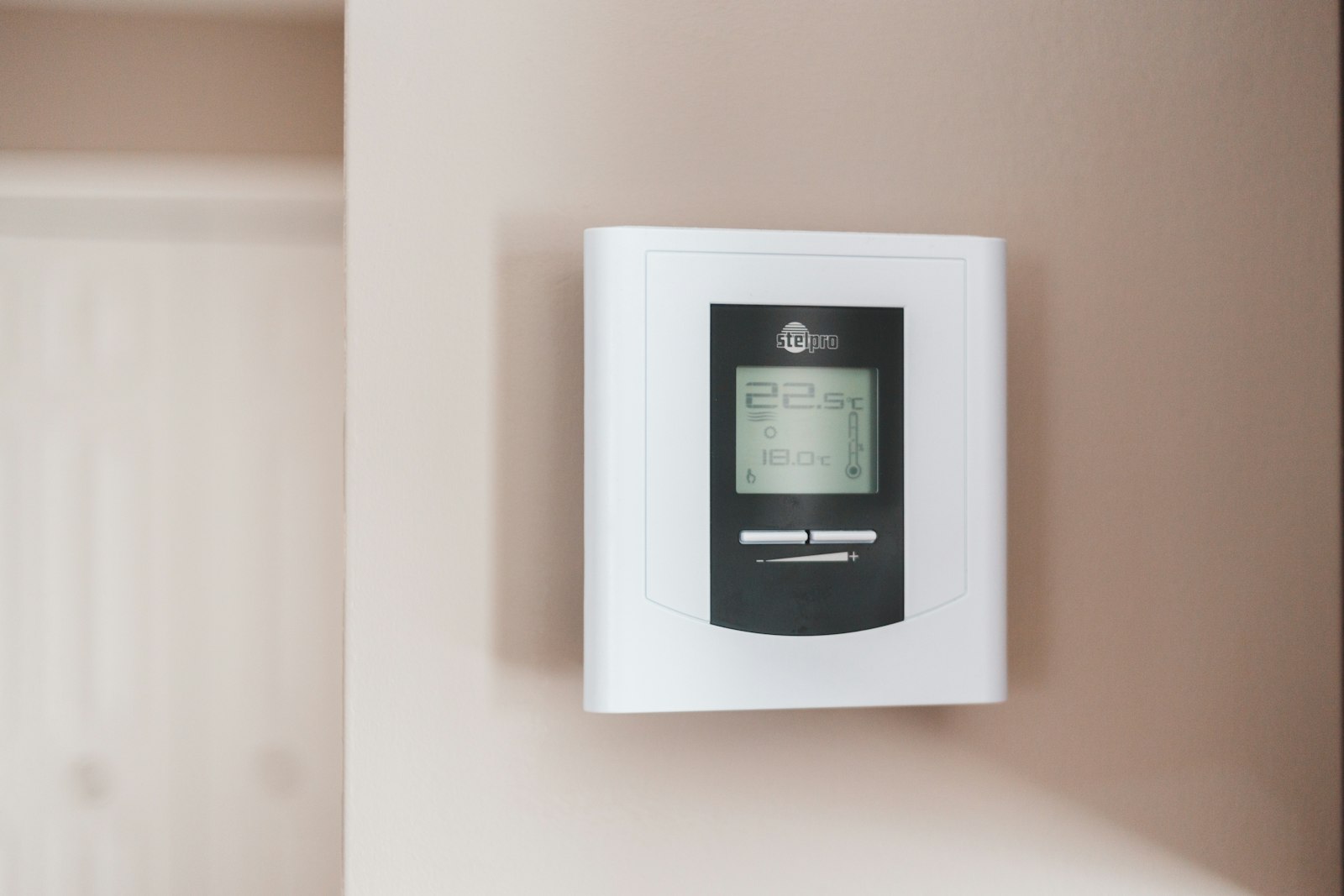
Look for riscaldamento, HEAT, a sun symbol, or modalità inverno. A snowflake normally indicates cooling, not winter heating.
Set a reasonable temperature above the room’s current temperature and make sure the fan is not set to off. Setting the control to its maximum does not usually make the system heat faster. It simply asks it to keep heating for longer.
If the display shows a padlock, hotel logo, central-control message, or refuses to accept your setting, reception probably needs to change it from the building system.
If you have a radiator
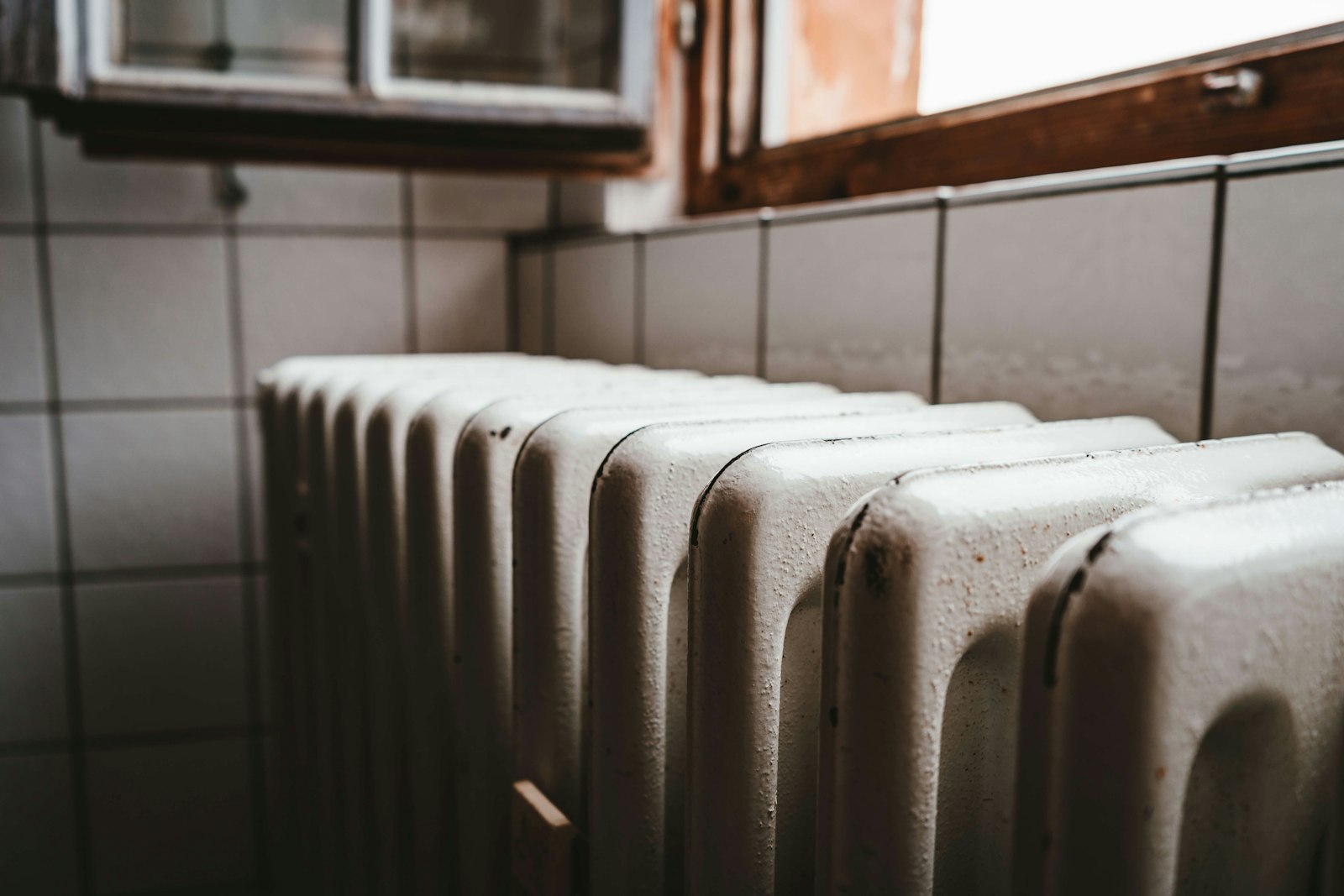
The rotating valve beside the radiator may be a valvola termostatica. Higher numbers generally request a warmer room. A star or snowflake symbol commonly represents a low frost-protection setting rather than normal heating.
If the valve is open but the radiator remains completely cold while other rooms or corridors are warm, tell the hotel. Do not start bleeding the radiator, removing valve heads, or investigating the boiler yourself. A stuck valve, air in the circuit, or balancing problem is maintenance’s job.
If you have a fan coil or split air conditioner
Look for HEAT or the sun symbol. COOL and the snowflake are the opposite of what you want, while FAN simply moves air without necessarily heating it.
A heat-pump unit may pause or vary its airflow automatically during normal operation. If it never produces warm air, however, the hotel may have disabled heating centrally, the system may still be configured for another season, or the unit may have a fault.
Useful Italian words when the room is cold
- riscaldamento = heating
- termostato = thermostat
- termosifone or calorifero = radiator
- valvola termostatica = thermostatic radiator valve
- caldaia = boiler
- pompa di calore = heat pump
- ventilconvettore or fan coil = fan-coil unit
- impianto centralizzato = central heating system
- impianto autonomo = independent heating system
- acceso = on
- spento = off
At reception, “Il riscaldamento non funziona in camera” means “The heating isn’t working in the room.” If it works but the room remains very cold, say “La camera è ancora molto fredda. Potete controllare il riscaldamento?”, meaning “The room is still very cold. Could you check the heating?”
Ask reception to check the room, not just the thermostat
If you have confirmed that the windows are closed and the controls are in heating mode, contact reception. Explain whether the radiator is cold, the fan is blowing cold air, the thermostat is locked, or the system appears completely dead. Those details are far more useful than simply saying the room feels chilly.
Ask staff to check the actual room temperature and heating output. A thermostat showing a 21°C set point only tells you what the system has been asked to achieve. It does not prove that the room has reached it.
If maintenance cannot solve the problem, reasonable next requests are:
- a different room where the heating has been confirmed to work
- additional blankets or a duvet
- a hotel-approved portable heater, if the property permits one
Do not assume you can plug in your own high-power space heater. Older electrical systems, hotel fire policies and circuit limits may make portable heaters prohibited.
A cold room late at night needs a different strategy
At midnight, the useful question is not who can repair the central boiler tomorrow. It is where you can sleep comfortably tonight.
If maintenance is unavailable, ask immediately about another heated room. If no room is available, ask what approved temporary heating or additional bedding the property can provide. A reception desk that cannot repair the problem may still be able to move you.
If the room is genuinely unusable and the hotel cannot provide a practical solution, keep the discussion in writing where possible, particularly if you booked through a platform. Record what you reported, what remedy was offered, and the condition of the room. Any refund, relocation or cancellation entitlement will depend on the circumstances and your booking terms, so do not simply leave without telling the property or booking provider.
Do not confuse the heating with the hot-water system
A cold radiator does not necessarily mean your shower will also be cold. Hotels can produce domestic hot water separately from space heating, and the two systems may operate very differently.
The reverse is also true. A warm room does not prove there is functioning hot water.
If both fail at once, mention both problems to reception. That gives maintenance a much better clue that the issue may be with a central plant rather than your room control.
Cold weather varies enormously between Italian cities
A winter room problem feels very different in Milan or the mountains than it does during a mild spell in Sicily. Italy spans several climates, so do not use a generic national winter forecast when deciding what nightwear or layers to pack. The Italy weather by month guide gives a more useful city-by-city idea of what to expect.
This also matters on multi-city trips. A hotel that feels perfectly comfortable in Rome may be followed by a much colder stay farther north. If you are coordinating several winter stops, you can build your Italy itinerary around arrival times, hotel check-ins and the rest of your route rather than treating every destination as having the same winter conditions.
What to look for before booking a winter hotel
For a December, January or February stay, especially in northern Italy or at altitude, check the property description for heating or riscaldamento. Do not assume that an air-conditioning icon automatically means the same unit provides effective winter heating.
If reviews repeatedly mention cold rooms, restricted thermostats or heating that operates only at certain times, take that seriously. One isolated complaint may have been a temporary fault. A consistent pattern is more informative.
For infants, older travelers, or anyone particularly sensitive to cold, contact the property before arrival and ask whether the room has individually adjustable heating. The useful question is not simply “Do you have heating?” Almost every winter hotel will answer yes. Ask whether guests can control the temperature in their own room and whether the system operates overnight.
If the thermostat says 21°C but you are still freezing
First check that the number is the measured room temperature rather than the requested set point. Hotel controls vary, and the large number on the screen is not always the temperature currently being achieved.
If the room really is around normal indoor temperature but still feels uncomfortable, look for draughts around windows, a balcony door that is not fully latched, a fan blowing directly toward the bed, or very cold walls and floors. Closing shutters or curtains at night can reduce the sensation of cold around older windows, provided you do not cover the radiator or block heating vents.
What you should not do is dismantle controls, block ventilation grilles, tamper with a boiler, or use cooking appliances to heat the room. If the installed system cannot make the room reasonably comfortable, move the problem to reception rather than trying to become the hotel’s night-shift heating engineer.