Look for a ticket dispenser or numbered display as soon as you enter. If there is one, take a number before you start choosing bread, pizza, pastries, or deli items. The small paper ticket usually controls who gets served next, even when nobody appears to be standing in a formal line. If you cannot see a machine, ask “C’è da prendere il numero?” before assuming you can walk straight to the counter.
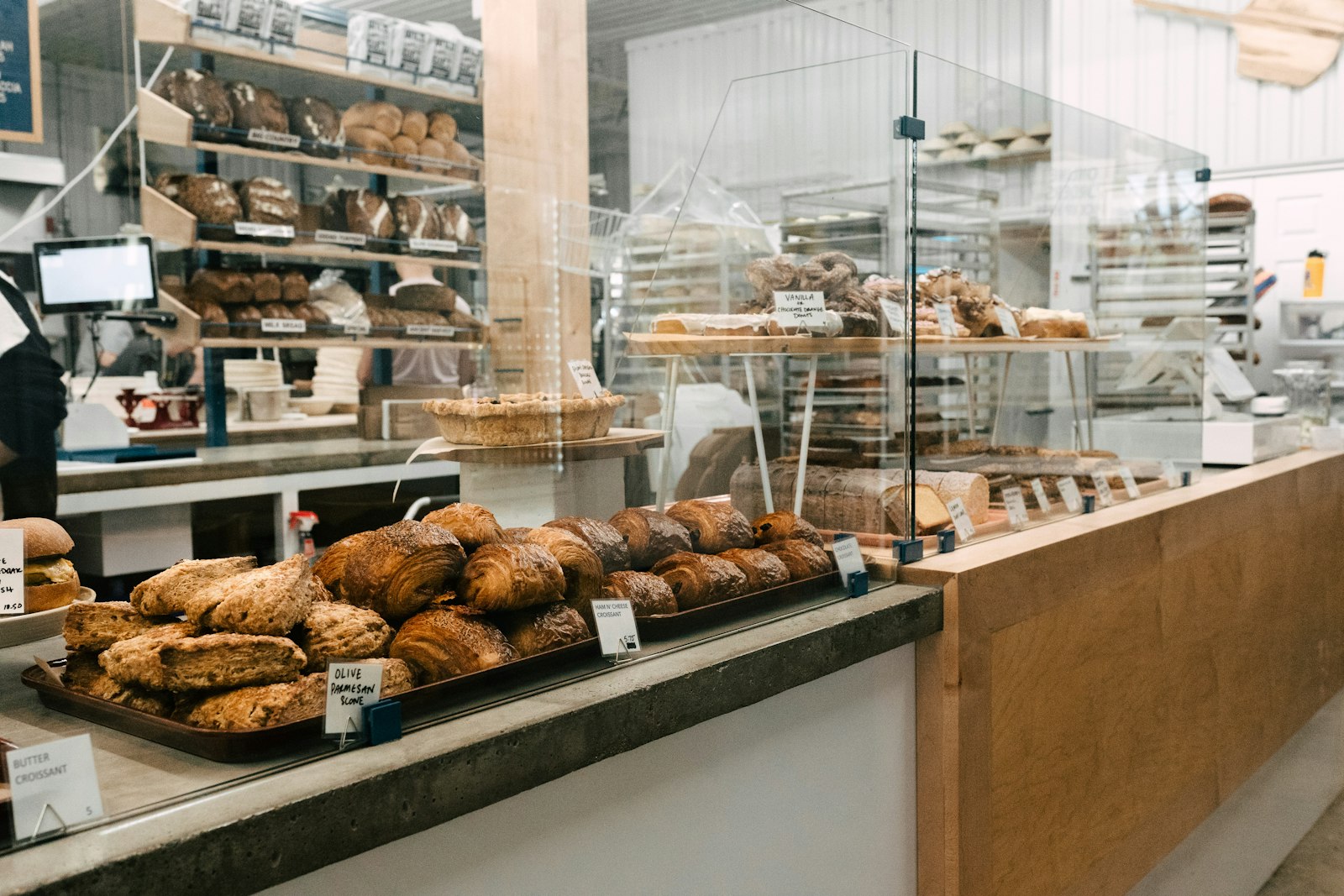
Italian bakery queue tickets are not used in every shop. A tiny neighborhood forno may simply remember who arrived first, while a busy bakery, food hall, supermarket counter, or popular pizza-by-the-slice shop may use an eliminacode, literally a queue-management system. The important rule is local rather than national: watch what that particular shop is doing.
How to tell whether you need a number
Do a quick scan before joining what looks like the queue. The ticket dispenser is often mounted near the entrance, attached to a wall or pillar, or positioned several steps away from the actual food counter. That is why visitors miss it.
You may see:
- Prendi il numero or Prendere il numero: take a number.
- Eliminacode: queue-number system.
- Numero servito: number currently being served.
- Attendere il proprio turno: wait for your turn.
- A small roll of numbered paper tickets protruding from a plastic dispenser.
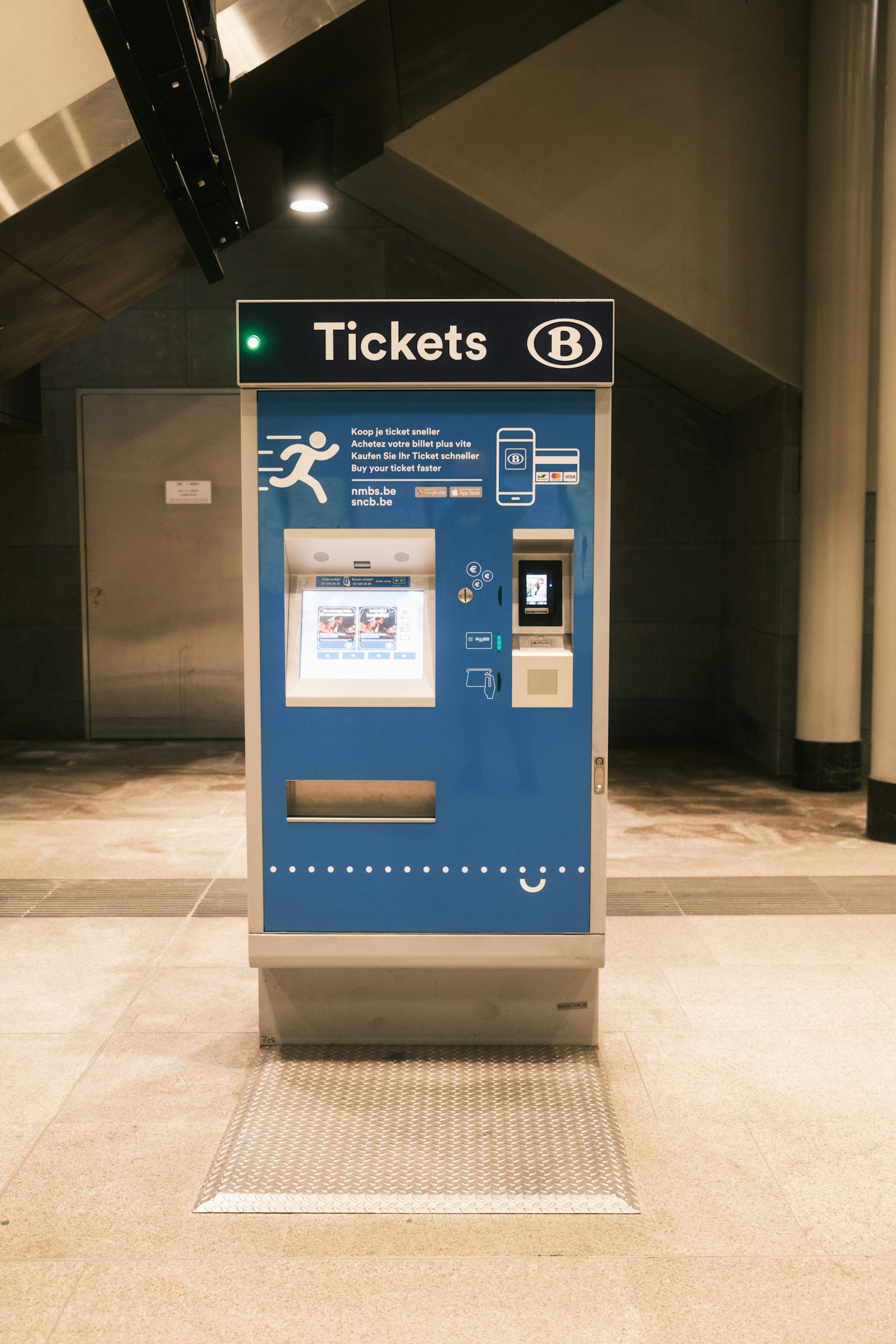
- A touchscreen that prints a ticket after you choose a department.
- An electronic display showing something such as 38, 39, 40 or A038.
The machine does not have to be beside the bread. In a larger shop it might sit near the door and issue numbers for several counters.
The normal sequence when there is a ticket machine
- Take one ticket when you arrive. Do this before spending five minutes inspecting every focaccia in the display.
- Check the number being served. If your ticket says 57 and the display says 51, you have several customers ahead of you.
- Stay within sight or hearing of the counter. Staff may use a screen, call numbers aloud, or do both.
- Approach when your number appears or is called. Have a rough idea of what you want so the next twenty people do not watch you conduct a philosophical inquiry into six types of bread.
- Order first, then follow the shop’s payment procedure. Some bakeries take payment at the same counter. Others send you to a separate cassa, or cashier.
Your numbered slip is normally only your place in the queue. It is not an order ticket and it does not automatically tell the cashier what you bought.
What if the touchscreen asks you to choose a department?
Larger food shops can have several queues running from one machine. Read the buttons before tapping the first thing that looks plausible.
- Pane or panetteria: bread and bakery counter.
- Pizza: pizza counter, where listed separately.
- Gastronomia: prepared foods such as cooked dishes, salads and sometimes cheeses.
- Salumi e formaggi: cured meats and cheeses.
- Pasticceria: cakes, pastries and sweets.
A letter before your number can identify the department. A display showing A42 while you hold B17 does not mean the shop has inexplicably skipped you. Watch for the matching letter as well as the digits.
When there is no ticket: ask who is last
Many traditional shops operate with an invisible queue. Customers may be scattered around the counter instead of standing in a neat line, yet everybody knows who arrived before whom.
The useful phrase is:
“Chi è l’ultimo?”
Who is last?
Someone will usually indicate themselves with a word, gesture, or raised hand. You then remember that person. When they finish, you are next unless another customer was already ahead of you.
You may also ask:
“C’è da prendere il numero?”
Do I need to take a number?
This is the safest question if you see a crowd but cannot work out the system.
Do not rely on where people are standing
A queue-number system allows customers to wander. Someone examining biscuits at the back of the shop may have a number ten places ahead of you. Another person standing directly beside the counter may be waiting for a different department.
For the same reason, seeing an empty space in front of the display case does not necessarily mean the counter is free.
Watch for three clues together: a dispenser, paper slips in other customers’ hands, and a display showing the current number. If you see any of them, investigate before ordering.
What to say when your number is called
Start with buongiorno or buonasera, then order. Italian shop interactions can be brief without being unfriendly, and a greeting before launching into quantities is a useful habit. Our guide to US-Italy cultural differences explains why the service rhythm can feel different if you are used to a more scripted retail exchange.
Useful phrases include:
- Vorrei questo, per favore. I would like this, please.
- Due di questi. Two of these.
- Un pezzo, per favore. One piece, please.
- Mezzo chilo. Half a kilo.
- Basta così, grazie. That’s enough, thank you.
- Pago qui? Do I pay here?
- Dov’è la cassa? Where is the cashier?
Bread, focaccia, pizza and other counter foods may sometimes be sold by weight rather than per piece. If you see al kg, all’etto or a peso, check the unit before ordering. The Italian menu terminology guide covers these weight and pricing expressions in more detail.
What happens if you miss your number
If the screen has moved past you, do not elbow your way back to the counter as though the number entitles you to interrupt whoever is being served. Show your ticket and say:
“Scusi, avevo il numero 42.”
Excuse me, I had number 42.
Staff may serve you next, ask you to wait for the current customer to finish, or tell you to take another ticket. Follow their instruction. The procedure belongs to the shop, so there is no Italy-wide rule guaranteeing that an expired number remains valid.
Do you need another ticket if you want something from a second counter?
Possibly. In a shop with separate bakery, deli and cheese counters, each department can have its own queue. A number for panetteria may not give you a place at gastronomia.
Look at the ticket or touchscreen. If different departments have separate buttons or letter prefixes, take the appropriate number for each counter. If you are unsure, ask “Serve un altro numero?”, meaning “Do I need another number?”
This matters when you are buying food for a train journey or picnic and trying to collect bread, cheese and prepared dishes in one stop. You can organize the rest of your Italy route around these small errands rather than discovering at departure time that lunch involves three separate queues.
Common mistakes that make the bakery queue harder than it needs to be
- Browsing first and taking a ticket later. In a busy shop, take your place before you browse.
- Assuming a crowd has no order. It may be an invisible verbal queue.
- Ignoring the letter on an electronic ticket. A17 and B17 can belong to different counters.
- Taking several numbers “just in case.” This only creates skipped calls and confusion.
- Walking outside while waiting. The display may advance quickly, and verbal calls can be easy to miss.
- Ordering from the counter simply because nobody is physically in front of you. Check the system first.
- Assuming payment is always at the food counter. Watch where the previous customer goes after being served.
The five-second rule when you enter
Before staring at the bread, look near the entrance, walls and counter for a ticket machine. If you see one, take a number. If you do not, watch the customers for a moment. Still unclear? Ask “C’è da prendere il numero?”
That one sentence solves most bakery-queue uncertainty. If the answer is no, ask “Chi è l’ultimo?” and join the invisible line. Once you know which system the shop is using, the apparently chaotic crowd usually becomes surprisingly orderly.