Italian buses are usually identified by two things: the line number and the destination shown on the front of the bus. That destination is normally the capolinea, or terminus, at the far end of the route. When reading Italian bus direction signs, do not expect your intermediate stop to appear on the front display. Find your stop on the route, work out which terminus lies beyond it, then board the bus displaying that terminus.
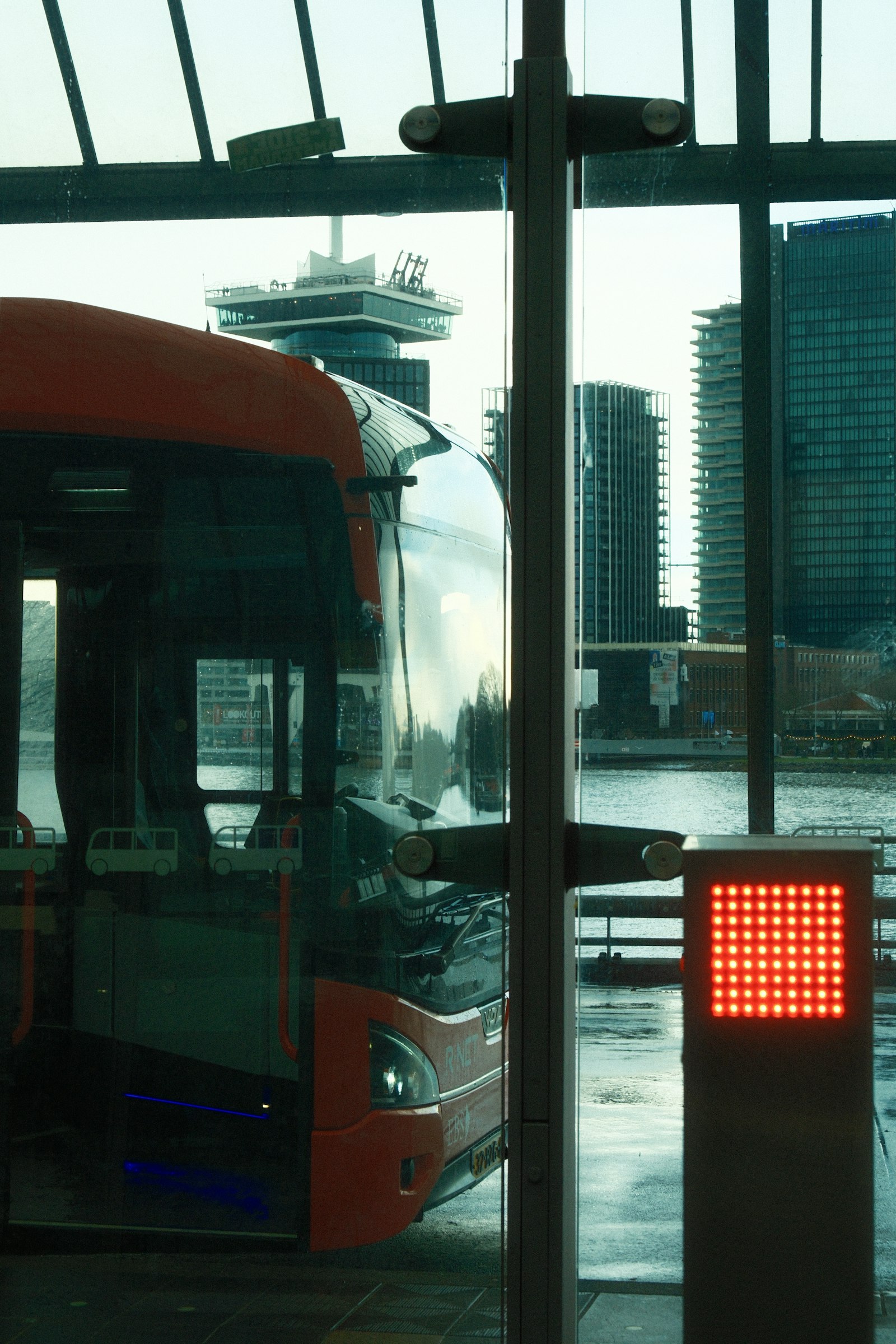
This is why knowing only “I need bus 64” or “my stop is Via X” is not enough. The same line number normally operates in both directions, and the bus going the wrong way can look almost identical.
The three Italian words that solve most of the confusion
Bus stops, operator websites and journey planners repeatedly use three terms:
- Capolinea: terminus, the end of the route.
- Direzione: direction. A route may be listed as direzione [terminus name].
- Fermata: stop. Your hotel, museum or street will usually correspond to a fermata somewhere between the two termini.
You may also see verso, meaning “toward.” A sign saying verso Stazione, for example, means the vehicles are heading toward the station.
The key distinction is simple: your fermata tells you where to get off; the capolinea tells you which direction to board.
How to work out the correct direction before the bus arrives
Suppose a route runs:
Capolinea A → Stop B → Stop C → Your Stop → Stop D → Capolinea E
If you are currently near Stop B, you need the bus displaying Capolinea E. Your destination may never appear on the exterior display because the vehicle continues well beyond it.
Use this sequence at the stop:
- Confirm the line number.
- Find your destination in the list or map of stops.
- Look farther along the route to identify the terminal in that direction.
- Check that terminal name against the stop pole, electronic display or journey planner.
- When the bus arrives, check both its number and displayed destination before boarding.
This takes a few seconds once you get used to it and prevents the most common mistake: boarding the correct line in the opposite direction.
Why the stop across the road may be the wrong one
On a straightforward two-way avenue, buses traveling in opposite directions often stop on opposite sides of the street. In that situation, crossing the road may be all you need to do after discovering you are facing the wrong way.
Italian city centers are rarely that cooperative.
One-way streets, pedestrian zones and traffic restrictions can send the return route along a different street. The opposite-direction stop might be around a corner, one block away or on another side of a large piazza.
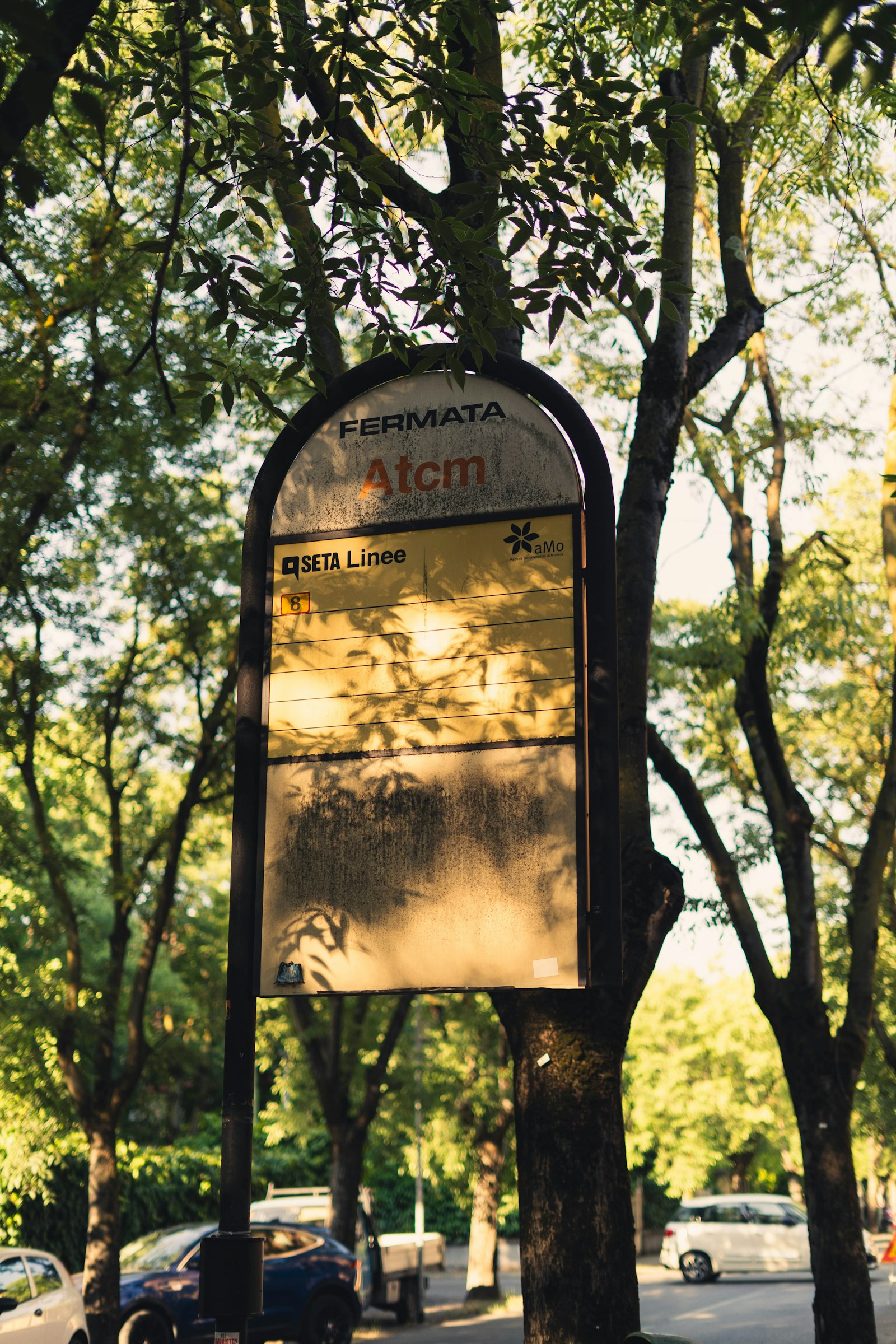
Do not assume that seeing your line number on a nearby palina, the bus-stop pole, proves you are standing in the correct place. Check the direction or sequence of stops as well.
At railway stations and large interchange points, look for words such as pensilina (shelter or designated boarding area), banchina (platform) or a numbered/lettered bay. Several stops serving different directions can be packed into the same square.
What to check on the bus itself
The clearest information is normally on the electronic display at the front. It may show:
- the line number;
- the final destination;
- a station, district, street or square used as the terminal;
- a different terminal when that particular journey ends early.
Side and rear displays can provide additional confirmation, but the front display is the one to check first.
If the number is correct but the destination is not the one you expected, do not board automatically. There may be a short working, diversion or route variant.
Beware of a “corsa limitata”
A particularly useful phrase is corsa limitata. It means that a particular journey terminates before the line’s normal endpoint.
This is not unique to one city. Italian operators use shortened journeys for scheduling, late-night service, disruptions and temporary operational changes.
A bus can therefore have the correct route number and initially follow exactly the route you want, yet terminate before reaching your stop.
If the displayed destination is an unfamiliar intermediate location, check the stop sequence before boarding. If necessary, ask:
Va fino a [place]? means “Does it go as far as [place]?”
If the answer is no, wait for a journey displaying a terminal beyond your destination.
Temporary diversions can change the destination you need
Roadworks, demonstrations, sporting events and street closures frequently alter surface transport. Operators generally describe these changes using terms such as deviazione (diversion), fermata sospesa (stop suspended), capolinea temporaneo (temporary terminus) or percorso modificato (modified route).
During a diversion, the normal rule still works, but the terminus or stop sequence may have changed. A journey planner saved several days earlier is therefore less useful than current information from the operator.
For live changes, check the local network rather than assuming the system works identically nationwide. Rome’s operator is ATAC, Milan‘s is ATM, and Turin’s is GTT. Other cities and regions have their own operators and terminology can vary slightly.
Circular routes need a different check
A circular or loop service may not have two obvious termini. In that case, the destination name alone may not tell you enough.
Open the route’s stop sequence and look at what comes after your boarding stop. Your destination needs to appear farther down that sequence. If it appears before your current stop, the vehicle may be about to take you around most of the loop before reaching it again.
The same approach helps with routes that have branches. Two buses can share a line number for much of their journey and then separate near the end. Check the displayed endpoint rather than assuming every vehicle with that number serves every stop.
Do not confuse the terminus name with a famous landmark
Terminal names can be surprisingly unhelpful to visitors. A bus serving a major attraction may be signed for a suburban square, metro station or street you have never heard of.
That is normal.
You do not need to know what is at the terminus. You only need to know that it lies after your stop in the direction you need to travel.
Likewise, do not reject a bus simply because the Colosseum, Duomo, Vatican or your hotel district is absent from the front display. Intermediate landmarks normally do not become the bus’s advertised destination.
A reliable way to save the information on your phone
Before leaving Wi-Fi, save four details rather than only the route number:
- line number;
- boarding stop name;
- direction or terminus name;
- the stop where you will get off.
A screenshot of the stop sequence is especially useful because it still works if mobile data becomes unreliable. For journeys involving several cities, you can also organize the rest of your Italy route so individual bus rides make sense within the larger day’s plan.
For Rome, the practical overview in How to Get Around Rome Without Stress is useful for deciding when a bus is actually the best option and when metro or walking will be simpler.
Once aboard, watch the sequence rather than the destination display
After boarding, the terminus has done its job. Now switch your attention to the intermediate stops.
Newer vehicles may have screens and automated announcements showing the next stop. On other buses, information can be less obvious. Following your position on a map is useful, but keep the official stop name handy because it may be based on street names or an intersection rather than the landmark you are visiting.
Press the stop-request button in good time before your stop. Look for a button marked STOP or fermata. Do not wait until the bus is already passing the stop to decide you want to get off.
If you realize you are going the wrong way
There is usually no reason to ride all the way to the terminus.
- Press the stop button and get off at the next practical stop.
- Check the route in the opposite direction.
- Locate the correct return stop rather than assuming it is directly across the street.
- Confirm the destination displayed on the next bus before boarding.
If you are unsure which side you need, a useful question is Per [place], da che parte?, roughly “For [place], which way?” At a larger interchange, asking Dov’è la fermata per [terminus]? asks where the stop toward that terminal is.
The 10-second check before every Italian bus
When a bus approaches, resist the urge to board as soon as you recognize the number. Read it in this order:
Correct line number → correct terminus/direction → your stop lies before that terminus.
If all three match, get on. If only the line number matches, keep checking. That small habit is far more reliable than looking for your own stop name on the front of the bus, because in most cases it was never supposed to be there.