The safest way to handle fish priced by weight in Italy is to ask for three things before the kitchen starts cooking: the price per kilo or per 100 grams, the weight of the fish you are being offered, and the approximate total price. A menu saying “€70 al kg” does not mean the dish costs €70. If the fish weighs 800 grams, the fish portion is €56 before any separately listed extras.
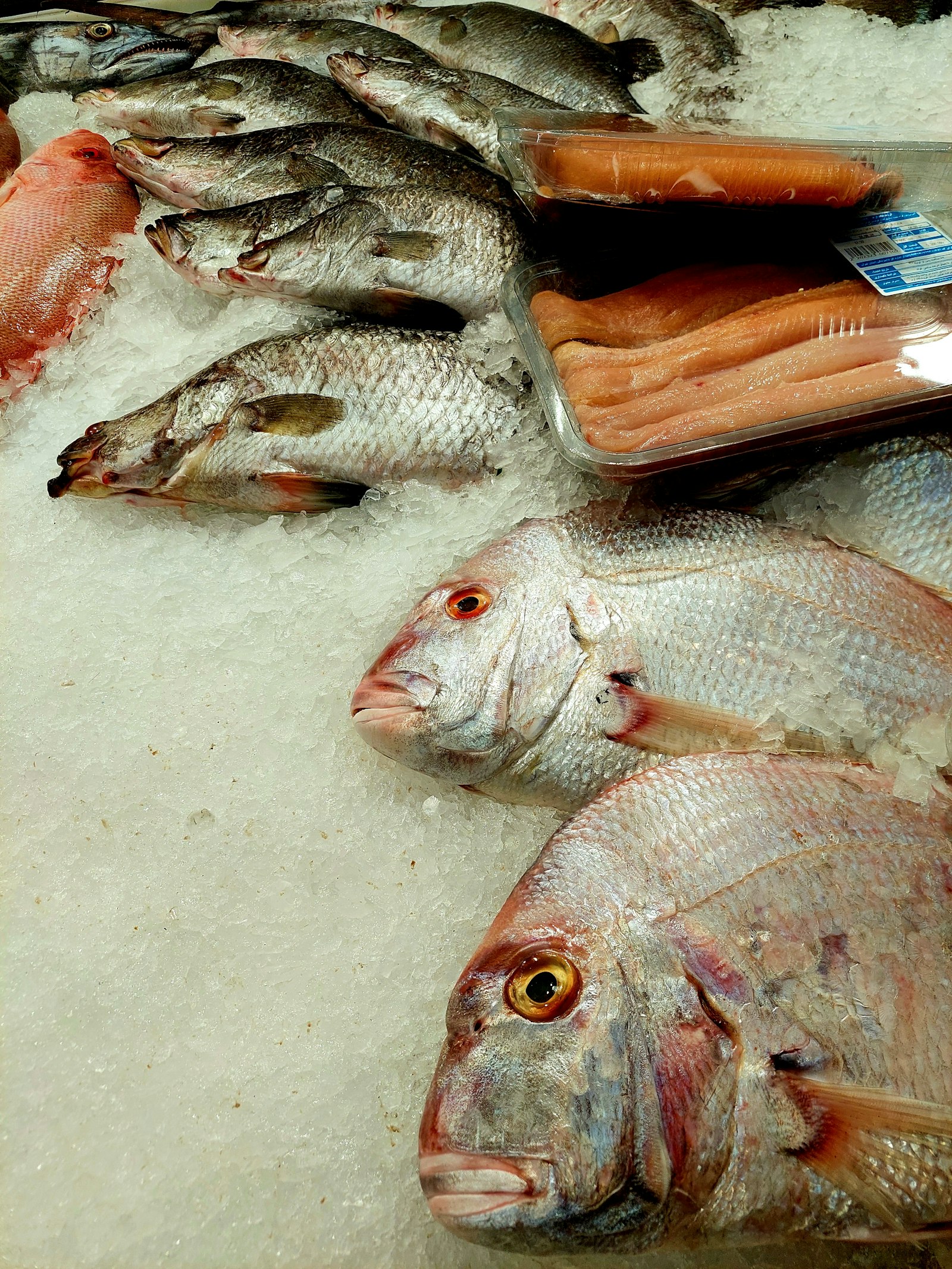
Do not be shy about asking. Whole fish, lobster, prawns and other seafood are often sold by weight, especially when the restaurant shows you the catch and lets you choose a piece. The expensive mistakes usually come from misunderstanding the unit, not from difficult arithmetic.
Read the unit next to the price
Look for a small word or abbreviation beside the euro amount. These are the most useful ones:
- al kg or €/kg: price per kilogram.
- all’etto: price per etto, which is 100 grams.
- 100 g or hg: also 100 grams. One hectogram is one etto.
- a peso: sold by weight rather than at a fixed price.
- per due: for two people. This describes the intended serving, not necessarily a fixed total price.
The dangerous little word is etto. A fish marked €8 all’etto costs €80 per kilogram. If it weighs 700 grams, that is seven etti, so the fish costs €56.
Italian menus also use a comma as the decimal separator. €7,50 all’etto means €7.50 per 100 grams, not €750.
If the menu language itself is slowing you down, the Italy on Foot Italian menu translator covers the other pricing and restaurant terms that commonly cause confusion.
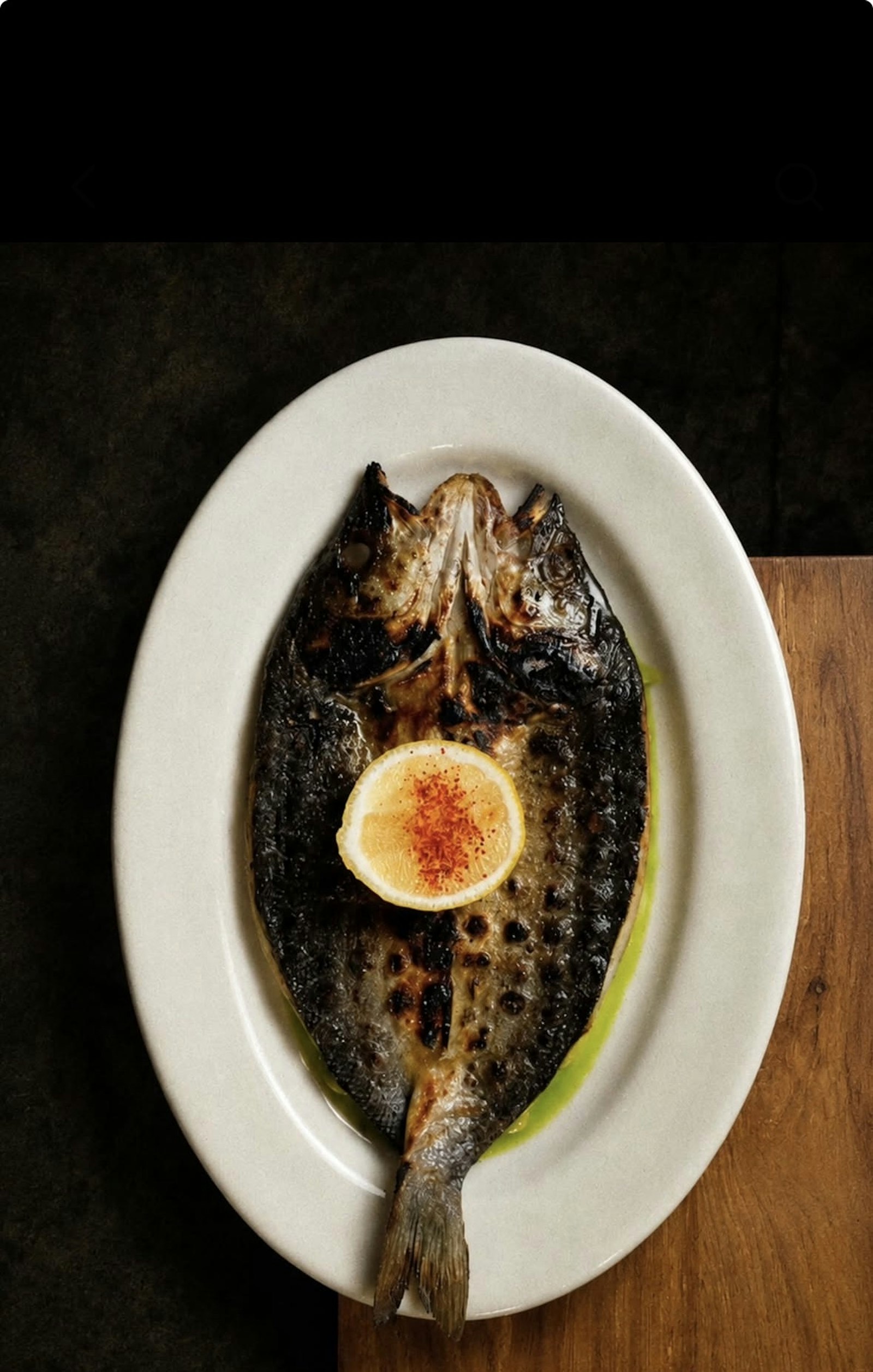
Ask these three questions before you order
You do not need a long conversation in Italian. These questions are enough:
- Quanto costa al chilo? How much does it cost per kilo?
- Quanto pesa questo pesce? How much does this fish weigh?
- Quanto viene circa in totale? About how much will it cost in total?
If the menu uses a price per 100 grams, ask Quanto costa all’etto? instead. If the server brings the fish to the table for approval, this is the ideal moment to ask the weight and total. Once you know both numbers, there should be no mystery left.
Ask what weight will actually be charged
With a whole fish, do not assume that “800 grams” means 800 grams of edible fish on your plate. A restaurant may calculate the charge from the whole specimen before cleaning or preparation, while another dish may be priced according to a cleaned portion. Ask rather than assuming which method applies.
Il prezzo è sul peso del pesce intero? Is the price based on the weight of the whole fish?
If you would rather not pay for a whole specimen with head, bones and skin, ask whether a fillet or another fixed-price fish dish is available. A dish with one stated menu price is the easiest choice when you need certainty about the bill.
Do the total before the fish leaves the table
The calculation is simple:
- At €60 per kg, a 500 g fish costs €30.
- At €60 per kg, a 900 g fish costs €54.
- At €7 per etto, a 600 g fish costs €42.
You do not need the exact weight to the gram to protect your budget. An approximate total is enough. If the server says the fish is about 900 grams and the menu says €60/kg, you know you are agreeing to roughly €54 for the fish.
For a verbal special or the catch of the day, never stop at “fresh today.” Ask for the unit price and approximate weight. The same rule applies if a server recommends a larger fish “for the table.” “For two” or “for three” tells you who it is intended to feed, not what it will cost.
Check whether anything else is charged separately
The fish price may not be the entire table bill. Side dishes, bread, a cover charge or a service component may be separate where applicable and properly disclosed. Do not assume that potatoes, salad or another contorno shown with the fish are included unless the menu says so.
The detailed rules for displaying restaurant prices are regional rather than identical throughout Italy. For example, the City of Milan’s official business portal states that customers receiving table service must have the price list available before ordering and that any service component must be indicated clearly.
For timing restaurant stops around trains, ferries and sightseeing days, you can plan your Italy route and keep meal plans alongside the rest of the itinerary.
What to do if the fish is shown to you but not weighed
If the server holds up a whole sea bass, bream or another fish and asks for approval, you do not have to answer immediately. Ask:
Me lo può pesare prima, per favore? Can you weigh it first, please?
Then ask for the approximate total. If the restaurant cannot or will not tell you the weight before cooking, choose something with a fixed listed price instead. You can also ask for a smaller specimen:
Ne avete uno più piccolo? Do you have a smaller one?
This is particularly useful when one fish is being proposed for several diners. A larger specimen may be perfectly reasonable for the table, but the total can climb quickly when the menu price is per kilogram.
If you have already said yes
If the fish has not gone to the kitchen yet, stop the order politely and clarify the cost:
Un momento, vorrei sapere il peso e il prezzo totale prima. One moment, I would like to know the weight and total price first.
If it has already been cooked and the bill is higher than expected, ask for an itemized bill and compare the amount with the unit price shown on the menu. Useful phrases are Possiamo vedere il peso? (Can we see the weight?) and Possiamo avere il conto dettagliato? (Can we have an itemized bill?). If there is a genuine discrepancy, raise it with the manager before paying and keep the receipt.
A vague answer before ordering is a warning sign. The guide to Italian restaurant red flags explains the same principle for verbal specials, service charges and other common bill surprises.
The easiest rule to remember
For seafood sold by weight, never approve the fish based only on the euro figure printed beside its name. Confirm unit price + weight + approximate total. If one of those three is missing, ask before the fish goes to the kitchen.