If your Italian train seat changed after booking, use the newest carriage and seat assignment issued by the train operator. A changed coach number usually means the operator has substituted a different trainset or altered the train composition. Your booking can still be valid for the same train, date and route even though the physical seat has moved. Check the operator app, current booking record or latest message before boarding, and keep the older confirmation until the trip is over.
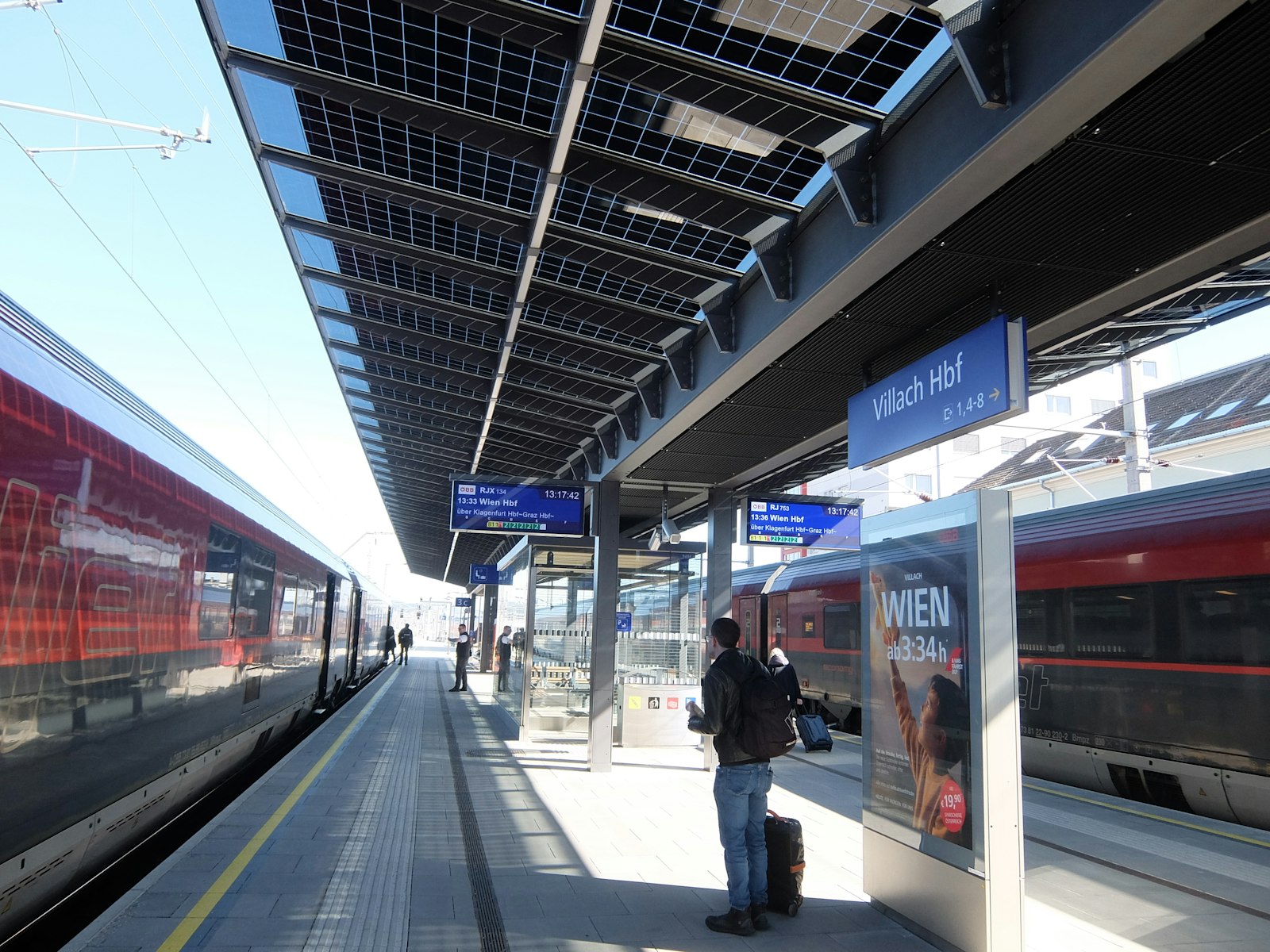
The important distinction is between a seat reassignment and a journey change. If the train number, departure time and route are unchanged, you normally still take that train. If the train number, date, departure station or service class has also changed, treat it as a broader rebooking and verify the whole journey rather than focusing only on the seat.
Why a booked seat can suddenly move
High-speed and long-distance trains are sold using a planned train configuration. If the operator later replaces that trainset for maintenance, operational or fleet reasons, the replacement may have a different number of coaches, a different seating layout or different service areas. The original seat map may no longer match the train that will actually arrive.
That can produce changes such as:
- coach 7 becoming coach 5;
- the same seat number appearing in a different coach;
- a window or aisle seat being remapped;
- two travelers who were together being assigned seats farther apart;
- a table, quiet-area or other preferred position no longer matching the original layout.
The train number is the identity of the service. The carriage and seat are your position inside that service. An equipment swap can change the second without cancelling the first.
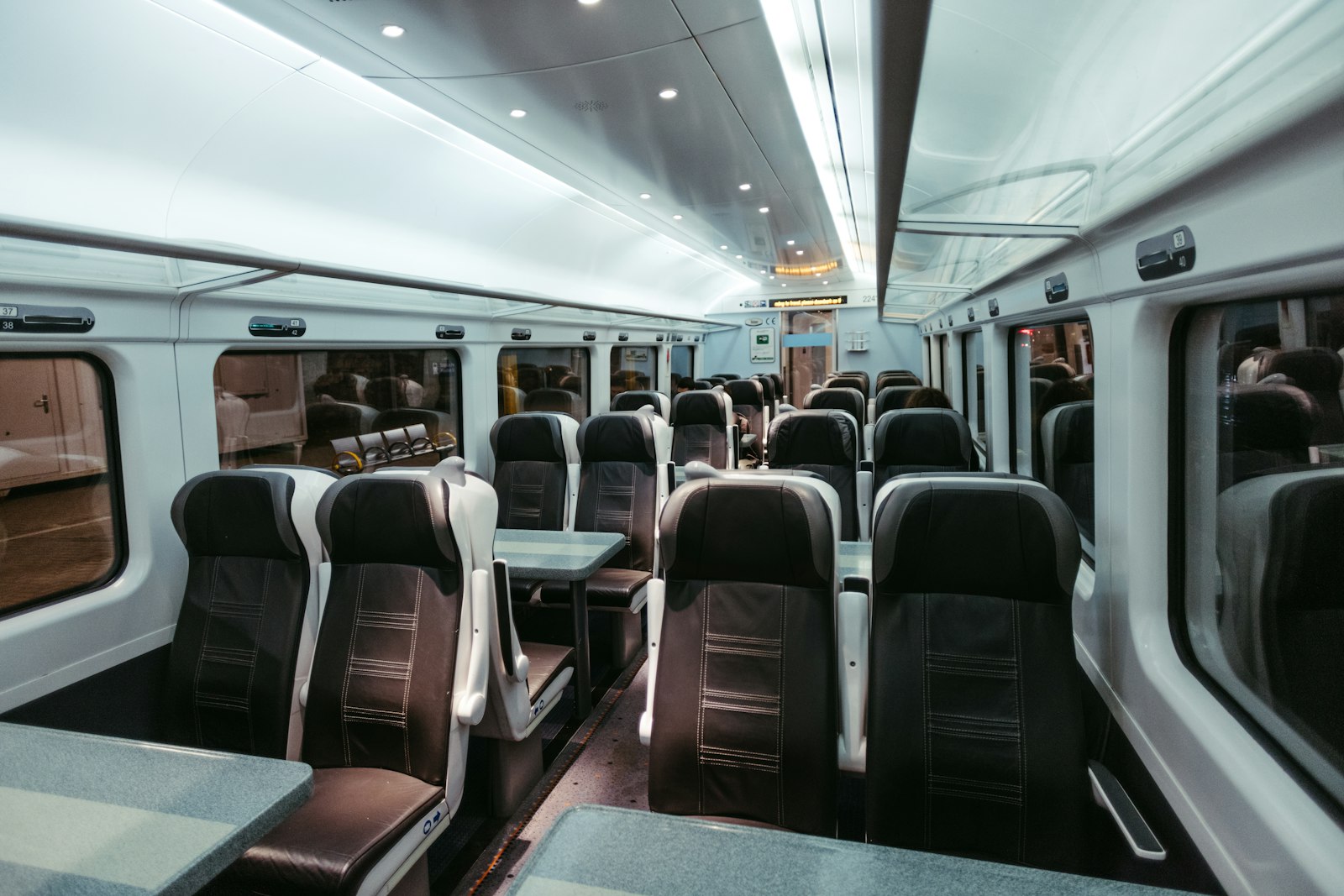
Which carriage and seat should you use?
Use the most recent operator-issued assignment. Do not rely on an old screenshot just because it was the first ticket you saved.
- Open the booking in the official Trenitalia or Italo app or website if you can.
- Check the latest email, SMS or operator notification for a revised carrozza and posto.
- Confirm that the train number, date, origin and destination still match your journey.
- If two official records disagree and you cannot tell which is newer, show both to station or onboard staff.
For Trenitalia ticketless journeys, the PNR identifies the reservation, while the email is a booking reminder rather than something that must be printed. Trenitalia explains ticket use and reservation changes on its national ticket information page. Italo tickets also include the assigned coach and seat, so a later operator-issued reassignment should be treated as the current seating instruction.
How to find the new coach at the platform
Look for these Italian words:
- Binario: platform or track.
- Carrozza: coach or carriage.
- Posto: seat.
- Composizione treno: train composition or coach order.
- Settore: a marked section of the platform, often shown by a letter or number.
At larger stations, platform displays may show the train composition and which coach is expected to stop in each sector. This is useful after a swap because coach 3 may now be near the opposite end of the train from where you expected it. Platform composition displays are not available everywhere, so also check the coach number shown on or beside the train door when it arrives.
Read the carriage and seat as a pair. Seat 12 in coach 3 is not the same reservation as seat 12 in coach 6.
If the train is about to leave and your new coach is far away
Do not risk missing the train simply because you are standing beside the wrong carriage. If boarding is still permitted, get onto the correct train through a nearby passenger door and move toward your assigned coach once safely aboard, or ask staff where to go. This matters at intermediate stations where the stop can be short. If staff tell you to remain where you are because of the train configuration, follow their instruction rather than forcing your way through with luggage.
What to do if your group has been split up
Equipment swaps can break up a carefully chosen pair or family group because the replacement train may not have the same block of seats. First check all passengers on the booking. Sometimes everyone has been moved and the new seats are together in a different carriage.
If the new assignments are separated, ask staff before departure or shortly after boarding if nearby seats are available. Do not simply occupy empty-looking seats. On reserved trains, those seats may belong to passengers boarding later.
Italo currently allows passengers to add or modify its paid seat-choice option after purchase, subject to availability, through its sales and assistance channels. The operator explains the current rules on its seat selection page. If a family is split by an operational reassignment, staff may also be able to move passengers around, but an identical replacement for the original layout cannot always be guaranteed.
If you paid specifically to choose a seat
A different coach number by itself is not the same as losing the service you paid for. If you still have an equivalent seat in the same travel class, the change may simply be an operational remap.
It becomes more important to document the change if you lose something you paid for, such as a higher service class or a paid ancillary seat option that is no longer provided. Keep the original confirmation and the revised assignment, and speak to staff while the issue is happening. That creates a much clearer record than trying to reconstruct the problem after the trip.
Trenitalia’s current refund rules specifically cover cases where a reserved seat is not actually available and cases where an unforeseen equipment substitution results in a lower class or service than the ticket provides. The exact remedy depends on whether you travel and on what service was lost, so check the operator’s refund conditions rather than assuming every seat change automatically produces compensation.
Luggage makes a late coach change more annoying
If you know about the reassignment before boarding, go directly to the new carriage and load your luggage there. It avoids dragging a suitcase through several crowded coaches after departure.
If you discover the change only after you have boarded, move your bag only when it is safe and practical. Do not block vestibules, doors or aisles while trying to correct the seating problem. If your suitcase is already stowed and moving it would cause a mess, ask the conductor what they prefer. Keep passports, wallets, phones and medication with you rather than leaving valuables in another coach.
Extra care for wheelchair spaces and booked assistance
For passengers using a wheelchair space or station assistance, the coach number is more than a convenience. Accessible places can be located in different coaches on different train models, so an equipment substitution can affect the exact boarding point.
If you have assistance booked through RFI, Trenitalia or Italo, show the revised assignment to the assistance team and follow their boarding instructions. Do not assume the old coach is still correct. If the change appears before travel and affects an accessible place, contact the operator or assistance service rather than waiting until the train is at the platform.
What if another passenger has the same new seat?
Show the newest booking record politely. The other passenger may also have been reassigned, and both of you may have perfectly genuine confirmations from different stages of the booking system.
If both tickets appear to claim the same carriage and seat on the same train, let the conductor or onboard staff resolve it. Do not start a chain reaction by taking another reserved seat at random. That often turns one duplicate-seat problem into three.
When the change is more than a minor inconvenience
Ask for staff help if any of these apply:
- your revised seat is in a lower class or service level than you bought;
- no seat is actually available for you on a reservation-required train;
- a paid seat option or other paid service has disappeared;
- a wheelchair space or accessibility arrangement no longer matches the train;
- a sleeper, couchette or cabin assignment has changed materially;
- the new assignment separates a child or passenger who needs assistance from the accompanying adult.
If the change affects a connection or forces you to rethink the rest of the day, you can organize the rest of your Italy route separately while keeping the train operator’s booking as the authority for the rail segment.
Regional trains usually work differently
Most ordinary regional trains do not have assigned seating, so there may be no carriage or seat number to change in the first place. A substituted regional train can have a different number of coaches without creating a seat-reassignment problem for passengers.
Frecciarossa, Italo, Intercity and other reservation-based services are the ones where carriage and seat details matter most. For a broader explanation of which Italian trains use reservations and which do not, see the Italy on Foot guide to train travel in Italy.
The 30-second check before you board
- Match the train number and departure time.
- Use the newest carriage and seat assignment.
- Check carrozza on the platform display or train door.
- Board the correct train even if the new coach is not where you expected.
- Keep the old and new confirmations until the journey is finished.
- If the new seat reduces your class, paid service or accessibility, speak to staff and keep evidence of the change.