At an Italian restaurant, asking for water will usually get you one immediate question: “Naturale o frizzante?” Choose naturale for still water and frizzante for sparkling. Restaurants commonly serve bottled or restaurant-filtered water rather than automatically bringing a free glass or jug from the tap. If you specifically want tap water, ask for acqua del rubinetto.
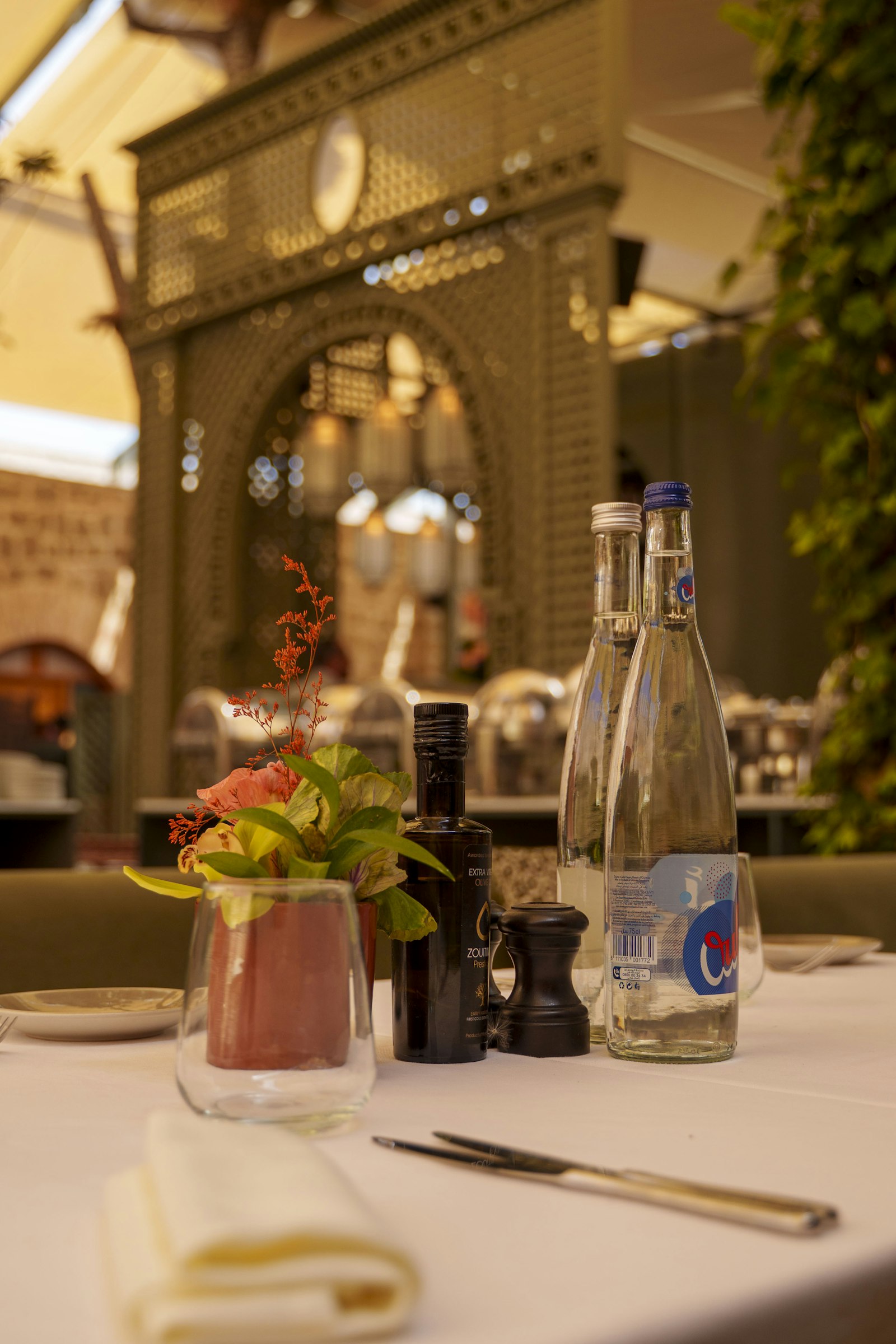
The basic rule for ordering water in Italy is to say the type you want, then the quantity if it matters. “Una bottiglia d’acqua naturale, per favore” gets you one bottle of still water. For sparkling, substitute frizzante. If you want a particular size, asking for mezzo litro or un litro is clearer than simply saying “small” or “large.”
Naturale, frizzante, gassata and liscia: what the words mean
You do not need a long Italian vocabulary lesson to get the right bottle. These are the terms that actually matter at the table:
- Acqua naturale: still water.
- Acqua frizzante: sparkling or carbonated water.
- Acqua gassata: another common way of saying carbonated water.
- Acqua liscia: literally “smooth” water, used informally for still water.
- Senza gas: without carbonation. Useful if naturale is not being understood.
- Leggermente frizzante: lightly sparkling.
The standard restaurant exchange is often no more complicated than:
“Acqua?”
“Sì, naturale, grazie.”
If two people want different types, say “Una naturale e una frizzante, per favore.”
Do Italian restaurants automatically give you bottled water?
Bottled water is the conventional choice at many sit-down restaurants, and it normally appears as a separate item on the bill. A server may ask which type you want before taking the rest of the drinks order.
Do not assume a bottle placed on the table is complimentary. If water arrives without anyone in your group ordering it, ask “È inclusa?” or “Quanto costa l’acqua?” before opening it. This is especially sensible in heavily visited areas where small extras can turn an apparently cheap menu into a less cheap meal.
The same principle applies to other restaurant charges. Our guide to Italian restaurant red flags explains what to check before ordering when water, bread, cover charges or off-menu items are unclear.
Can you ask for tap water?
Yes. Ask:
“Possiamo avere dell’acqua del rubinetto, per favore?”
“Could we have some tap water, please?”
What happens next depends on the restaurant. It may bring a carafe, offer filtered water instead, tell you that only bottled water is served, or charge for water treated and dispensed on the premises.
There is an important distinction here. Italy’s national drinking-water legislation tells regions and autonomous provinces to encourage or incentivize the provision of free drinking water to restaurant customers. It does not create a simple nationwide rule saying that every restaurant customer is entitled to a free jug of tap water. You can read the relevant national framework in Legislative Decree 18/2023, which was subsequently amended in 2025.
Local measures and individual restaurant practices can therefore differ. Asking politely is fine. Arguing that Italian law guarantees free table water is not a reliable strategy.
Tap water, filtered water and bottled water are not the same order
A restaurant may offer several things that look similar once they reach your table:
- Acqua del rubinetto: water directly from the tap.
- Acqua filtrata or microfiltrata: mains water treated through the restaurant’s filtration system.
- Acqua alla spina: dispensed water, sometimes still and sometimes sparkling. Do not assume it is free.
- Acqua minerale: mineral water, normally supplied in a bottle.
Filtered water is often served in a reusable glass bottle or carafe bearing the restaurant’s name rather than a sealed commercial mineral-water bottle. It can still have a menu price.
If the distinction matters, ask “È acqua del rubinetto o microfiltrata?”
Which bottle size should you order?
There is no single restaurant bottle size used everywhere in Italy. You may see 50 cl, 75 cl, one litre or other formats depending on the producer and restaurant.
Useful ways to order include:
- Una bottiglia da mezzo litro: a half-litre bottle.
- Una bottiglia da 75 centilitri: a 750 ml bottle.
- Una bottiglia da un litro: a one-litre bottle.
- Una bottiglietta d’acqua: a small bottle, particularly useful at a bar, station or takeaway counter.
Piccola and grande work too, but they are relative. A restaurant’s “large” bottle might be 75 cl while another restaurant serves one litre. If you care about quantity or price, use the volume printed on the menu.
How much should you order for the table?
For one person, a small bottle may be enough if the restaurant offers one. For two or more people, a larger shared bottle is usually simpler. There is nothing unusual about ordering another bottle during the meal.
If several people are sharing, say:
“Una bottiglia grande di naturale per il tavolo, per favore.”
If half the table prefers sparkling, order one of each rather than trying to negotiate the bubbles person by person.
How to ask for cold water, room-temperature water and ice
For cold water, ask for acqua fredda. If you dislike very cold drinks, “non troppo fredda” means “not too cold.” For room temperature, ask for “a temperatura ambiente.”
Ice is ghiaccio:
- Con ghiaccio, per favore: with ice, please.
- Senza ghiaccio: without ice.
- Posso avere del ghiaccio?: can I have some ice?
Do not expect American-style glasses packed with ice or automatic unlimited refills. If you want another bottle or another glass of something, ask.
Ordering water at a bar or café
At a bar, kiosk, bakery or station shop, a small commercial bottle is more likely than restaurant-style table service. The easiest order is:
“Una bottiglietta d’acqua naturale, per favore.”
or:
“Una bottiglietta frizzante, per favore.”
If the bar has both counter and table service, the price can differ depending on where you consume your drink. Check the displayed menu before sitting in a prominent piazza or historic café. For more words you are likely to encounter around food and drinks, keep our Italian menu translator handy.
Is Italian tap water safe to drink?
Water supplied for human consumption in Italy is subject to national drinking-water standards and monitoring. In normal circumstances, the cold-water tap in accommodation connected to a compliant municipal supply is intended to provide potable water.
That does not mean every source of running water you encounter should be treated as drinkable. Temporary local restrictions can occur, and a problem inside an individual building can be different from a problem with the municipal supply. If hotel or apartment water is discoloured, smells genuinely abnormal, or the property has posted a warning, ask the host or reception before drinking it.
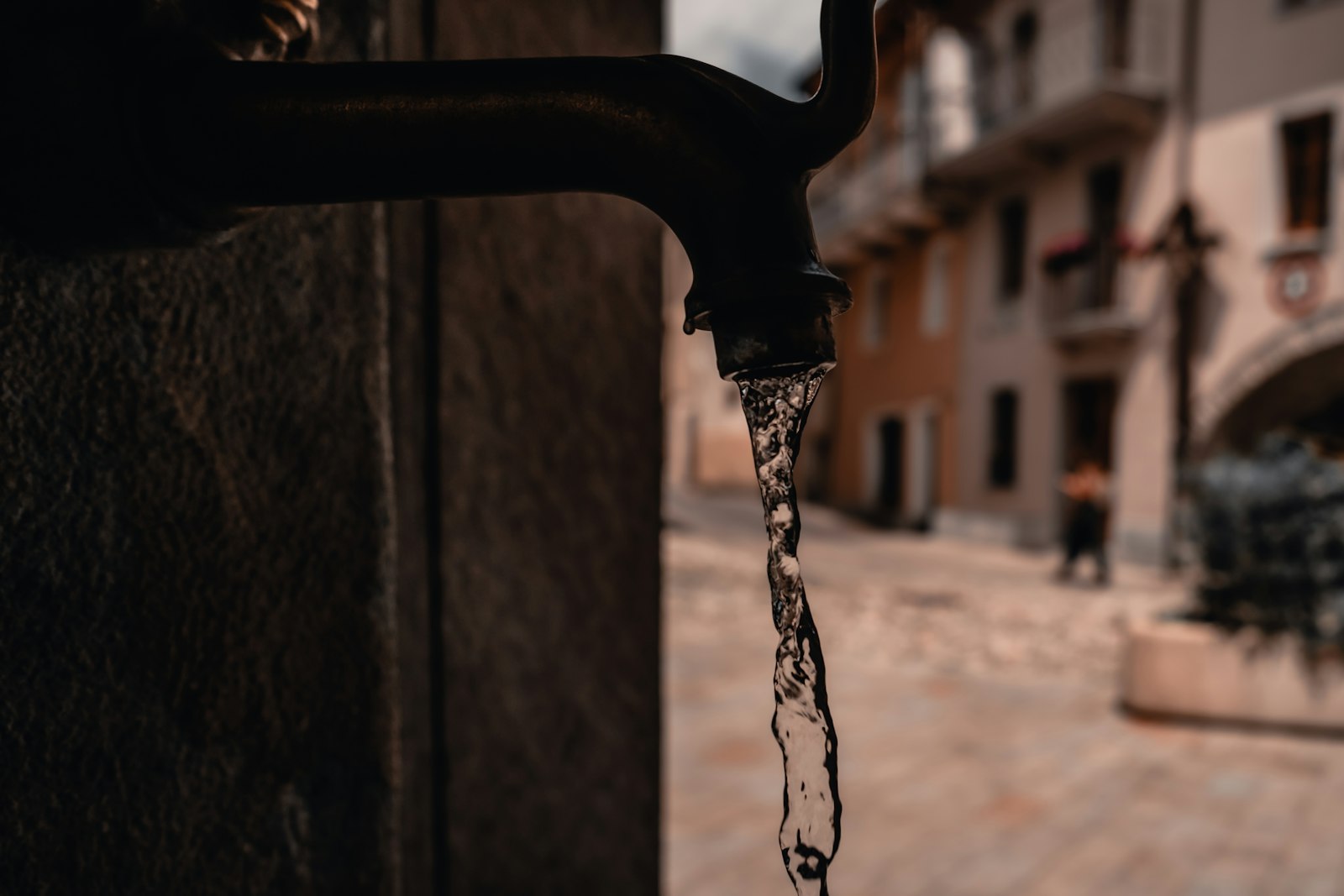
Reading public fountain signs
Two phrases matter outdoors:
- Acqua potabile: drinking water.
- Acqua non potabile: not drinking water.
Do not fill your bottle from decorative fountains simply because water is flowing. Use a known municipal drinking fountain or a source explicitly identified as potable.
A refillable bottle becomes particularly useful when city-hopping. You can organize the rest of your Italy trip around walking routes and transport without needing to start every sightseeing stop by hunting for another shop selling water.
What to do when the restaurant will not serve tap water
If you ask for acqua del rubinetto and the answer is no, there is rarely much value in turning dinner into a legal debate. Ask what alternatives are available:
“Avete una bottiglia piccola?”
“Do you have a small bottle?”
or:
“Avete acqua microfiltrata?”
“Do you have filtered water?”
If you are trying to limit the bill, check the drinks section before ordering. A menu may show the exact bottle size beside the price, which makes comparing a 50 cl bottle with a 75 cl or one-litre option much easier.
Common water-ordering mistakes
- Saying only “water” and expecting a glass from the tap. You will probably be asked still or sparkling, and the default restaurant product may be a bottle.
- Assuming water is free because it appeared on the table. Check before opening an unsolicited bottle.
- Thinking frizzante means flavored water. It simply means sparkling.
- Assuming filtered water is complimentary. Restaurant-filtered or dispensed water can have a listed price.
- Requesting “a large bottle” when size matters. Ask for 75 cl or one litre instead.
- Believing restaurants throughout Italy must provide free tap water. National legislation promotes access, but restaurant obligations and practices are not that simple.
- Drinking from any public fountain. Look for acqua potabile and avoid anything marked non potabile.
The shortest phrases worth remembering
- Una naturale, per favore. One still water, please.
- Una frizzante, per favore. One sparkling water, please.
- Senza gas. Still, without carbonation.
- Una bottiglia da un litro. A one-litre bottle.
- Una bottiglietta. A small bottle.
- Acqua del rubinetto, per favore. Tap water, please.
- È inclusa? Is it included?
- Quanto costa l’acqua? How much is the water?
- È potabile? Is it safe to drink?
If a waiter asks “Naturale o frizzante?”, you already know almost everything required for the normal restaurant exchange. Pick still or sparkling, specify the bottle size when necessary, and ask explicitly for acqua del rubinetto when a bottle is not what you want.