There is no single nationwide rule saying every Italian apartment must be silent after 10 p.m. The hours that matter can come from the building’s condominium regulations, your rental agreement, municipal noise rules, and national rules against excessive disturbance. In practice, the safest approach is simple: check the posted or host-supplied hours, keep avoidable noise low overnight and during any midday rest period, and do not assume that being outside a stated quiet period gives you permission to make unlimited noise.
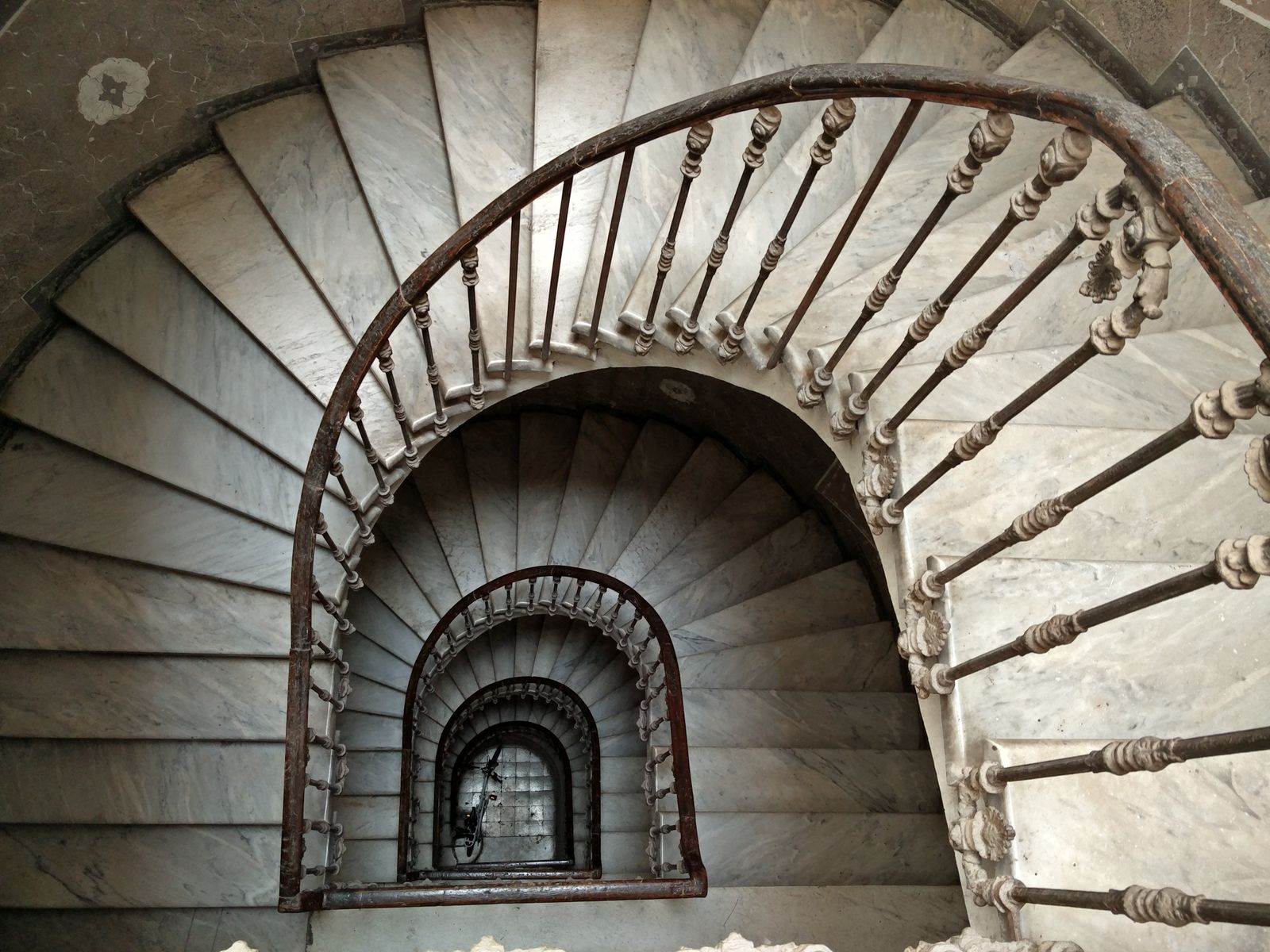
For travelers, quiet hours in Italian apartments matter most in residential buildings where permanent residents share stairwells, courtyards, lifts and thin walls with short-term guests. A rolling suitcase, slamming entrance door or late conversation on a balcony can travel much farther through an old palazzo than it seems from inside your rental.
There Is No Italy-Wide Quiet-Hours Timetable
Ignore any travel advice claiming that all of Italy observes one fixed period such as 10 p.m. to 8 a.m. Italian law does address noise and disturbance, but it does not create one universal apartment curfew for the entire country.
Nationally, excessive noise can fall under rules concerning intolerable noise emissions and disturbance of people’s occupations or rest. Municipalities can then impose their own more detailed regulations, while an individual condominio, or apartment building, may have additional house rules.
The differences between cities are quite real. Rome’s current Regolamento di Polizia Urbana, for example, sets specific permitted periods for certain private noisy activities and treats Saturdays and holidays differently from ordinary weekdays. Milan, meanwhile, explains in its official noise guidance that noise produced by private neighbors is generally something to address through condominium rules, amicable resolution or legal channels rather than the city’s environmental-noise procedure.
That is why a rule copied from a Rome forum, a Milan Airbnb review or a friend’s apartment in Bologna tells you very little about the building where you are actually staying.
The Building Rule May Be the One You Notice First
Look for a sheet near the entrance, lift, mailboxes or notice board headed Regolamento condominiale. Your host may also send the relevant rules in the booking message or leave them inside the apartment.
Useful Italian phrases include:
- orari di silenzio: quiet hours
- ore di riposo: rest hours
- rispettare la quiete: respect the peace and quiet
- rumori molesti: disturbing or nuisance noise
- schiamazzi: loud shouting or rowdy noise
- regolamento condominiale: condominium or building regulations
- amministratore di condominio: condominium/building administrator
- portiere: building concierge or doorman
A building may have both an afternoon rest period and overnight restrictions. The exact times vary, so do not treat a commonly quoted pattern such as early afternoon plus roughly 10 or 11 p.m. until morning as an Italian national standard.
If the host’s instructions are vague, ask one precise question: “Ci sono orari di silenzio nel condominio?” It means, “Are there quiet hours in the building?”
What Counts as Noise in a Residential Building
You do not need to tiptoe around an apartment or worry about every toilet flush. Ordinary residential sounds are different from avoidable disturbance. The problems most likely to annoy neighbors are repetitive, amplified or easily preventable noises.
Suitcases on stone floors
Hard suitcase wheels can sound surprisingly loud in marble, stone and terrazzo hallways, especially late at night. If you arrive after other residents have gone to bed, avoid dragging a case down stairs or repeatedly dropping it on landings. Carrying it across the final indoor section, when practical, can make a large difference.
The main entrance door
Many Italian apartment buildings have a heavy portone. Some close with considerable force. Do not let it swing shut behind you at 1 a.m. Hold it until the latch catches quietly.
The same applies to apartment doors. A door that seems to require a hard slam may simply need to be pulled firmly while turning the key.
Intercoms and wrong buzzers
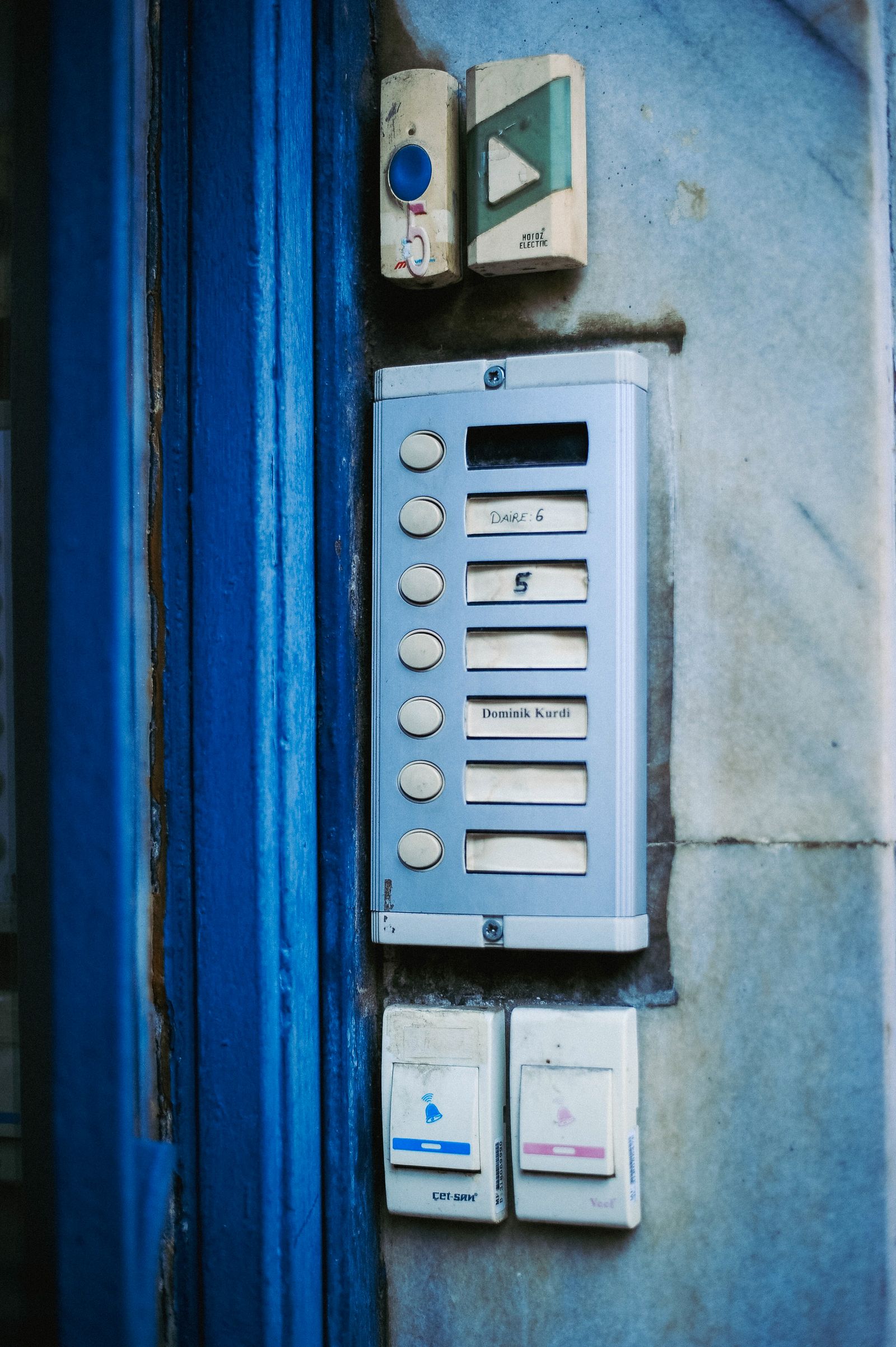
Late arrivals become noisy quickly when guests ring several apartments trying to find the correct one. Know the exact name or number on the citofono before you arrive. The practical vocabulary for entrances, staircases and apartment numbers is covered in our guide to Italian apartment addresses.
Chairs and furniture
Dragging a dining chair across tile may be barely noticeable inside your room and painfully obvious in the apartment below. Lift chairs rather than scraping them, particularly at night.
Washing machines
A washing machine‘s spin cycle can transmit vibration through an entire floor. Unless the host specifically tells you otherwise, running a loud wash or spin cycle in the middle of the night is a poor idea in a residential block.
Shutters
Tapparelle, persiane and other Italian shutters can clatter when opened or dropped quickly. Lower them slowly if you return late or get up before the rest of the building.
Balconies and courtyards
A normal indoor conversation can become much more intrusive when moved onto a balcony overlooking an enclosed courtyard. Courtyards bounce voices between façades, while an open window can carry music directly into neighboring bedrooms.
After a late dinner, continue the conversation indoors and keep windows or balcony doors in mind before turning up music or television.
“Allowed Hours” Do Not Mean Unlimited Noise
This distinction prevents a lot of pointless arguments with neighbors.
If a municipal rule says certain noisy activities are permitted between particular hours, that does not mean you can create any amount of disturbance during that period. National rules concerning intolerable noise and public disturbance can still matter, and building regulations may impose additional restrictions.
A party at 7 p.m. does not automatically become acceptable because the building’s overnight rest period begins at 10 p.m. Your rental’s own conditions may also prohibit parties or events completely.
Use the timetable as a restriction, not as a permission slip.
Saturdays, Sundays and Holidays Can Be Different
Do not assume that Saturday is treated exactly like Monday.
Municipal regulations frequently place tighter limits on construction, maintenance and other deliberately noisy activities at weekends or on public holidays. Rome is a useful example: its municipal regulation distinguishes ordinary weekdays from Saturdays and holidays for several categories of private noisy activity.
That usually matters more to a resident drilling a wall than to a tourist making breakfast, but the principle is useful. If a notice in your building lists separate columns for feriali and festivi, read them carefully:
- giorni feriali generally means working/non-holiday days
- giorni festivi means Sundays and public holidays
- sabato may be given its own rules
What to Do When You Arrive Late at Night
A midnight check-in is not itself a problem. The trick is to remove the noisy uncertainty before you reach the building.
- Save the correct street number and entrance.
- Know the exact intercom name.
- Have the exterior-door code or key ready before reaching the door.
- Know the scala, piano and interno so you are not searching every landing.
- Keep phone calls in the street brief and lower your voice once inside the entrance.
- Move luggage carefully through stairwells and corridors.
- Do not repeatedly ring the host’s intercom if you already have self-check-in instructions.
If several apartment stays and late arrivals need to fit together, you can organize the rest of your Italy trip before travel so that transfer and check-in times are visible in the same itinerary.
Children, Strollers and Normal Family Noise
Families are not expected to make children silent. A crying baby, ordinary footsteps or someone using the bathroom are part of residential life.
There is still a practical difference between unavoidable household noise and letting children run through a common stairwell, play ball in a courtyard at midnight or repeatedly jump from furniture above another apartment.
With a stroller, the biggest issue is often the entrance rather than the apartment. Avoid dropping it down steps, letting doors slam while maneuvering through them, or unfolding it noisily in the hallway late at night. If there is space, assemble or collapse it inside the apartment instead of on the landing.
If a Neighbor Knocks on Your Door
Do not begin by arguing about what time it is.
If the complaint is obviously connected to music, voices, furniture, children playing or another controllable sound, reduce it first. A simple “Mi scusi”, meaning “I’m sorry” or “excuse me,” is usually more useful than trying to debate Italian condominium law in the corridor.
Then message the host:
“A neighbor complained about noise. Can you please send us the condominium quiet hours or building rules?”
This gives you the actual standard for that property and alerts the host before the issue grows into a complaint to the building administrator or booking platform.
If the neighbor demands something unreasonable, behaves aggressively or claims a rule you cannot verify, avoid a hallway confrontation. Ask the host or property manager to deal with the building.
If the Noise Is Coming From Someone Else
Tourists can be on the receiving end too. If another apartment, a courtyard, building equipment or a nearby business is keeping you awake, start by identifying the source.
- Note approximately when the noise begins and ends.
- Record whether it is music, voices, machinery, an alarm, plumbing or another repeated sound.
- Message the host rather than assuming you know which apartment is responsible.
- Ask whether there is a building administrator or concierge who handles disturbances.
A private neighbor, a faulty condominium air-conditioning system and a nightclub downstairs can fall under different procedures. Milan’s municipal guidance, for example, specifically distinguishes commercial or professional noise from noise caused by private homes and common condominium equipment.
For a short stay, the host is normally your most useful first contact because they know the building, its administrator and any previous noise problems.
Common Mistakes That Cause Trouble
- Assuming 10 p.m. is the universal Italian rule. It is not.
- Ignoring the midday period. Some buildings or local regulations restrict noisy activity in the afternoon as well as overnight.
- Thinking daytime means anything goes. Excessive disturbance can still be a problem outside designated rest hours.
- Letting the portone slam. One heavy door can wake more people than a conversation inside the apartment.
- Talking loudly in a courtyard. Enclosed Italian courtyards amplify voices remarkably well.
- Running noisy appliances overnight. Washing-machine vibration is a frequent example of avoidable residential noise.
- Ringing random intercoms after dark. Confirm the correct citofono before arrival.
- Assuming the booking platform’s rules are the only rules. The condominium and municipality can have their own requirements.
The Simple Rule to Use When No Hours Are Posted
If you cannot find a building notice and the host has supplied no timetable, behave as though you are staying in someone’s residential building rather than in a hotel corridor. Keep music, television, balconies, furniture-moving and appliances subdued late at night and early in the morning, and be particularly cautious about deliberately noisy activity around lunchtime.
If something has to make noise, do it during normal daytime hours. If it can wait until tomorrow, let it wait. And if a neighbor tells you there is a specific building rule, ask your host to confirm the regolamento condominiale rather than trying to apply a supposed Italy-wide timetable that does not exist.