Sicily vs Sardinia is one of the hardest Italy travel choices because both islands are big, proud, and completely different. Sicily gives you ancient ruins, street food, volcanoes, Baroque towns, and easier public transport. Sardinia gives you clearer water, quieter roads, wild coastlines, and beaches that look almost unreal. The right island depends less on which is “better” and more on the trip you actually want.
Quick Island Verdict
Choose Sicily for a 7 to 14 day trip with history, food markets, trains, cities, Mount Etna, and beach breaks. Choose Sardinia for a 7 to 10 day beach-first road trip with a rental car, boat days, coves, and slower coastal towns. May, June, September, and early October are the best months for both islands; avoid August unless you have already booked accommodation and transport.
Sicily vs Sardinia: Which Island Fits Your Trip?
The cleanest way to compare the two is this: Sicily feels like a full country compressed into one island, while Sardinia feels like a wild island escape. Sicily is louder, denser, easier to move around, and packed with things to see even when the weather is not beach-friendly. Sardinia is more spacious, more car-dependent, and much more focused on the sea.
For most first-time visitors, I would pick Sicily. Not because Sardinia is weaker, but because Sicily gives you more trip for your effort. You can spend the morning in a food market, the afternoon at a Greek theater, and the evening eating seafood in an old town. The slow travel style we like at ItalyOnFoot works especially well there because many of the best days are built around walking, eating, and lingering rather than rushing between resorts.
Sardinia is the better choice when the sea is the main event. If your dream trip is swimming twice a day, renting a small car, sleeping near the coast, and planning your days around beaches and boat trips, Sardinia wins. It also feels less urban. Even in popular areas, you are never far from empty hills, granite rock, and long roads where the island suddenly goes quiet.
| Choose | Best For | Trip Style | Main Warning |
|---|---|---|---|
| Sicily | Culture, food, ruins, cities, volcanoes | Train-friendly routes, mixed itineraries, first Italy island trip | Summer heat can make inland sightseeing tiring |
| Sardinia | Beaches, coves, swimming, nature, road trips | Car-based coastal travel, slower beach holidays | Public transport limits where you can go |
| Both | Longer trips of 2 weeks or more | Fly or ferry between islands, then focus on one region at a time | Do not try to “see everything” on either island |
My strongest advice is simple: do not treat either island as a quick add-on. Sicily and Sardinia are both large. A rushed three-day visit gives you the airport, a beach, one dinner, and regret. Give either island at least a week if you can.
Beaches, Sea, and Scenery: Sardinia Wins the Water Test
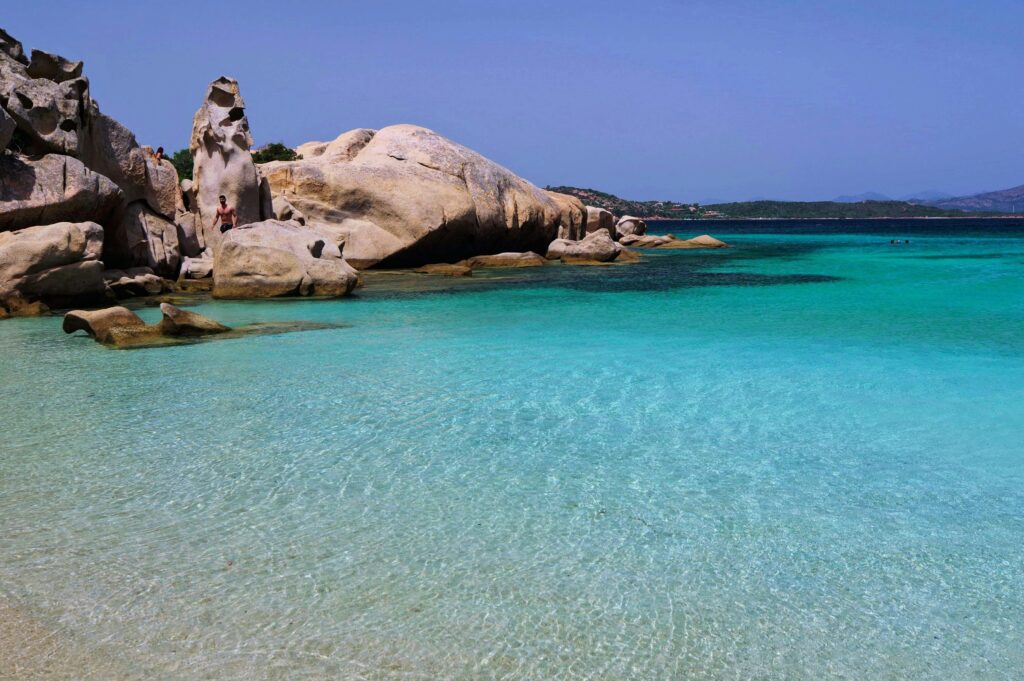
If beaches are your deciding factor, Sardinia has the edge. The water is often clearer, the colors are brighter, and the coast feels more dramatic in a beach-holiday way. Places like La Maddalena, Cala Gonone, the Gulf of Orosei, Chia, Villasimius, Stintino, and San Teodoro are the reason many Italians save Sardinia for their own summer holidays.
Sardinia’s best beaches are not always the easiest ones. Some require a hike, a boat, a timed entry, or a careful parking plan. Cala Goloritzé, for example, is famous for its cliffs and blue water, but it is not a casual flip-flop stroll. This is where many visitors get Sardinia wrong. They book a hotel, assume the beaches will be simple, then lose half the day to parking, heat, and road time.
Sicily’s beaches are more varied. You will find sandy beaches, rocky coves, volcanic coast, small islands, and nature reserves. San Vito Lo Capo, Zingaro, Cefalù, Vendicari, Isola dei Conigli on Lampedusa, and the Egadi Islands can all be wonderful. The difference is that Sicily’s coast is often part of a bigger day. You might visit a ruin, eat in a town, and swim before sunset. The beach is not always the whole plan.
| Beach Goal | Better Island | Where to Look | Best Season |
|---|---|---|---|
| Clearest turquoise water | Sardinia | La Maddalena, Gulf of Orosei, Villasimius | June or September |
| Beach plus old town | Sicily | Cefalù, Ortigia, Taormina area, Trapani coast | May to October |
| Boat days and coves | Sardinia | Cala Gonone, La Maddalena, Baunei coast | June to early October |
| Beach mixed with culture | Sicily | Vendicari, San Vito Lo Capo, Egadi Islands | May, June, September |
For a beach-first trip, use the official regional tourism pages for current access notes and protected areas, especially in Sardinia and Sicily’s nature reserves. The Visit Sicily beach guide is useful for narrowing down the kind of coast you want before you build the route.
- Avoid August: Beaches are crowded, prices rise, and parking becomes annoying.
- Start early: Aim to reach popular coves before 9:00 AM in high season.
- Bring water shoes: Sicily and Sardinia both have rocky or pebbly beaches.
- Check access rules: Some protected beaches use limits, fees, or timed entry.
Culture, Food, and Walking Around: Sicily Has the Richer Daily Rhythm
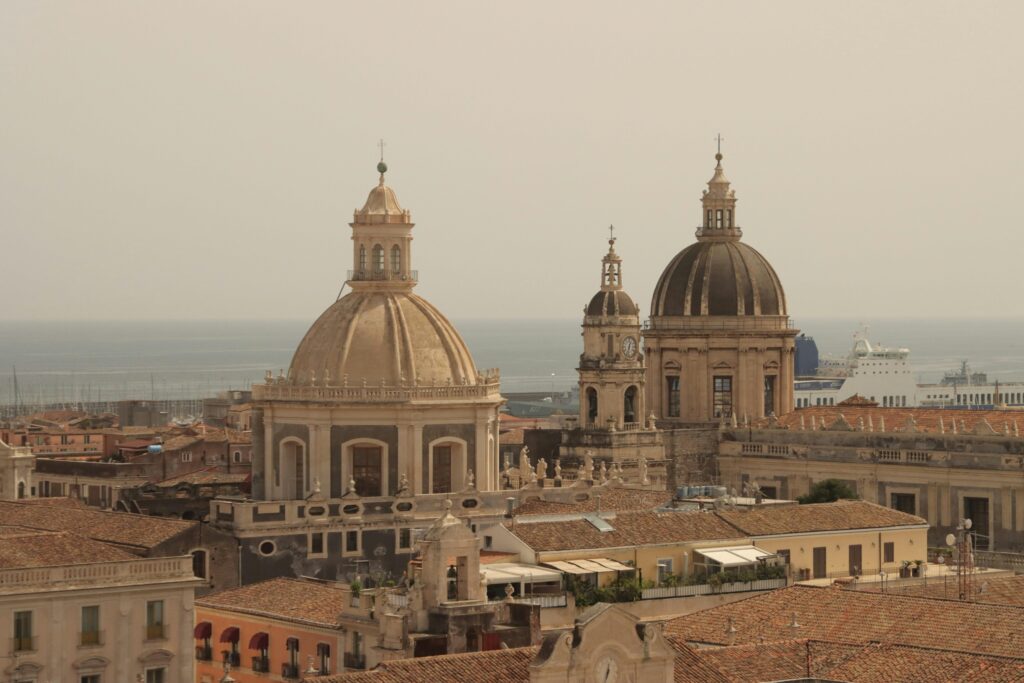
Sicily is the stronger island for travelers who like their days full but not rushed. Palermo alone can absorb several days with markets, churches, street food, backstreets, and Arab-Norman architecture. Then you still have Syracuse, Noto, Ragusa, Modica, Agrigento, Piazza Armerina, Catania, Taormina, Cefalù, Trapani, Erice, and Mount Etna. That is the problem with Sicily: the list gets long fast.
It is also easier to enjoy Sicily on foot. Palermo is chaotic but rewarding if you slow down. Ortigia, the old center of Syracuse, is one of the best walking bases in southern Italy. Noto and Ragusa are made for late afternoon strolls, when the stone turns warm and the day-trippers start to thin out. Even Catania, rough edges and all, has a strong walking rhythm around Via Etnea, the fish market, and the lava-stone streets.
Sardinia has culture too, but it works differently. It is less about grand city-hopping and more about place, language, food, craft, and older landscapes. Alghero has Catalan traces, Cagliari has a handsome historic center, and inland villages give you a different side of the island. The Nuragic sites, including Su Nuraxi near Barumini, are fascinating if you want history that feels far older than Roman Italy.
Food may be the easiest win for Sicily. Palermo street food is direct, cheap, and fun. Arancine, panelle, sfincione, cannoli, granita, pasta alla Norma, caponata, swordfish, pistachio, and Modica chocolate all give the island a strong food identity. Sardinian food is quieter but excellent: culurgiones, malloreddus, fregola, bottarga, pecorino, pane carasau, roast meats, seadas, and long agriturismo dinners.
- Pick Sicily if you want markets, street food, ruins, churches, and towns every day.
- Pick Sardinia if you want rustic meals, coastal villages, and slower evenings.
- Do not skip inland Sardinia if you have a car and want the island beyond the beaches.
- Do not overpack Sicily with one-night stops, because the cities reward time.
The tourist trap to watch in Sicily is the “one famous town per day” itinerary. It looks efficient on paper and feels exhausting in real life. In Sardinia, the trap is booking a beach resort and assuming you have seen the island. The best parts of both places appear when you give yourself space.
Getting There and Around Without Wasting Your Trip
Sicily is easier to reach and easier to explore without a car. The main airports are Palermo and Catania, with Trapani and Comiso useful for some routes. You can also reach Sicily by train from mainland Italy, because trains cross the Strait of Messina by ferry. It is slow, but it is one of those old-school Italy travel experiences that train lovers remember. For routes and schedules, use Trenitalia and the official Visit Sicily arrival guide.
Sardinia has three main airport gateways: Cagliari in the south, Olbia in the northeast, and Alghero in the northwest. The island also has ferry connections from mainland Italy, but most visitors fly in and rent a car. The official Sardinia tourism pages on how to arrive in Sardinia and how to get around Sardinia are worth checking before you commit to a route.
The big planning difference is flexibility. In Sicily, you can build a decent public transport trip around Palermo, Cefalù, Catania, Taormina, Syracuse, and some bus connections. A car helps for places like the Val di Noto countryside, western Sicily, and smaller beaches, but it is not always required. In Sardinia, a car changes the trip completely. Without one, you can visit cities and some beaches, but you will miss many of the coves and rural areas that make the island special.
| Travel Style | Sicily | Sardinia |
|---|---|---|
| No car | Best around Palermo, Cefalù, Catania, Taormina, Syracuse | Possible in Cagliari, Alghero, Olbia, but limiting |
| Rental car | Useful for beaches, villages, Etna, and Baroque towns | Strongly recommended for most trips |
| Train travel | Better network, especially along key coastal routes | Limited for beach-hopping |
| Ferry travel | Good for minor islands and mainland links | Good for mainland links and some island routes |
For independent travelers, I would plan Sicily with two or three bases and Sardinia with one clear region unless you have at least ten days. Changing hotels every night on either island is a fast way to turn a vacation into a logistics exercise.
Best Time, Budget, and Crowds
May, June, September, and early October are the sweet spot for both Sicily and Sardinia. The weather is warm, the light is good, and you can still walk without feeling cooked by noon. September is especially good for Sardinia because the sea is warm and the worst of the August rush has passed. Sicily is also excellent in spring and autumn because so much of the island is about food, towns, ruins, and landscapes, not only swimming.
July and August are the months I would treat carefully. They can still be fun, especially if your only goal is beach time, but the trade-offs are real. Sardinia gets expensive and crowded in the most famous coastal areas. Sicily gets hot, especially at inland archaeological sites like Agrigento or Piazza Armerina. If you travel then, plan sightseeing early, rest in the afternoon, and save long walks for evening.
Budget-wise, Sicily is usually easier. Palermo, Catania, Trapani, and other towns offer a broad range of accommodation and cheap food. Sardinia can be affordable outside peak season, but beach areas in July and August can feel expensive fast, especially once car rental, fuel, parking, and boat trips enter the picture.
| Month | Sicily | Sardinia | Best Use |
|---|---|---|---|
| April to May | Great for towns, ruins, walking, Etna | Good for hiking and quiet coast days | Culture and road trips |
| June | Warm, lively, beach season begins | Excellent water and manageable crowds | Best overall balance |
| July to August | Hot inland, busy coast | Peak beach season, high prices | Only if booked early |
| September to early October | Warm, calmer, good food season | Warm sea, fewer crowds | Best late-season choice |
- Book early for August: Accommodation and cars disappear quickly in Sardinia.
- Use city bases in Sicily: They keep food and transport costs under control.
- Plan beach parking: Sardinia’s best beaches can be frustrating without an early start.
- Protect midday hours: Summer sightseeing in Sicily is better before 11:00 AM or after 5:00 PM.
Best Itineraries for Sicily and Sardinia
A good Sicily itinerary should not try to circle the whole island in a week. Pick east or west, then give yourself time to enjoy it. For a first trip, I like eastern Sicily because it combines Catania, Mount Etna, Taormina, Syracuse, Noto, Ragusa, and Modica in a compact loop. You get volcanoes, Greek history, Baroque towns, sea views, and excellent food without crossing the island every day.
Western Sicily is better if Palermo is your priority. Base there for a few nights, visit Monreale and Cefalù, then move toward Trapani, Erice, Marsala, the Egadi Islands, San Vito Lo Capo, or the Zingaro coast. Agrigento fits well if you are continuing south or driving across the island, but it becomes awkward if you are trying to stay fully car-free.
For Sardinia, the best first route depends on your airport. If you land in Olbia, focus on the northeast and east coast: Costa Smeralda, La Maddalena, Santa Teresa Gallura, San Teodoro, Cala Gonone, and the Gulf of Orosei. If you land in Cagliari, build a southern route around Cagliari, Villasimius, Costa Rei, Chia, Sant’Antioco, and Carloforte. Trying to combine north, east, south, and west Sardinia in one week is too much.
Simple 7-day Sicily route
- Days 1-2: Catania with a food market walk and evening on Via Etnea.
- Day 3: Mount Etna, using the official Visit Sicily Etna page to check current visitor information.
- Day 4: Taormina or a quieter coast base nearby.
- Days 5-6: Syracuse and Ortigia.
- Day 7: Noto, then return to Catania.
Simple 7-day Sardinia route
- Days 1-2: Olbia or nearby coast, then San Teodoro.
- Days 3-4: Cala Gonone or Baunei for boat trips and beaches.
- Days 5-6: La Maddalena or Santa Teresa Gallura.
- Day 7: Return to Olbia with a slow coastal drive.
For 10 to 14 days, both islands open up. In Sicily, you can connect Palermo, the west coast, Agrigento, the Val di Noto, Syracuse, Etna, and Taormina. In Sardinia, you can make a proper loop from Cagliari to the east coast, north coast, Alghero, Bosa, Oristano, and back south. The longer version is where Sardinia starts to make more sense because you are no longer burning half the trip on transfers.
FAQ: Sicily or Sardinia?
These are the questions travelers usually ask once they have narrowed the choice to Sicily and Sardinia. The honest answer depends on season, transport, and how much beach time you want. Still, there are some clear patterns that make the decision easier.
Is Sicily or Sardinia better for first-time visitors?
Sicily is better for most first-time visitors because it gives you more variety: cities, ruins, food, beaches, volcanoes, and trains. Sardinia is better for first-timers only when the trip is mainly about beaches and nature.
Which island is better without a car?
Sicily is the better no-car choice. You can connect Palermo, Cefalù, Catania, Taormina, and Syracuse by train or bus. Sardinia without a car works for city stays, but it limits beach access.
Which island has better food?
Sicily is easier for food lovers because the markets, street food, pastries, and pasta dishes are everywhere. Sardinia is excellent too, but its best meals often come from slower countryside restaurants and coastal towns rather than quick street-food stops.
Can you visit Sicily and Sardinia on the same trip?
You can, but I would not do it with less than two weeks. Both islands are large, and moving between them takes time. A stronger plan is one island now, the other on your next Italy trip.
Is Sardinia more expensive than Sicily?
Usually, yes in peak summer. Sardinia’s beach areas, car rentals, and boat trips can add up quickly in July and August. Sicily has more budget-friendly city bases and cheaper casual food.
Pick Sicily if you want your days filled with walking, eating, ruins, towns, and easy variety. Pick Sardinia if you want the sea to shape the whole trip and you are happy renting a car. For most travelers comparing Sicily vs Sardinia for the first time, I would start with Sicily, then save Sardinia for a slower beach-focused trip in June or September.